
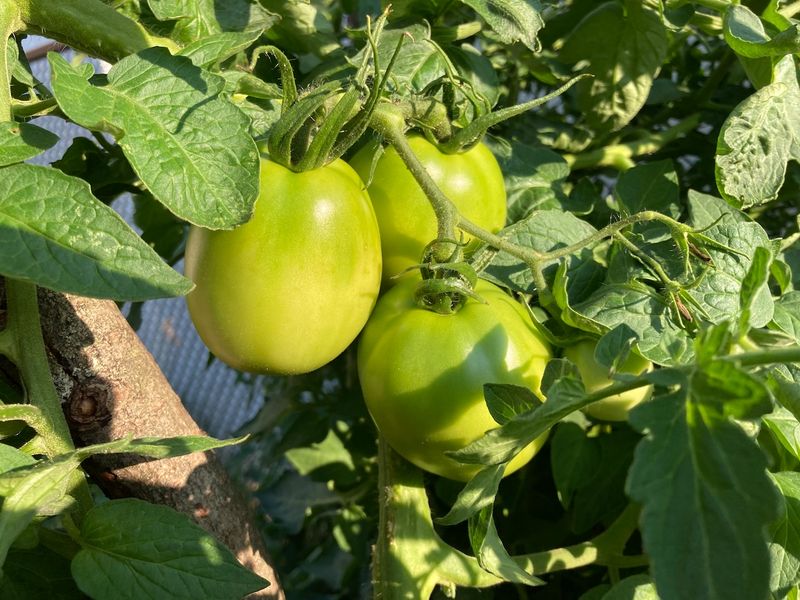
You step out to the garden expecting a basket of red tomatoes and find the same green fruit you checked last week, and the week before that. Full-sized, firm, and stubbornly green, they look ready but act like they have no intention of changing color.
For Southern gardeners baking through a long summer, this is one of the most frustrating sights in the vegetable bed. Heat is often the strongest explanation, but a few other culprits can create the same picture, and knowing the difference changes what you do next.
Heat is a common reason mature tomatoes stay green
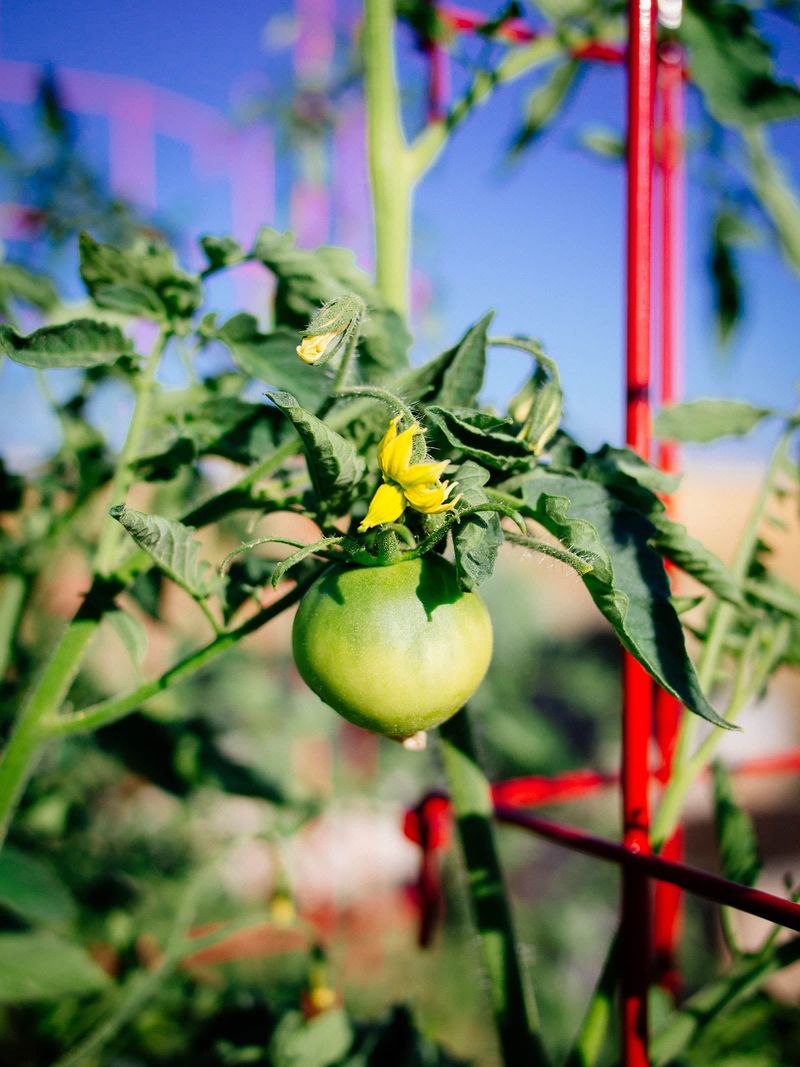
Sustained high temperatures are the most defensible explanation when full-sized, uniformly green tomatoes linger on the vine during a prolonged hot spell. The title’s premise of a single cause is a useful starting point, but treat it as a strong working hypothesis rather than a guaranteed diagnosis.
Other factors, including immaturity, cultivar traits, and ripening disorders, can produce a very similar look.
Tomatoes form their red and orange colors through two pigments: lycopene and beta-carotene. Both develop most effectively when fruit temperatures sit in a moderate range, roughly 68 to 75 degrees Fahrenheit.
Cornell Vegetable Program guidance notes that when temperatures climb above approximately 85 to 90 degrees, lycopene production can slow substantially or stop, leaving otherwise mature fruit yellow-green or stuck in a green stage for days or weeks longer than expected.
That 85 to 90 degree threshold is a practical rule of thumb, not a hard biological cutoff. Cultivar differences, fruit exposure to direct sun, and local microclimates all shift where any individual tomato falls.
Fruit sitting in full sun can run noticeably hotter than the surrounding air temperature, as Penn State Extension’s heat-stress overview explains, which means a shaded cluster may behave differently than an exposed one on the same plant on the same afternoon.
The practical takeaway: if your tomatoes are full-sized, uniformly green, and the region has been running hot for an extended stretch, heat deserves the first look. But keep the door open to other explanations as you work through the problem.
Hot nights add stress and can reduce new fruit set
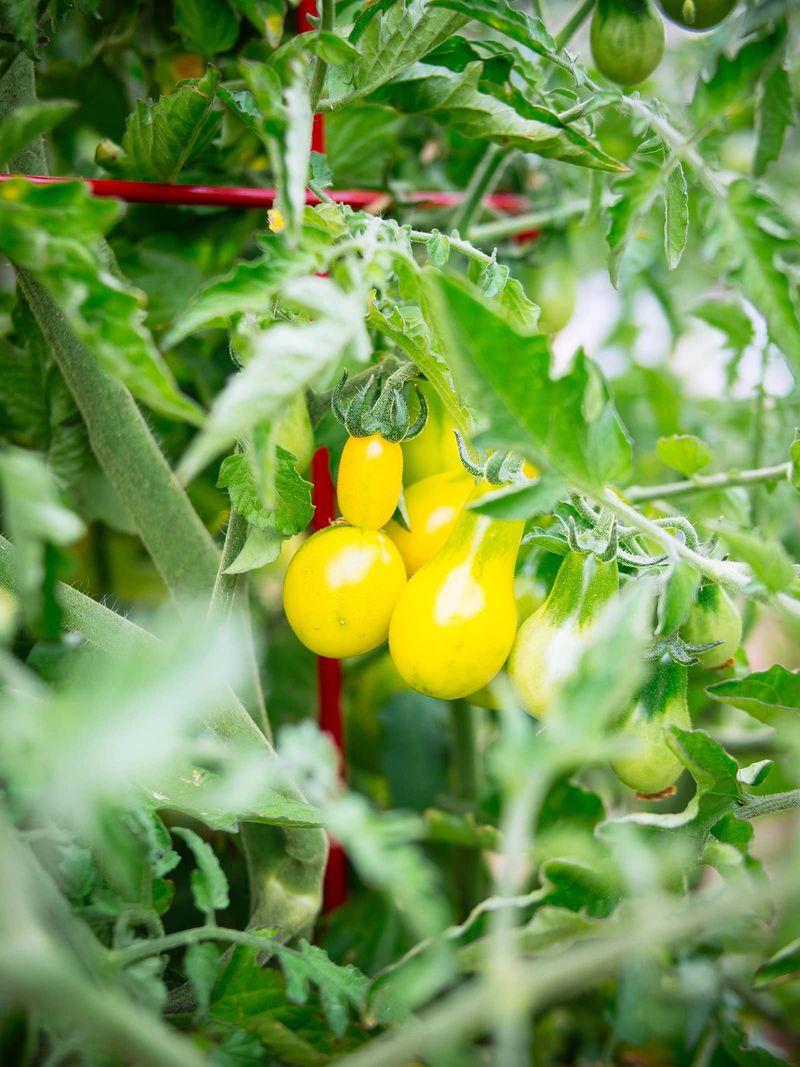
Daytime heat gets most of the attention, but nights that stay persistently warm extend the plant’s heat burden around the clock. When temperatures do not drop to a cooler range overnight, the plant has less opportunity to recover from the stress of a hot day, which can compound the effect on fruit development and pigment formation over time.
The more clearly supported consequence in Southern gardens is what happens to flowering and new fruit set. Florida IFAS guidance on tomato production describes how sustained heat can interrupt pollination and cause flowers to drop, so a plant may carry a full load of existing green fruit while producing few or no new tomatoes until conditions cool.
That pattern, a vine that looks productive but is not actually advancing, is common in Florida, Texas, and other Gulf Coast states during extended summer heat.
Timing and severity vary considerably across the South. Georgia, Texas, and Florida each experience different combinations of daytime highs, nighttime lows, humidity, and disease pressure, and the UGA Commercial Tomato Production Handbook reflects those regional differences in its planting and management schedules.
A gardener in coastal Florida and one in north Georgia may face the same symptom in August but for slightly different reasons and at different points in their respective growing seasons.
Understanding that hot nights compound rather than independently cause the problem helps set realistic expectations. The fruit already on the vine may color up slowly once temperatures moderate, but new production may not resume until the heat breaks.
Check maturity before blaming the weather
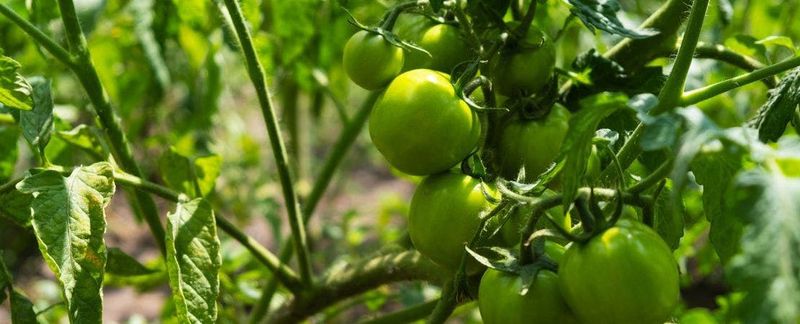
Before assuming the weather is holding your tomatoes back, take a close look at the fruit itself. Tomatoes generally need about six to eight weeks from pollination to reach full maturity, and that window shifts depending on the cultivar and the conditions during development.
A tomato that formed recently may simply not be ready yet, regardless of how warm the season has been.
Cornell Vegetable Program describes the mature-green stage as the point when a tomato has reached its full expected size and the interior seeds and gel have developed completely, even though the skin is still green. At this stage, the fruit is physiologically capable of finishing the ripening process on its own.
Two visible clues can help: a glossy sheen to the green skin and a pale, star-shaped pattern at the blossom end, which is the bottom of the fruit opposite the stem.
Contrast that with a tomato that is still undersized, has a dull matte surface, and feels very firm and dense throughout. That fruit has not yet reached the mature-green stage, and picking it early or expecting it to color up in response to heat management is likely to disappoint.
University of Florida IFAS and Colorado State University Extension both note that truly immature fruit may remain hard and fail to develop normal flavor or color even when moved indoors.
Running a quick maturity check before trying any remedy saves time and prevents the discouragement of harvesting fruit that was never going to ripen properly in the first place.
Protect the canopy and steady the soil moisture
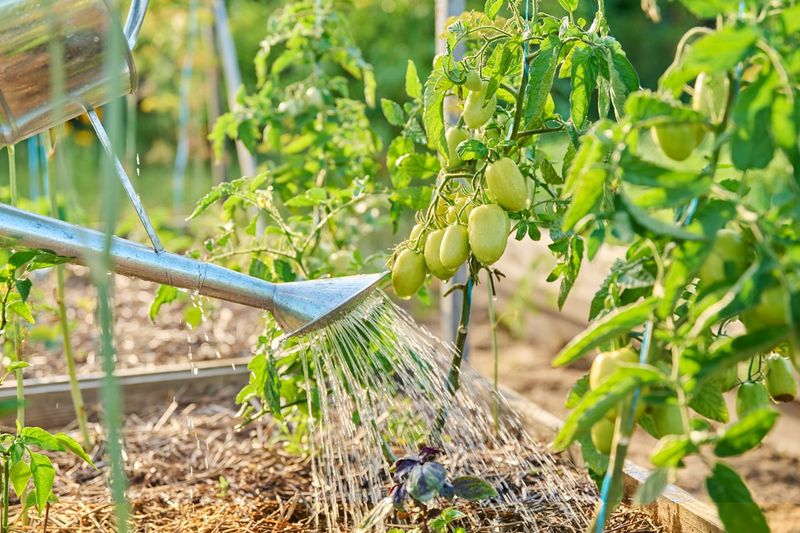
Once heat looks like the likely culprit, a few practical steps can reduce the additional stress on your plants, even if they cannot instantly reverse temperature-driven pigment delay. The most important is protecting the plant’s existing foliage.
Leaves serve as natural shade for the fruit clusters below them, and removing healthy foliage to expose tomatoes to more sun is counterproductive. Excessive sun on exposed fruit can push surface temperatures even higher and increase the risk of sunscald, a whitish or tan patch that damages fruit quality.
North Carolina Cooperative Extension recommends keeping the canopy as intact as possible during heat events and avoiding severe pruning that strips the plant of its natural insulation. If disease has already thinned your foliage, that loss itself may be contributing to uneven coloring or surface damage on exposed fruit.
Consistent soil moisture is the other major lever. Water stress forces the plant to close its stomata and redirect energy toward survival, which slows active growth and ripening.
UGA Extension’s Georgia Homegrown Tomatoes guide and UGA’s home garden tomato advice both emphasize steady, even watering rather than allowing the soil to swing between bone-dry and waterlogged. A 2 to 3 inch layer of mulch around the base of each plant helps buffer soil temperature and slow moisture loss between waterings.
These measures reduce avoidable stress, but be clear-eyed about their limits. Canopy protection and consistent watering cannot override sustained heat inhibition or correct a separate ripening disorder.
Think of them as removing obstacles rather than forcing the fruit to color.
More sun and fertilizer will not force the color change
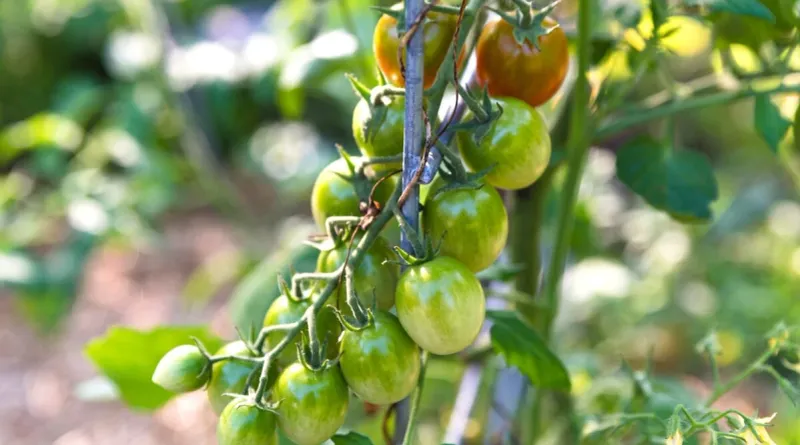
Two of the most common instincts when tomatoes refuse to turn red are to expose them to more sun and to add fertilizer. Both responses are well-intentioned, but both can make the situation worse rather than better.
On the sunlight question, tomatoes do not need direct sunlight to ripen, either on or off the vine. South Dakota State University Extension is direct on this point: ripening is driven by internal fruit temperature and pigment chemistry, not by light exposure.
Stripping away healthy leaves to let more sun reach the fruit pushes surface temperatures higher and increases the risk of sunscald, which Texas A&M AgriLife Extension describes as a heat-related injury that creates pale, leathery patches on exposed fruit. The same sun you are counting on to help is capable of damaging the very tomatoes you are trying to save.
Fertilizer is equally misunderstood in this situation. Reaching for a nitrogen-heavy product when fruit is staying green can push the plant back into aggressive vegetative growth, producing lush foliage at the expense of fruit development and potentially contributing to uneven ripening.
Cornell Vegetable Program notes that additional fertilizer will not quickly solve heat-delayed ripening.
Potassium sometimes comes up as a ripening remedy, and low soil potassium can genuinely contribute to certain ripening disorders. However, University of Maryland Extension recommends confirming a deficiency through soil or tissue testing before applying potassium, rather than treating it as a universal fix.
Blind applications are not a reliable cure and can throw other nutrient balances off.
Finish mature-green and breaker-stage tomatoes indoors
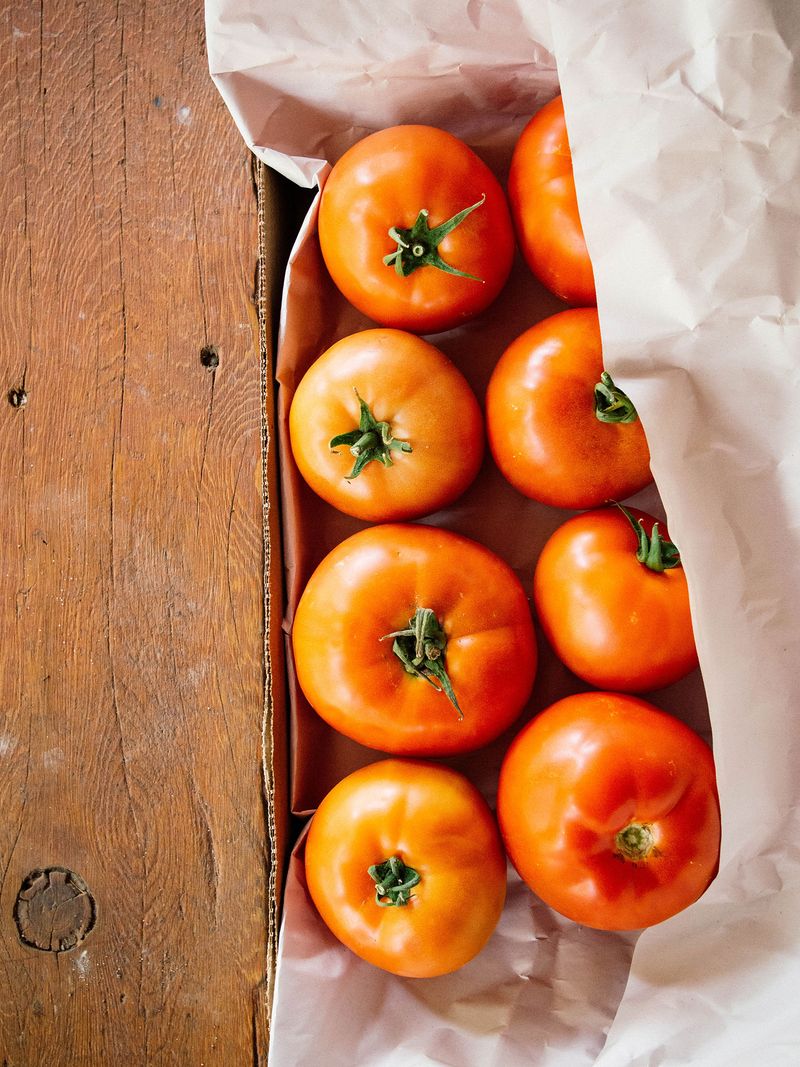
When heat is keeping mature tomatoes from coloring on the vine, harvesting the ripest candidates and finishing them indoors is a practical and well-supported option. The key is selecting the right fruit.
Only tomatoes that have reached the mature-green stage or beyond are reliable indoor-ripening candidates.
University of Florida IFAS explains that mature-green tomatoes have completed their internal development and will continue the ripening process without the vine. The breaker stage, when the first blush of pink, yellow, or red appears at the blossom end, is an especially dependable point to harvest.
At breaker stage, the fruit has already begun its color transition and will finish well indoors under the right conditions.
Place harvested tomatoes in a single layer at approximately 65 to 70 degrees Fahrenheit, away from direct sun, with good air circulation and space between fruits so they do not press against each other. Colorado State University Extension recommends a countertop, shelf, or other spot with ambient room temperature rather than a sunny windowsill.
A paper bag placed loosely around individual tomatoes can concentrate the natural ethylene gas the fruit produces and may speed the process slightly, as noted by USDA WIC Works. A paper bag is a helpful nudge for fruit that is already on its way, not a remedy for fruit harvested before maturity.
Avoid the refrigerator. UC Davis Postharvest Research and UGA Extension both caution that temperatures below about 55 degrees Fahrenheit can halt ripening, cause chilling injury, and reduce flavor.
Indoor-ripened tomatoes from mature-green or breaker-stage fruit can reach good eating quality, though the result may differ slightly from fruit that completes the full process on the vine.
Look for patterns that point beyond heat
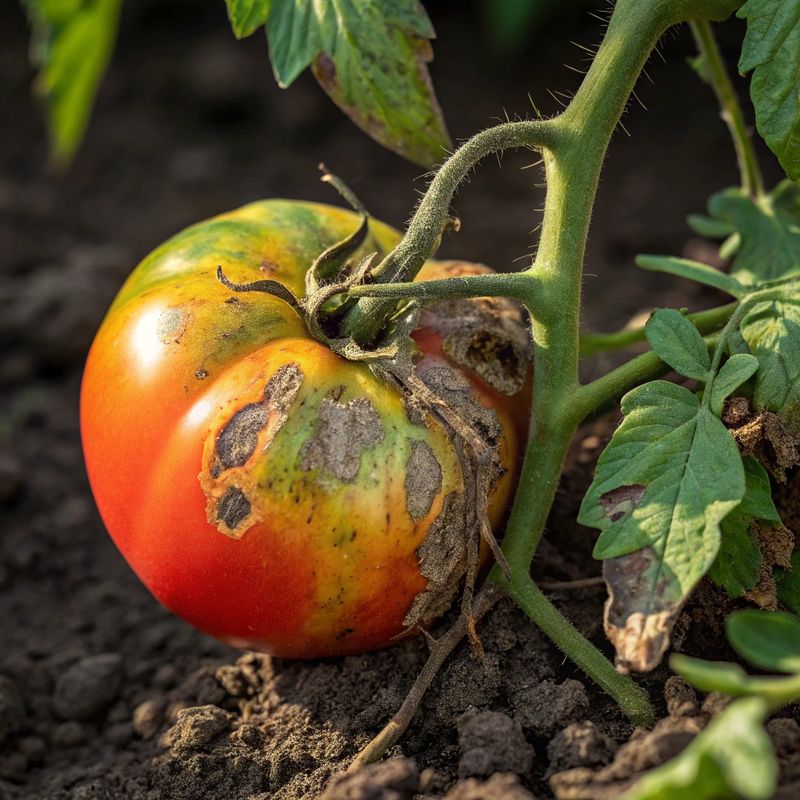
Not every case of green-lingering fruit comes down to temperature. Before settling on heat as the explanation, look closely at what the fruit actually looks like and whether the pattern matches what heat delay typically produces.
Heat-delayed ripening tends to show up as uniformly green, full-sized fruit across most of the plant during an obvious heat event. The fruit looks otherwise healthy and normal in shape and surface texture.
That is a different picture from fruit with persistent green or yellow patches clustered near the stem end, which may indicate yellow shoulder, a disorder linked to heat, high light intensity, and sometimes uneven potassium uptake. Hard, white, or pithy internal tissue that does not soften normally suggests gray wall or blotchy ripening, which University of Massachusetts Extension’s ripening disorder fact sheet connects to a range of causes including soil compaction, waterlogged roots, and nutritional imbalances rather than air temperature alone.
Persistent blotchy coloring that does not follow a heat-event timeline, fruit that stays partially green even after the weather moderates, and plants with visible leaf curl, mottling, or distorted growth may point to viral disease or pest pressure. Whitefly feeding, for example, can cause irregular ripening and discoloration that looks superficially like a nutrient or temperature problem.
Mississippi State University Extension’s tomato troubles guide covers many of these overlapping symptoms in detail.
Cultivar genetics also play a role. Some varieties are bred with naturally green or striped skin, and others are more prone to green shoulders regardless of growing conditions.
UGA Extension recommends matching cultivar choice to regional conditions partly for this reason. If the symptom pattern does not fit a clean heat explanation, your local extension service is the most reliable next stop for a specific diagnosis.
Use a cooler window as your decision point
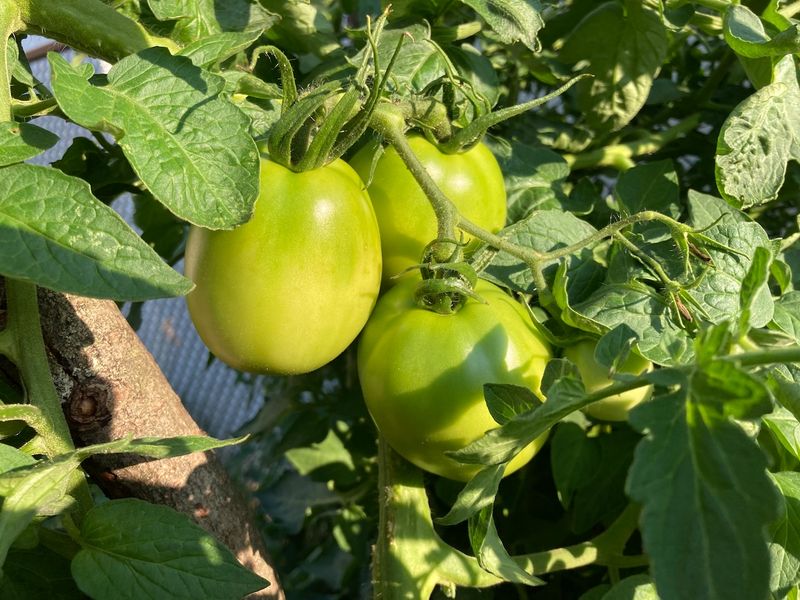
The most practical thing you can do right now is work with what the season is giving you rather than against it. If your tomatoes are full-sized and uniformly green during a prolonged stretch of Southern heat, protect the foliage you have, water consistently, hold off on fertilizer, and avoid stripping the plant of leaves to expose fruit to more sun.
Harvest any fruit that has reached the mature-green stage or begun to show the first color change at the blossom end, and finish those indoors at 65 to 70 degrees Fahrenheit away from direct sun. Cornell Vegetable Program and North Carolina Cooperative Extension both support this approach as a way to rescue fruit that is already physiologically ready but stalled by heat on the vine.
When temperatures moderate, whether by a few degrees at night or the arrival of early fall conditions, color development on remaining fruit often resumes on its own. If fruit that stays on the vine still shows unusual, uneven, or one-sided symptoms after the heat breaks, that is the signal to look beyond temperature for an answer.
University of Florida IFAS guidance reinforces that the ripening process has clear biological stages, and working with those stages rather than trying to shortcut them produces the most reliable results. Sometimes the best harvest strategy is patience, timed to the first cool morning you get.