
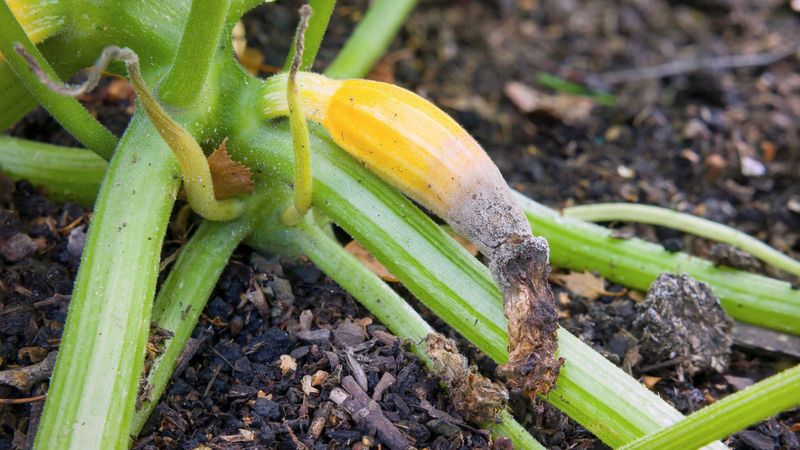
Zucchini can go from blooming beautifully to showing dark, rotting tips almost overnight during a Southern summer. That browning end is upsetting to discover, especially when the rest of the plant looks healthy.
The cause is not always obvious, and the fix depends on figuring out exactly what kind of rot you are dealing with before you change anything about how you water.
A rotting tip is a symptom, not a diagnosis
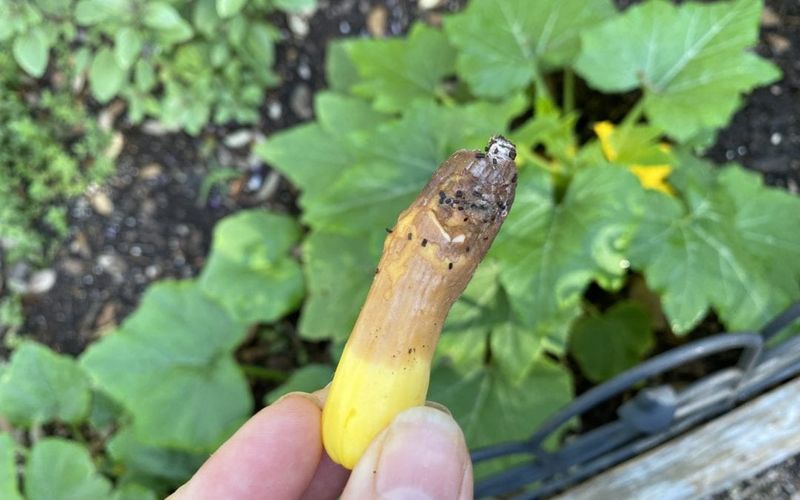
The blossom end of a zucchini is the tip opposite the stem – the side where the flower was attached. When that end develops a water-soaked patch that turns tan, brown, or black and then collapses into a sunken, leathery area, the pattern is consistent with blossom-end rot.
Texas A&M AgriLife Extension describes blossom-end rot in cucurbits as a physiological disorder, meaning it starts as a breakdown in the plant’s internal processes rather than an infection from outside.
That distinction matters because it shapes what you do next. A firm, sunken, dry lesion at the blossom end that darkens over time is the hallmark.
Secondary fungi and bacteria can move in and make the tissue soft or slimy later, but the original damage is not caused by a pathogen.
Even so, not every dark, rotten zucchini tip is blossom-end rot. A fruit that softens quickly, grows fuzzy mold, or collapses across the whole blossom end without that firm, dry beginning may have a different problem entirely.
Look closely at the texture and location of the rot before drawing any conclusions about watering.
The watering slip is a swinging root zone
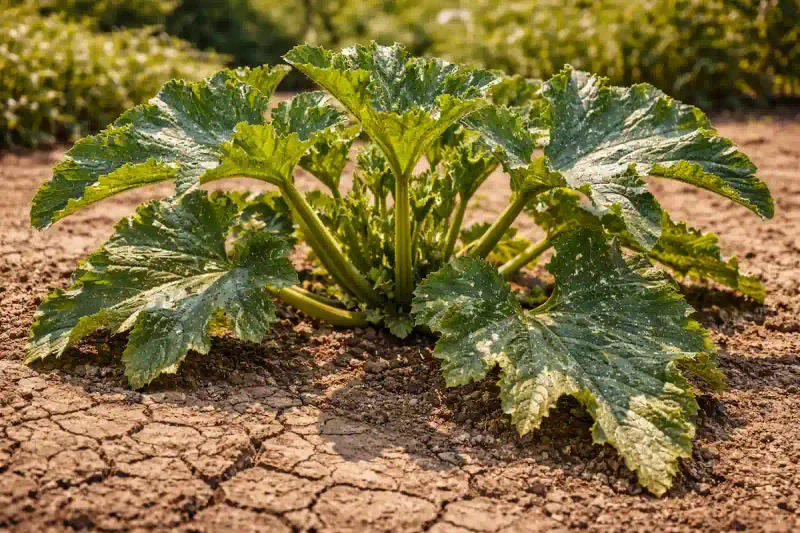
Blossom-end rot in zucchini is often linked to one specific watering habit: letting the root zone dry out significantly and then drenching it. That swing from very dry to very wet disrupts how the plant moves water and nutrients, including calcium, to developing fruit.
Calcium travels through the plant with the flow of water, and when that flow becomes erratic, the rapidly growing blossom end can end up short-changed even if the rest of the plant looks fine.
AgriLife Extension notes that drought stress and fluctuating soil moisture are among the conditions that can interfere with calcium uptake and transport in cucurbits. The problem is not simply that a gardener missed a day of watering.
It is the pattern of large, repeated swings between dry and saturated conditions that creates the disruption.
Overwatering is just as capable of causing trouble. Waterlogged soil starves roots of oxygen, damages root tissue, and reduces the plant’s ability to absorb water and nutrients at all.
The target is steady, even moisture with enough drainage that the soil never sits wet for long. That balance, not a fixed number of gallons or a rigid daily schedule, is what zucchini roots need during hot weather.
Build a heat-season watering routine
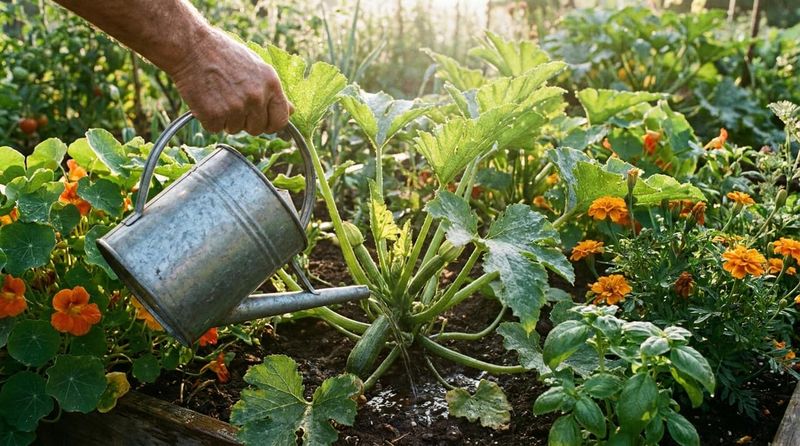
A reasonable starting point for established squash during the growing season is approximately 1 to 1.5 inches of water per week, with moisture reaching roughly 6 to 8 inches into the root zone. UGA Cooperative Extension’s guide to homegrown squash recommends that range and notes that drip irrigation or a soaker hose can help deliver water directly to the root zone.
That figure is a starting point, not a fixed rule, and it needs adjustment based on what is actually happening in your garden.
Sandy soils common across Florida and parts of Texas drain quickly and may need smaller, more frequent applications rather than one large weekly soak. UGA’s commercial squash production guidance suggests something closer to about three-quarters of an inch applied twice a week may serve sandy conditions better than a single deep irrigation.
Raised beds and containers dry out faster than in-ground beds, especially when temperatures climb and wind is steady, so those situations typically call for more frequent checks.
Shallow daily sprinkling is not a reliable substitute. UF/IFAS guidance on organic vegetable gardening in Florida cautions that light surface watering can wet only the top inch or two of soil, which encourages shallow root growth and leaves the deeper root zone dry.
Push a finger or a thin rod several inches into the soil to confirm moisture is actually reaching the roots, and factor in any rainfall before deciding whether to irrigate.
Hold moisture steady with mulch and root-zone irrigation
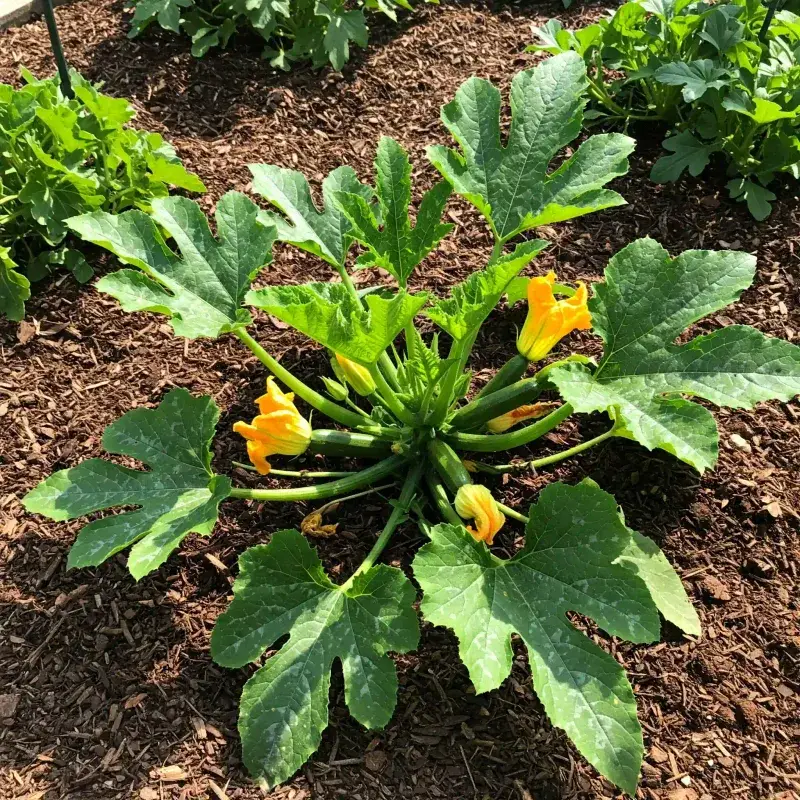
One of the most practical ways to reduce moisture swings is to cover the soil around your zucchini with a layer of organic mulch. UGA’s home gardening publication recommends roughly 2 to 4 inches of organic mulch around garden plants.
Straw, wood chips, or shredded leaves all slow evaporation, moderate soil temperature during hot afternoons, and keep developing fruit from resting directly on wet ground, which can contribute to soft rot on the underside of the fruit.
Keep the mulch pulled back an inch or two from the main stem. Piling it against the stem traps moisture against the crown and can invite rot or pest damage at the plant’s base.
A ring of mulch that starts just beyond the stem and extends out to the drip line gives the most benefit with the least risk.
Pairing mulch with a soaker hose or drip irrigation line adds another layer of consistency. UF/IFAS guidance on efficient irrigation for edible landscapes notes that root-zone irrigation reduces water lost to evaporation and keeps foliage and flowers drier, which limits the conditions that favor some fungal problems.
Neither mulch nor drip irrigation eliminates the need to check soil moisture regularly, especially after a hot, windy stretch or an unexpected dry spell between rain events.
Check whether poor pollination stopped the fruit
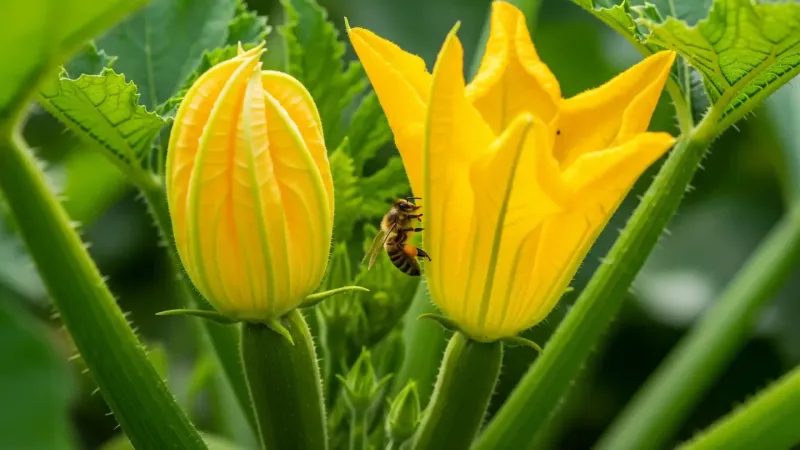
When several small zucchini shrivel, yellow, or begin to rot within a day or two of the flower dropping, poor pollination is worth considering before blaming irrigation. A fruit that never got fully pollinated often stops developing early and collapses without showing the firm, dry, dark lesion that characterizes blossom-end rot.
The rot tends to be soft and generalized rather than starting as a defined sunken patch at the blossom end.
University of Minnesota Extension’s guide to growing summer squash explains that zucchini requires pollinator visits to transfer pollen from male to female flowers, and that a shortage of pollinators or unfavorable conditions at bloom time can lead to fruit that starts forming and then fails. Heat, heavy rain, and extended cloudy periods can all reduce pollinator activity or make pollen less viable.
UMN Extension’s overview of how excessive heat affects vegetable gardens notes that high temperatures can reduce pollination success, which means a wave of failed young fruit during a heat spike may have nothing to do with how you are watering. If the pattern is multiple young fruits failing at once and none of them show a firm, sunken blossom-end lesion, look at your pollinator activity and bloom timing before adjusting your irrigation schedule.
Fuzzy, soft decay signals possible wet rot
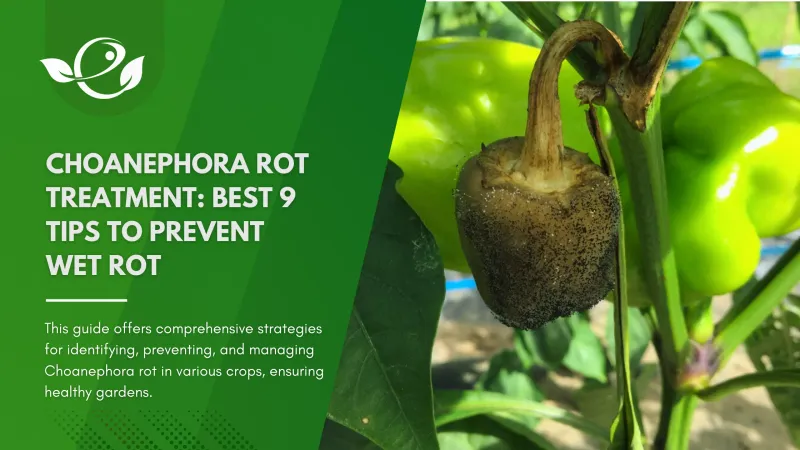
A rot that spreads quickly, feels soft and water-soaked from the start, and produces fluffy white, purple, or black fuzzy growth on the blossom or fruit is a different problem from blossom-end rot. That description fits Choanephora wet rot, a fungal disease that tends to appear during warm, humid, wet stretches.
UMN Extension’s profile of Choanephora rot describes the characteristic soft, water-soaked decay and the fuzzy fungal growth that can develop on affected tissue, distinguishing it clearly from the firm, dry lesion of blossom-end rot.
Reaching for more water when you see fuzzy rot would make the situation worse, not better. Choanephora thrives in persistently wet conditions, so the correction involves removing affected plant material promptly, improving air circulation around plants if possible, and avoiding practices that keep foliage and fruit wet for extended periods.
Overhead watering late in the day, for example, can leave surfaces damp overnight and create ideal conditions for the fungus to spread.
Texas A&M AgriLife’s cucurbit fruit disorder resources also cover Choanephora as a distinct condition from physiological disorders like blossom-end rot. Not every fuzzy rot has exactly the same cause, so when in doubt, contact your local extension office for a closer look before committing to a treatment plan.
Do not treat calcium as an automatic cure
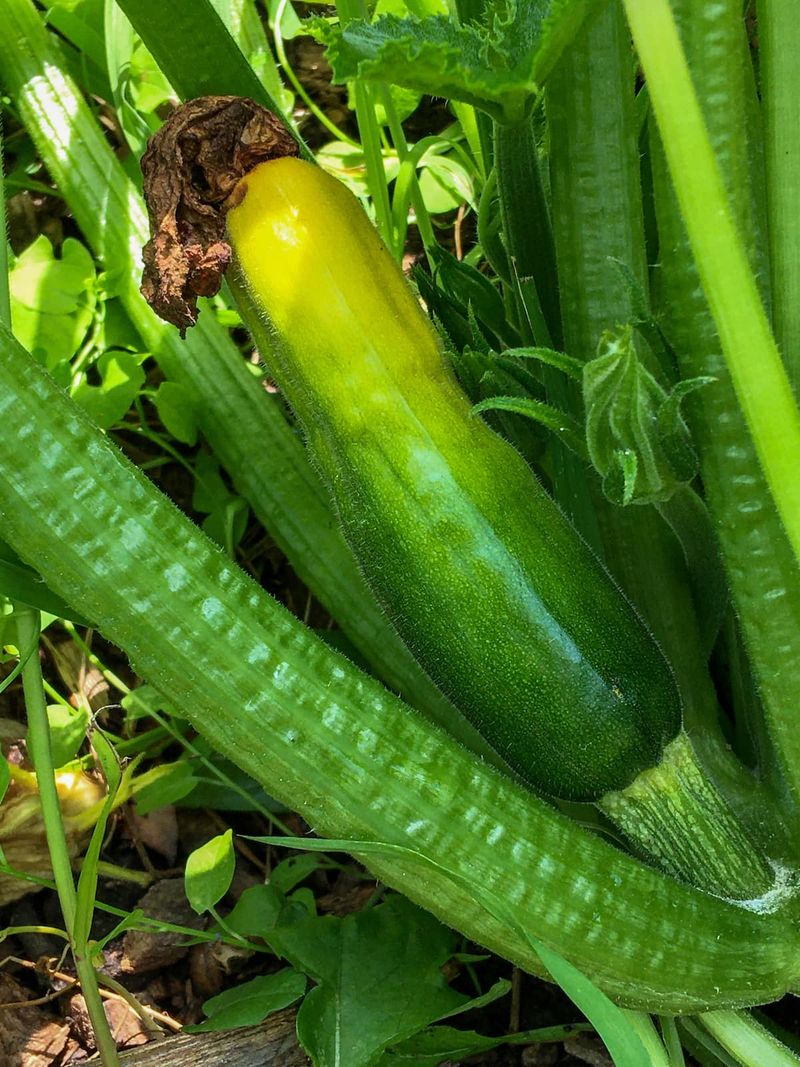
Blossom-end rot reflects a shortage of calcium reaching the developing fruit, but that does not automatically mean the soil is low in calcium. Root health, soil moisture, pH, and the balance of other nutrients all affect how well a plant can absorb and move calcium, even when the soil contains plenty of it.
UMN Extension’s review of common soil health home remedies explains that eggshells decompose far too slowly to correct an active problem and that many garden soils already contain adequate calcium.
Epsom salt is a common suggestion that can actually cause harm here. Epsom salt supplies magnesium, not calcium, and excess magnesium can compete with calcium for uptake and worsen the very problem you are trying to solve.
Foliar calcium sprays are rarely reliable either, because calcium moves poorly from leaf tissue into developing fruit. UGA’s publication on nutritional deficiencies in vegetables reinforces that nutrient applications should be guided by soil test results and label directions rather than by a visible symptom alone.
Excess nitrogen is another factor worth watching. Heavy nitrogen fertilization pushes rapid leafy growth, and that surge of vegetative tissue can pull resources and water flow away from developing fruit, making calcium distribution less efficient.
UGA’s research on blossom-end rot and calcium nutrition supports using a soil test to guide any lime, gypsum, or fertilizer decisions rather than adding amendments based on guesswork.
Remove damaged fruit and monitor what follows
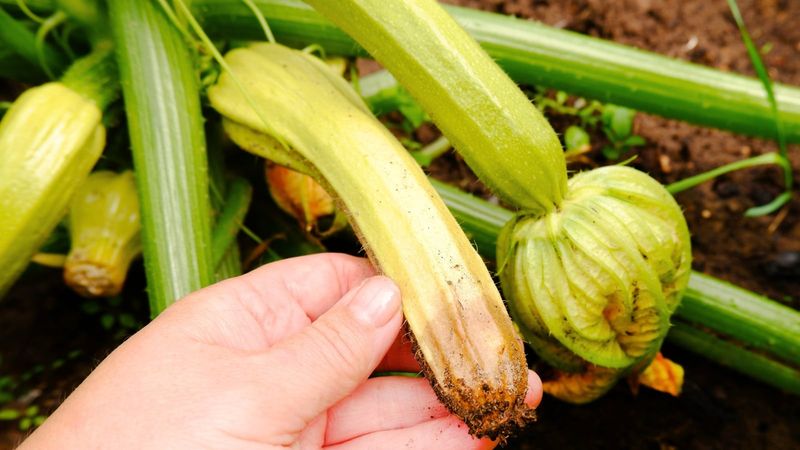
Fruit already showing blossom-end rot will not recover, regardless of what steps you take from this point forward. UMN Extension’s guidance on tomato disorders – which applies the same logic to related physiological fruit problems – explains that removing affected fruit avoids wasting the plant’s energy on fruit that has no chance of reaching harvest and makes it easier to track whether new fruit is developing normally.
Cut the affected fruit off cleanly and discard it rather than leaving it on the vine or on the ground nearby.
After removing damaged fruit, focus on stabilizing root-zone moisture without saturating the soil. Add mulch if you have not already, check that your irrigation is reaching several inches into the root zone, and adjust frequency based on your soil type, container situation, and current weather.
New fruit forming after you correct the moisture pattern is the real test of whether the change helped.
On food safety: do not eat fruit that is soft, fuzzy, foul-smelling, or shows signs of mold spreading beyond the initial lesion. Firm fruit with only a small, dry, early lesion at the tip may be trimmed and used at your own judgment, but any fruit with extensive decay, off odors, or visible fungal growth should go in the compost, not on the table.
Catching the problem early and keeping new fruit on a steady moisture schedule is the most reliable path forward.