
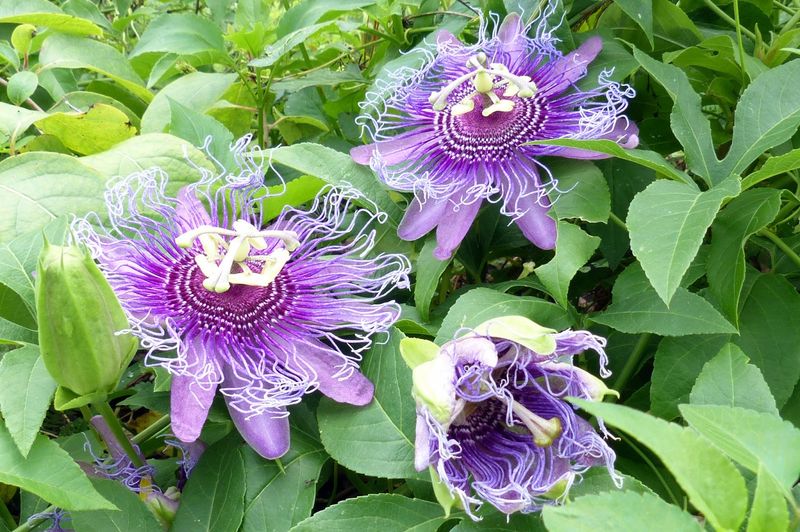
Zebra longwing butterflies look like flying stained glass, but they will not stay in a yard that cannot feed their young. Adult butterflies sip nectar from many flowers, yet their caterpillars need passionvine leaves.
In Florida gardens, the right host plants can turn a quick butterfly visit into a full life cycle. Here are seven passionvines that can help keep zebra longwings close to home.
1. Corkystem Passionflower
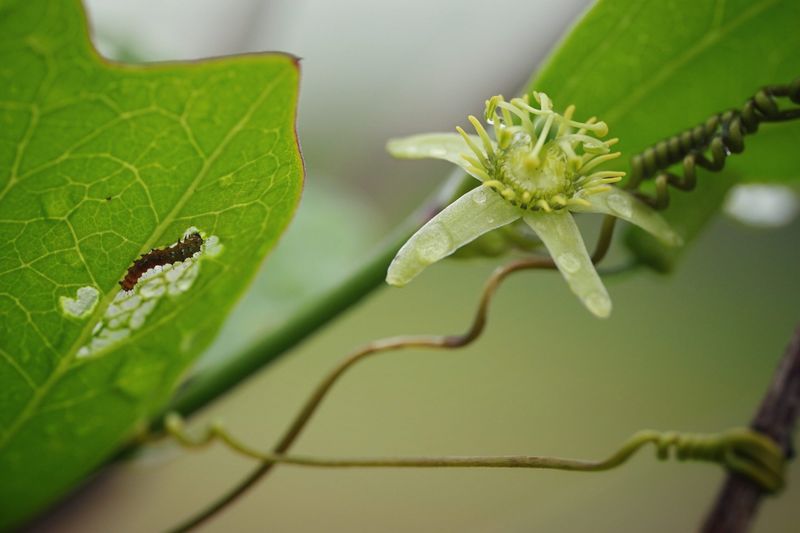
A tiny flower can do big work in a Florida butterfly garden, and corkystem passionflower proves it. Its blooms are small and easy to miss, but zebra longwing caterpillars notice the leaves right away.
Passiflora suberosa is one of the most practical host plants for home gardeners because it fits into real yards without taking over a whole fence. It can be trained on a small trellis, allowed to weave through a shrub, or tucked near a woodland edge where it gets part sun.
In sandy Florida soil, it usually appreciates regular moisture while getting established, but it does not need a fussy, high-maintenance bed.
What makes corkystem different is its garden-friendly scale. Many passionvines become bold and sprawling, while this one often stays finer textured and easier to guide.
The small purple-black fruits also feed birds, so the plant supports more than one kind of backyard wildlife.
If your goal is steady zebra longwing activity, plant more than one vine if space allows. Caterpillars can strip leaves quickly, and that is not failure, it means the plant is doing its job.
Give it a safe spot away from pesticide drift, and it can become the quiet engine of your butterfly patch.
2. Yellow Passionflower
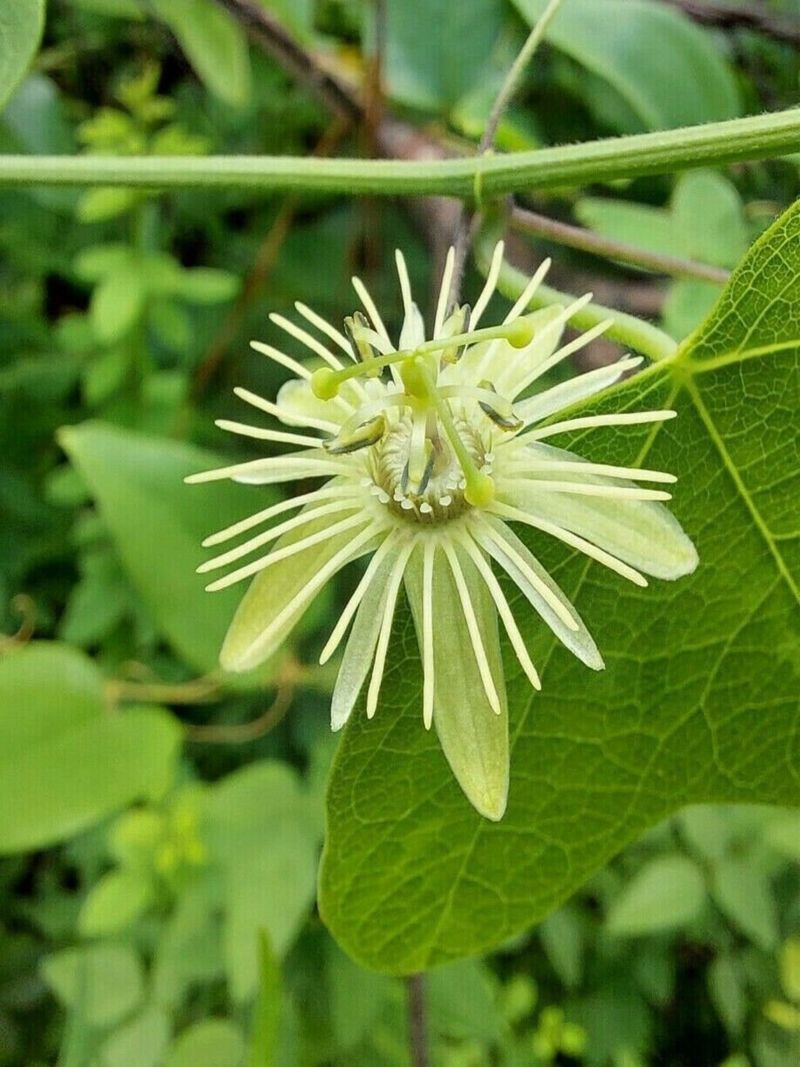
Gardeners with shadier yards often feel left out of butterfly planting, but yellow passionflower gives them a real option. It is a softer, woodland-style vine that can handle the bright shade and part shade found along fences, under open trees, and beside natural areas.
Passiflora lutea is native to much of the eastern United States, including parts of the Southeast, and it has a quieter look than showy purple passionflowers. The flowers are pale yellow-green, not flashy, but the plant earns its place by feeding zebra longwing caterpillars and blending nicely into native beds.
For Florida gardeners, that low-key habit can be a blessing in mixed plantings where bold vines might overwhelm smaller plants.
Its special strength is shade tolerance. Many butterfly plants demand strong sun, yet yellow passionflower can help connect a sunny pollinator bed to a more natural backyard edge.
That means more usable habitat in the parts of the yard that often go underplanted.
Use a light hand with cleanup around this vine. If you remove every chewed leaf or wandering stem, you may also remove eggs or young caterpillars.
Let the plant look a little lived-in, and it can quietly support zebra longwings where lawn grass and mulch would offer them nothing.
3. Maypop Passionflower
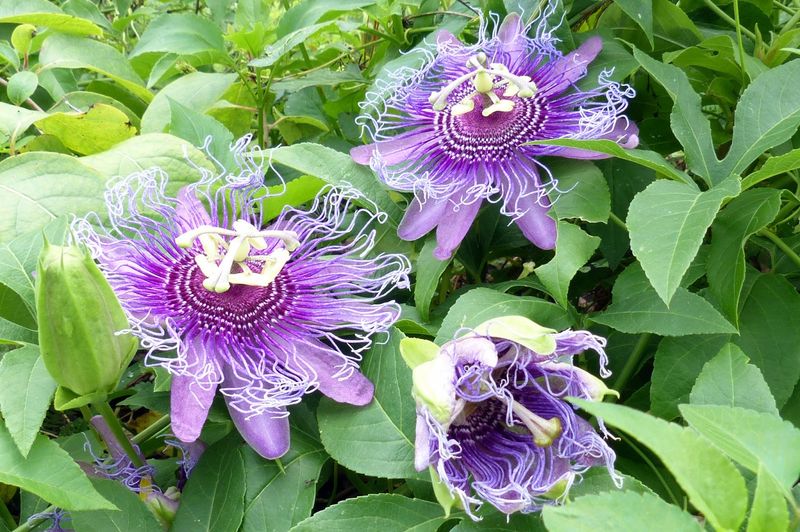
If you want a host plant that looks like it belongs on a garden tour, maypop is the showstopper. The purple flowers look almost too fancy to be native, with frilly parts that make visitors stop and stare.
Passiflora incarnata is a strong-growing passionvine that works best where it has room to stretch. A sunny fence, arbor, or sturdy trellis is a good fit, especially in a wildlife-focused area where a little chew damage will not bother you.
In Florida’s sandy soil, water it well during establishment, then watch how fast it can cover a support during warm weather.
Maypop stands apart because it gives gardeners both beauty and butterfly value in one plant. Zebra longwing caterpillars feed on the leaves, while the big blooms draw attention from people and pollinators.
The fruit is another bonus, though gardeners should only eat passionfruit from plants they can identify with confidence and know have not been treated with chemicals.
Because maypop can spread by underground runners, place it thoughtfully. It is better near a back fence or wildlife corner than in a tiny formal bed by the front walk.
Give it room, skip broad insecticide sprays, and it can become a lively nursery for zebra longwings.
4. Twoflower Passionflower
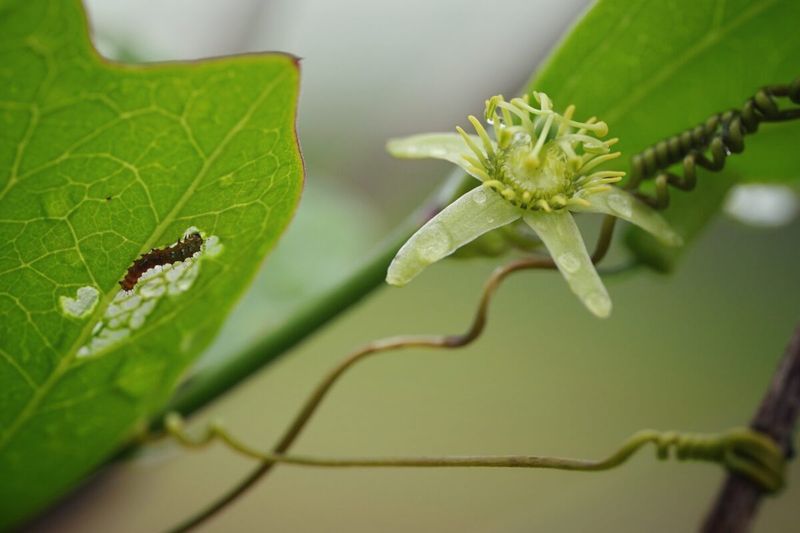
Two blooms at a node give this vine its name, and that small detail makes it feel almost playful. Twoflower passionflower can be a smart pick for gardeners who want a host plant with a lighter, more delicate look than the large-flowered passionvines.
Passiflora biflora is especially useful in warm South Florida-style gardens, where zebra longwings are often active for much of the year. It can climb a trellis, ramble through a hedge, or soften a chain-link fence without looking as heavy as some larger passionvines.
The leaves provide food for zebra longwing caterpillars, which is the key reason to grow it.
Its difference is texture. Instead of shouting from across the yard, it adds movement, small flowers, and a layered habitat feel.
That makes it a good match for gardeners who want butterfly function without turning every bed into a wild tangle.
Before planting, check locally for availability and suitability, since passionvine choices can vary by county and nursery source. Choose plants from reputable native or butterfly-focused nurseries when possible, and avoid buying mystery passionvines with no species name.
A well-labeled plant helps you know what you are feeding to the caterpillars and prevents accidental planting of problem vines.
5. Pale Passionflower
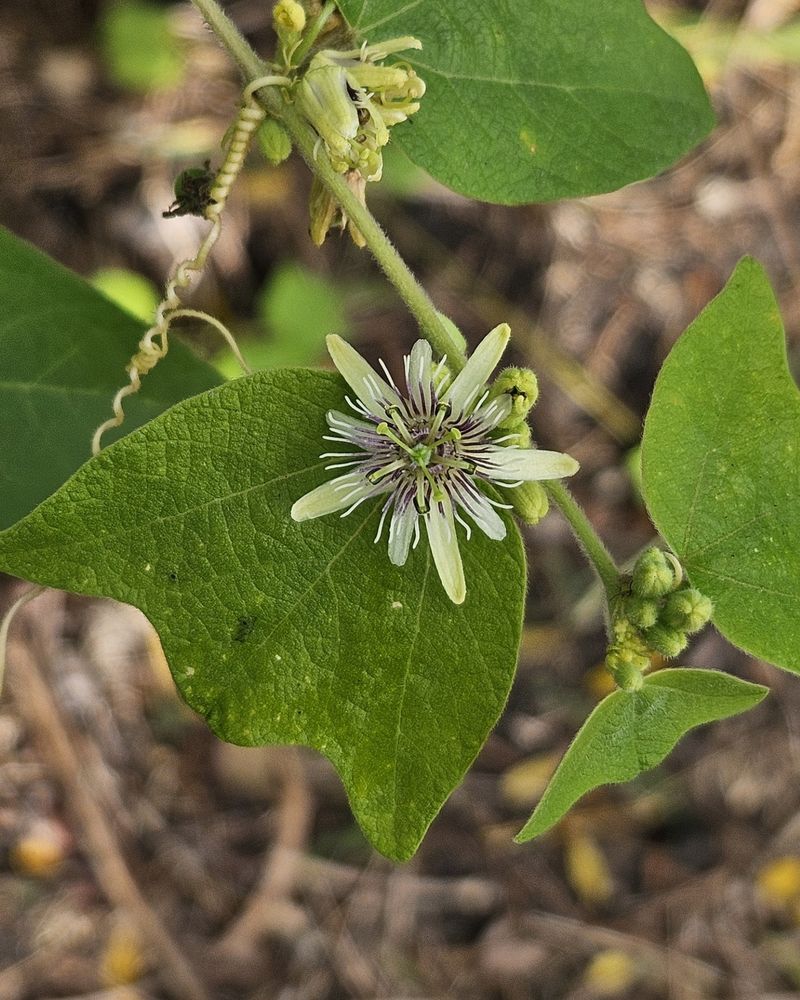
Some host plants are not easy to find at big-box garden centers, and pale passionflower is one of those treasure-hunt plants. For gardeners who enjoy building a more local, Florida-aware habitat, that rarity is part of the appeal.
Passiflora pallens is associated with South Florida and subtropical conditions, making it most relevant for gardeners in frost-free or nearly frost-free areas. Its pale flowers are modest compared with maypop, but zebra longwings are not judging by flower size.
They need suitable leaves for eggs and caterpillars, and this plant can help fill that role in the right setting.
The reason pale passionflower deserves a place on this list is regional fit. Florida is not one single garden zone, and South Florida yards often need different plant choices than North Florida landscapes.
A vine adapted to warmer, more tropical conditions can keep habitat going where cold-hardy maypop may not be the most natural-looking choice.
Use it in a protected spot with a support it can climb, such as a small fence panel or open shrub. Ask a native plant nursery or local extension office about its suitability for your county before planting.
When matched to the right site, it can add host-plant diversity that keeps zebra longwings from depending on only one vine.
6. Stinking Passionflower
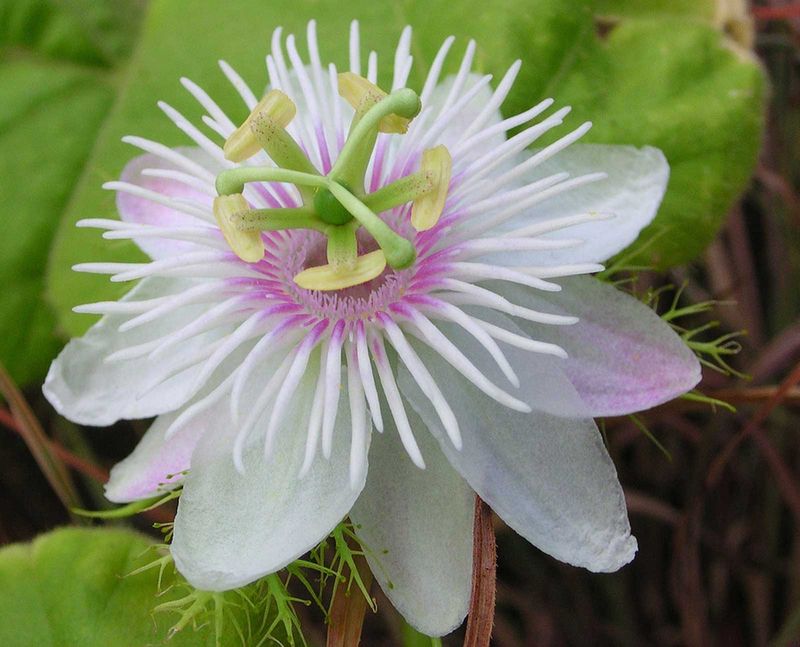
The name may make you laugh, but stinking passionflower is more useful than its label suggests. Crush the foliage and you may notice the scent that inspired the common name, yet in the garden it can be a lively host plant for zebra longwings.
Passiflora foetida has a wild, slightly quirky look, with finely divided bracts around the buds and fruit. In warm parts of Florida, it may grow quickly during the long growing season, especially in sunny, open areas.
Caterpillars can feed on the leaves, while the unusual flowers and fruit add a bit of conversation-starting charm.
Its main advantage is toughness. In a yard with sandy soil, heat, and imperfect irrigation, delicate plants can struggle, but this vine often has a scrappy nature.
That can be helpful for gardeners who want butterfly habitat in less formal corners, near a back fence, or along the edge of a wildlife area.
Be sensible with placement, since fast-growing passionvines can reseed or wander in favorable conditions. Keep it where you can monitor seedlings, and check local guidance if you garden near natural areas.
Managed well, stinking passionflower can be the oddball plant that earns its keep by feeding the next generation of zebra longwings.
7. White Passionflower
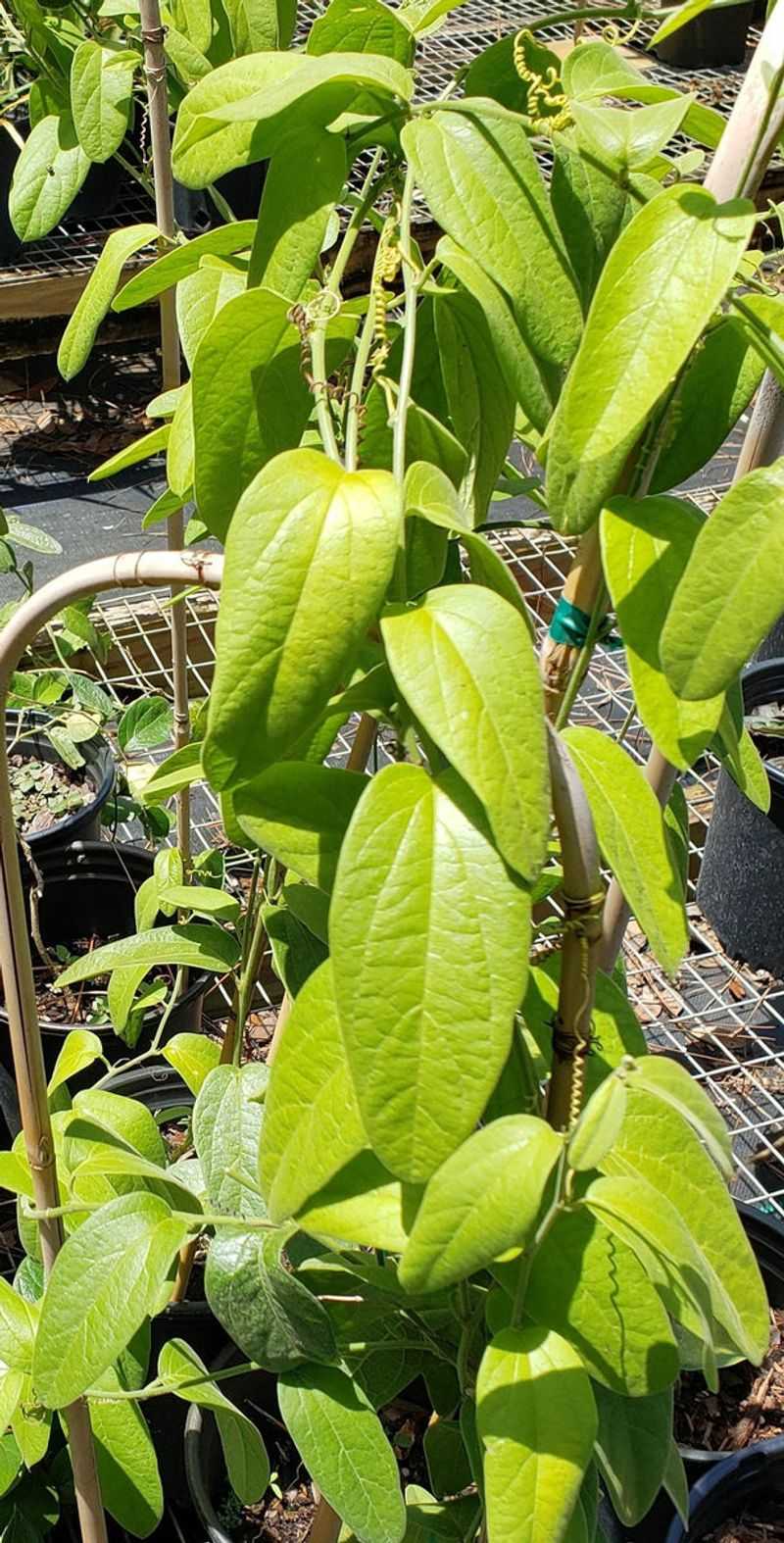
A cloud of small white flowers can brighten a butterfly garden without stealing the whole scene. White passionflower brings that airy look while still offering the leaf food zebra longwing caterpillars need.
Passiflora multiflora is best suited to warm, subtropical Florida gardens where it can grow with protection from hard freezes. It is not the bold purple bloom many people picture when they hear passionflower, but that is exactly why it is useful.
The smaller white blooms blend well with native shrubs, grasses, and nectar plants, creating a layered garden that looks natural instead of crowded.
What sets white passionflower apart is its ornamental lightness. It can soften a trellis, screen, or fence while supporting butterfly life in the background.
Pair it with nectar plants such as firebush, tropical sage, or native mistflower so adult zebra longwings have food nearby after they emerge.
A strong butterfly yard works like a small neighborhood. Host plants feed the young, nectar plants feed the adults, and pesticide-free shelter gives them a safer place to rest.
Add white passionflower where the climate fits, and you give zebra longwings one more reason to stay, breed, and return through Florida’s long warm season.