

Nothing ruins a warm summer evening faster than the whine of mosquitoes circling your ankles. The good news is that many of the plants you can tuck into pots and garden beds give off scents these pests would rather avoid. Instead of dousing your yard in chemical sprays, you can grow a living barrier that smells wonderful to you and awful to them. Here are ten fragrant plants that may help keep your backyard calmer and itch-free this season.
1. Citronella Grass
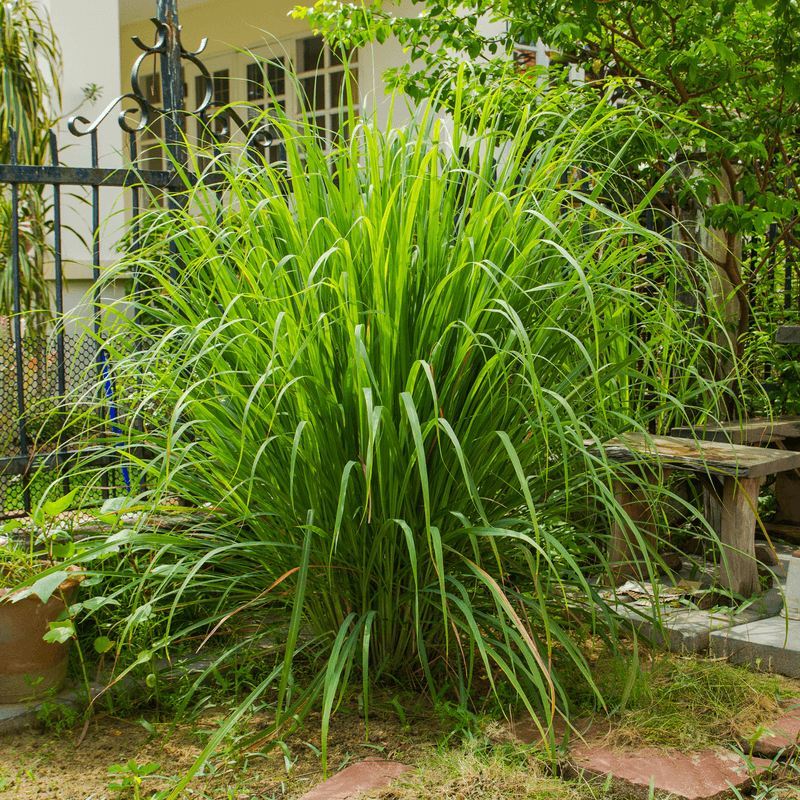
Ask almost anyone about mosquito plants and citronella grass gets named first, and for good reason. The oil packed inside its long, arching blades is the same ingredient found in those familiar backyard candles and torches.
When the leaves are brushed or crushed, they release a strong lemony scent that can mask the human smells mosquitoes track. That masking effect is where the real value lives, since bugs struggle to find you when your cues are hidden.
Give it full sun and warm temperatures, and this tropical clumping grass will shoot up several feet tall by midsummer. In cooler US zones, grow it in a large pot so you can drag it indoors before the first frost.
Keep in mind that simply owning the plant does not create a force field. Rubbing a few leaves between your hands and dabbing the oil on your skin often works better than letting it sit untouched.
Fun fact: the citronella sold in candles usually comes from this grass, not from the scented geranium many stores mislabel as citronella.
2. Lavender

Beloved for its calming purple spikes, lavender does double duty as a quiet mosquito deterrent. People adore the perfume drifting off its flowers, but that same sweet-herbal oil tends to confuse and repel biting insects.
The magic sits in compounds like linalool, which the plant produces to protect itself. Those oils can interfere with a mosquito’s ability to zero in on a target, so a border of lavender near seating areas may reduce how many land nearby.
Sun-loving and drought-tolerant, lavender thrives in dry, well-drained soil and actually sulks when overwatered. That toughness makes it a forgiving choice for busy gardeners who forget the hose.
Plant it along walkways where legs and hands will brush the stems, releasing more scent into the air. You can also snip dried bundles and hang them near doorways or windows for extra coverage.
A little history: ancient Romans tossed lavender into their baths, and the name traces back to the Latin word for washing. Turns out the flower has been fighting off unwanted company for a very long time.
3. Marigolds
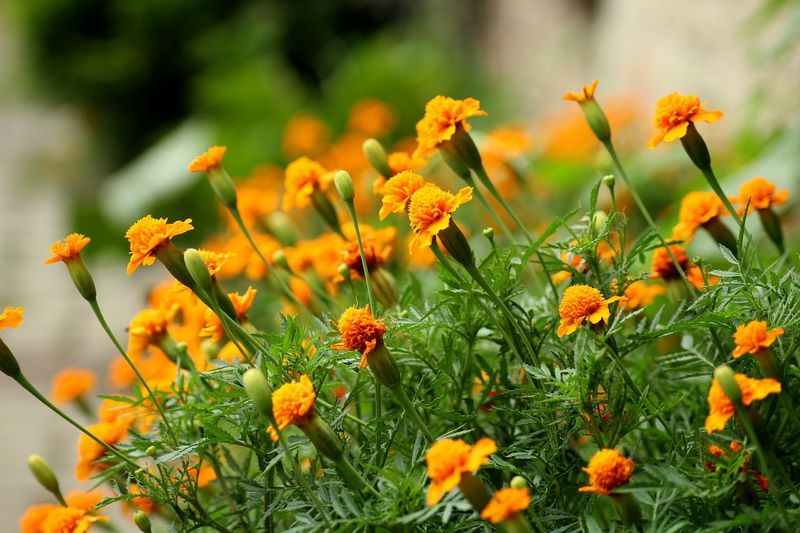
Cheerful and almost impossible to kill, marigolds bring more than color to a summer bed. Their slightly pungent, spicy scent is one many gardeners either love or find sharp, and mosquitoes clearly land on the dislike side.
These blooms contain pyrethrum, a natural compound used in plenty of commercial insect products. Because of that, a ring of marigolds around a patio or vegetable patch can help discourage mosquitoes along with aphids and other common pests.
They ask very little in return. Full sun, occasional water, and the odd deadheading keep them flowering from late spring straight through the first frost.
Try lining them in bright pots near doors and windows, the exact spots where bugs like to sneak indoors. Their compact size makes them ideal for edging where taller plants would look awkward.
Vegetable growers have leaned on marigolds for generations as companion plants, tucking them between tomatoes to guard the whole row. So while they battle mosquitoes overhead, they may quietly protect the harvest below at the same time.
4. Basil
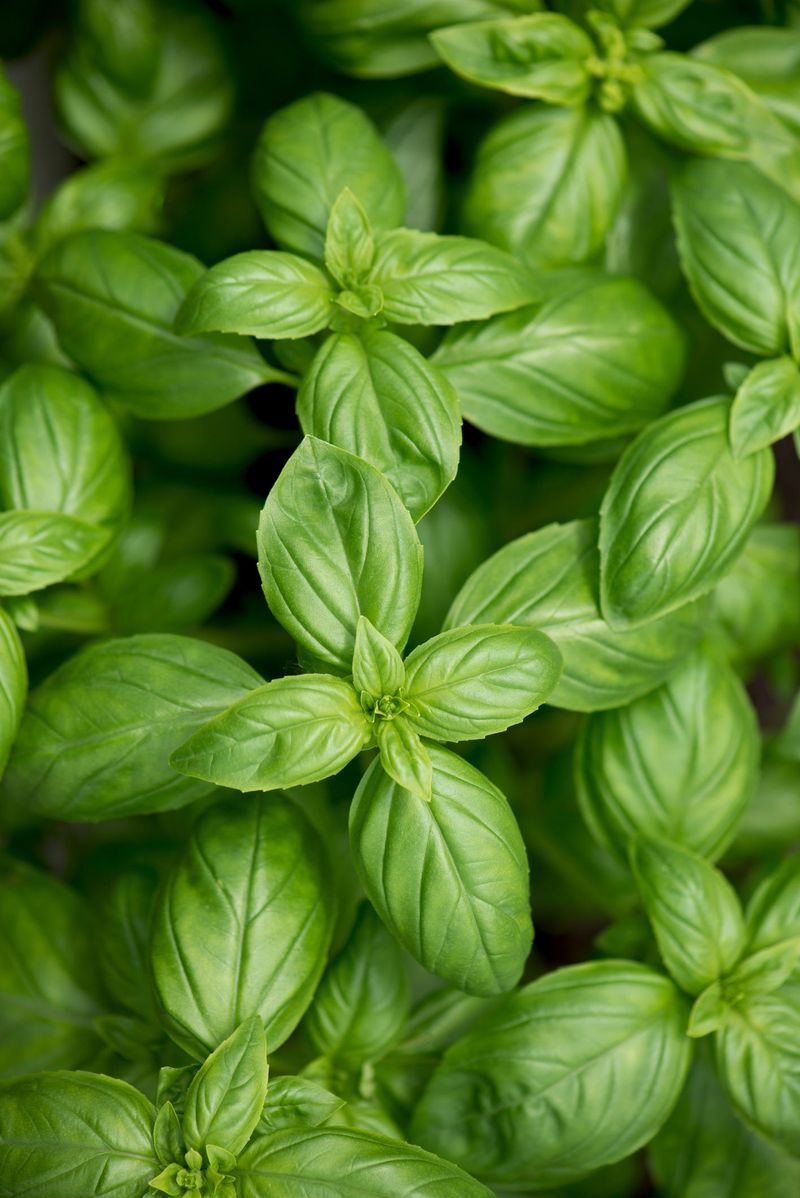
Fresh basil earns its spot on the windowsill for pesto, but the same leaves that flavor dinner also send mosquitoes packing. Unlike most herbs, basil does not even need crushing to release its aroma, giving off scent on its own.
The essential oils in the leaves, especially in lemon and cinnamon varieties, carry compounds that insects find offensive. Setting a few pots near seating or the grill may help thin out the crowd during evening meals outside.
Warmth and sunshine are non-negotiable for happy basil, so give it at least six hours of light and steady moisture. Pinch the tops regularly to keep the plant bushy and to prevent it from bolting into flower too soon.
Because it earns its keep in the kitchen too, basil is one of the most practical picks on this list. You get seasoning, greenery, and a bit of bug defense from a single pot.
Curious twist: rubbing a bruised basil leaf across your skin is an old folk trick some swear soothes existing itchy bites while masking your scent.
5. Rosemary
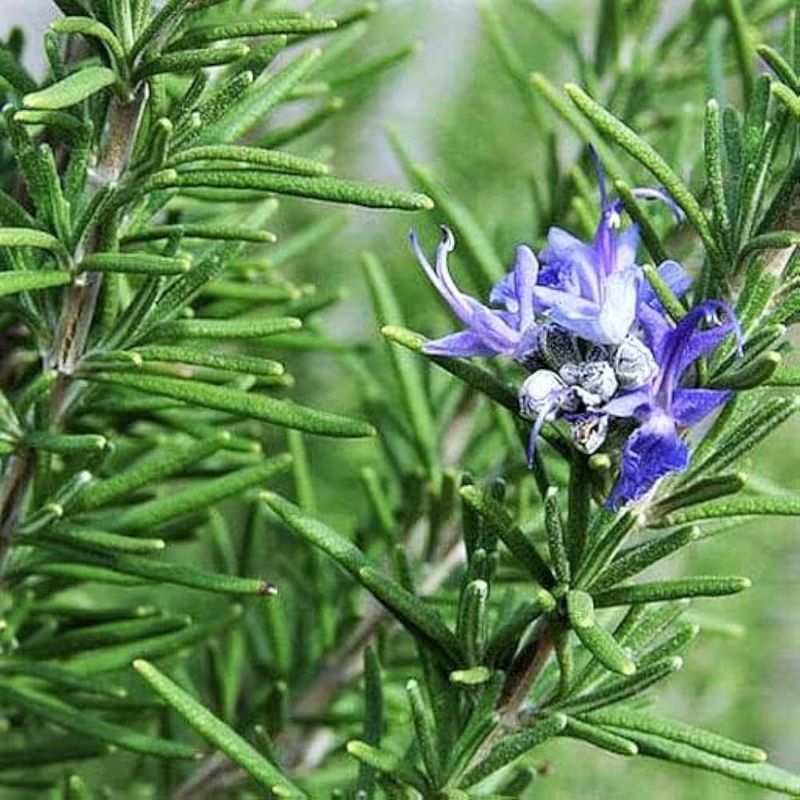
Woody, resinous, and rugged, rosemary handles the toughest corners of a summer yard while quietly keeping bugs at bay. Its piney fragrance smells like a Mediterranean hillside to us and like a warning sign to mosquitoes.
Toss a sprig onto hot grill coals and the smoke thickens the effect, filling the air with an aroma that can help clear a patio of hovering pests. That trick makes rosemary a favorite for cookouts and backyard gatherings.
Heat and drought barely faze it, and it actually prefers lean, sandy soil over rich, wet ground. Grow it in pots if your winters turn harsh, then bring it inside once the cold arrives.
Beyond mosquito duty, the needles season roasted potatoes, chicken, and bread with almost no effort from the cook. Few plants pull triple duty as ornament, herb, and repellent quite this smoothly.
Historically, folks burned rosemary in sickrooms believing the smoke purified the air. Modern science is more measured, but the smoke still does a decent job of nudging biting insects elsewhere.
6. Lemon Balm
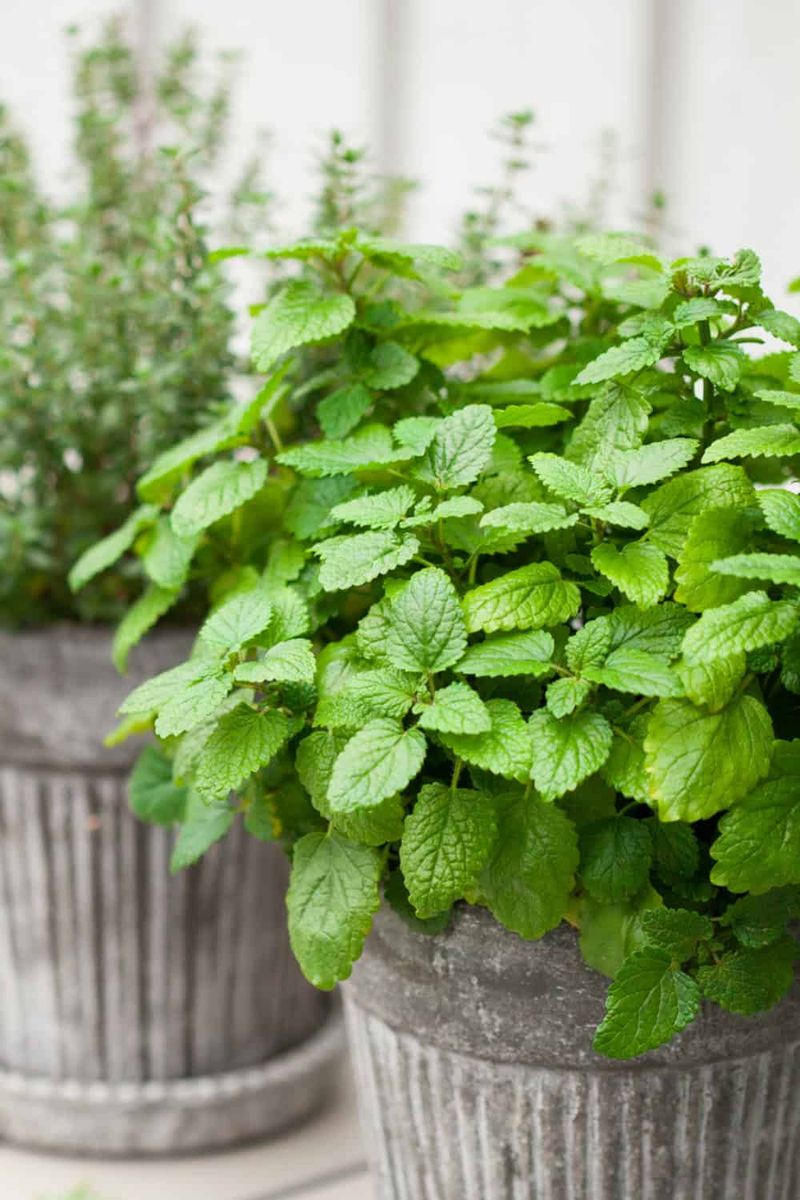
Part of the mint family and just as eager to grow, lemon balm floods the air with a bright citrus scent the moment you touch it. Mosquitoes tend to steer clear of that lemony punch, which comes from the same citronellal found in fancier repellent plants.
Rub a handful of the soft, crinkled leaves and press them against your arms or legs for a quick, natural on-skin barrier. The effect fades over time, so reapplying the crushed leaves throughout the evening works best.
Shade or sun both suit it fine, and it shrugs off neglect like the vigorous herb it is. That enthusiasm can turn into a problem, though, since lemon balm spreads fast and may take over a bed.
To keep it in line, grow it in a container or a buried pot where the roots cannot roam. You will still get the fragrance without surrendering your whole garden to it.
Bonus perk: the leaves steep into a mellow, calming tea, so the plant that guards your evening can also help you unwind after it.
7. Catnip
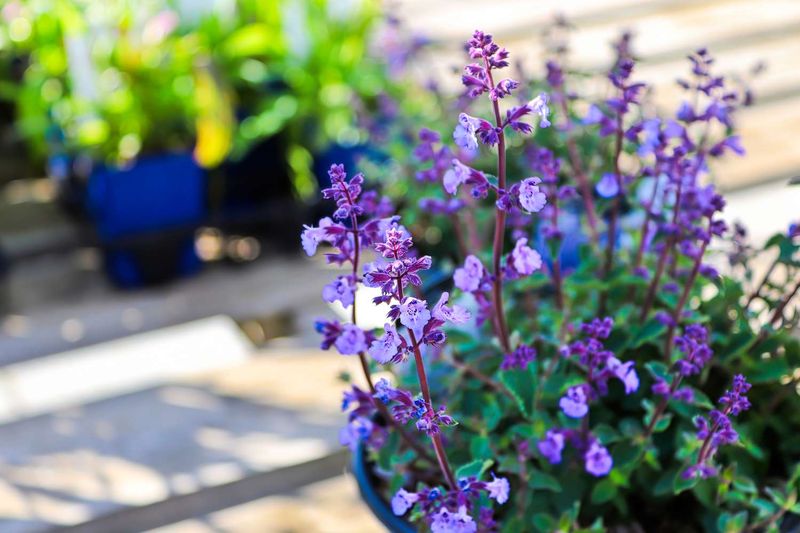
Your cat may go wild for it, but mosquitoes react in the opposite direction. Research from a university lab famously found the oil in catnip more effective at repelling mosquitoes than the standard chemical in many store-bought sprays.
Nepetalactone, the compound behind the buzz, seems to overwhelm the pests and drive them away from treated areas. That surprising strength earns catnip a spot near the top of any serious plant list.
A member of the mint family, it grows quickly, tolerates poor soil, and comes back year after year in most US zones. Give it a sunny to partly shaded spot and it will practically raise itself.
Because it spreads aggressively, planting it in pots keeps the sprawl under control. Positioning those pots around lounging spots may help create a calmer, less bitey zone.
One playful warning: growing catnip could turn your yard into the neighborhood cat hangout, so expect a few furry visitors rolling in the greenery. If you love cats, that is a feature rather than a flaw.
8. Scented Geraniums (Citrosa)
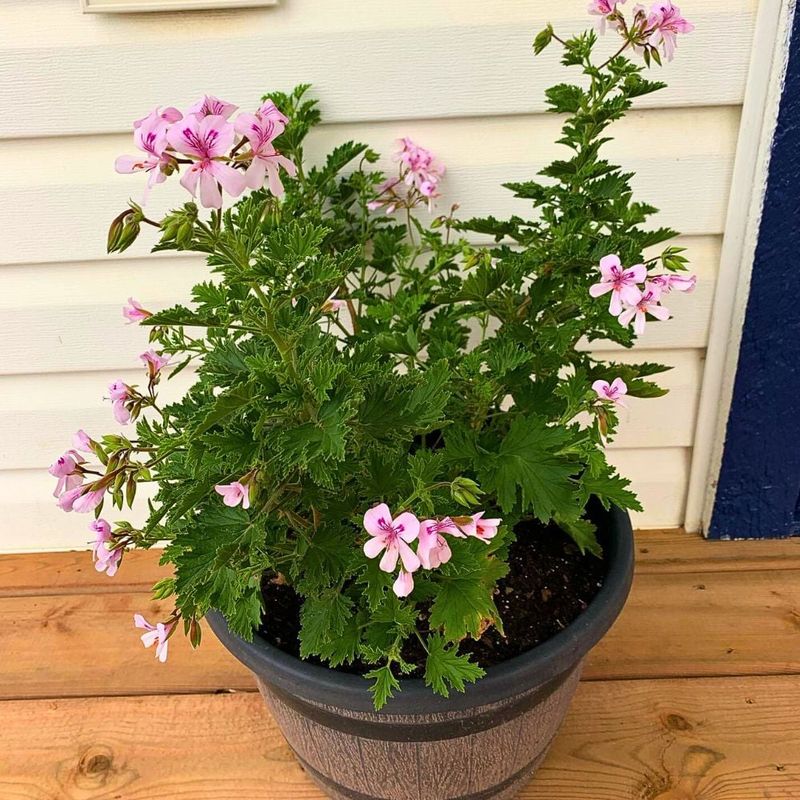
Sold in many stores as the mosquito plant, scented geraniums blend the look of a pretty bloomer with a lemony, citronella-like aroma. Their frilly leaves are where the fragrance hides, and crushing them releases the strongest hit.
The plant was bred to combine geranium hardiness with citronella scent, so it offers ornamental color and a possible repelling effect in one tidy package. Pink and lavender flowers keep the container looking cheerful all season.
Sun and well-drained soil keep it happy, and regular pinching encourages a fuller, leafier shape. In colder regions it overwinters nicely indoors on a bright windowsill.
Manage expectations, though, because merely setting the pot on a table does little on its own. The scent needs to be actively released, so brush or bruise the foliage near where you sit for any real benefit.
A word of honesty here: studies on this particular plant are mixed, and some found little effect from the intact leaves. Treat it as a fragrant, attractive helper rather than a guaranteed shield.
9. Peppermint
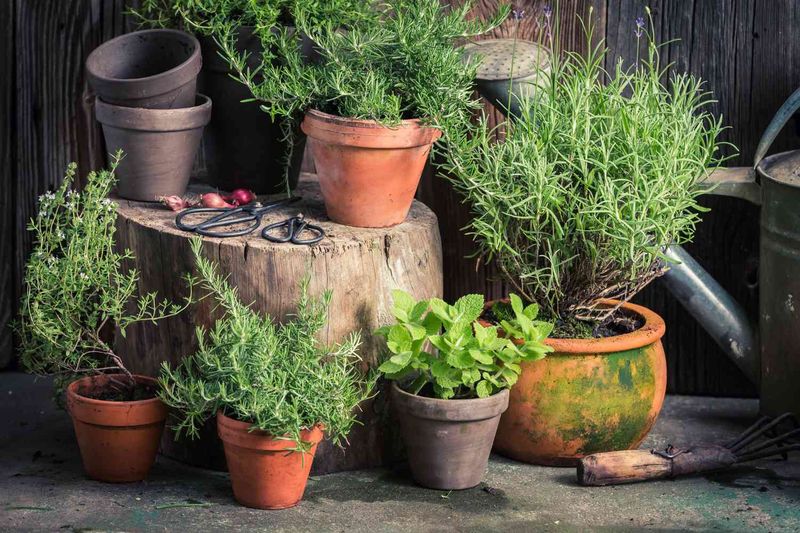
Cool, sharp, and unmistakable, peppermint delivers a scent that humans find refreshing and mosquitoes find repellent. The menthol pouring off its leaves is the very thing that makes bugs turn tail.
Beyond keeping mosquitoes away, crushed peppermint leaves rubbed on the skin may ease the itch and sting of bites you already have. That two-way usefulness makes it a handy plant to have within arm’s reach.
Like its mint relatives, peppermint grows with almost reckless energy and spreads through underground runners. Corral it in a pot unless you want it colonizing the entire yard by August.
It tolerates partial shade, which sets it apart from many sun-hungry repellents on this list, so shady patios finally get a plant that fits. Keep the soil damp and it will reward you with endless leaves.
Those same leaves brighten iced tea, lemonade, and desserts, so the plant guarding your porch can flavor the drink in your hand. Few repellents feel this rewarding to grow.
10. Lemongrass
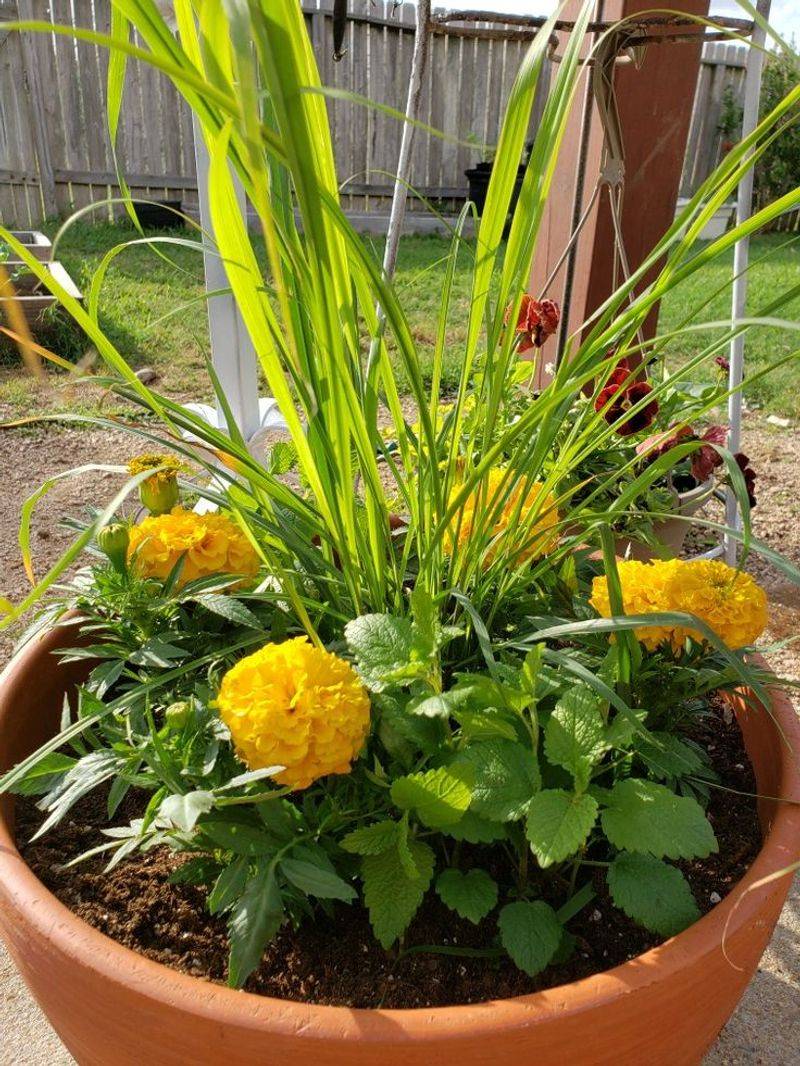
Fragrant enough to flavor entire cuisines, lemongrass also happens to be a mosquito’s least favorite neighbor. It contains high levels of citronella oil, arguably in a more concentrated form than the ornamental citronella grass it resembles.
That potent lemony oil can help mask the odors mosquitoes hunt by, making a stand of lemongrass a smart edge for a deck or seating nook. Tall, feathery, and tropical-looking, it adds height and movement to a summer landscape.
Full sun and warm weather are essential, since this is a heat lover that resents cold snaps. Gardeners in cooler US zones should grow it in a big pot and shelter it indoors once temperatures drop.
Snip the fresh stalks for soups, curries, and teas, and you get culinary value alongside the pest defense. Bruising or cutting the leaves releases the oils most effectively into the air around you.
Interesting note: the citronella oil in commercial candles is often distilled from lemongrass relatives, so growing the real thing brings that classic outdoor scent straight to your yard.