
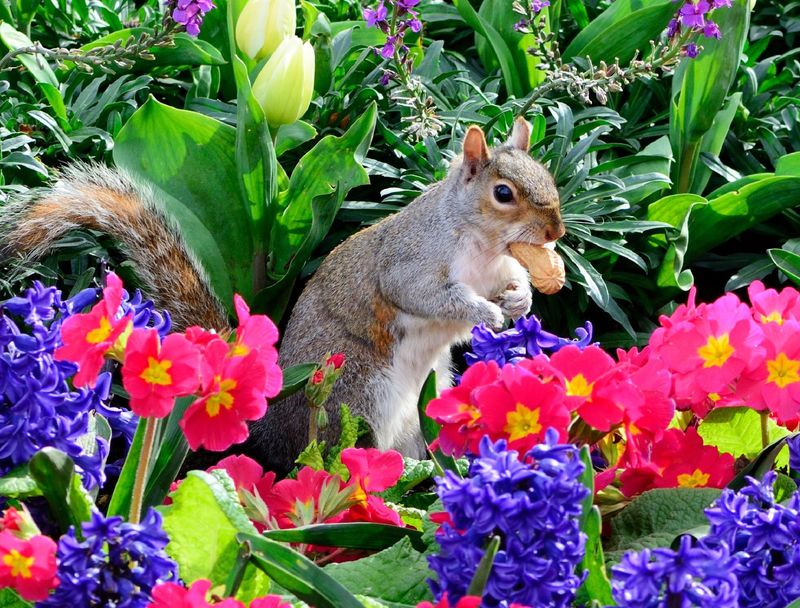
Squirrels can turn a tidy garden bed into a dug-up mess almost overnight, snatching bulbs and nibbling tender shoots while you watch in frustration. The good news is that certain plants give off smells and textures these furry raiders would rather avoid. By tucking a few of these into the spots where squirrels keep causing trouble, you can nudge them toward the neighbor’s yard instead. Here are 13 plants that may help you take your beds back without traps or chemicals.
1. Daffodils
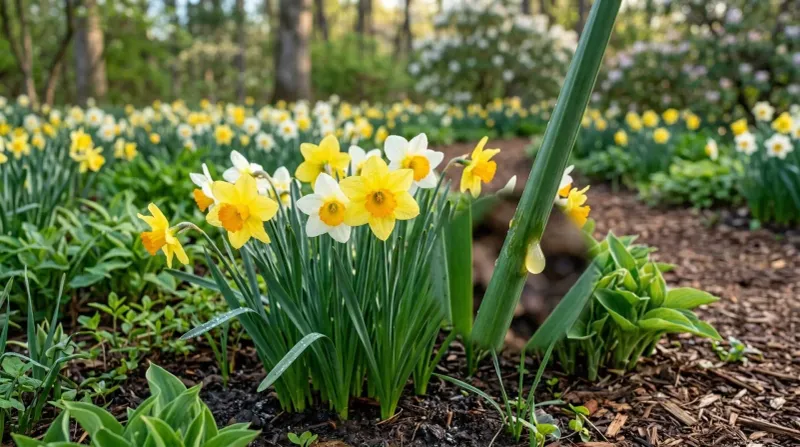
Bright and cheerful in early spring, daffodils carry a secret weapon that squirrels genuinely dislike. Their bulbs contain lycorine, a bitter compound that tastes awful and can make animals sick, so most squirrels learn to leave them completely alone.
Gardeners who lose tulip bulbs every autumn often switch to daffodils for exactly this reason. You can even plant daffodils as a protective ring around bulbs squirrels love, which may help shield the tastier treasures underneath from being dug up.
They ask very little in return. Plant the bulbs in fall, give them decent drainage, and they will come back year after year with almost no fuss on your part.
Fun bit of history: daffodils have been grown for centuries partly because deer and rodents skip them too, making them a favorite in wildlife-heavy yards. If squirrels keep raiding one particular bed, a generous drift of daffodils along the edge can turn that spot into somewhere they no longer bother to visit.
2. Alliums
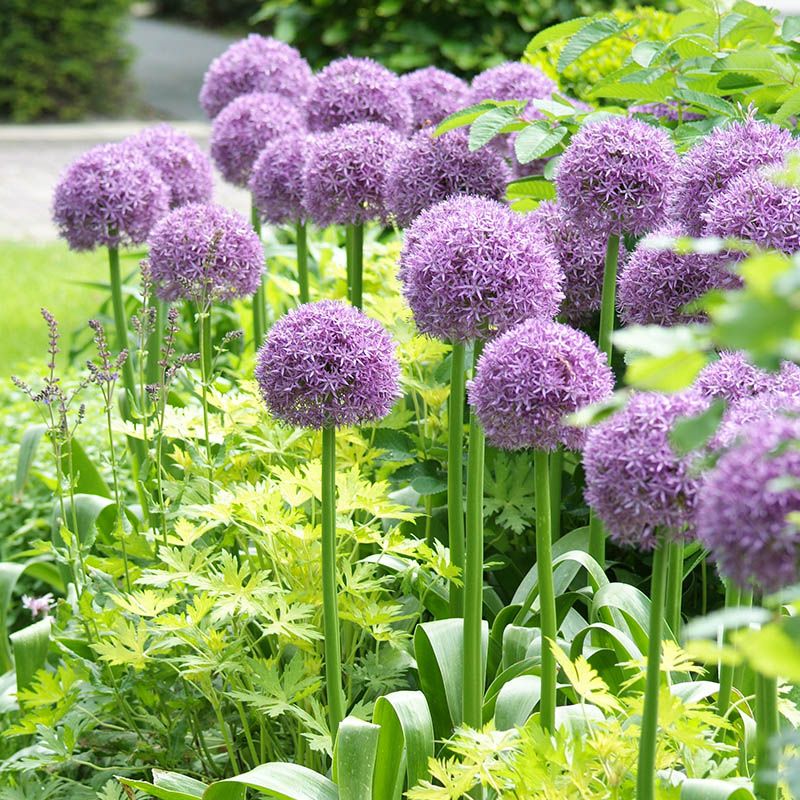
Picture an onion dressed up as a flower, and you have the allium. Those tall purple globes look stunning in a border, but the whole plant carries a strong oniony scent that squirrels find genuinely off-putting.
Because they belong to the onion family, alliums share that sharp smell in their bulbs, stems, and leaves. Rodents rely heavily on their noses, and this pungent aroma often sends them looking elsewhere for an easier snack.
Practical gardeners love using alliums as living guards. Scatter them among tulips or crocuses, and the smell may help mask the sweeter bulbs nearby that squirrels would otherwise dig straight up.
They handle sun well, tolerate dry spells, and rarely need babying once established. The blooms also draw in bees and butterflies, so you get pollinators while the squirrels stay away.
A quick tip worth trying: plant alliums in clusters rather than singles. A concentrated patch pushes out more scent and creates a stronger barrier around the beds squirrels keep targeting.
3. Marigolds
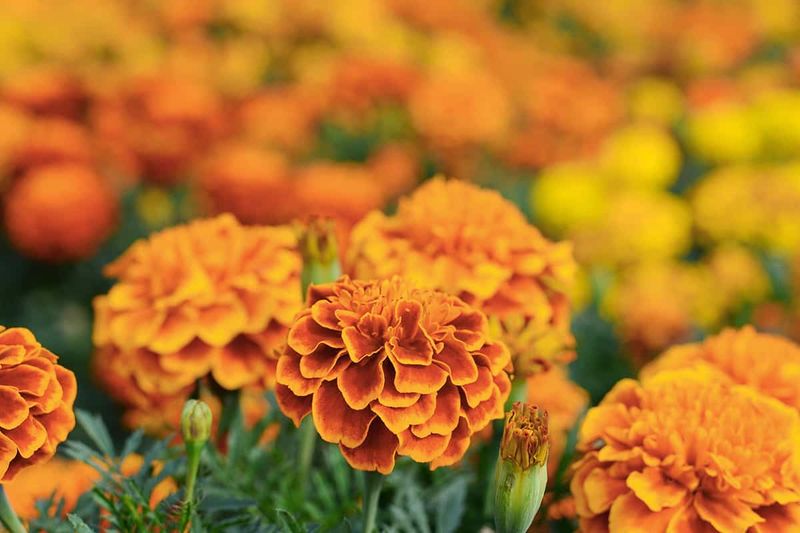
Few flowers work as hard as the humble marigold. Their spicy, slightly musky scent is beloved by gardeners but tends to irritate the sensitive noses of squirrels and plenty of other backyard pests.
Marigolds earn their place because they defend a wide area rather than just one bulb. Ring them around vegetable beds or tuck them between rows, and their aroma may help keep curious critters from settling in to feast.
They bloom nonstop from late spring until frost, giving you months of orange and gold color while doing their protective work. Even better, they cost almost nothing since a single packet of seeds produces dozens of plants.
Did you know? Farmers have long planted marigolds near crops to discourage nematodes and browsing animals, a trick that still holds up in home gardens today.
For the best results, plant them thickly along the front edge of any bed squirrels raid. A dense, fragrant border sends a clear message that this particular buffet is closed.
4. Hyacinths
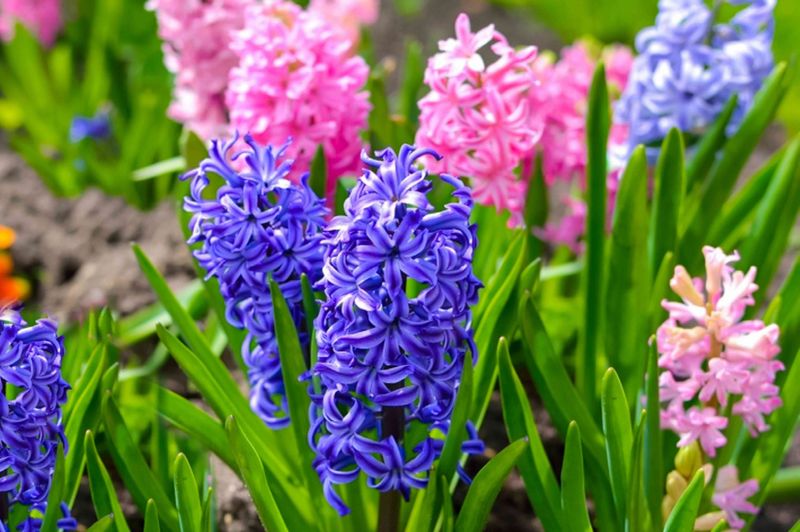
Sweetly perfumed to us, hyacinths give off a fragrance that squirrels seem to find overwhelming. Their bulbs also contain compounds that taste bitter and unpleasant, so digging one up rarely turns into a repeat performance.
What sets hyacinths apart is the double defense of smell and taste working together. Squirrels sniff first, and if the scent alone doesn’t drive them off, one bitter bite usually finishes the job.
Plant them in fall alongside daffodils and alliums for a layered spring show that also builds a scent barrier. The blooms come in rich blues, pinks, and whites that brighten up beds just as winter loses its grip.
Handle the bulbs with gloves, since the same substances that bother squirrels can irritate human skin too. It’s a small step that keeps planting day comfortable.
Group them near spots where you’ve spotted fresh digging. A concentrated pocket of hyacinths can turn a favorite raiding zone into an area squirrels choose to skip.
5. Geraniums
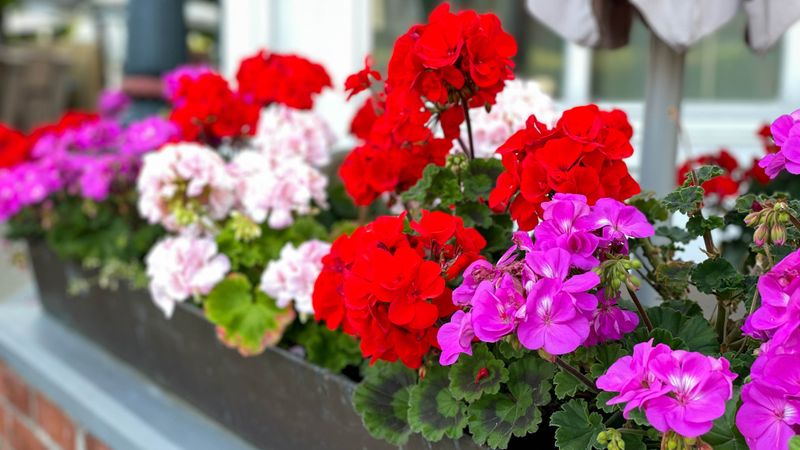
Cheerful on a windowsill or spilling from a border, geraniums pack a surprising amount of squirrel-fighting power. Their leaves release a strong, slightly peppery scent when brushed, and that aroma tends to send small foragers packing.
Unlike bulbs that only protect one season, geraniums keep producing fragrant foliage all summer long. That steady scent makes them a reliable guard for beds that squirrels visit again and again.
They thrive in pots, hanging baskets, and ground borders, giving you flexibility to place them exactly where the raiding happens. Bright red, pink, and white blooms mean the protection never comes at the cost of good looks.
Scented varieties like citronella and rose geraniums pump out even more aroma, which may help boost their deterrent effect around vulnerable plants.
Here’s a practical move: circle a raided tomato pot or flower bed with a few geraniums. The wall of fragrance often discourages squirrels from climbing in while you enjoy months of color on the patio.
6. Fritillaria
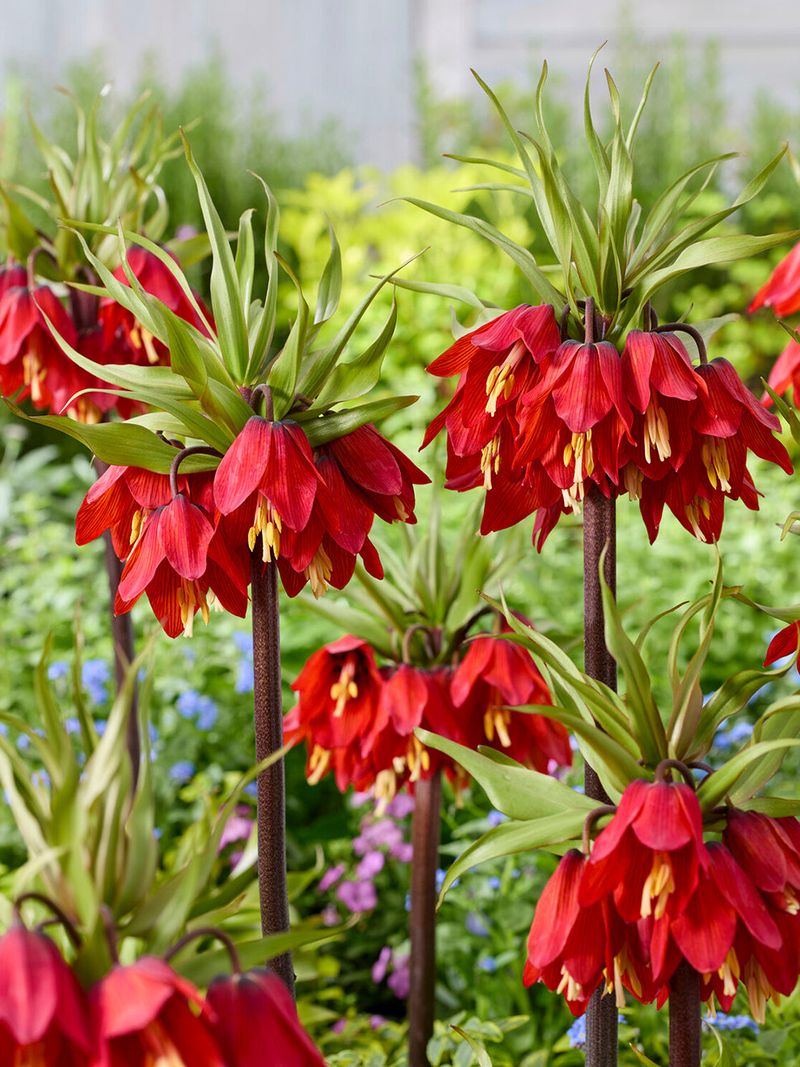
Odd and eye-catching, fritillaria looks like nothing else in the spring garden with its drooping bell-shaped flowers. What makes it special is the smell: the bulbs give off a distinctly skunky, foxy odor that rodents absolutely hate.
Crown imperial fritillaria is the heavyweight of the group, tall and dramatic with a scent strong enough that gardeners sometimes plant it purely as a rodent repellent. Squirrels, voles, and even moles tend to steer clear.
Because the odor travels underground, fritillaria may help protect neighboring bulbs from being tunneled toward and eaten. Planting a few among your tulips creates an invisible smelly shield beneath the soil.
The blooms range from fiery orange crowns to delicate checkered purple bells, so you get a conversation piece along with the protection.
One heads-up: that same funky smell is noticeable to people up close, so plant it a step away from seating areas. Tuck it into the middle of raided beds where its scent can spread out and keep the diggers guessing.
7. Lavender
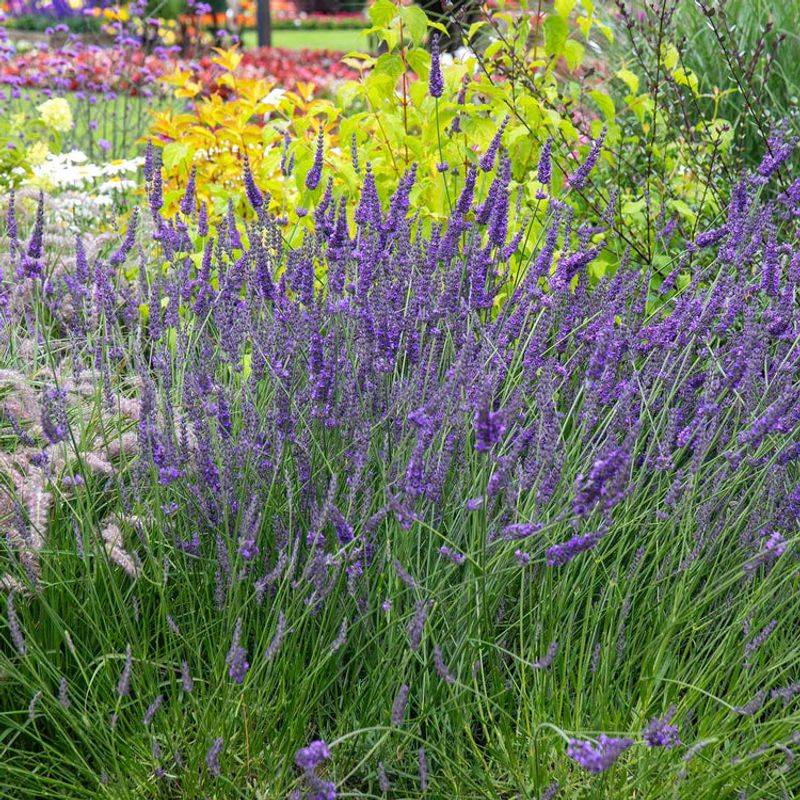
Calming to humans and prized in sachets, lavender does double duty as a soft-spoken bodyguard for your beds. Its powerful floral-herbal scent, so pleasant to us, tends to overwhelm and repel squirrels who prefer their surroundings odor-free.
Lavender stands out because it protects while barely lifting a finger. Once settled in, it shrugs off drought, laughs at poor soil, and returns bigger each year, all while pumping out fragrance that may help keep raiders at bay.
Line a walkway or edge a raided flower bed with a row of it, and you build a scented fence that also hums with bees. The silvery foliage looks tidy even when the plant isn’t in bloom.
A little history: lavender has guarded gardens and pantries for thousands of years, valued as much for warding off pests as for its perfume.
For strongest results, plant it in full sun with excellent drainage so the oils stay potent. Crushing a few leaves near trouble spots releases an extra burst of the scent squirrels dislike.
8. Peppermint
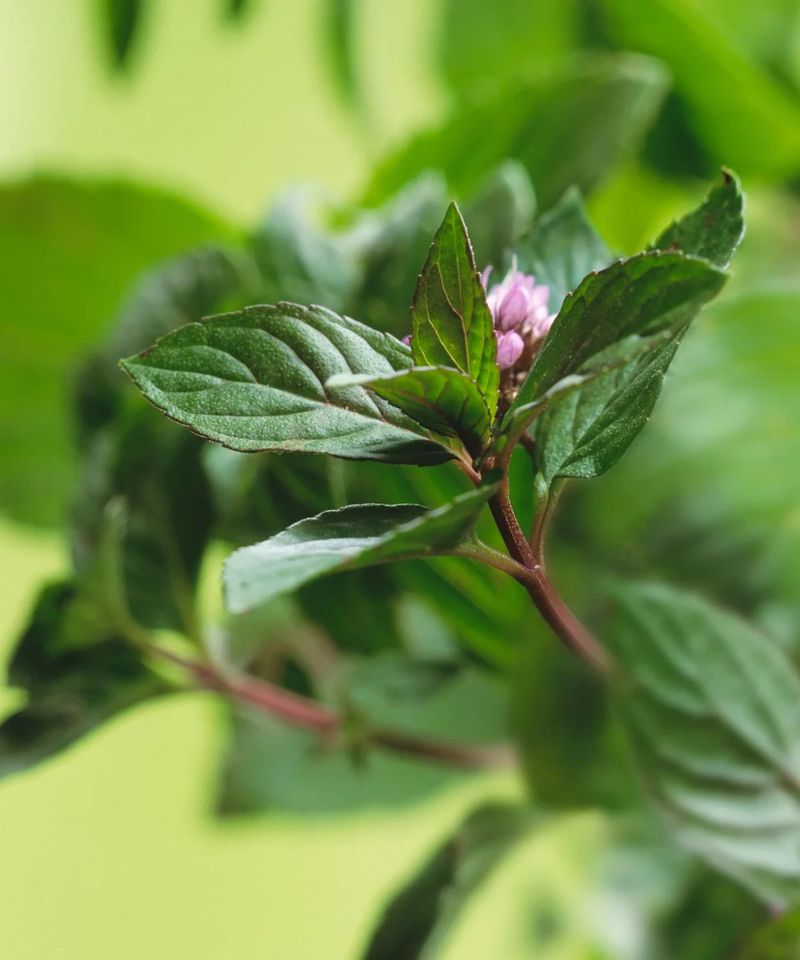
One whiff of a peppermint patch explains its power instantly. That sharp, cooling menthol scent that freshens our breath comes across as harsh and unwelcome to squirrels, making mint a natural border guard.
Mint sets itself apart with sheer spreading energy. It grows so eagerly that a small planting quickly fills in around vulnerable beds, blanketing the area in aroma that may help push foragers elsewhere.
That same vigor is worth watching, though. Plant peppermint in pots or sunken containers so it guards the spot you want without taking over the whole yard.
Beyond squirrels, the scent bothers many other garden pests, and you get a fresh supply of leaves for tea and cooking as a bonus. Few defensive plants pay you back in the kitchen too.
Try this: keep a few potted mints along the edge of a raided bed and give the leaves an occasional pinch. Releasing that fresh burst of menthol refreshes the scent barrier and keeps curious squirrels from settling in for a dig.
9. Snowdrops
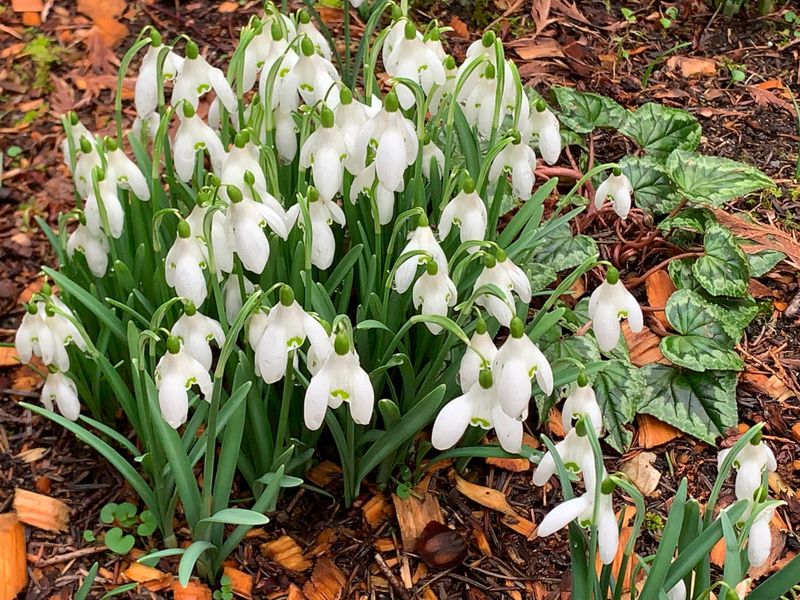
Tiny and delicate, snowdrops push through frozen ground while everything else still sleeps. Beneath that fragile beauty sits a bulb loaded with the same bitter alkaloids found in daffodils, which squirrels quickly learn to avoid.
What earns snowdrops a spot here is their timing. They bloom in late winter and very early spring, precisely when hungry squirrels are digging hardest after a lean season, so their built-in defense arrives right when it matters most.
Plant them in generous drifts under trees or along bed edges, and they will multiply on their own, spreading a protective, unappetizing carpet a little wider each year.
They handle shade and cold with ease, thriving in spots where fussier plants would sulk. That makes them useful for guarding the shadier beds squirrels sometimes target.
A charming detail: gardeners call the enthusiasts who chase rare varieties galanthophiles, a testament to how beloved these little bulbs are. Set them where digging shows up earliest, and they may help protect the whole bed as the season warms.
10. Rosemary
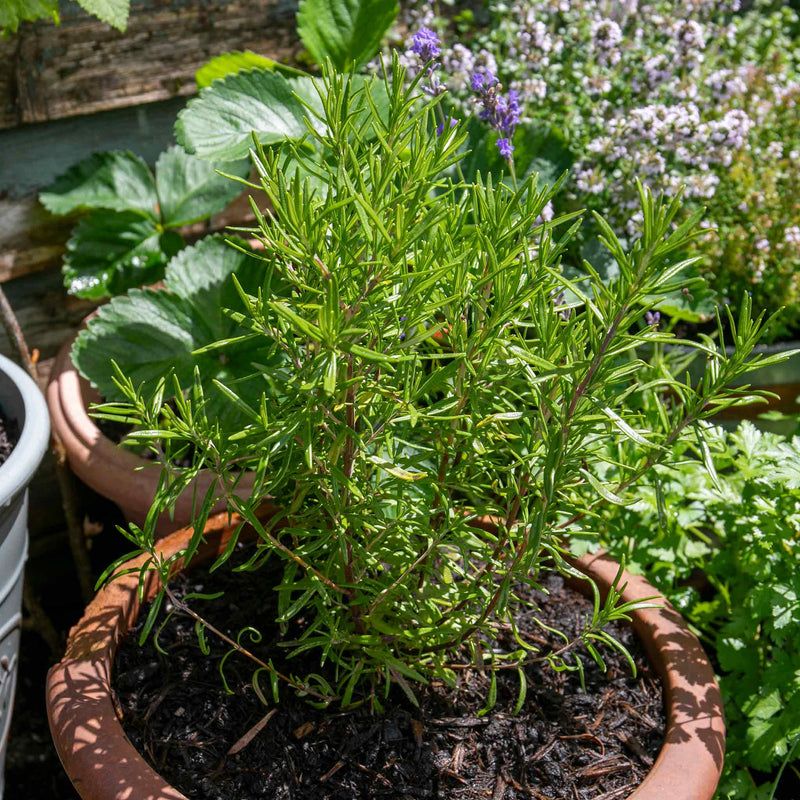
Woody, aromatic, and tough as nails, rosemary brings Mediterranean grit to the fight against garden raiders. Its resinous, pine-like fragrance saturates the air around it, and squirrels generally find that intensity reason enough to move along.
Rosemary distinguishes itself by staying green and scented all year in mild climates, so its protection doesn’t clock out when the flowers fade. A single established shrub can guard a corner of the garden through every season.
Plant it near beds you want defended and let it grow into a fragrant hedge. The needle-like leaves release even more scent when brushed by wind or a passing hand, refreshing the barrier naturally.
You’ll also gain a steady harvest for roasting potatoes and seasoning meats, turning a squirrel deterrent into a pantry staple.
Give it full sun and gritty, well-drained soil, since soggy roots are its main weakness. Positioned around a frequently raided plot, rosemary may help discourage digging while filling the yard with a scent people happen to love.
11. Nasturtiums
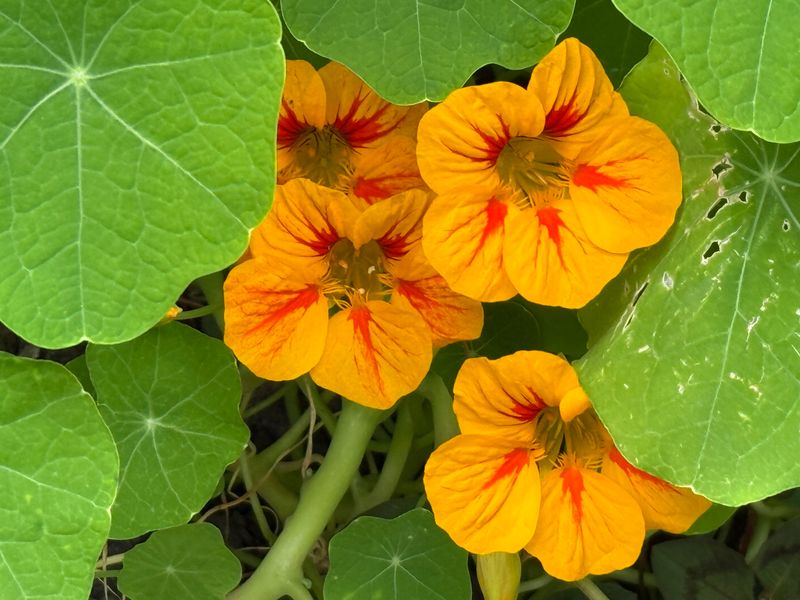
Splashy and edible, nasturtiums bring a peppery bite that goes beyond flavor. The whole plant carries a sharp, mustardy scent and taste that squirrels tend to find unpleasant, so they usually pass it by in search of milder fare.
Nasturtiums stand out for how fast and freely they sprawl. From a single sowing they tumble across the ground and up trellises, covering trouble spots with a peppery blanket that may help keep foragers moving.
They thrive in poor soil where other flowers struggle, which makes them perfect for filling the neglected edges squirrels love to explore. Rich soil actually gives you more leaves and fewer blooms, so a lean bed suits them fine.
Everything above ground is edible too, adding a spicy kick to salads while the plant guards your beds.
Gardeners often use them as a living mulch around vegetables and bulbs. Let them ramble over a raided patch, and their peppery presence can turn an easy target into a spot squirrels would rather skip.
12. Crown Vetch
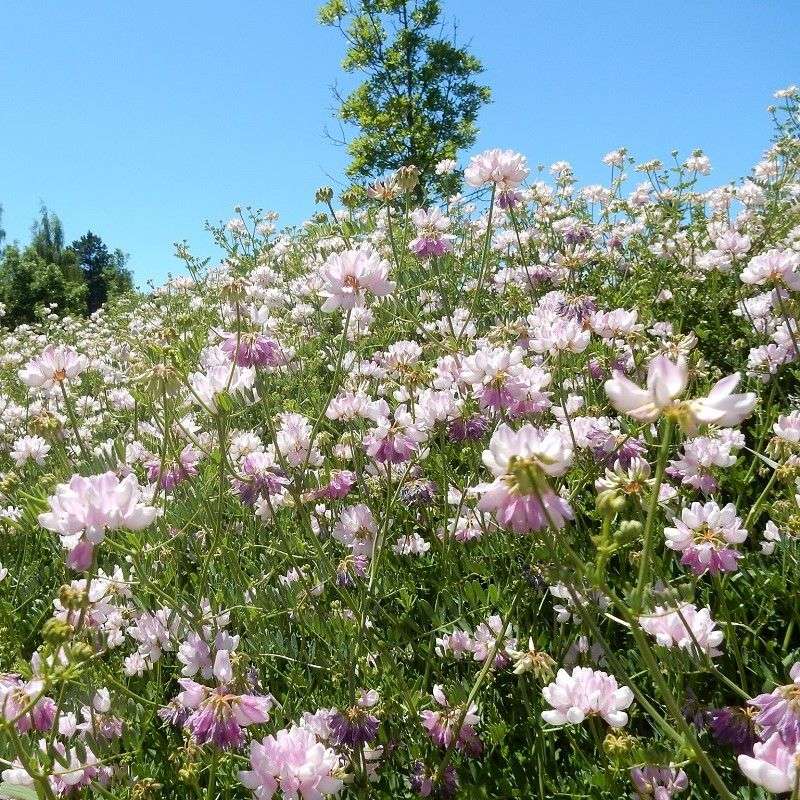
Rugged and sprawling, crown vetch tackles the squirrel problem through sheer coverage rather than a single strong odor. Its dense, tangled mat of foliage makes digging awkward and hides bulbs so thoroughly that raiders often give up and wander off.
What makes crown vetch different is its role as a ground-level barrier. Where scented plants work on a squirrel’s nose, this one works on their paws, physically blocking easy access to the soil below.
It spreads vigorously and holds slopes together, which makes it handy for banks and rough edges where squirrels like to burrow and stash food.
Pretty clusters of pink and white pea-like flowers soften its wild look through summer, so the coverage doesn’t feel like a weed patch.
A word of caution: it spreads aggressively and can escape into wild areas, so keep it contained to spots that need heavy coverage. Used thoughtfully around a heavily raided slope or bed, its thick growth may help frustrate diggers enough to protect what lies beneath.
13. Galanthus and Grape Hyacinth Combo
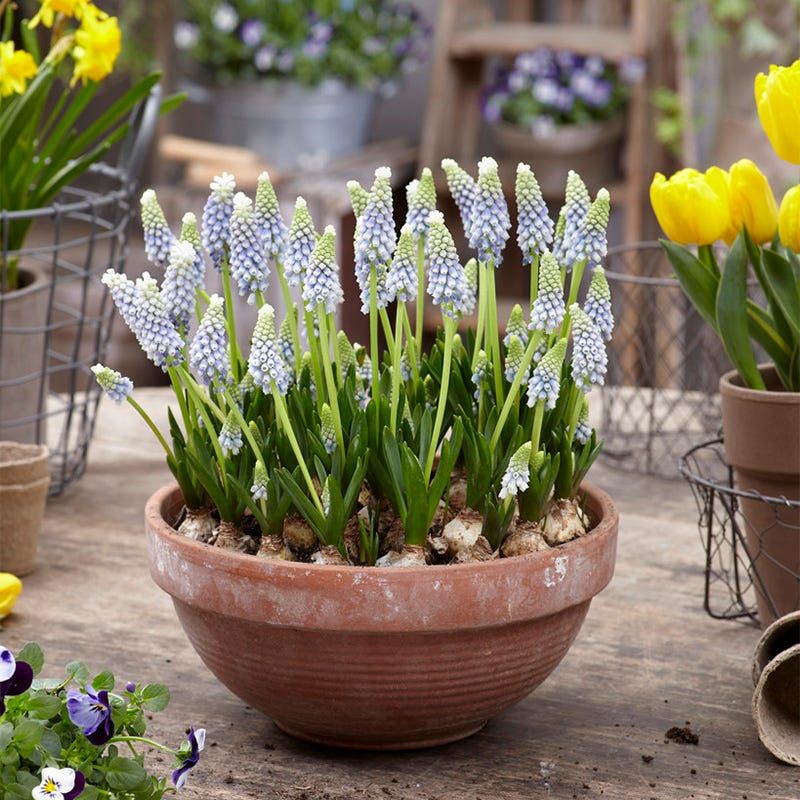
Sometimes the smartest defense is a team effort, and pairing grape hyacinth with early bulbs delivers exactly that. Grape hyacinth, or muscari, carries a faint musky scent and a mildly bitter bulb that squirrels tend to leave alone.
Combining muscari with snowdrops and daffodils earns this pairing its own spot because the layered planting protects across a longer stretch of the season. As one fades, the next takes over, keeping an unappetizing presence in the bed for months.
Muscari multiplies quickly into thick blue drifts, filling gaps where bare soil would otherwise tempt a digging squirrel. The dense coverage may help hide tastier bulbs planted nearby.
Plant the trio together in fall, layering deeper bulbs beneath shallow muscari for a bed that defends itself as it blooms in waves.
A neat trick from experienced gardeners: use muscari as a visual marker for where other bulbs sit, so you avoid disturbing them later. Placed over a chronic raiding zone, this combination can quietly discourage squirrels while rewarding you with a long, colorful spring.