
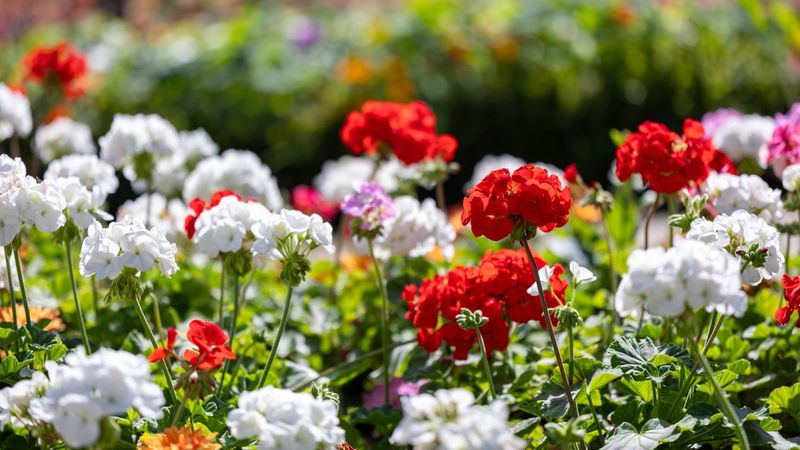
Is your geranium looking tired, with only a few sad blooms and lots of leggy stems? You are not alone, and the good news is that most bloom slowdowns come from a handful of easy-to-fix habits. With a little know-how, you can push your plants back into steady flowering that lasts right through the hottest weeks of summer. Here are 15 simple hacks to rescue struggling geraniums and keep those bright blooms coming week after week.
1. Deadhead Spent Blooms Religiously
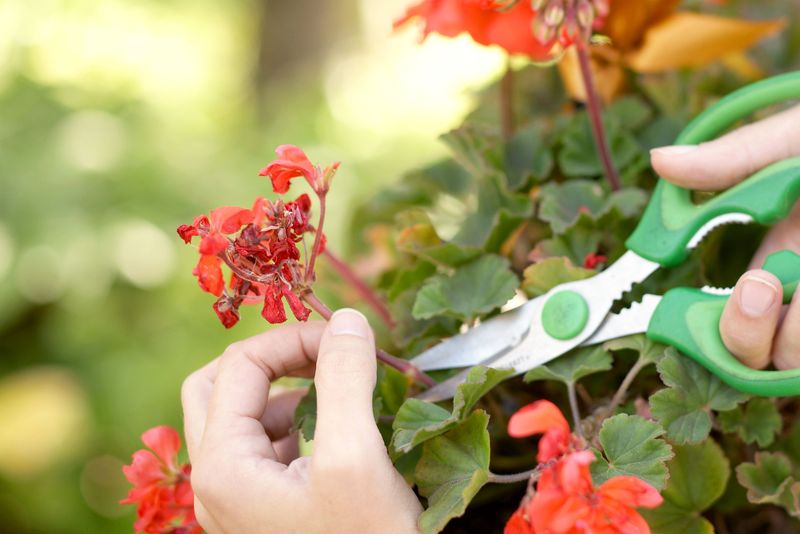
Nothing steals a geranium’s flower power faster than a cluster of faded, browning blooms left clinging to the stem. Once a flower head fades, the plant shifts its energy into making seeds instead of pushing out fresh color, and that is exactly when the show slows down.
Snap or snip the entire spent stalk all the way back to where it meets the main stem, not just the crispy petals on top. Leaving those little bare stubs behind invites rot and looks messy, so remove the whole thing cleanly.
Try to check your plants every few days during peak summer, because blooms fade fast in the heat. A quick five-minute pass with your fingers or clean snips can make a huge difference within a week or two.
Gardeners who deadhead often report noticeably fuller flowering, and while results vary by variety, the habit rarely hurts. Think of it as telling your geranium there is no time to rest, so it keeps sending up more buds instead of quitting early on you.
2. Feed With a High-Phosphorus Bloom Booster
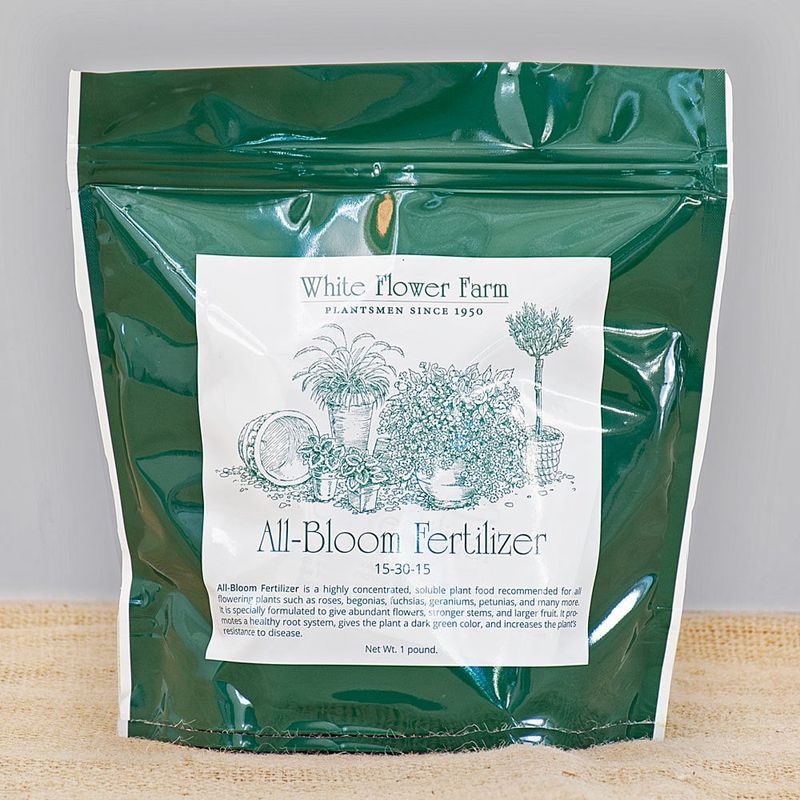
A hungry geranium will give you plenty of lush green leaves and almost no flowers, which is the classic sign of too much nitrogen and not enough of everything else. Feeding the right formula flips that balance and steers energy back into blooms.
Look for a fertilizer with a higher middle number, since phosphorus is the nutrient most tied to flower production. Something in the range of a bloom-boosting blend, diluted and applied every couple of weeks, often improves flowering noticeably.
Water the soil first, then feed, so you never dump concentrated fertilizer onto dry, stressed roots. Burning the roots is easy to do and can set your plant back for weeks.
Container geraniums especially need regular feeding because every watering flushes nutrients out the drainage holes. Rainwater and daily summer watering wash food away faster than you might think.
Ease off feeding during extreme heat waves, when the plant is just trying to survive rather than grow. A steady, gentle feeding rhythm beats occasional heavy doses every single time.
3. Give Them Six Hours of Sun
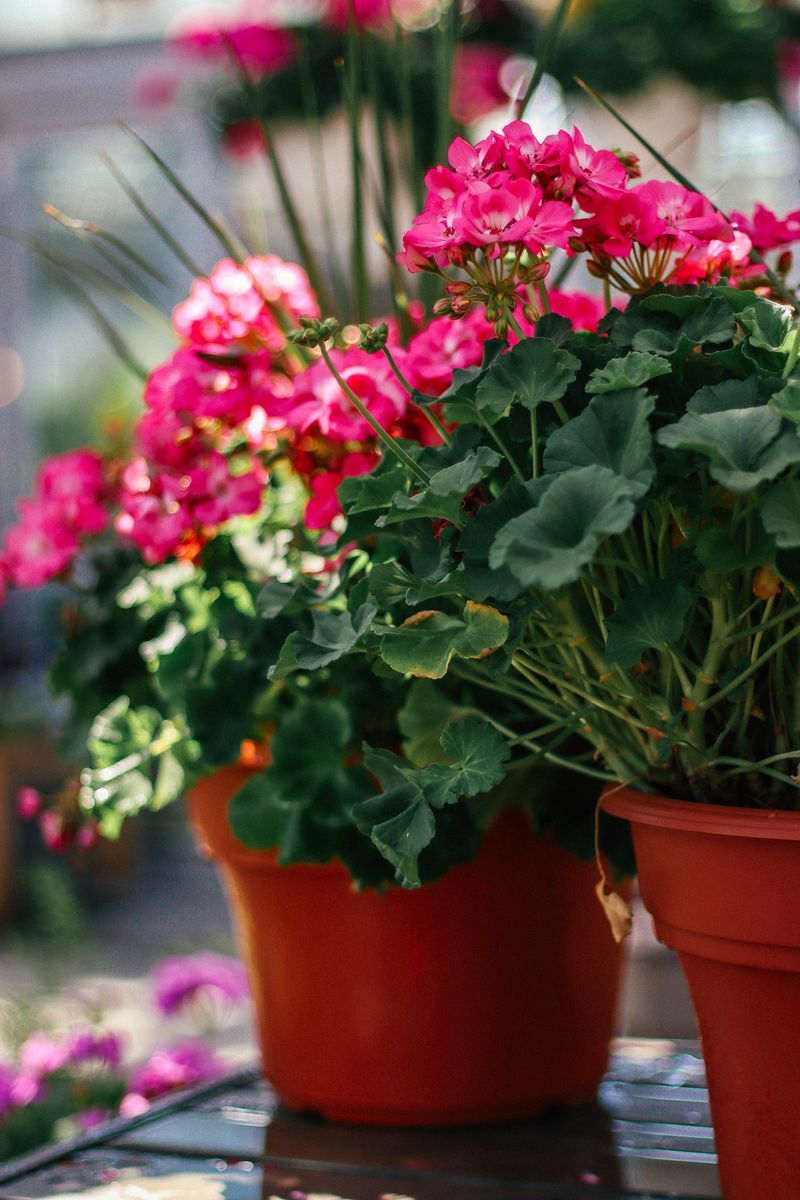
Ever notice how a geranium tucked in a shady corner grows tall, pale, and stingy with flowers? Light is the fuel behind every bloom, and shortchanging your plant on sun is one of the fastest ways to stall the color you were hoping for.
Most garden geraniums want at least six hours of direct sunlight a day to flower their best. Morning sun with a touch of afternoon shade is often the sweet spot in hot US summers.
If your plant is stretching toward a window or leaning hard in one direction, that is a plea for more light. Move it somewhere brighter and rotate the pot every few days so all sides get their fair share.
During brutal heat, a little midday shade can prevent scorched petals without cutting bloom production much. You are aiming for bright, not baking.
Watch how your specific spot behaves across the day before committing, because a wall or tree can steal hours of light you assumed were there. Right light usually restarts a lazy bloomer.
4. Water Deeply but Let the Soil Dry Out
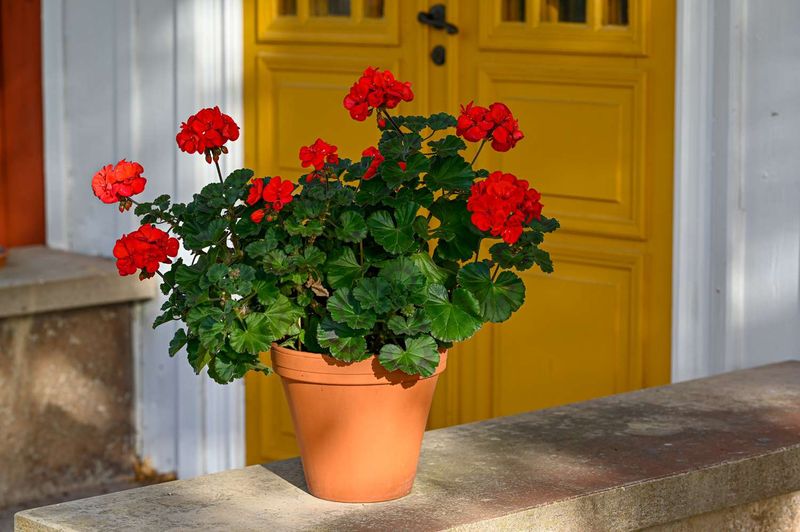
Overwatering fools more geranium owners than almost anything else, because a wilting plant looks thirsty even when its roots are drowning. Soggy soil suffocates roots, invites rot, and quietly shuts down flowering while you keep reaching for the watering can.
Stick a finger about an inch into the soil before you water. If it still feels damp, wait a day; if it is dry, give the plant a good, deep drink until water runs out the bottom.
Geraniums actually flower better with a slight dry spell between waterings, since a touch of stress nudges them to bloom. Constant moisture just grows floppy leaves.
Always empty saucers so pots are never sitting in a puddle. Standing water is a fast track to yellow leaves and mushy stems.
In peak summer, containers may need daily water while garden beds get by on far less. Adjust to your weather rather than a fixed schedule, and your plant will reward the attention with steadier, brighter blooms.
5. Pinch Back Leggy Stems Early
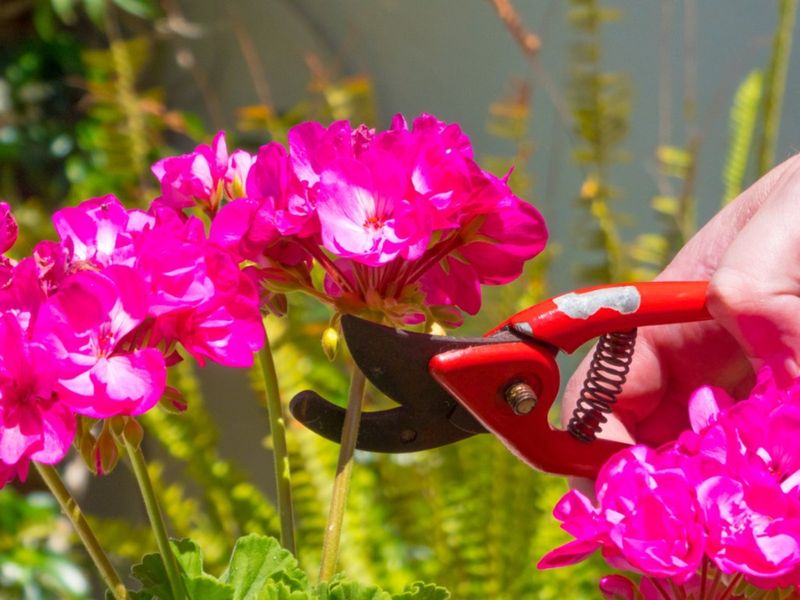
A geranium that looks like it is reaching for the sky with bare, spindly stems is telling you it needs a haircut. Left alone, those long stems flop over and put out fewer flowers, spreading the plant’s energy too thin.
Pinch the growing tips off young plants using your thumb and finger, cutting just above a leaf node. It feels harsh, but that snip triggers the plant to branch out into two new stems where there was one.
More branches mean more stem tips, and every tip is a potential flower cluster. A bushier plant simply carries more blooms than a tall, leggy one ever could.
Do your main pinching early in the season, then touch up gangly growth as summer rolls on. Even mid-summer pinching can revive a stretched-out plant after a short pause.
Save the healthiest pinched tips, because they root easily and can become free new plants. Little effort here pays off with a fuller shape and more of the nonstop color you are after.
6. Choose the Right Pot and Drainage
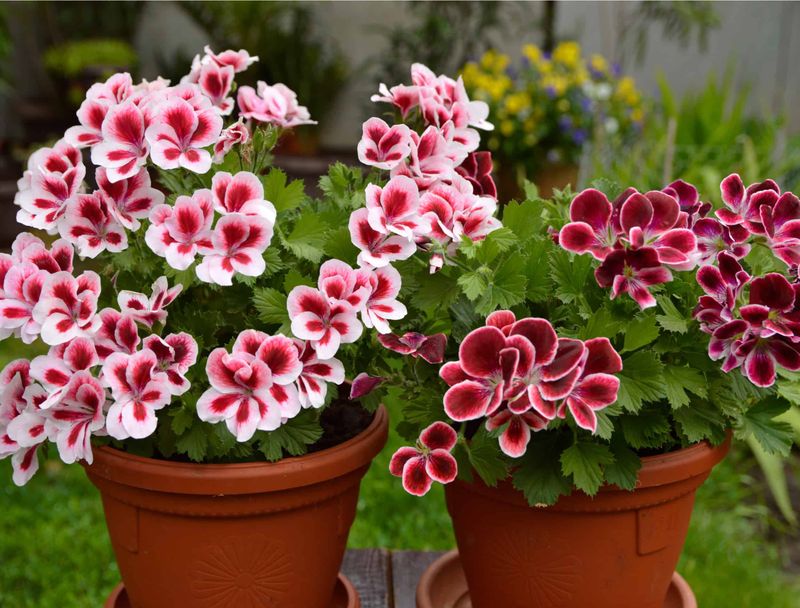
Plenty of bloom trouble starts with the container itself, long before feeding or sunlight enters the picture. A pot that traps water or crowds the roots quietly sabotages flowering no matter how well you care for the plant.
Pick a container with real drainage holes, and never let a decorative sleeve turn it into a bucket. Roots sitting in trapped water rot fast and stop supporting blooms.
Geraniums actually flower well when slightly snug in their pots, so resist the urge to over-pot into a giant container. Too much soil stays wet and encourages leaves over flowers.
Terracotta is a favorite because it breathes and dries the soil between waterings, though it does mean watering a bit more often in the heat. Plastic holds moisture longer, which suits forgetful waterers.
A light, well-draining potting mix beats heavy garden soil that packs down and stays soggy. Get the vessel right, and every other bloom hack you try will work far better on top of it.
7. Fight Off Aphids and Budworms
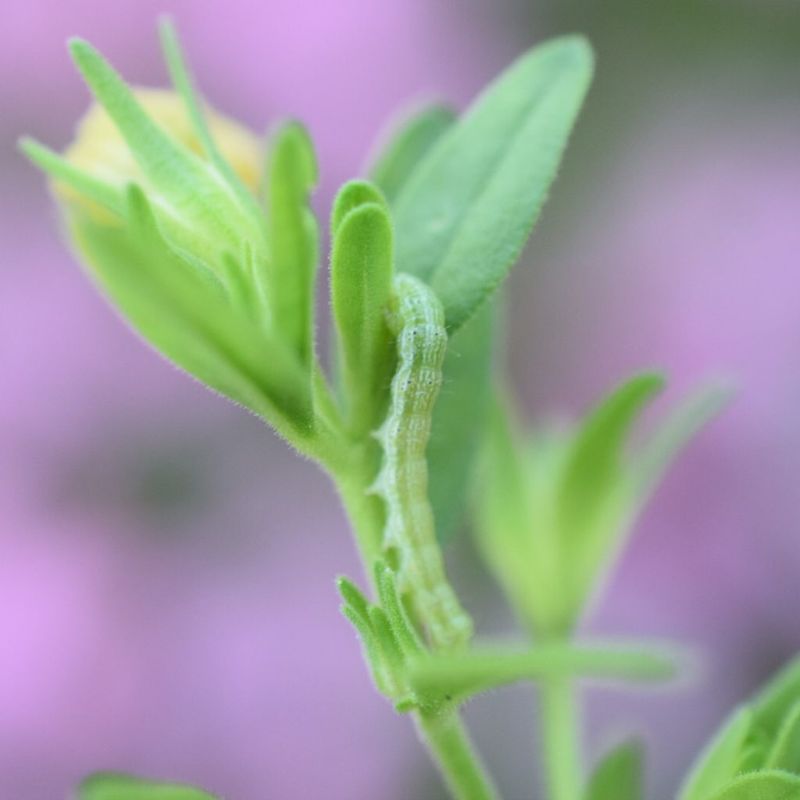
Sometimes the buds are there but they never open, and if you look closely you might spot tiny holes or clusters of little insects doing the damage. Aphids and geranium budworms are notorious for wrecking blooms before they ever get a chance to shine.
Check the undersides of leaves and inside developing buds for aphids, which cluster in soft green or black colonies. A sharp spray of water or an insecticidal soap can reduce their numbers considerably.
Budworms are sneakier, boring into buds and leaving them chewed and ragged. Handpicking the caterpillars at dusk and removing damaged buds may help break the cycle.
Keeping plants healthy and not overcrowded makes pests less likely to take hold in the first place. Stressed, weak plants attract trouble.
For stubborn infestations, a product labeled for these specific pests can help, but always follow the directions closely. No treatment is a guaranteed fix, so stay watchful and repeat as needed until your buds start opening cleanly again.
8. Refresh Tired Soil Mid-Season
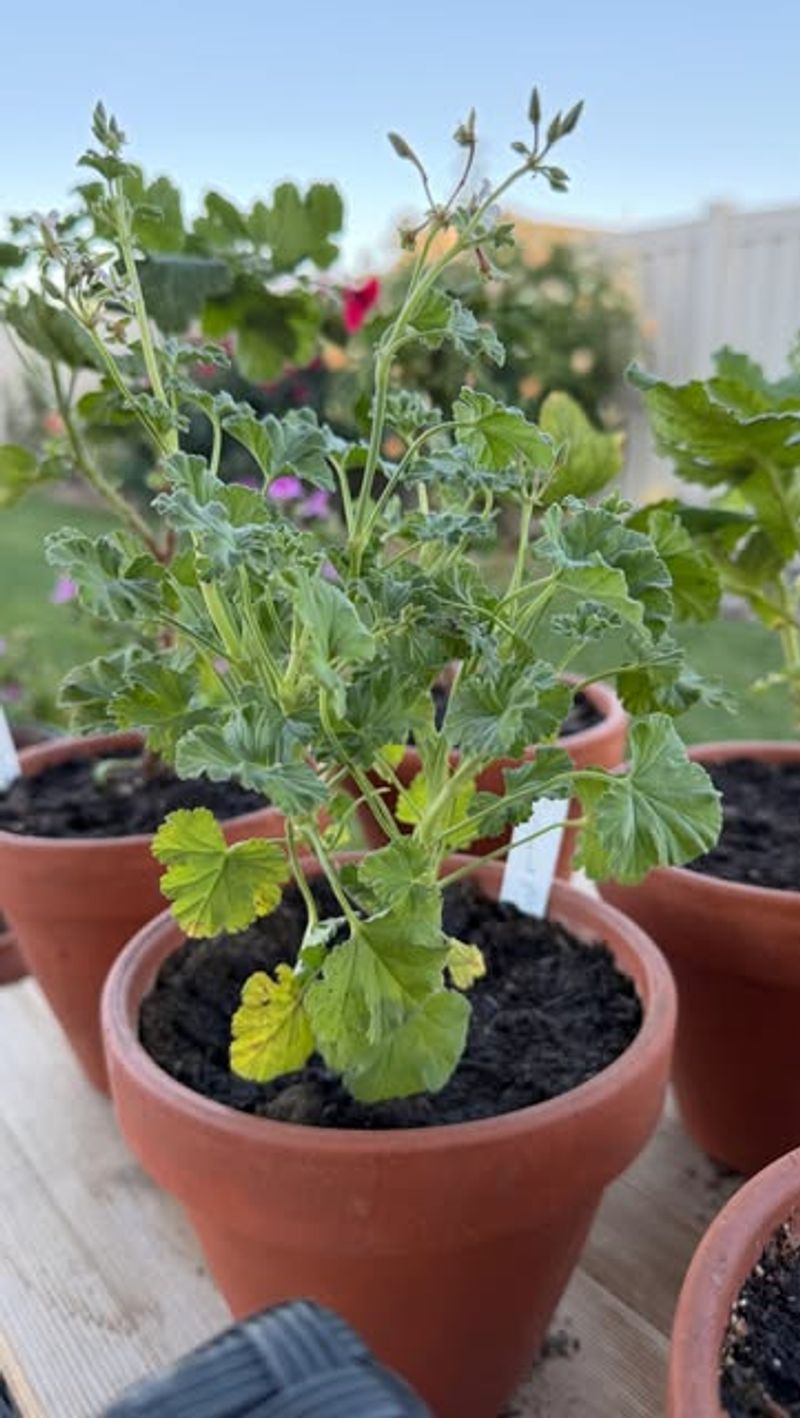
By midsummer, the potting mix that started out fluffy and rich is often packed down, salty from fertilizer, and drained of nutrients. Worn-out soil can leave even a well-fed geranium looking dull and reluctant to bloom.
Scratch away the top inch or two of old soil and replace it with fresh mix blended with a little compost. This top-dressing gives roots a nutrient boost without the shock of a full repot.
If white crusty salt has built up on the soil or pot rim, flush the container by watering heavily until it drains freely several times. Flushing washes out the excess that can stall growth.
Loosening compacted soil gently with a fork lets air and water reach the roots again. Compacted mix chokes roots as surely as overwatering does.
A midseason refresh often gives plants a visible second wind heading into late summer. It is a small chore that can restart flowering right when many gardeners have given up on their fading plants.
9. Deter Deer and Rabbits Naturally

You step outside to admire your geraniums and find the buds nibbled clean off overnight, a heartbreak familiar to anyone gardening near woods or open fields. Deer and rabbits can undo weeks of bloom-coaxing in a single hungry visit.
Geraniums are not deer favorites, but hungry animals will sample almost anything when forage gets scarce. A scent-based repellent spray may help deter browsing when reapplied after rain.
Physical barriers work best of all, so a short fence or a cage around prized containers can reduce damage dramatically. Motion-activated sprinklers also startle many visitors off.
Tucking geraniums among plants animals dislike, or moving pots closer to the house and foot traffic, often lowers the risk. Wildlife prefers to snack where it feels safe.
No single trick is foolproof, and clever critters may adapt over time. Rotating a couple of methods usually beats relying on just one, and staying persistent gives your blooms the best chance of surviving the season untouched.
10. Give Roots Room With Timely Repotting
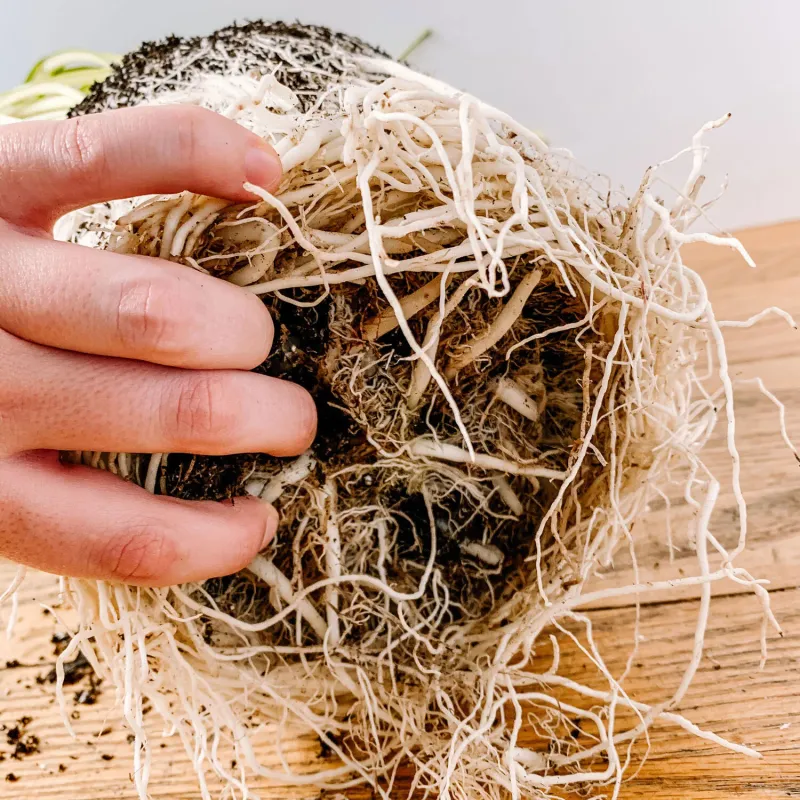
A geranium that dries out within hours of watering and barely grows may simply be root-bound, its roots coiled into a solid mass with nowhere left to go. Cramped roots eventually cap how many flowers a plant can support.
Slide the plant out and check; if you see a dense spiral of roots circling the pot, it is time for a slightly bigger home. Move up just one pot size, not a huge jump.
Gently tease the outer roots loose so they grow outward into the new soil instead of continuing their circle. This small step helps the plant settle in faster.
Fresh mix around those roots delivers a fresh supply of nutrients and better moisture balance. The change often shows up as a fresh flush of leaves followed by buds.
Spring is the ideal repotting time, but a struggling summer plant can benefit too if you keep it out of harsh sun for a few days afterward. Give the roots room and the blooms tend to follow.
11. Overwinter to Come Back Stronger
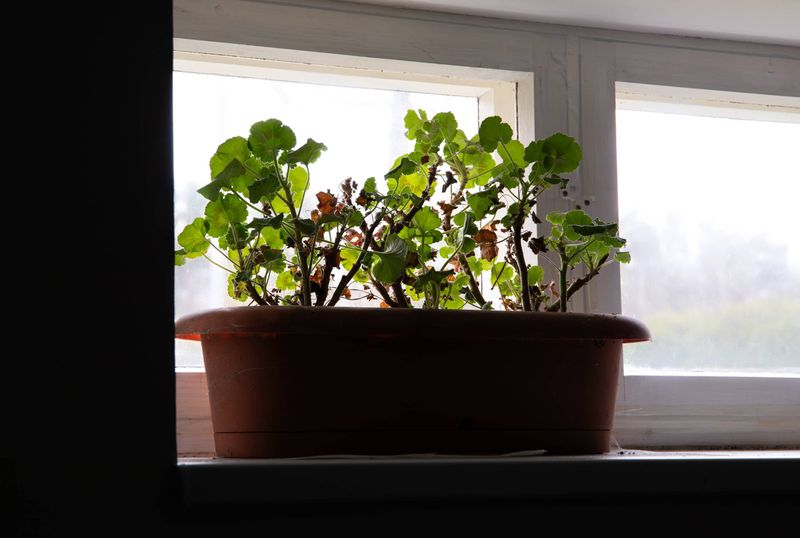
Here is a secret many gardeners miss: geraniums are not really annuals, and a plant you rescue over winter can burst into bloom far earlier and fuller the next summer. Treating them as one-season throwaways means starting from scratch every year.
Before the first frost, bring your healthiest plants indoors to a bright, cool window and cut back on water. They will slow down but stay alive through the cold months.
Some gardeners store bare-root plants in a paper bag in a cool basement, trimming them back hard and replanting in spring. It looks drastic, but many revive beautifully.
Either way, cut the plant back by about half before storing to keep it manageable and encourage strong new growth. Leggy winter stems can be pinched off later.
Come spring, gradually reintroduce light, water, and feeding to wake it up. An overwintered geranium with an established root system often flowers weeks ahead of freshly bought plants, giving you a longer, stronger show all season long.