
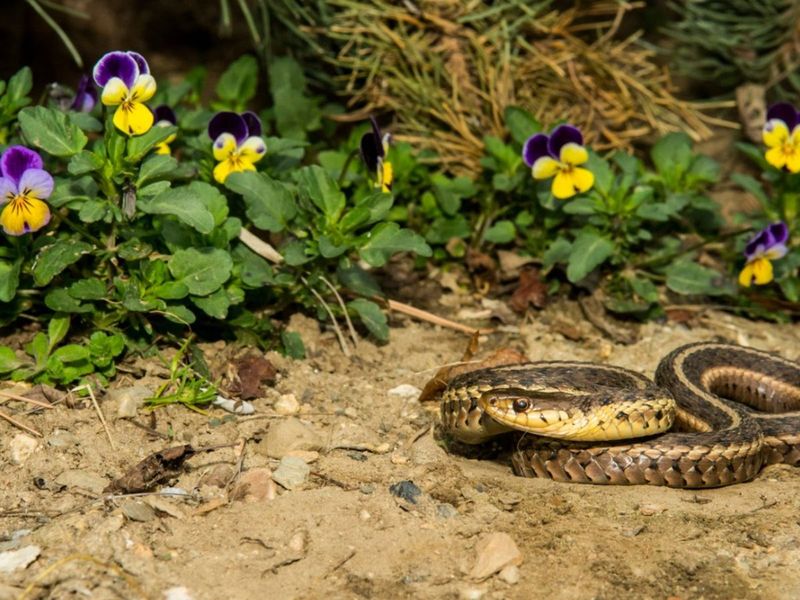
Snakes are shy creatures that would rather stay out of sight, which is exactly why they can move into your yard without you ever spotting one. The good news is that they almost always leave behind hints that give away their hiding spots. Learning to read these clues can help you stay safe, protect your pets, and decide when it is time to clear out the places snakes love. Here are sixteen telltale signs that a snake may be sharing your backyard right now.
1. Shed Snake Skin in the Grass
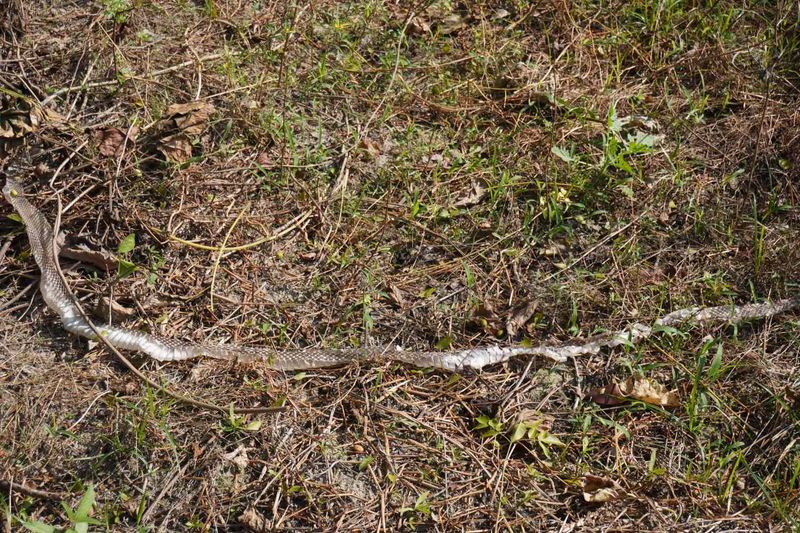
Finding a papery, translucent tube tangled in your grass or wedged under a step is one of the loudest clues a snake has been around. Snakes shed their outer layer several times a year as they grow, and the discarded skin often keeps the shape of the scales, right down to the eye caps.
Fresh sheds feel slightly moist and flexible, which usually means the snake left it recently and may still be nearby. Older skins turn brittle and crumble when you touch them, hinting the visitor passed through weeks ago.
Take a close look at the size before you panic. A skin longer than a few feet can suggest a larger resident, while a slim, short piece often points to a harmless garden species.
Fun fact: the clouded, milky eyes you sometimes see on a fresh shed happen because snakes go temporarily blind right before shedding, making them extra cautious and hidden. If you keep spotting sheds in the same corner, that spot may be a favorite hideout worth clearing of clutter and tall weeds.
2. Winding Tracks in Loose Dirt or Mud
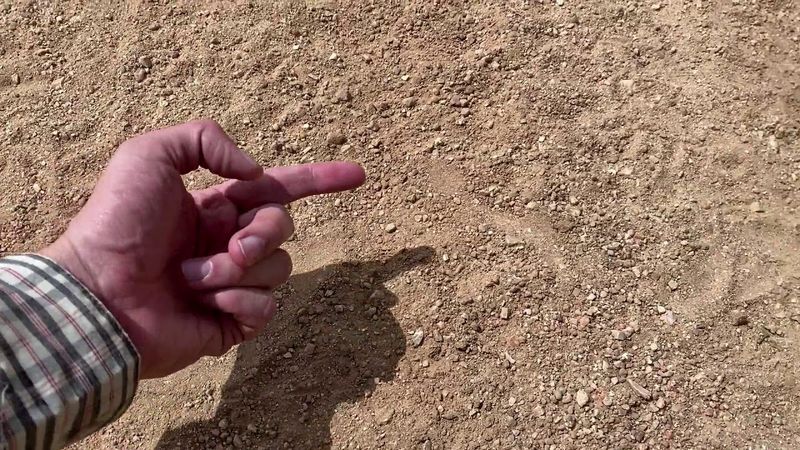
Picture a smooth, wavy line pressed into the soft dirt of a garden bed, almost like someone dragged a rope across it. That squiggly trail is a classic snake track, left behind as the animal pushes its body side to side to move forward.
Dusty paths, muddy patches near a hose, and the fine soil along foundations are the easiest places to spot them. You may notice a single S-shaped groove or a series of overlapping curves if the snake was in no hurry.
Morning is the best time to hunt for these marks, since dew and overnight moisture make the ground hold impressions clearly. Wider, deeper tracks generally mean a heavier snake, while faint threads suggest something small.
Try smoothing out a patch of dirt in a suspected area before bed, almost like setting a simple detective trap. If fresh trails appear by morning, you have a strong sign of regular traffic.
Following the direction of the track can even lead you toward the hiding spot, which helps you focus your cleanup efforts where they matter most.
3. Holes and Burrows Near the Foundation
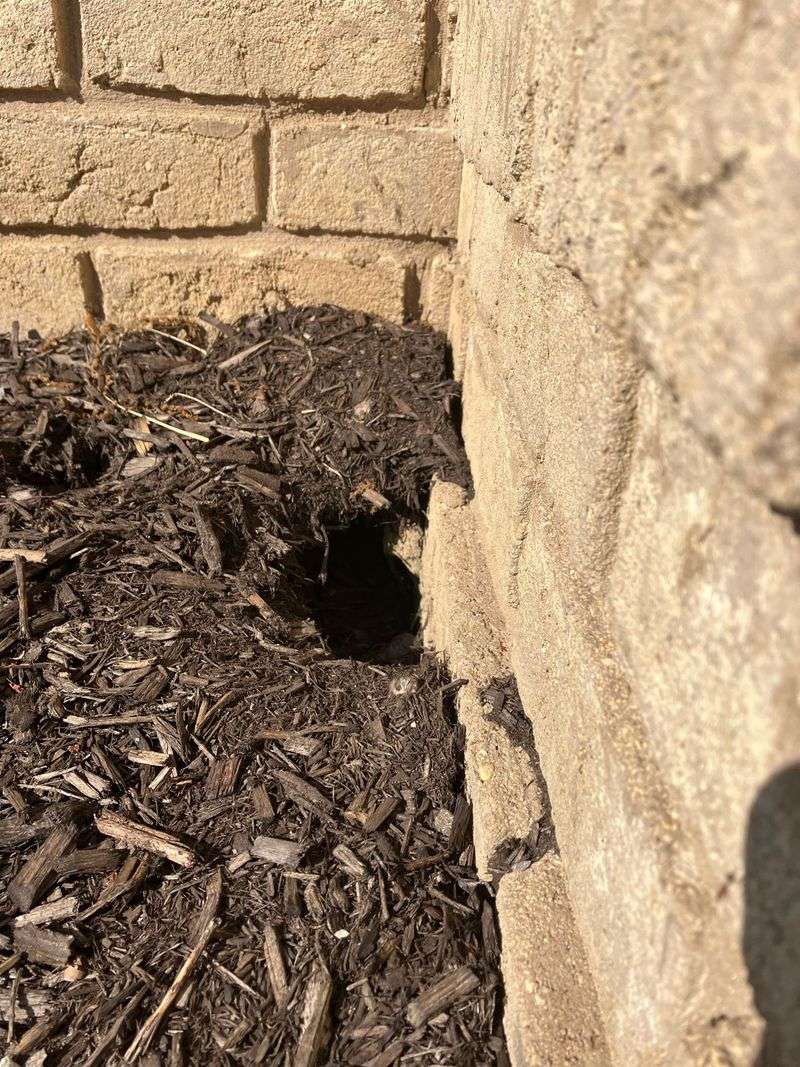
Round openings tucked against your home’s foundation, under sheds, or beside stone walls can double as five-star snake lodging. Snakes rarely dig their own tunnels, so they happily borrow the abandoned burrows of chipmunks, rats, and other small diggers.
A hole that stays open and clean, with no leaves or spider webs blocking it, often signals something is using it regularly. Fresh soil pushed out around the rim is another hint of recent activity.
Check the size of the entrance too. A gap about the width of a golf ball or larger can easily welcome a resident snake looking for a cool, shaded retreat.
Because these burrows also attract the rodents snakes love to eat, an active hole can turn into a two-for-one problem. Filling old tunnels with soil or gravel and sealing gaps along the foundation may help discourage new tenants.
If you are unsure whether a burrow is occupied, loosely stuff the opening with leaves and check the next day. A reopened hole tells you someone inside wanted back out.
4. A Sudden Spike in Mice and Rats
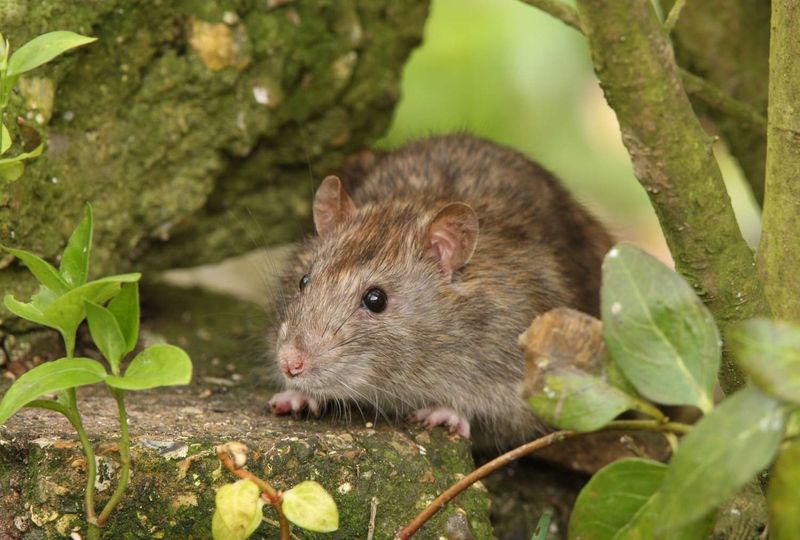
Snakes follow their stomachs, and nothing rings the dinner bell like a booming rodent population. If you have noticed more mice scurrying along the fence line, gnaw marks on stored seed, or droppings in the shed, you have essentially set out a buffet.
Where prey gathers, predators arrive. A yard rich in rats and mice becomes prime real estate for hungry snakes searching for an easy meal.
Think of the rodent problem as an early warning system. Getting ahead of it can quietly reduce the reason snakes want to visit in the first place.
Secure trash cans, store pet food in sealed containers, and clean up fallen birdseed and fruit that lure rodents in. Cutting off the food chain at its base often does more to move snakes along than chasing the snakes themselves.
It helps to remember these two problems travel together. When gardeners tackle a mouse invasion, they frequently find the snake sightings fade soon after, since the reptiles simply follow the meals to a friendlier neighborhood down the street.
5. Nervous, Squawking Birds and Wildlife
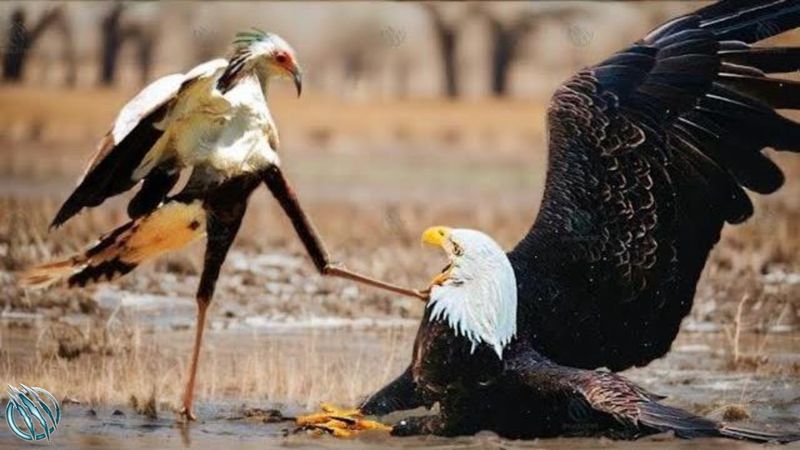
Backyard animals often know about a snake long before you do, and they are not quiet about it. A cluster of birds diving, flapping, and scolding at one spot in a tree or bush is called mobbing, and it frequently means a predator like a snake has been spotted.
Squirrels flicking their tails and chattering loudly at the ground, or chickens suddenly refusing to enter their coop, send the same message. Their alarm behavior points you straight toward the trouble.
Pay attention when your normally calm pets fixate on one corner of the yard. Dogs may bark and freeze while staring at a woodpile or dense shrub for no obvious reason.
Treat these animal reactions as a free security service. Following their gaze can reveal a hiding snake tucked into leaf litter or coiled beneath a bush.
Nesting birds get especially frantic because many snakes climb to raid eggs and chicks. If the racket keeps returning to the same tree, that is a strong hint a climber has been visiting your yard.
6. Snake Droppings on Patios and Rocks
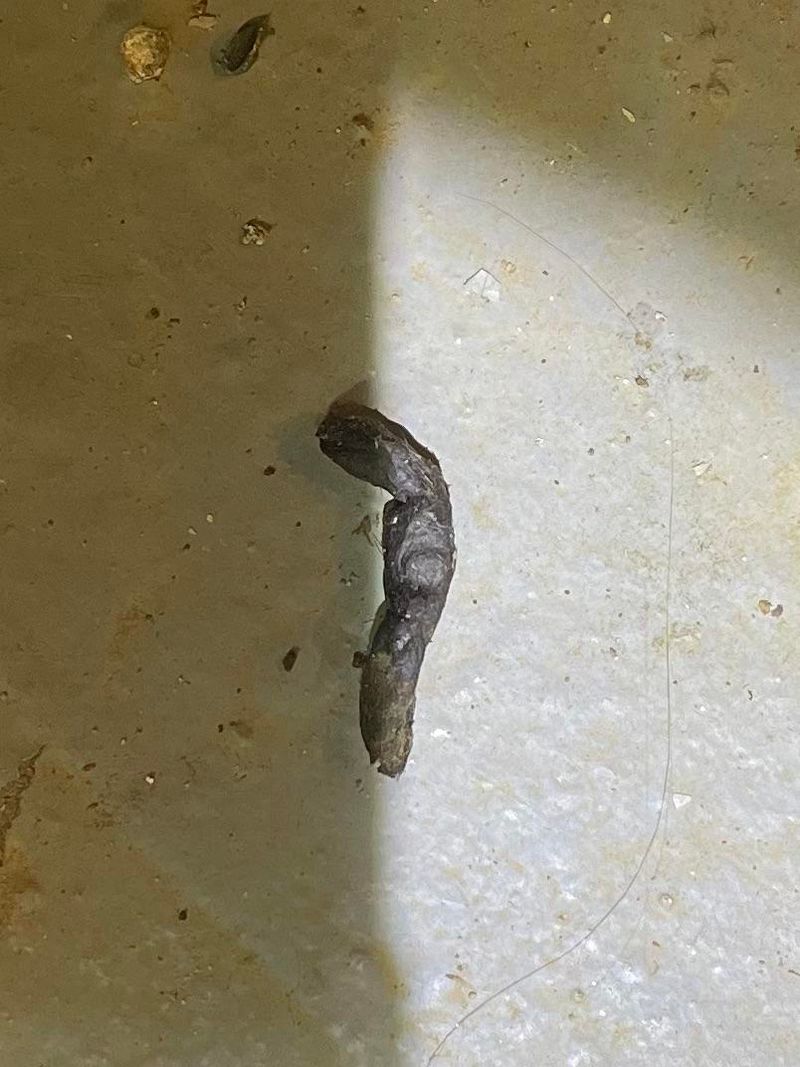
Snake waste looks different from the pellets left by rabbits or the tidy piles from raccoons, which makes it a handy clue once you know what to seek. Droppings are usually dark, tube-shaped, and capped with a chalky white portion, the leftover from digesting fur, feathers, and bones.
You will often find them on warm, flat surfaces where snakes like to rest, such as patio stones, large rocks, wood decks, and the tops of walls. Bits of undigested prey may even poke through the sample.
Freshness tells a story. Moist, shiny droppings suggest a very recent visitor, while dried, crusty ones point to older activity.
Because the waste can carry bacteria, always scoop it with a bag or gloves rather than bare hands. Cleaning it up quickly also keeps you from mistaking old signs for new ones later.
If droppings keep reappearing in the same sunny spot, you have likely found a basking station the snake returns to, which is worth watching and clearing of nearby hiding cover.
7. Overgrown, Tall Grass and Weeds
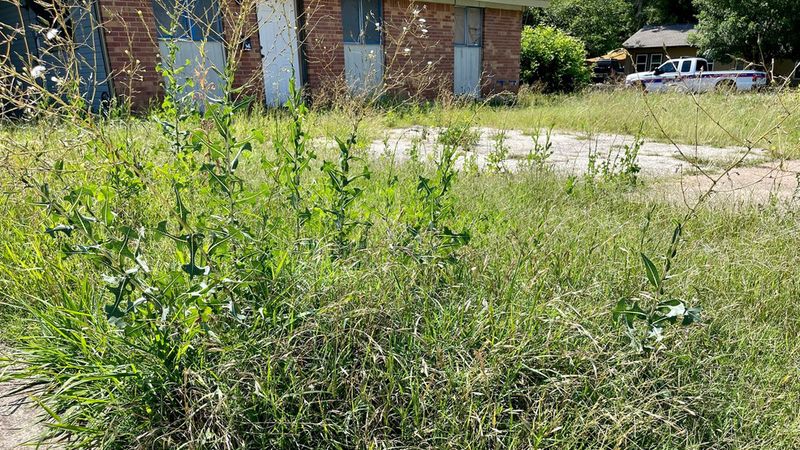
A shaggy lawn feels harmless, but to a snake it looks like a cozy, hidden highway. Tall grass and thick weeds offer cool shade, cover from hawks, and easy paths to travel unseen from one part of the yard to another.
The taller and denser the growth, the more inviting it becomes. Snakes feel exposed in open, sunny lawns, so they naturally gravitate toward the jungle-like corners people forget to mow.
Overgrowth also shelters the crickets, frogs, and rodents that snakes hunt, doubling the appeal. A neglected patch quickly turns into both a hideout and a hunting ground.
Keeping grass trimmed short and pulling weeds along fences and buildings can make your yard far less welcoming. Mowing removes the cover snakes rely on to stay concealed while they move.
Focus extra attention on the edges, since borders between mowed lawn and wild growth are prime travel routes. Creating a clean, open buffer zone around your home may help push snakes toward wilder territory beyond your property line instead of the space near your door.
8. Woodpiles and Stacked Logs
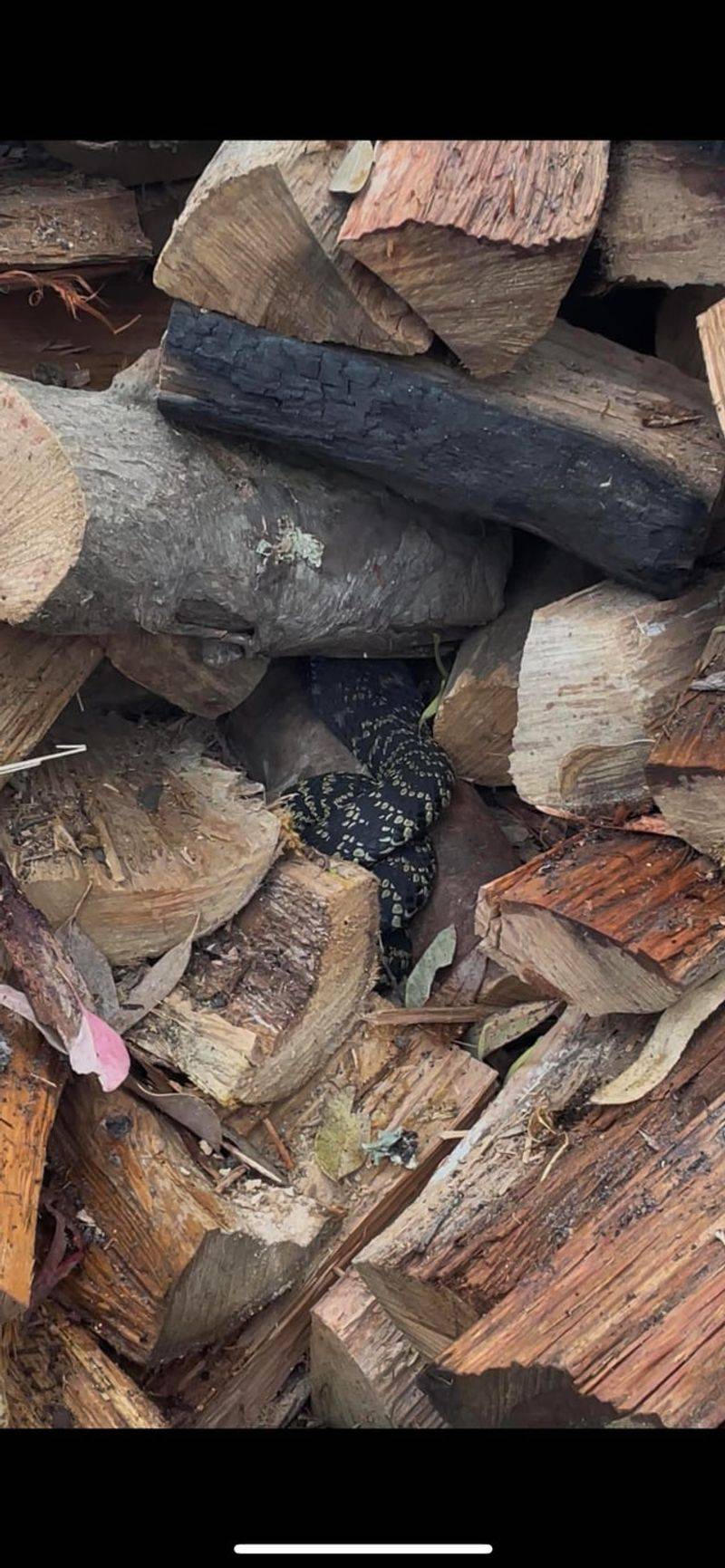
To a snake, a woodpile is a luxury apartment complex complete with dark nooks, steady shade, and a rodent pantry next door. The gaps between logs trap cool air in summer and hold warmth in cooler months, giving reptiles a comfortable place to hide year-round.
Stacked firewood pressed against the house or fence is especially risky, since it lets snakes slip close to your living space unnoticed. The longer a pile sits undisturbed, the more attractive it becomes.
Mice and insects that move into the wood only sweeten the deal, providing food without the snake ever leaving home. That combination of shelter and snacks is tough for them to resist.
Storing firewood on a raised rack, away from the house, and using it regularly can reduce how appealing the pile feels. Moving wood in the off-season lets you disturb any hidden guests before they settle in.
Wear thick gloves and lift logs slowly whenever you reach into a long-standing stack. A cautious approach protects your hands from a startled snake tucked in the shadows below.
9. Cool, Damp Spots and Standing Water
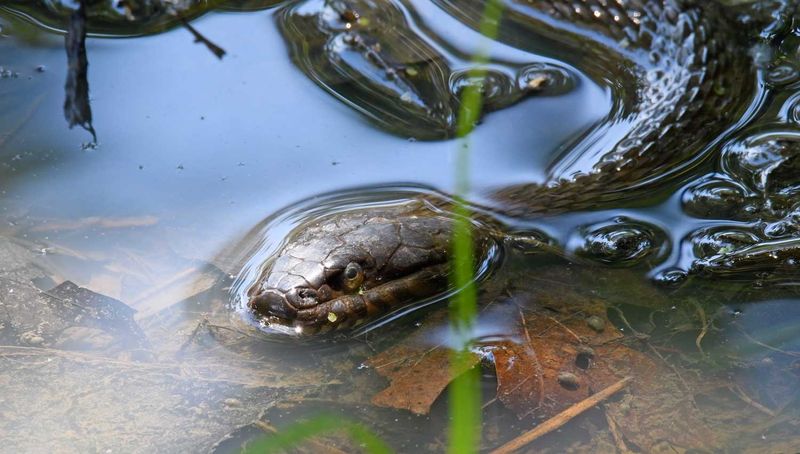
Water pulls snakes in like a magnet, especially during hot, dry stretches when moisture is scarce. A leaky spigot, a clogged gutter, a birdbath, or a low spot that stays soggy after rain can all turn your yard into a reptile watering hole.
Damp areas also breed the frogs, toads, slugs, and insects that many snakes eat. So a wet corner offers both a drink and a meal in one convenient location.
Some species are drawn to ponds and pool edges as well, gliding through shallow water with surprising ease. If you keep a garden pond, expect it to occasionally attract curious visitors.
Fixing leaks, emptying containers that collect rain, and improving drainage in mushy areas can quietly lower the appeal. Drier ground gives snakes fewer reasons to linger near your home.
Keep an eye on the shaded, moist zones beneath decks, AC units, and dense plantings. These cool retreats let snakes escape the midday heat, making them favorite resting spots worth checking during a yard patrol.
10. Cluttered Junk and Debris Piles

Every forgotten pile of junk in a yard reads like an open invitation to a snake hunting for cover. Old boards, buckets, tarps, tires, and stacked pots create shadowy pockets where a reptile can hide, cool off, and feel safe from predators overhead.
Clutter close to the house is the biggest concern, because it lets snakes stage right beside doors, patios, and play areas. The messier the corner, the more hiding options it provides.
Debris also shelters the bugs and rodents that snakes chase, turning a trash heap into a self-serve diner. Removing the mess pulls the rug out from under the whole setup.
Start with a weekend cleanup, clearing away items resting directly on the ground and lifting stored objects onto shelves. Fewer dark gaps mean fewer places for a snake to tuck itself away.
When you dig into a long-neglected pile, move slowly and use a rake or tool rather than reaching in blindly. A startled snake defends itself, so giving it room to slip away keeps everyone safer during the sweep.
11. Gaps and Cracks in Walls or Foundations
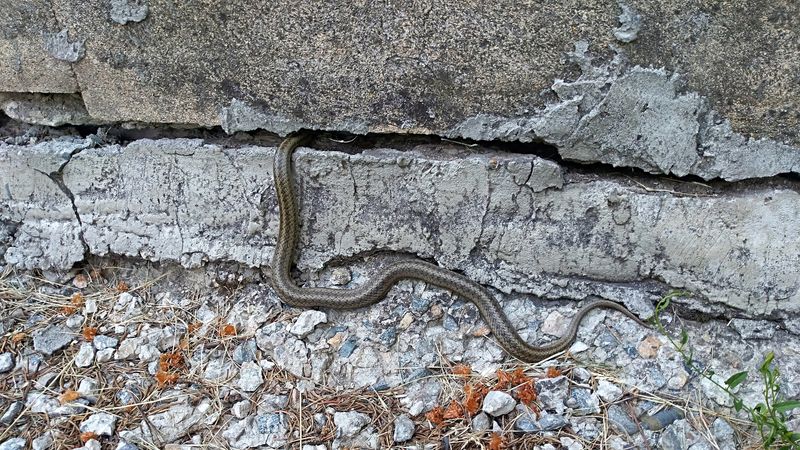
Snakes are contortionists that can squeeze through a space no wider than a pencil, which makes cracks around your home surprisingly important. Gaps under siding, splits in the foundation, and openings around pipes all offer sheltered passages a snake may explore.
Once inside a wall void, crawl space, or garage, a snake finds steady temperatures and freedom from predators. Those hidden pockets can become long-term hideouts if the entry points stay open.
Look for smooth, dust-free edges around a crack, since repeated slithering can polish away grime and cobwebs. That subtle shine hints something has been sliding through.
Sealing gaps with caulk, hardware cloth, or foam can help block these routes before a snake claims them. Pay special attention to spots where utilities enter the house, a common weak point.
Checking the base of exterior walls after dark with a flashlight sometimes reveals a snake heading toward a favorite crevice. Spotting the path it takes lets you target the right opening for repairs and keep the reptile outdoors where it belongs.
12. A Strange Musky or Unusual Smell
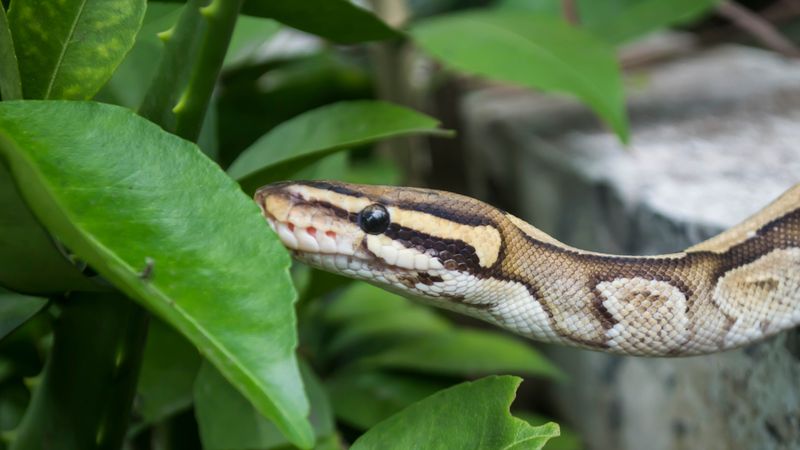
Your nose can occasionally catch a snake before your eyes do. Many snakes release a musky, foul odor from special glands when they feel threatened, and some people describe it as a heavy, cucumber-like or rotten smell drifting from a hiding spot.
The scent tends to hang around enclosed, poorly ventilated areas like sheds, crawl spaces, and garages where a snake has settled in. A sudden, unexplained stink in these places deserves a careful look.
Larger gatherings of snakes, or a spot used repeatedly, can make the odor stronger and more noticeable. Fresh droppings mixed in only add to the funk.
Trust your instincts if a corner of the property smells off without an obvious cause like garbage or a dead animal. That musky note may be your first warning of a scaly tenant.
Because the smell fades once a snake moves on, catching it fresh gives you a timely heads-up. Ventilating the area and inspecting nearby cover can help you confirm whether something has taken up residence.
13. Dense Ground Cover and Ivy
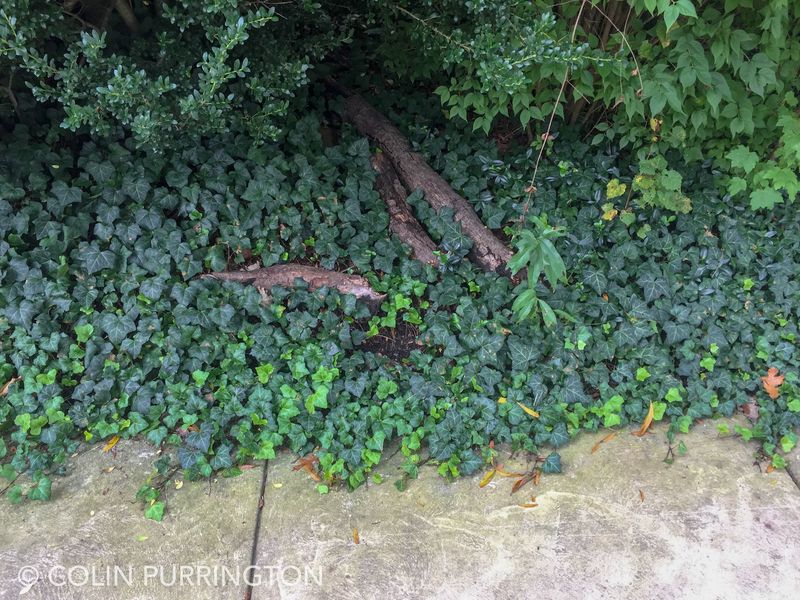
Lush mats of ivy, creeping vines, and thick ground cover look beautiful, yet they roll out a green carpet of concealment for snakes. Beneath that leafy blanket lies a shady, humid world where a reptile can travel and rest completely out of sight.
Ground-hugging plants like English ivy, pachysandra, and dense mulch create the perfect layered hideaway. You could walk right past a coiled snake and never know it was there.
The cover also shelters slugs, insects, and small critters, stocking the pantry along with the shelter. Beauty and buffet combine to make these beds hard for snakes to pass up.
Thinning heavy ground cover near walkways, doors, and seating areas can reduce the risk without gutting your landscaping. Trimming vines back from the house removes convenient climbing and hiding routes.
Keep mulch layers on the thinner side and pull it a few inches away from the foundation. A little restraint with dense plantings may help you enjoy a lush yard while giving snakes fewer secret corridors to sneak around unnoticed.
14. Disturbed or Missing Bird Eggs and Nests
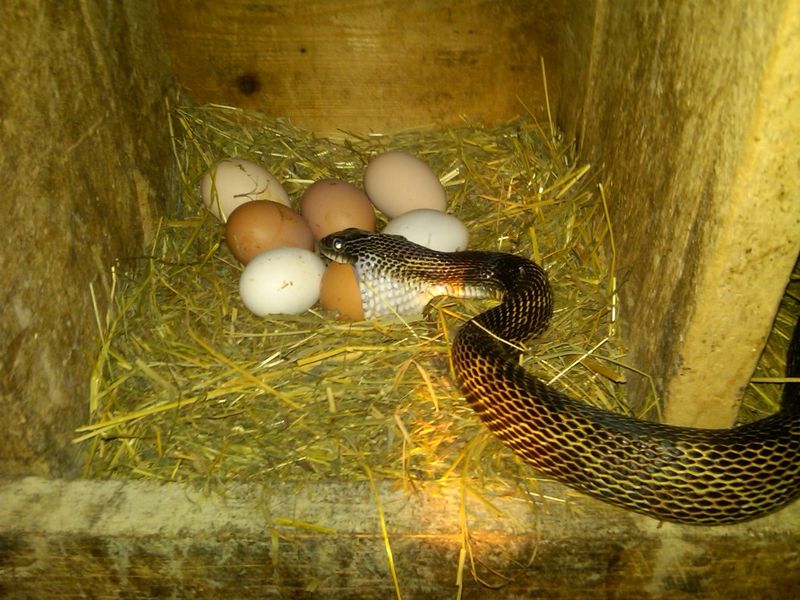
A nest that suddenly loses its eggs, with no shells scattered on the ground, often points to a climbing snake. Unlike raccoons or crows that leave a messy crime scene, snakes swallow eggs whole, leaving an eerily tidy, empty nest behind.
Chicken coops, birdhouses, and low tree nests are common targets. Finding a raided nest, especially more than once, suggests a snake has learned where the easy meals are.
Sometimes you may spot a temporary bulge in a snake resting nearby, the telltale lump of a recently swallowed egg. That single detail can solve the mystery of vanishing eggs fast.
Backyard chicken keepers should watch for eggs disappearing overnight while hens stay unharmed. That pattern strongly hints a snake is slipping in to feed.
Securing coops with fine hardware cloth and collecting eggs promptly can help cut off the temptation. Fewer free meals give egg-loving snakes less reason to keep returning, and protecting nests early may spare you a frustrating string of losses through the nesting season.
15. Slither Marks Across the Pool or Deck
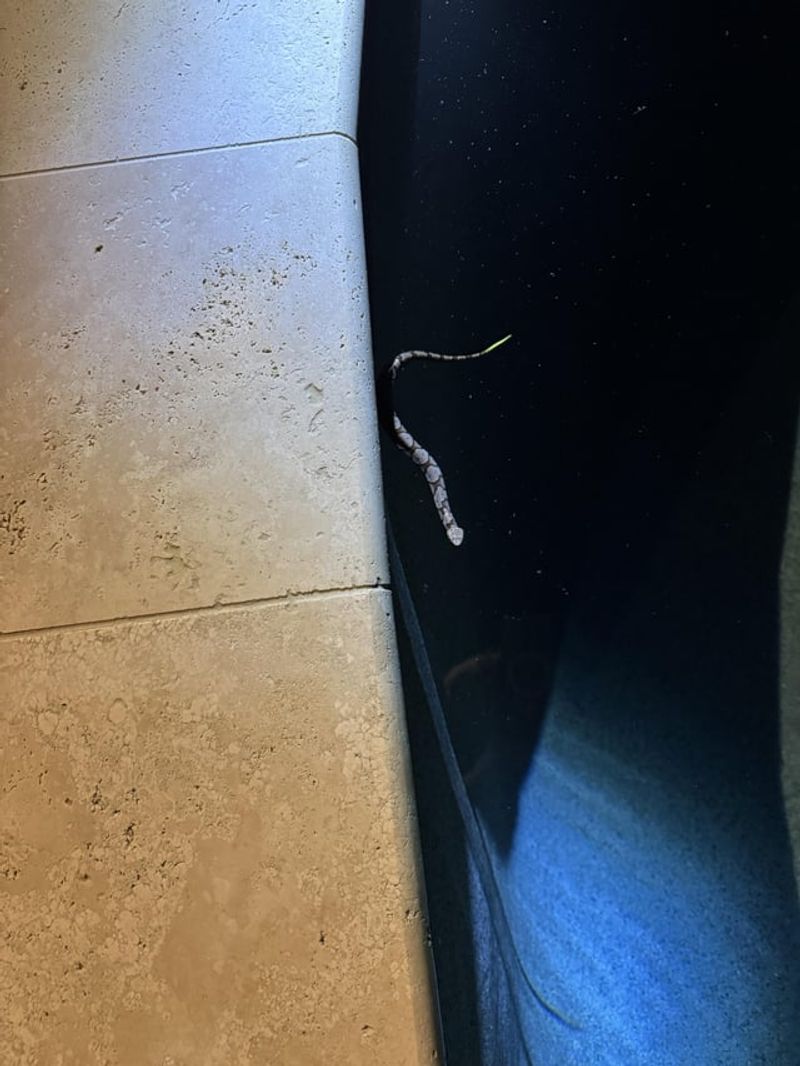
Smooth, curving smudges left on a dry pool deck or a dusty patio can be the calling card of a passing snake. As it glides across a firm surface, the belly picks up and pushes fine dust, leaving faint wavy streaks that hint at its route.
Pool areas draw snakes for water, warmth, and the frogs that often gather nearby. A snake occasionally ends up in the water itself, so a floating visitor is not unheard of during warm months.
Decks and concrete hold daytime heat that snakes love to soak up in the cooler morning and evening hours. Warm surfaces near water make an irresistible combination.
Scan for these light trails after a still, dry night when dust settles undisturbed. Their direction can show you where a snake entered and exited the area.
Keeping pool decks clear of clutter, sealing gaps under equipment pads, and skimming the water regularly may help you catch and discourage visitors early, before a surprise encounter turns a relaxing swim into a startling one.
16. Actually Seeing One Basking in the Sun
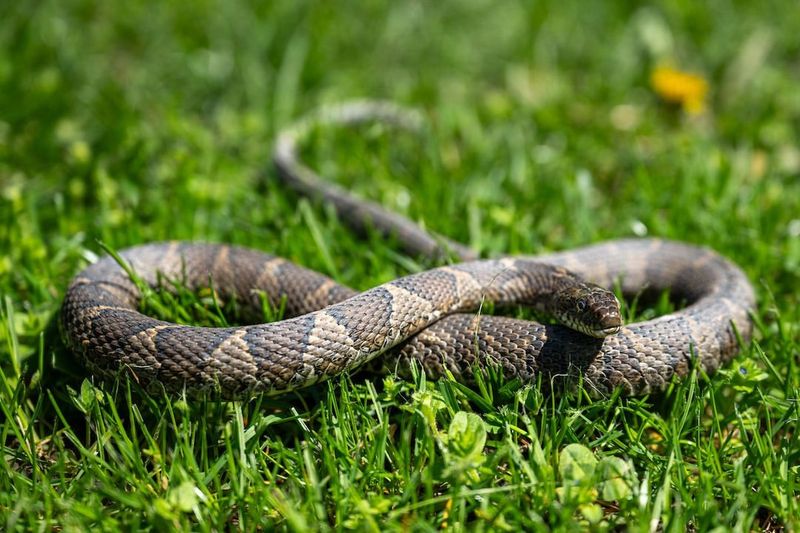
The most obvious sign of all is spotting a snake stretched out and soaking up the sun, and it almost never means the snake is alone. Being cold-blooded, snakes rely on warm surfaces like rocks, driveways, and sunny patches to power up their bodies for the day.
A single sighting usually reveals a favorite basking spot the snake will return to again and again. Where there is comfortable heat and nearby cover, more visits are likely.
Early morning and late afternoon are prime basking times, so scan open sunny areas during those hours. A snake that freezes when it sees you is simply trying to stay unnoticed.
Rather than reaching for a shovel, give the snake distance and let it move along on its own. Most yard snakes are harmless and actually help control rodents.
Remember that one confident snake often signals a yard that suits its needs. Reducing cover, food, and warm hiding spots may encourage it, and any hidden relatives, to relocate somewhere less inviting over time.