
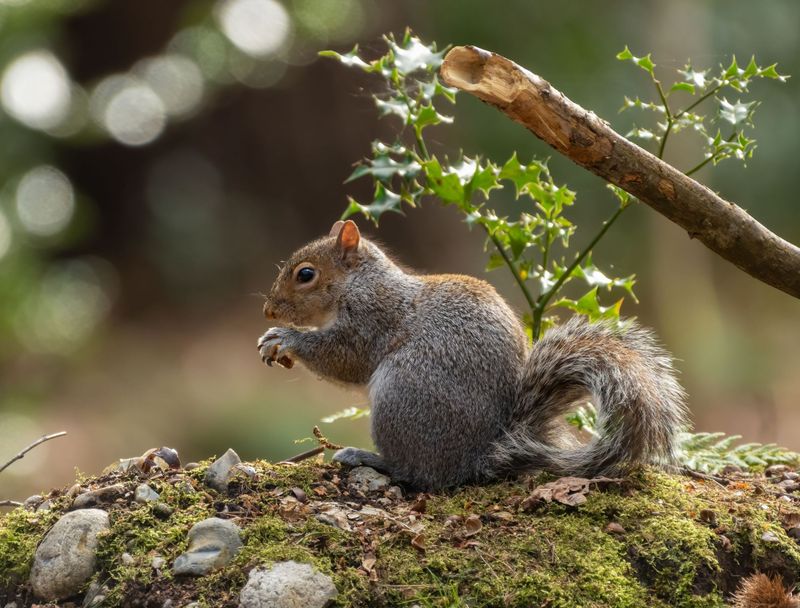
Before you grab the broom and shoo that bushy-tailed visitor off your fence, take a breath. Those squirrels bouncing across your yard might be doing more good than you realize, from planting trees to keeping your soil healthy. Many gardeners see squirrels as pests, but the truth is a lot more surprising. Here are 18 solid reasons to leave your furry neighbors alone and let them stick around.
1. They Plant Trees Without Even Trying
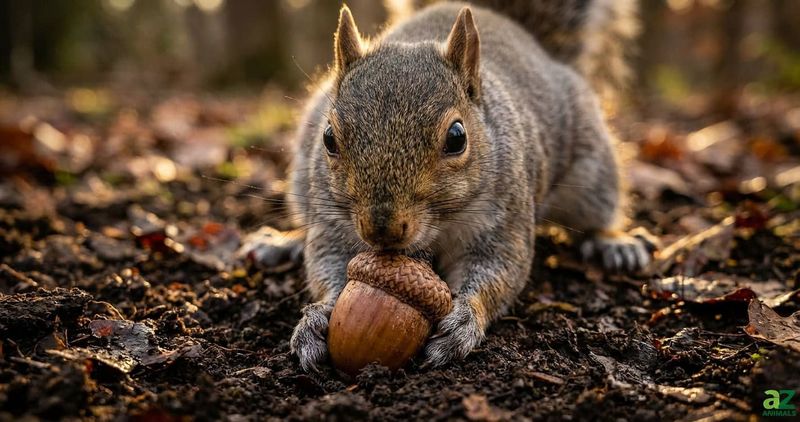
Picture a squirrel burying an acorn for a snowy day, then completely forgetting where it hid the thing. That forgetfulness is actually a gift to your whole neighborhood.
Squirrels stash thousands of nuts and seeds every autumn, and they never dig up all of them. The ones left behind sprout into oaks, hickories, and other trees over the following seasons. Scientists call this accidental gardening seed dispersal, and it may quietly reshape a landscape over decades.
If you have ever wondered where that random oak seedling in your flower bed came from, a squirrel probably planted it. You can pull it if it is in the wrong spot, but it is worth remembering that these animals help forests regrow for free.
Chasing them off means losing a natural tree-planting service that costs you nothing. In a world where mature shade trees can raise property value and cool your home, that scattered, absent-minded stashing habit turns out to be surprisingly useful. Sometimes the best gardener in your yard has four legs and a fluffy tail.
2. Free Pest Control You Never Asked For
Most folks think squirrels only munch on nuts and bird seed, but their menu is wider than you would guess. Insects, grubs, and even snails sometimes end up as squirrel snacks.
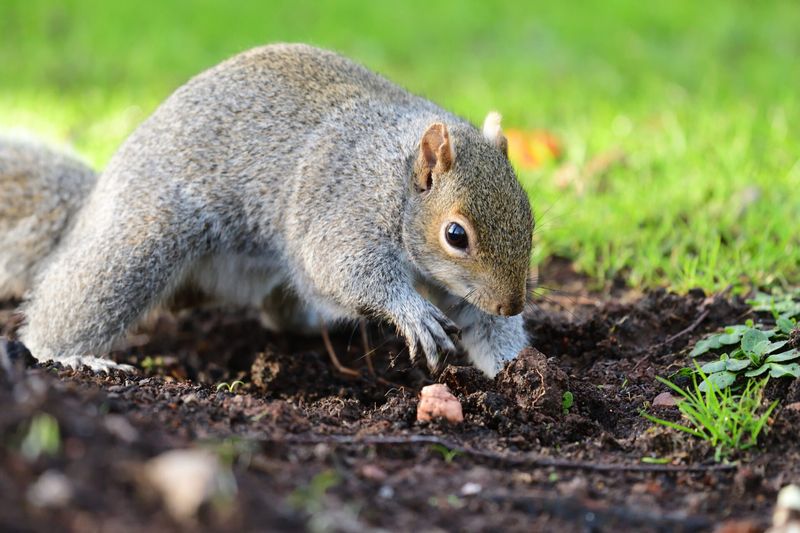
When a squirrel roots around in your grass, it may be hunting beetle larvae and other bugs that chew up your lawn and garden roots. Grubs in particular can turn a healthy lawn brown, so a squirrel picking through the soil can reduce some of that hidden damage.
They are not a replacement for real pest management, and they will not clear a serious infestation on their own. Still, having a few of these little foragers patrolling your yard can help keep certain insect populations in check.
Think of it as a small bonus that comes with tolerating your furry visitors. Before you assume every squirrel is out to ruin your garden, remember that some of their digging is actually working in your favor. A yard buzzing with fewer grubs often means healthier grass and stronger plant roots down the line.
3. Their Digging Aerates Your Soil
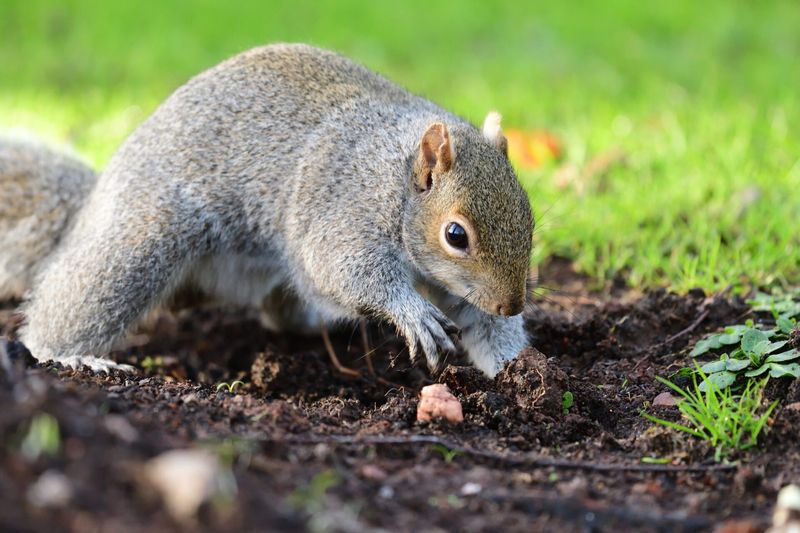
Every time a squirrel buries a nut or digs one back up, it pokes tiny holes in your soil. Those little tunnels do something gardeners pay good money for.
Compacted soil chokes plant roots by blocking air and water. When squirrels dig, they loosen the top layer of dirt, which can help oxygen and moisture reach roots more easily. It is a bit like a free, ongoing aeration treatment scattered across your yard.
Sure, a squirrel is not as precise as a garden fork, and a few holes in the wrong spot can be annoying. But over an entire lawn, all that small-scale turning of the earth often improves how water soaks in instead of running off.
Better drainage means fewer soggy patches and less standing water after rain. Roots that breathe easier tend to grow deeper and stronger.
So the next time you spot a squirrel busily excavating near your tomatoes, try to see it as a tiny volunteer working your soil rather than a troublemaker wrecking your beds.
4. They Signal a Healthy Ecosystem
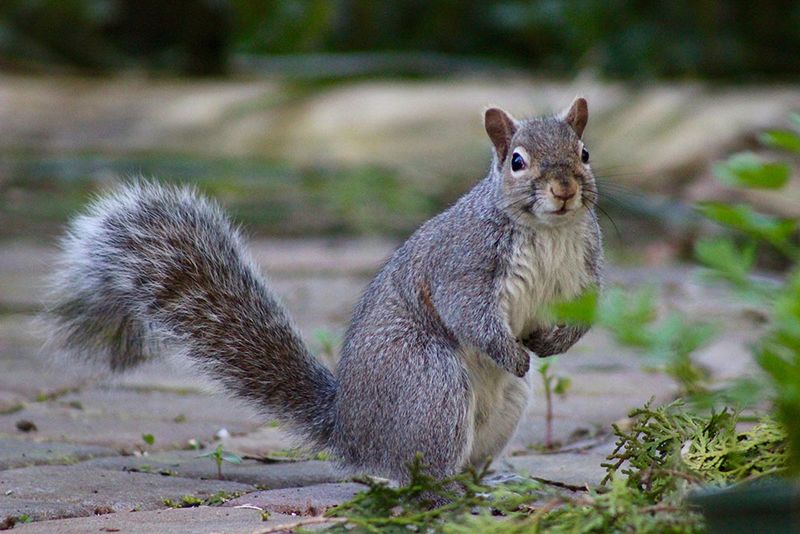
A yard that squirrels want to live in is usually a yard that is doing something right. These animals are surprisingly picky about where they settle.
Squirrels need trees, food sources, and relative safety from constant disturbance. When they show up and stick around, it often means your little patch of land offers shelter and resources that support life beyond just grass and pavement.
Ecologists sometimes treat active wildlife as a rough sign of a balanced environment. If squirrels, birds, and pollinators all share your space, your yard is probably supporting a food web rather than working against it.
Driving squirrels away can be an early step toward a sterile, lifeless yard where nothing much visits at all. That kind of emptiness is rarely what gardeners actually want, even if a few nibbled bulbs feel frustrating in the moment.
Seeing squirrels as a green flag rather than a nuisance shifts your whole perspective. Their presence hints that the trees are mature enough, the ground is alive, and your yard is part of something bigger and healthier than a plain square of turf.
5. Squirrels Feed the Bigger Wildlife You Love
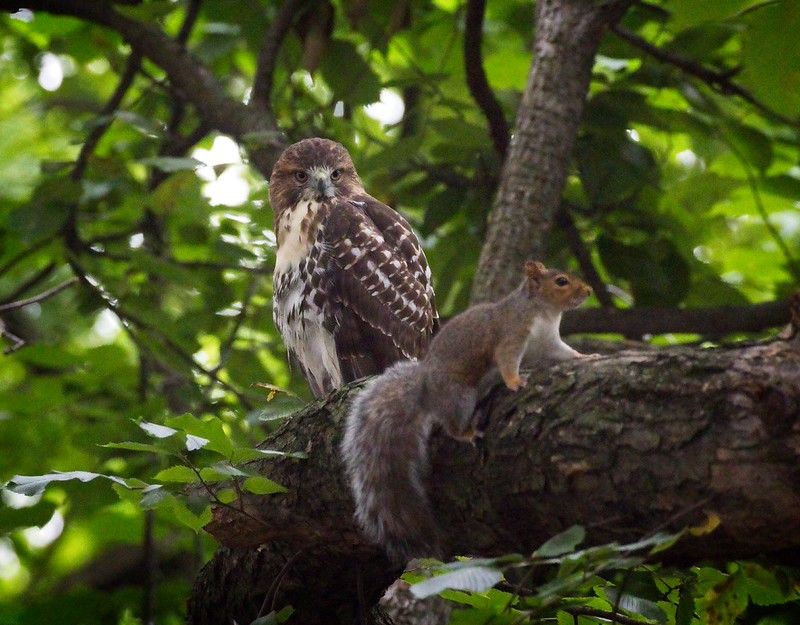
Those hawks gliding overhead and the owls that hoot at dusk are not just passing through by accident. Squirrels are a key part of their dinner plans.
As prey animals, squirrels support the predators that keep your neighborhood ecosystem in balance. Hawks, owls, foxes, and other hunters rely on a steady supply of small mammals to survive and raise their young.
Remove the squirrels, and you may quietly push those larger, more dramatic animals out of the area too. Many gardeners actually enjoy spotting a red-tailed hawk perched on a fence, and that sighting often depends on there being enough squirrels around to eat.
There is a certain magic in knowing your ordinary backyard plays a role in feeding wild predators. It connects your small green space to a much larger chain of life.
Before you decide to chase off every squirrel, consider the ripple effect. Fewer squirrels can mean fewer hawks, fewer owls, and a quieter, emptier sky overhead that many nature lovers would genuinely miss.
6. They Provide Hours of Free Entertainment
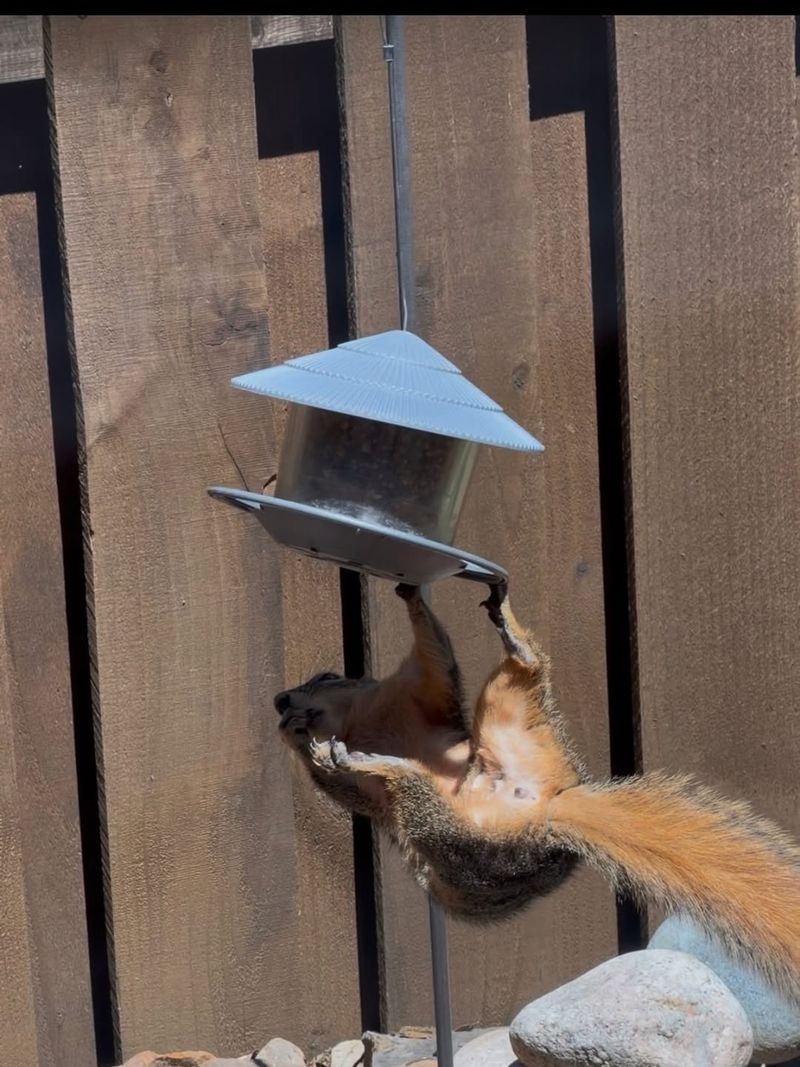
Forget streaming services for a minute. Some of the best comedy in the world is happening right outside your kitchen window, starring the local squirrels.
Watching a squirrel attempt an impossible leap, wrestle with a stubborn nut, or outsmart a so-called squirrel-proof bird feeder is genuinely fun. Their acrobatics, standoffs, and sudden sprints across the lawn bring a spark of life to an otherwise quiet yard.
For people who work from home or spend long stretches alone, this daily show matters more than it sounds. A few minutes of watching wildlife has a way of easing stress and pulling you out of your own head.
Kids especially love it. A single squirrel chase can hold a child’s attention longer than most toys, and it sparks curiosity about how animals live.
Chasing squirrels off means canceling the free nature channel that plays outside every single day. Instead of viewing them as intruders, consider setting up a comfy chair by the window and enjoying the antics. Your furry neighbors may be the most reliable entertainment you never signed up for.
7. Nibbled Fungi Help Trees Thrive
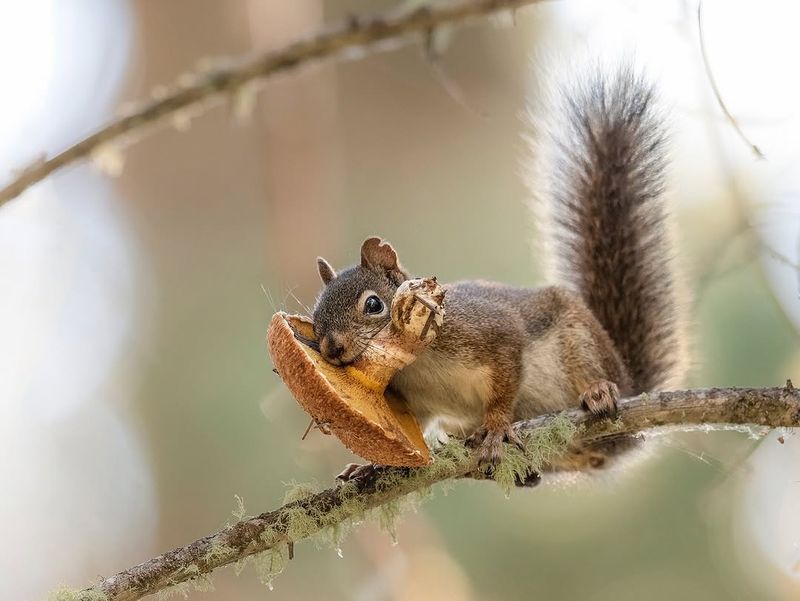
Here is something that rarely makes the list of squirrel talents: they help spread the underground fungi that trees depend on to grow strong.
Squirrels eat certain mushrooms and truffle-like fungi, then move around and deposit the spores through their droppings. Many of these fungi form partnerships with tree roots, trading nutrients in a relationship that helps forests and even backyard trees flourish.
Without animals to carry those spores, some of these beneficial fungi would struggle to reach new soil. Squirrels act as tiny delivery trucks, spreading them far beyond where a single mushroom could ever travel on its own.
For your yard, that can mean the trees you already love are getting quiet support from a network you cannot even see. Healthier root fungi often translate to trees that handle drought and stress a little better.
It is easy to overlook such an invisible service. Yet this fungal spreading is one of the more remarkable things squirrels do, and it is a solid reason to let them roam your yard instead of running them off in frustration.
8. They Teach Kids to Love Nature
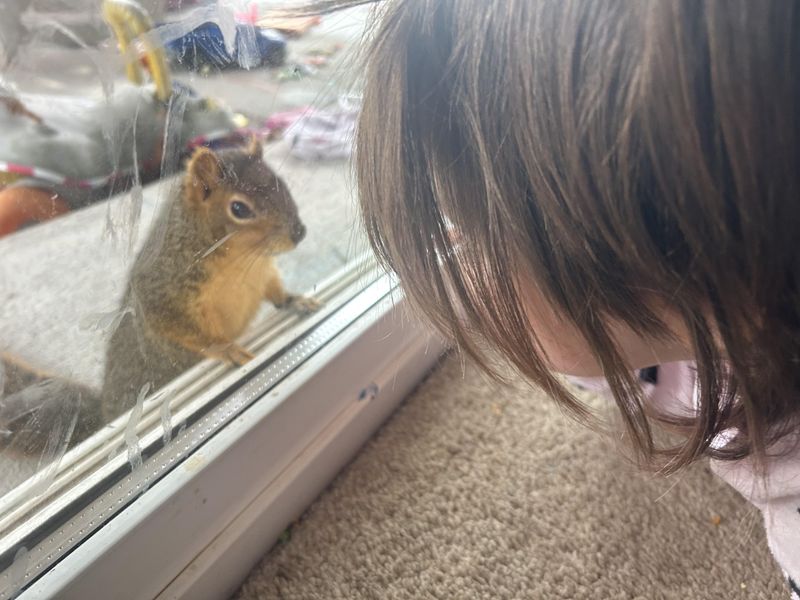
A child’s first real connection to wildlife often starts with a squirrel, not a lion at the zoo. That common little creature can spark a lifetime of curiosity.
Squirrels are close, visible, and active enough that kids can watch them behave, gather food, and interact without any special equipment. Naming the neighborhood squirrel becomes a small daily ritual that turns a backyard into a classroom.
From those moments, children start asking bigger questions about how animals survive, why they bury food, and how seasons change their behavior. Real observation beats a textbook photo every time.
Parents and grandparents can use these sightings to talk about respecting animals, sharing space, and caring for the environment. Lessons like that tend to stick when a live, twitchy-tailed example is right there on the lawn.
If you chase every squirrel away, you remove one of the easiest and most joyful entry points into the natural world for a young person. Keeping a few around may help raise the next generation of thoughtful, nature-loving kids, one backyard sighting at a time.
9. Cleaning Up Fallen Nuts and Fruit
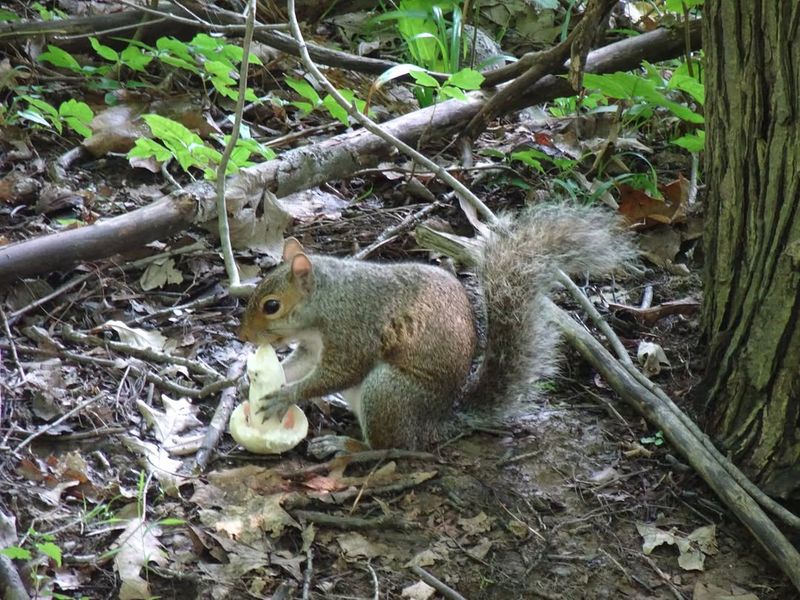
Ever tripped over a pile of fallen acorns or slipped on rotting fruit under a tree? Squirrels quietly tackle that mess before it becomes your problem.
Trees drop a huge amount of nuts, seeds, and fruit every year, and left alone it can pile up into a slippery, moldy layer across your yard. Squirrels gather and eat much of that fallen bounty, thinning out the clutter naturally.
By hauling away acorns and munching on dropped apples or berries, they reduce the raw material that attracts other, less welcome visitors like rats and certain insects. Fewer rotting piles can mean a cleaner, less smelly yard overall.
They will not sweep your patio or bag your leaves, of course. But that constant foraging works like a slow, steady cleanup crew you never have to pay or schedule.
Instead of resenting the squirrels raiding your oak tree, picture the alternative: a thick carpet of decaying nuts and fruit rotting where it fell. Suddenly those busy foragers look a lot more like helpful groundskeepers than backyard bandits.
10. Chasing Them Is Usually a Losing Battle
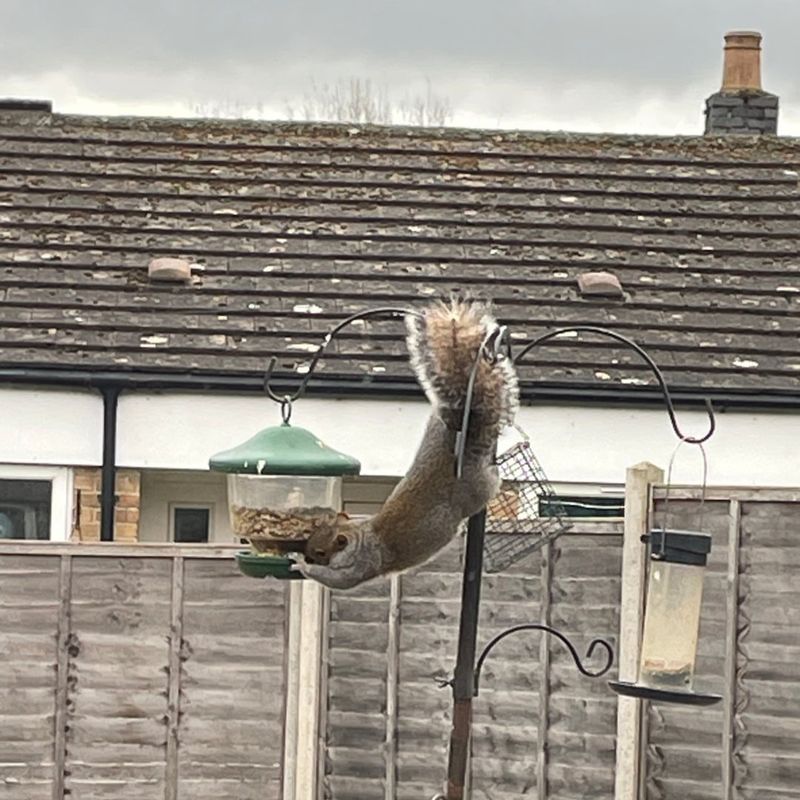
Let’s be honest about the odds here. You, with your busy schedule, versus a squirrel that does parkour for a living. Guess who wins that contest.
Squirrels are astonishingly agile, endlessly patient, and highly motivated by food. They can leap several feet, climb almost anything, and squeeze through gaps that seem impossibly small.
Spend an afternoon shooing one off, and it will simply wait in a nearby tree until you go back inside. Most deterrents work for a while, then the squirrels figure them out and carry on as before.
All that chasing burns your time and energy for very little lasting payoff. Fences get climbed, netting gets chewed, and clever feeders get cracked open by trial and error.
Rather than exhausting yourself in a fight you are unlikely to truly win, it often makes more sense to focus on protecting specific plants and making peace with the rest. Accepting that squirrels are here to stay can save you a surprising amount of frustration and free up your weekends for actual gardening.
11. They Support Bird Feeders in Odd Ways
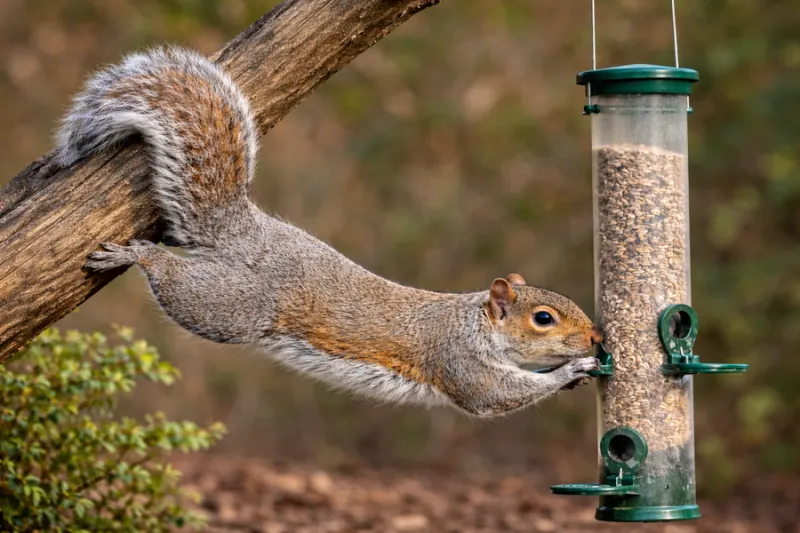
It sounds backwards, but the same squirrels raiding your feeder may actually help the birds you are trying to attract. The mess they make has a purpose.
When squirrels tussle with a feeder, they knock loose seeds onto the ground below. Ground-feeding birds like doves, sparrows, and juncos happily clean up those scattered leftovers that would otherwise stay locked in the feeder.
In this way, a single feeder ends up serving two different groups of visitors instead of one. The spillage creates a natural buffet at ground level that many species prefer anyway.
Squirrels can definitely be greedy, and no one is saying to let them empty your feeder every day. Baffles and smart placement can strike a fair balance so the birds still get plenty.
Still, the total picture is rarely as one-sided as it feels when you watch a squirrel hang upside down draining your seed. A little spillage often means a livelier, more diverse crowd of birds gathering in your yard, which is exactly what most feeder owners hoped for in the first place.
12. Their Presence Deters Certain Rodents
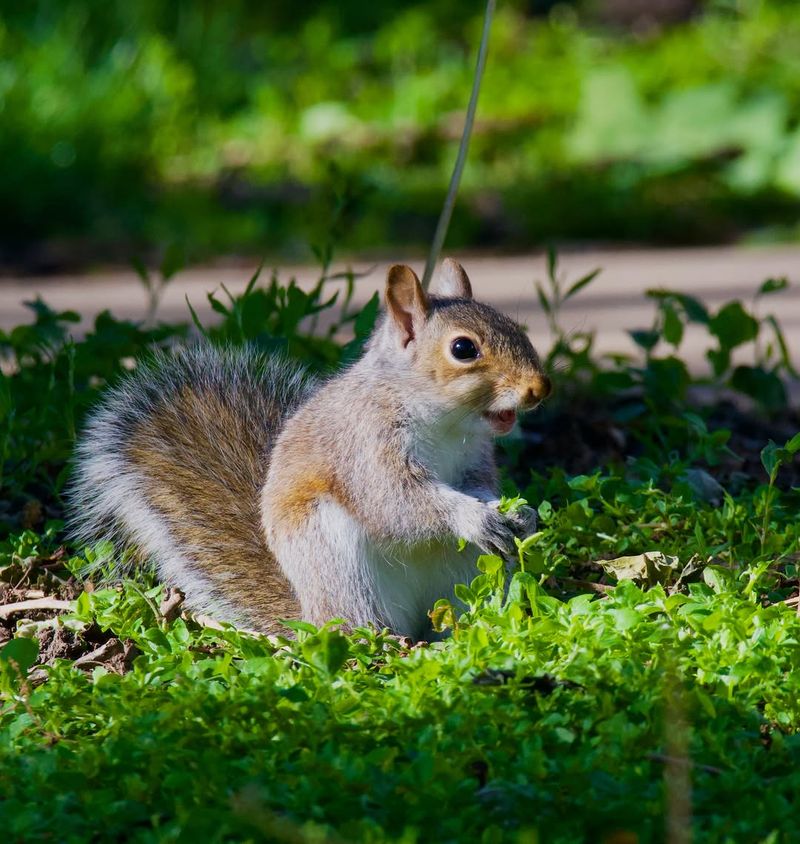
Here is a twist worth chewing on: some experts suggest that busy, territorial squirrels can make your yard less appealing to sneakier rodents like rats.
Squirrels are active during the day and tend to dominate the food sources they claim. Their constant movement, chatter, and competition for nuts can make a space feel crowded and contested to other small mammals looking for an easy meal.
Rats generally prefer quiet, undisturbed areas where they can operate unnoticed. A yard buzzing with daytime squirrel activity may not fit that description as neatly, which can nudge some rodents to look elsewhere.
Nobody should rely on squirrels alone to handle a rat problem, and good sanitation still matters most. But their bold, visible presence can add a layer of competition that discourages certain unwanted guests.
It is a strange thought that the animal raiding your feeder might also be helping crowd out something you would find far worse. Before declaring war on the squirrels, consider that removing them could leave an open, quiet space for less charming rodents to move right in.
13. They Prune and Shape Trees Naturally
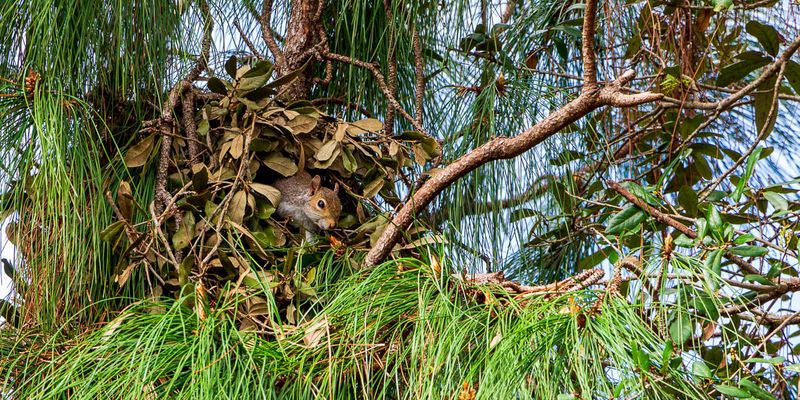
Squirrels are not just climbing your trees for fun. As they scurry, gnaw, and gather twigs for nests, they end up doing a rough form of pruning.
Small, weak, or dead twigs often snap off under a squirrel’s weight and constant activity. Chewing on branches to trim their ever-growing teeth can also remove bits of growth that the tree does not really need.
None of this is neat or intentional, and a squirrel will never replace a careful gardener with clippers. Still, that ongoing traffic through the canopy can help clear out some deadwood and encourage the tree to focus energy on healthier branches.
Nesting material gathering means squirrels regularly strip away flexible twigs, which can lightly thin dense areas of a canopy over time. More light and air reaching inner branches often supports better overall tree health.
So while you would never call a squirrel an arborist, its daily bustle through your trees does contribute a modest bit of natural upkeep. That is one more small reason to let them keep climbing rather than forcing them out.
14. Squirrels Boost Your Mental Well-Being
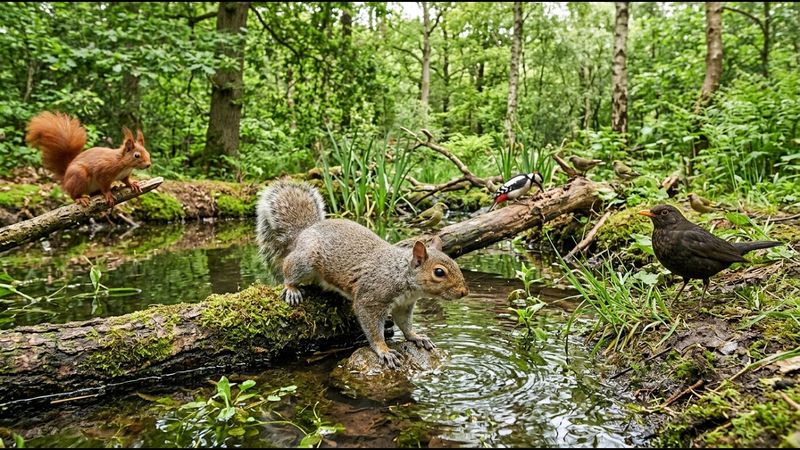
There is real science behind that calm feeling you get watching wildlife from your porch. Squirrels can genuinely be good for your mood.
Studies on nature exposure suggest that watching animals and spending time in green spaces can reduce stress, lower blood pressure, and lift your mood. A squirrel darting across the yard offers a quick, easy dose of that natural connection without leaving home.
For people dealing with anxiety, loneliness, or long days indoors, these small encounters add up. Naming a regular visitor or looking forward to its afternoon routine gives a gentle sense of companionship and rhythm to the day.
You do not need a hike or a national park to feel the benefits of nature. Sometimes it is as simple as a bushy tail flicking on the fence while you sip your morning coffee.
Chasing squirrels away removes one of the most accessible little sources of daily calm right outside your door. Letting them stay may quietly support your mental health in ways you never expected from such an ordinary backyard creature.
15. They Help Native Plants Spread
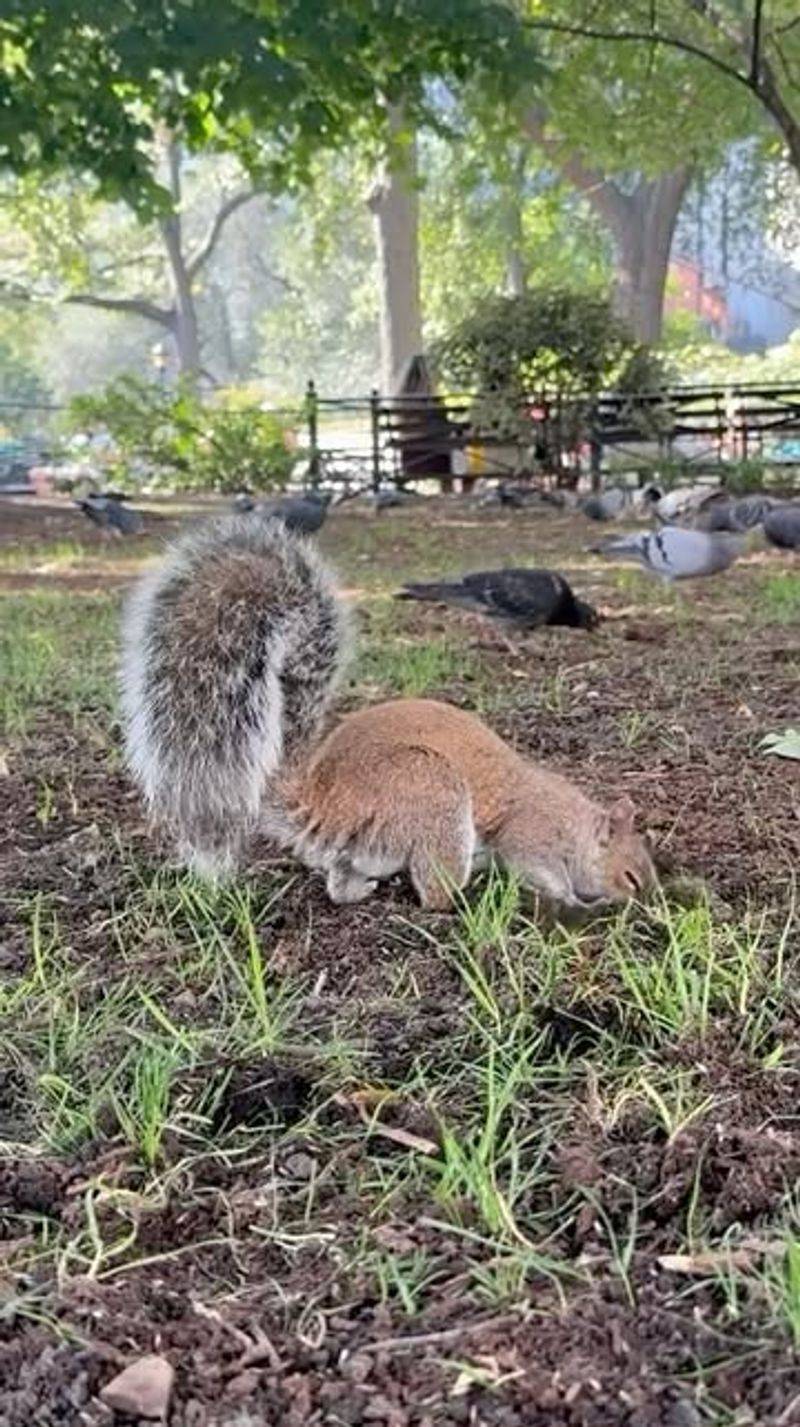
Beyond planting the occasional oak, squirrels play a broader role in moving native plants around your region than most people realize.
By burying and dropping seeds from many different plants, squirrels help native species travel to new spots where they can take root. Native plants support local pollinators, birds, and insects far better than most imported ornamentals, so spreading them matters for the whole food web.
Every seed a squirrel forgets is a small chance for a beneficial native plant to establish itself somewhere new. Over many seasons, this scattered seeding can help maintain the plant diversity that keeps a landscape resilient.
Gardeners who care about supporting bees, butterflies, and songbirds should appreciate any free help spreading the right plants. Squirrels do exactly that without any prompting or reward.
Of course, they cannot tell a treasured seed from a weed, so occasionally they plant something you would rather not have. But their overall contribution to native plant movement is a genuine ecological benefit, and one more reason to think twice before running your local squirrels out of the yard.
16. Removing Them Can Backfire Fast
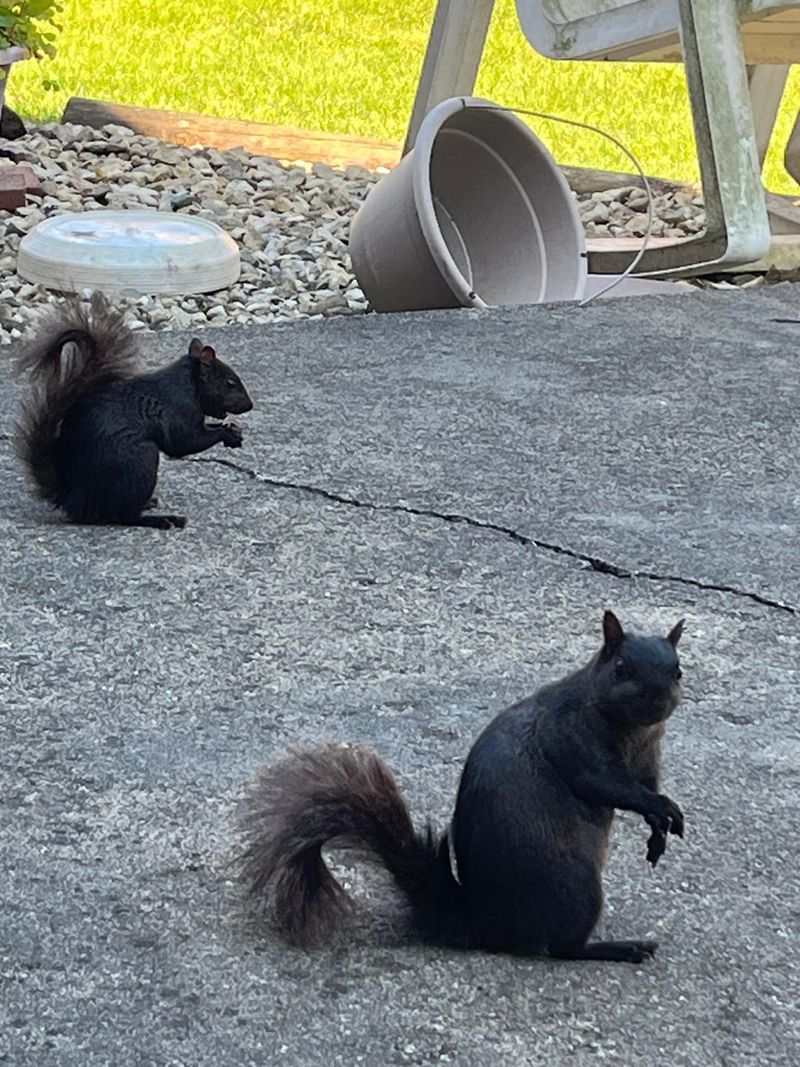
Nature hates a vacuum, and your yard is no exception. Clear out the resident squirrels and you may not enjoy who shows up to fill the gap.
When you remove animals from a territory, the food and shelter that drew them there does not disappear. New squirrels from surrounding areas often move in to claim the empty space, sometimes in greater numbers than before.
This constant turnover can actually create more chaos, as fresh arrivals test your defenses and stake out territory all over again. The familiar squirrels you knew are replaced by unpredictable newcomers.
In some cases, removing squirrels opens the door for other animals entirely, and not always ones you would prefer. An established, stable squirrel population that ignores most of your yard may be far easier to live with than a revolving cast of strangers.
Rather than fighting an endless removal battle, learning to coexist with the squirrels you already have often brings more peace. Sometimes the neighbors you know really are better than the ones you would get by forcing them out.
17. They Add Life to a Winter Yard
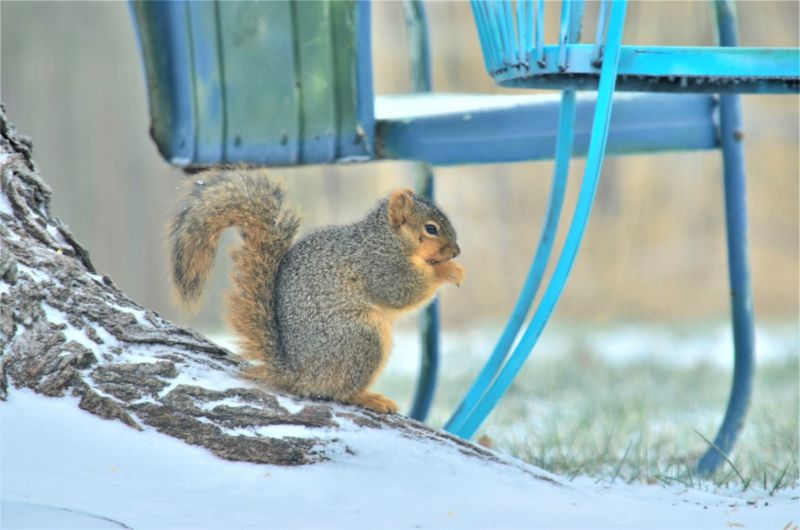
When the flowers fade and the garden goes gray and bare, squirrels keep the show going. They are one of the few active creatures you will see all winter long.
Unlike many animals that hibernate or migrate, squirrels stay busy through the cold months, digging up their buried stashes and dashing across the snow. That flicker of movement brings welcome life to a yard that would otherwise feel frozen and empty.
For gardeners who miss their plants during the off-season, a squirrel bounding across a snowy lawn is a small but real comfort. It reminds you that your yard is still a living place even when nothing is blooming.
Their winter activity also helps other wildlife, since disturbed snow and dug-up food can benefit birds and other foragers scraping through the lean months.
Chasing squirrels away leaves you with an especially lifeless landscape once winter sets in. Keeping them around means there is always something to watch out the window, even on the shortest, dreariest days of the year.
18. Coexisting Is Easier Than You Think
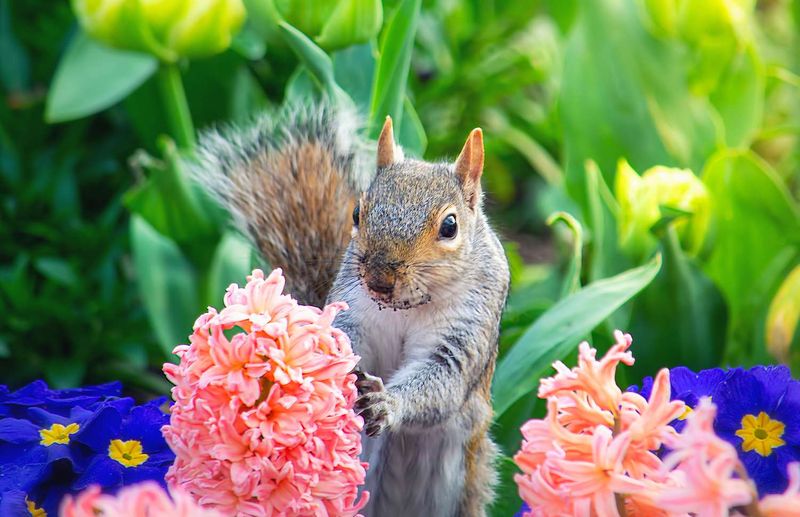
After all these reasons, the biggest surprise might be how simple it is to live alongside squirrels without giving up your garden dreams.
Instead of waging war, you can protect the specific things that matter most. Wire cages over prized bulbs, baffles on feeders, and a few sacrificial nuts tossed to the far corner of the yard can redirect squirrel attention where it does little harm.
Choosing squirrel-resistant plants for vulnerable beds may reduce the damage even further. Daffodils and alliums, for example, tend to be left alone, so mixing them in can help guard tastier neighbors.
The goal is not a perfectly squirrel-free yard, which is nearly impossible anyway, but a fair truce where both you and the wildlife get what you need. Small, smart adjustments usually beat exhausting, endless chasing.
Once you stop fighting and start managing, the whole relationship shifts. Squirrels become charming residents rather than enemies, and your yard grows into a livelier, more balanced place. Learning to share your space may be the single most rewarding gardening decision you make all year.