
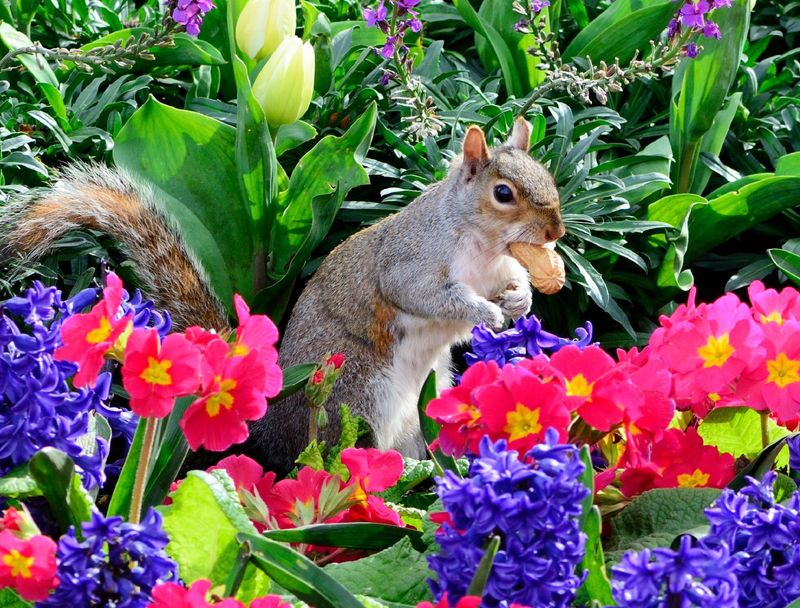
If squirrels and chipmunks keep digging up your bulbs, snacking on your tomatoes, or raiding the bird feeder, you are not alone. The good news is that these little raiders have very sensitive noses, and certain plants give off smells they would rather avoid. Tucking strong-scented plants into the spots where they keep causing trouble may help nudge them somewhere else without traps or harsh chemicals. Here are 20 scents worth trying in your garden this season.
1. Peppermint
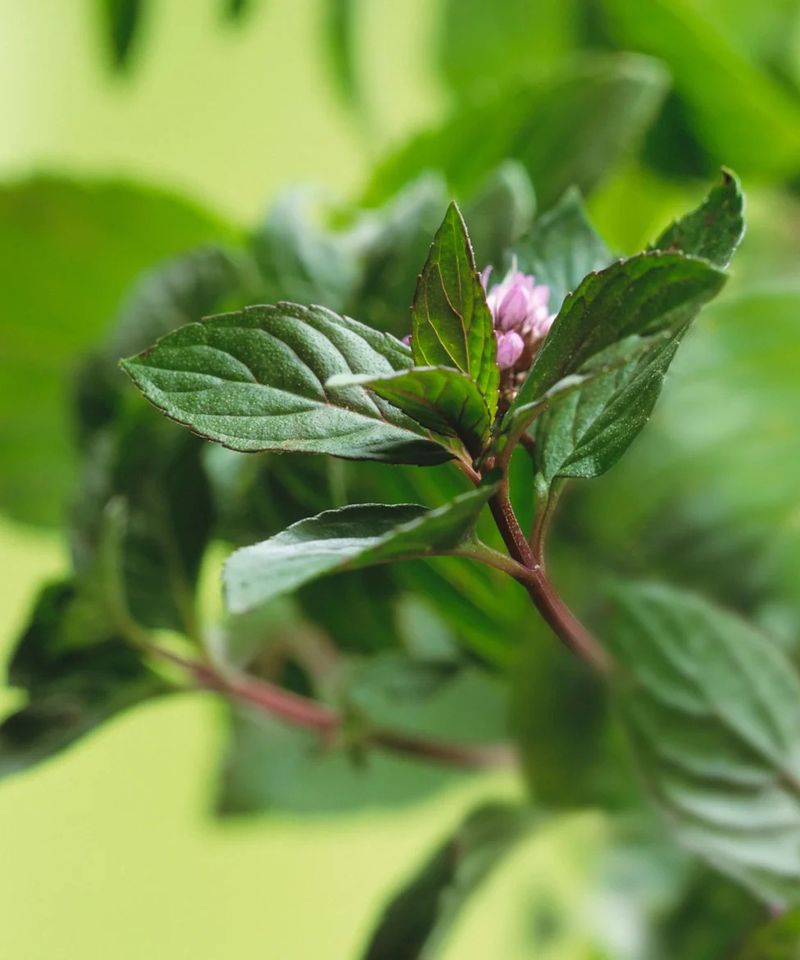
Rub a peppermint leaf between your fingers and you get an instant blast of menthol. To a squirrel or chipmunk, that same cool sharpness reads as overwhelming, which is exactly why gardeners reach for it first.
Peppermint spreads eagerly, so plant it in pots or sink a buried container near your bulb beds and feeders to keep it from taking over. The strong oils are what do the work, and crushing a few stems every week can freshen the scent when it fades after rain.
Position pots right along the raiding path, on porch steps, or beside raised beds where rodents like to climb in. Many folks pair the living plant with a few cotton balls soaked in peppermint oil for extra punch during heavy pressure.
Fun bit of trivia: peppermint is actually a natural hybrid of watermint and spearmint, so its scent is doubly intense. Just remember that scent deterrents may reduce visits rather than guarantee a rodent-free yard, so combine peppermint with fencing or netting around your most prized plants for the best odds.
2. Lavender
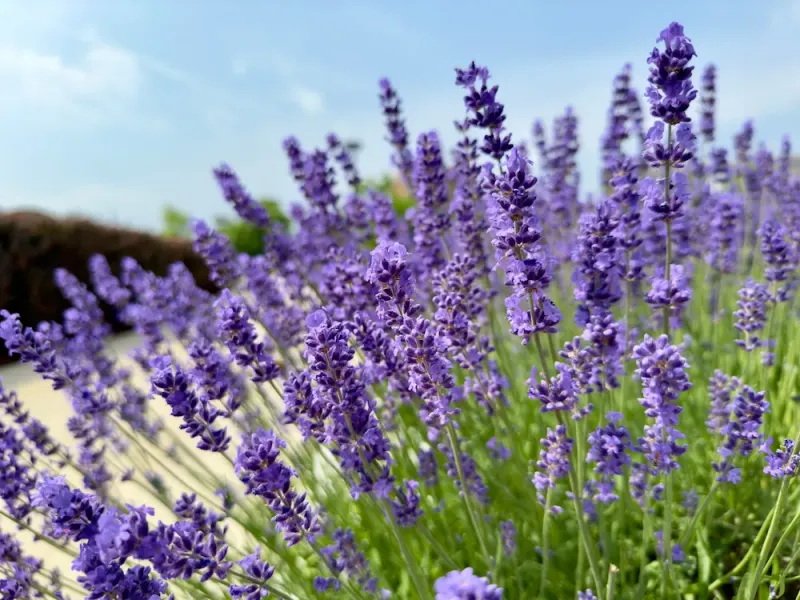
Gardeners love lavender for its calming purple spikes, but the same soothing fragrance that relaxes people tends to send squirrels and chipmunks in the other direction. Their noses find the strong floral oils far too heavy to linger near.
Beyond its repelling power, lavender earns its spot by being tough and drought-friendly, thriving in the hot, sunny corners where many other repellent plants struggle. Plant it as a low border around flower beds or along walkways that rodents use as highways.
Because it blooms for weeks and keeps some scent in its foliage year-round, lavender offers longer-lasting protection than plants that only smell strong in summer. Bees and butterflies adore it too, so you get pollinators while discouraging diggers.
Try tucking a few plants right next to tulip and crocus bulbs, which chipmunks famously love to unearth. A quick tip: cutting and drying the flower stalks lets you scatter fragrant bundles in trouble spots indoors and out. Keep in mind that scent alone can reduce damage but rarely stops determined raiders completely, so pair it with buried wire mesh over bulbs.
3. Garlic
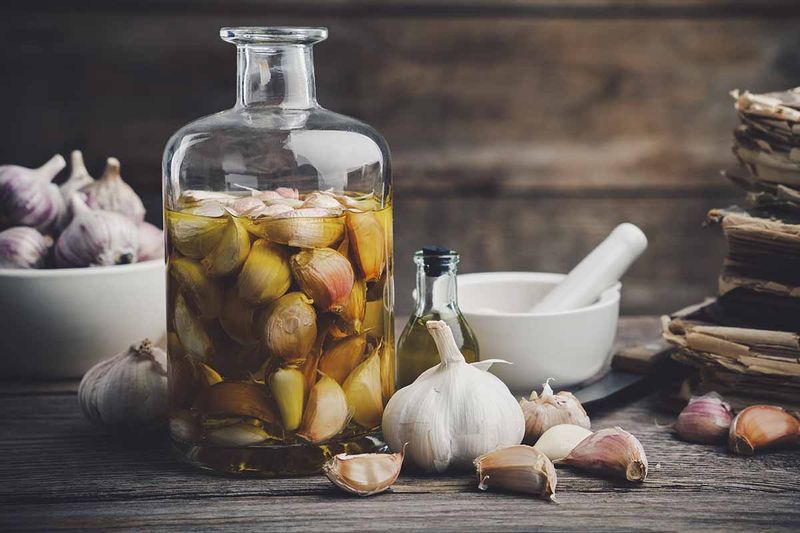
Nothing clears a room quite like fresh-cut garlic, and small mammals feel the same way about it. The sulfur compounds that give garlic its bite irritate the sensitive noses of squirrels and chipmunks, making treated beds far less inviting.
What sets garlic apart is that you can grow it and use it as a spray in one shot. Plant cloves in fall around the edges of your vegetable garden, and by the following summer you have both a living barrier and a harvest.
For faster results, blend a few crushed cloves with water, let it steep overnight, strain, and mist it around raided areas. Reapply after rain, since the smell washes away quickly.
Chipmunks that tunnel near foundations especially dislike garlic planted along their entry points. A fun note: garlic has been used to guard gardens and pantries for thousands of years, long before anyone bottled repellent spray.
Understand that garlic may discourage rather than fully evict a hungry rodent, so combine the planting and spraying approach with removing fallen seed and fruit that keeps drawing them back.
4. Marigold
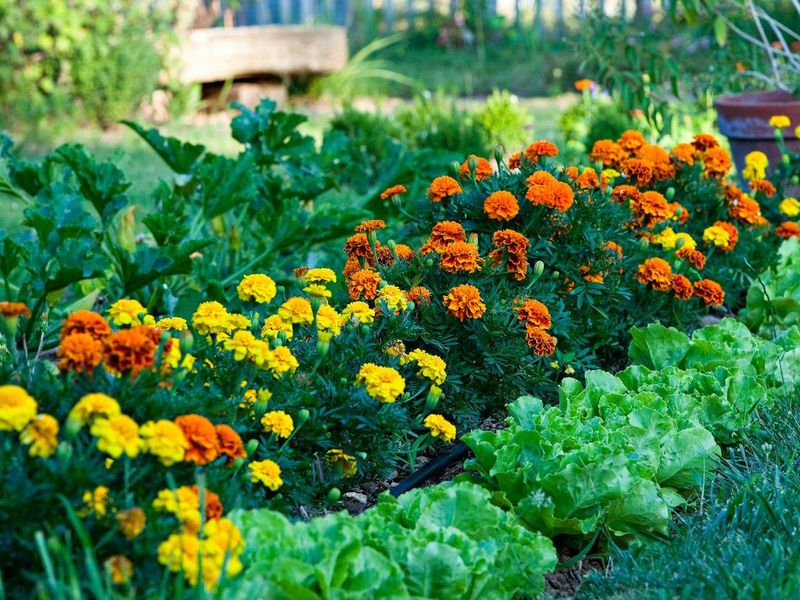
Cheerful and bright, marigolds pull double duty as garden decoration and rodent deterrent. Behind those sunny orange and gold blooms hides a pungent, almost musky odor that squirrels and chipmunks generally steer clear of.
These flowers stand out on the list because they are cheap, fast-growing from seed, and forgiving even for beginners. Ring your tomato plants, cucumber vines, or bulb beds with a solid band of marigolds and you create a fragrant fence that also brightens the whole space.
The scent comes from the leaves and stems as much as the flowers, so brushing against them or giving them a light trim releases more of what pests dislike. They bloom right through the hot months when critter activity peaks.
Old-timers have planted marigolds among vegetables for generations, partly for pests below ground too. A handy trick is starting them indoors early so you have sturdy plants ready the moment raiding season begins.
Do keep expectations realistic, though, since marigolds can lower visits but may not fully stop a determined squirrel, so back them up with netting on your most valuable crops.
5. Daffodil
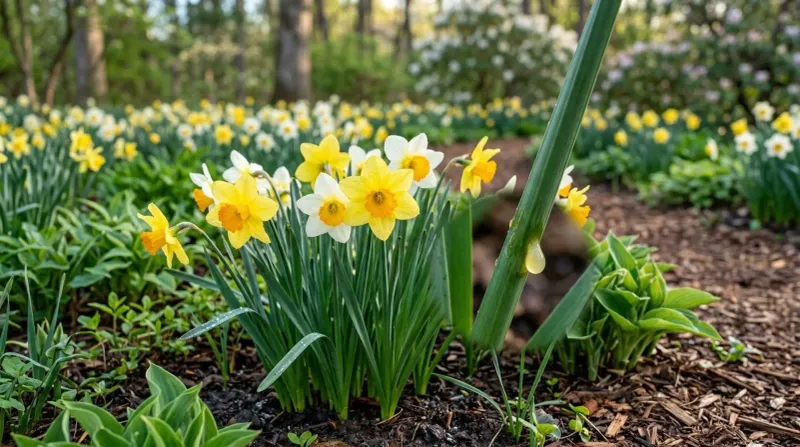
Here is a flower that quietly protects itself and its neighbors. Daffodils contain a bitter, mildly toxic compound called lycorine, and both the taste and smell tell squirrels and chipmunks to keep their paws off.
What makes daffodils clever is their timing and placement. Interplant them among tulips and crocuses, which rodents love to dig, and the daffodils act like fragrant bodyguards guarding the treats next door.
Because they come back every spring and multiply on their own, a single planting keeps working for years with almost no effort. They pop up early, right when hungry critters are hunting for buried bulbs after winter.
Plant them in clusters at the border of beds and along the front edge where digging usually starts. A fun fact worth sharing: entire fields of daffodils go untouched by wildlife precisely because nearly every animal finds them unpalatable.
While their scent and bitterness are a strong natural line of defense, remember that a truly determined chipmunk might still poke around nearby, so scatter daffodils generously rather than counting on one or two to shield an entire bed.
6. Rosemary
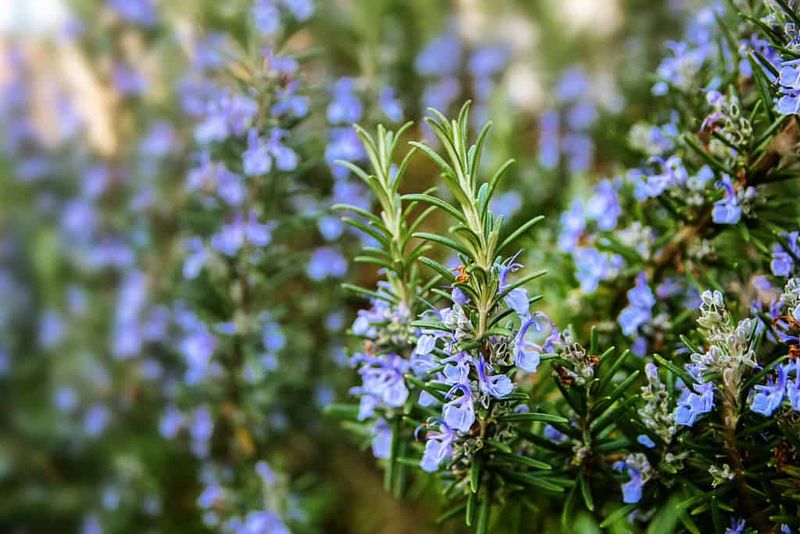
Run your hand along a rosemary bush and the piney, resinous smell clings to your skin for hours. Squirrels and chipmunks find that same evergreen intensity far too strong, so a healthy rosemary plant works as a fragrant guard.
Its advantage over softer herbs is toughness. Rosemary grows into a sturdy woody shrub that holds its scent all year in mild climates, giving you protection long after annual flowers have faded.
Set it near raised beds, at the corners of vegetable plots, or in pots by the back door where critters like to sneak in. The needle-like leaves stay fragrant even in winter, and a light trim releases a fresh wave of oils.
You get a bonus too, since the same sprigs that bother rodents make wonderful seasoning for roasts and bread. Snip freely and the plant only grows bushier.
A little history: rosemary was once burned to freshen sickrooms because its scent was considered purifying. As with any smell-based method, expect it to discourage raiders more than banish them, so combine rosemary with removing easy food sources nearby.
7. Alliums (Ornamental Onion)
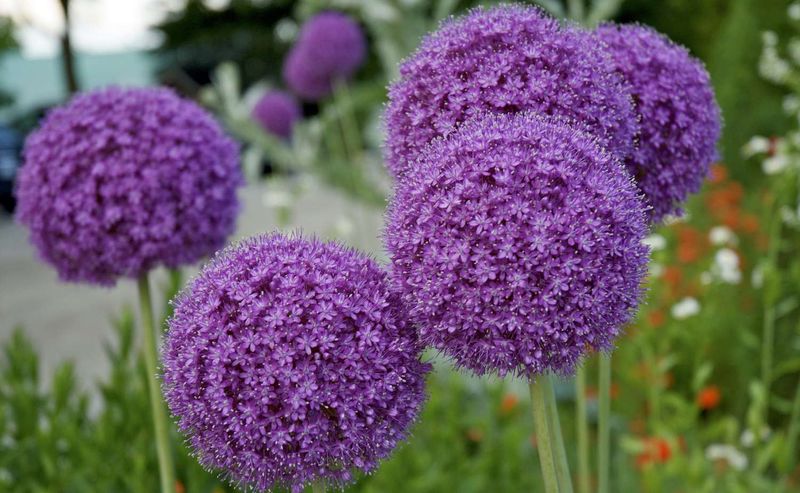
Picture tall stalks topped with purple globe-shaped flowers, and you have alliums, the ornamental cousins of onions and garlic. They carry that unmistakable oniony sharpness in their leaves and stems, which squirrels and chipmunks would rather avoid.
Their standout quality is the combination of striking looks and built-in defense. Few repellent plants look as dramatic in a flower bed, so you never have to choose between beauty and protection.
Plant the bulbs in fall alongside tulips and other tasty targets, and the alliums help mask and guard the whole cluster. Deer tend to skip them too, which is a nice bonus in areas with heavy browsing.
The scent grows stronger when leaves are bruised, so planting them where they get brushed by paws or people works in your favor. They come back yearly and multiply, spreading the coverage over time.
Bees flock to the flower globes even as rodents stay away, giving you pollinators without the pests. Keep in mind that alliums can lower digging pressure but seldom eliminate it entirely, so scatter them widely and pair with mesh over prized bulbs.
8. Hyacinth
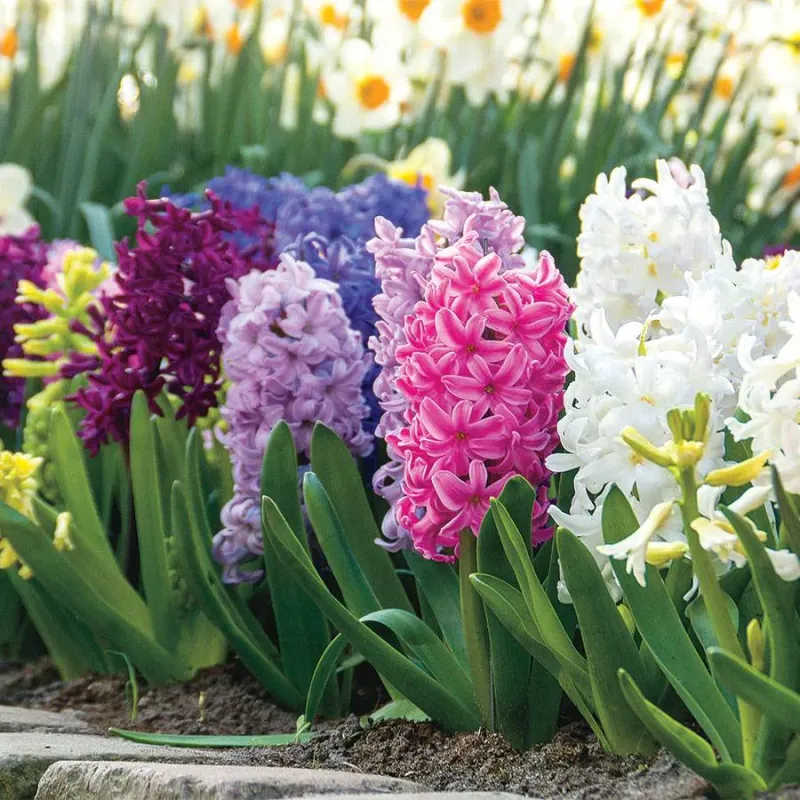
Few spring flowers smell as powerfully sweet as hyacinths, and that heavy perfume is exactly what turns rodents away. The dense fragrance that fills a whole yard feels overwhelming to a chipmunk’s delicate nose.
Hyacinths deserve a spot here because they bloom early, right when squirrels are frantically digging for buried food after a long winter. Their bulbs also contain compounds that most animals find distasteful, so they rarely get eaten.
Tuck them among crocuses and tulips as fragrant sentries, or line them along the front edge of a bed where paws tend to start scratching. The thick flower spikes come in blues, pinks, and whites, so they earn their keep as decoration.
A quick tip: wear gloves when handling the bulbs, since they can irritate sensitive skin, another clue about why animals leave them be.
Their scent tapers off once blooming ends, so treat hyacinths as an early-season shield rather than a full-year solution. Pairing them with buried wire cages around your favorite tulip bulbs will give those vulnerable treats extra protection when the hyacinth perfume fades.
9. Peppers (Capsaicin)
Hot peppers bring the heat in more ways than one. The capsaicin that makes chili peppers burn your mouth also irritates the eyes, noses, and mouths of squirrels and chipmunks, giving them a memorable reason to move along.
Growing spicy peppers in and around your beds is one thing, but the real power comes from turning them into a homemade spray. Blend a few hot peppers with water and a drop of dish soap, strain, and mist it over the areas being raided.
Unlike floral scents that fade politely, capsaicin leaves a lasting sting that pests learn to associate with your garden. Reapply after rain since it washes off, and always wear gloves while mixing.
Set potted pepper plants near feeders and along fence lines where climbing critters pass. You harvest dinner and defend the garden at the same time.
A word of care: keep the spray off your own eyes and skin, and off plants you plan to eat right away. Capsaicin can strongly discourage raiders, though determined animals may still test their luck, so reapply consistently for best results.
10. Catnip
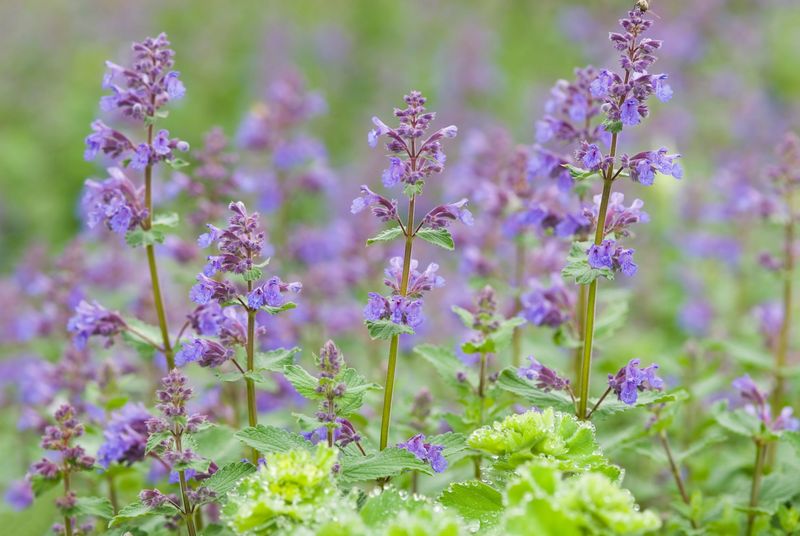
Cats may go wild for catnip, but squirrels and chipmunks have the opposite reaction. The same aromatic oil, nepetalactone, that delights felines works as a turnoff for many small garden raiders.
Catnip stands apart because it is nearly unkillable and spreads fast, quickly forming a fragrant mat wherever you plant it. That vigor makes it perfect for filling in problem corners cheaply, though a container will keep it from swallowing the whole bed.
Plant it near vegetable rows, along foundations where chipmunks tunnel, or in pots by the feeder. Brushing or trimming the leaves releases more of the minty, herbal scent that keeps pests uneasy.
There is an amusing bonus and drawback in one: neighborhood cats may come lounge in your garden, and their presence alone often scares rodents off even more than the plant does.
A fun fact: catnip belongs to the mint family, which explains why so many of its relatives also repel critters. Treat it as one layer of defense, since scent-based deterrents may reduce rather than eliminate raiding, and clear away spilled birdseed that keeps luring them in.
11. Onion
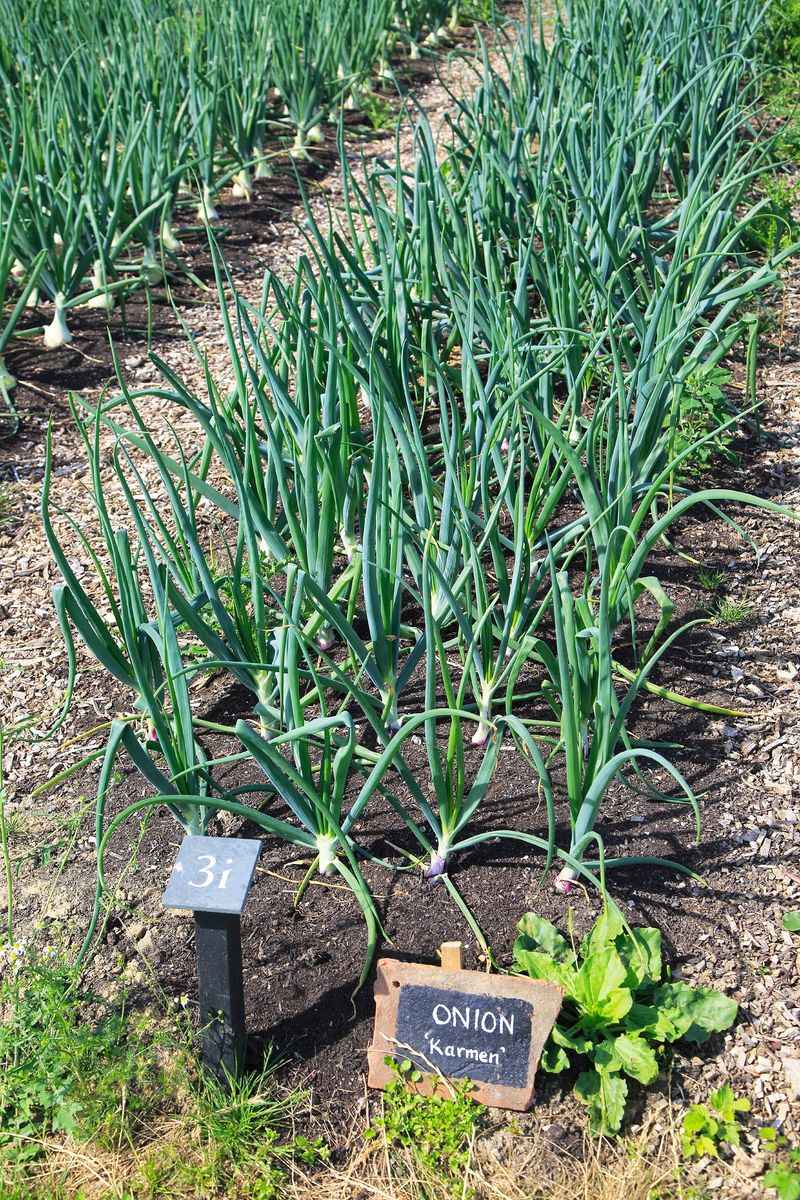
The same vegetable that makes cooks tear up gives rodents a strong reason to keep their distance. Onions release sharp sulfur gases when bruised or cut, and squirrels and chipmunks find that pungent cloud genuinely off-putting.
Onions make the list because they are so easy to weave into an existing vegetable garden without any special fuss. Plant sets in spring along the edges of beds you want to guard, and they form a low, fragrant perimeter as they grow.
For quick relief in a hard-hit spot, chop a few onions and scatter the pieces around, though refreshing them regularly keeps the smell effective. The odor is strongest right after cutting.
Chipmunks that dig near patios and foundations tend to avoid areas laced with onion scent. As a bonus, you harvest a kitchen staple at the end of the season.
Keep in mind that onions are mildly toxic to pets like dogs, so place them thoughtfully. And since smell deterrents can lower visits without fully stopping them, combine your onion border with cleaning up fallen fruit and seed that keeps drawing raiders back.
12. Thyme
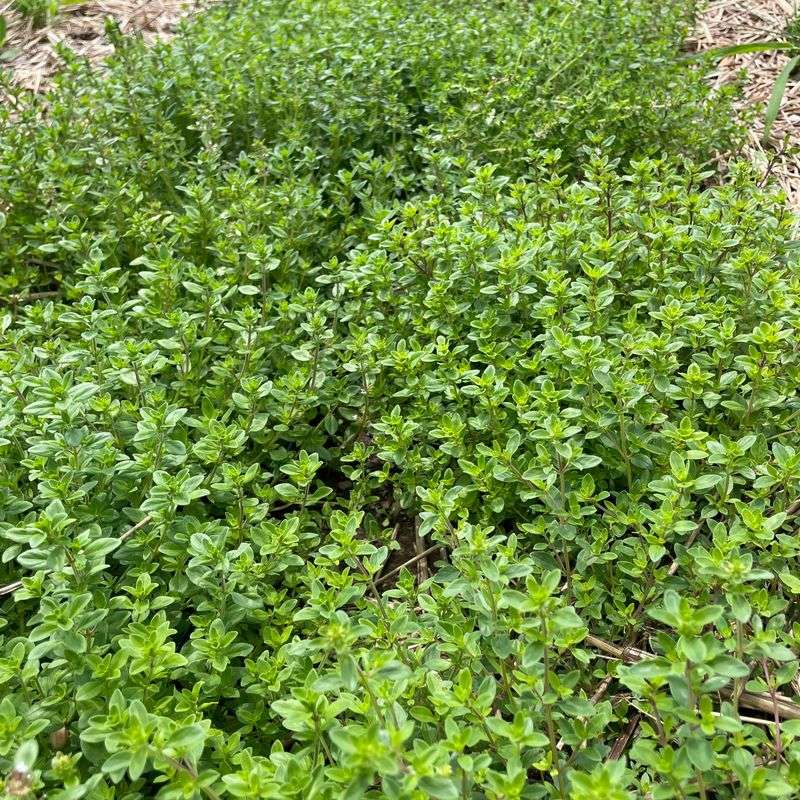
Low and creeping, thyme carpets the ground with tiny leaves that pack a surprisingly bold herbal punch. Its concentrated oils give off a sharp scent that squirrels and chipmunks tend to find unwelcome underfoot.
Thyme’s special role is as a living ground cover. While taller plants guard the edges of a bed, thyme fills the open soil between them, covering the very ground where critters like to dig and bury.
Plant it in the gaps around bulbs and vegetables, and every time an animal steps on it the scent releases stronger. It handles poor soil and drought like a champ, so it thrives in the sunny, neglected spots where problems often start.
You can snip the same fragrant sprigs for the kitchen, and the plant simply grows denser in response.
A little history: thyme was once used to keep insects out of stored linens, another sign of how many pests dislike it. Because scent-based methods may discourage more than fully prevent raiding, use thyme as a helpful ground layer alongside sturdier barriers over your most treasured plantings.
13. Geranium (Scented)
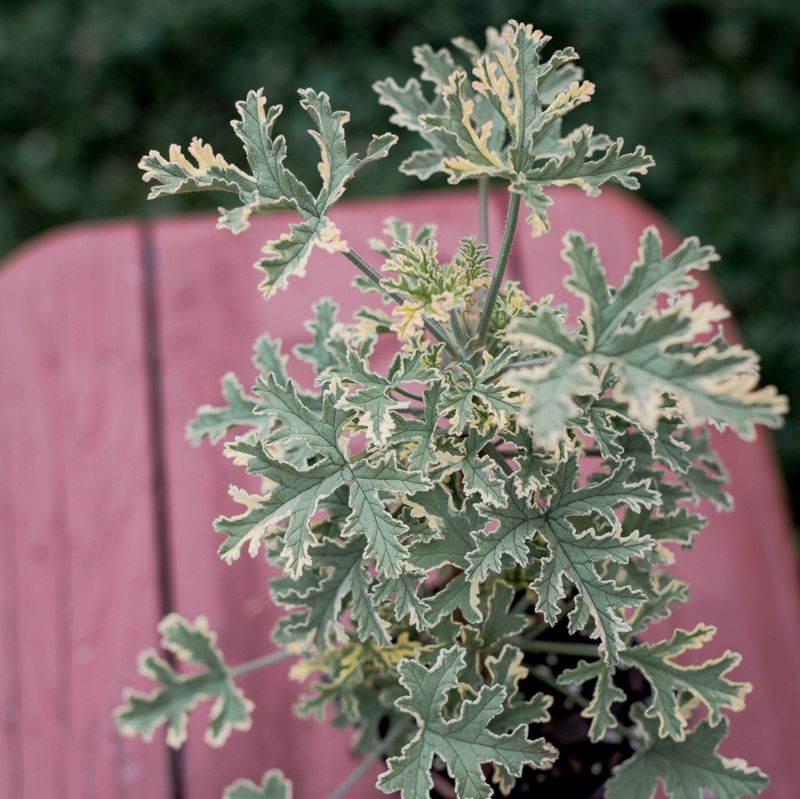
Not the flashy red flowers you see in window boxes, but scented geraniums are the real workhorses here. Their leaves come in aromas from rose to lemon to citronella, and those strong perfumes overwhelm the sensitive noses of small raiders.
What makes them useful is versatility. You can grow them in pots and move them exactly where the trouble is, shifting the fragrant plants to the feeder one week and the flower bed the next.
Set them at the base of climbing routes, on porch railings, or beside vegetable beds. Simply brushing the leaves fills the air with scent, so plant them where paws and clothing will graze them often.
The citronella-scented varieties add a bonus by bothering mosquitoes too, turning one plant into double protection.
Here is a neat detail: these plants earned the nickname mosquito plant even though it is the crushed leaves, not the living plant alone, that releases the strongest smell. As always, treat scented geraniums as one part of a bigger plan, since fragrance can reduce visits but rarely stops a truly determined squirrel from testing the buffet.
14. Sage
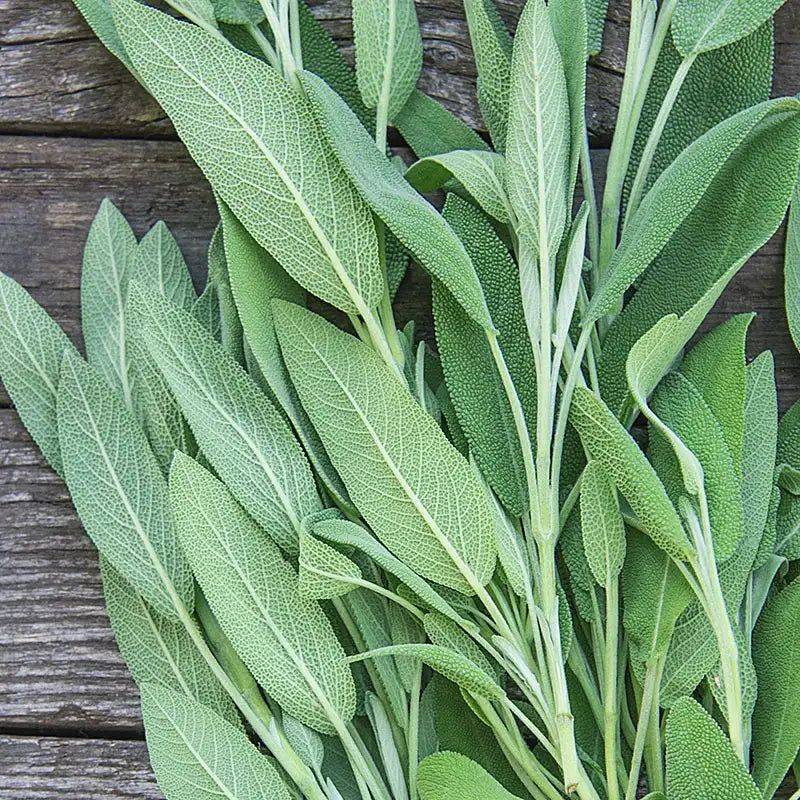
With soft silvery-green leaves and a warm, earthy aroma, sage looks gentle but smells intense enough to bother garden raiders. The oils packed into those fuzzy leaves put off squirrels and chipmunks who prefer milder surroundings.
Sage earns its place by being a hardy perennial that returns year after year, so one planting keeps guarding your beds for many seasons. It shrugs off drought and poor soil, making it reliable in tough spots.
Plant it near the corners of vegetable gardens or beside frequently raided flower beds, and give it room to spread into a small shrub. Rubbing or trimming the leaves sends out a fresh burst of that signature scent.
The kitchen payoff is real too, since the same leaves flavor stuffing, sausages, and roasted vegetables beautifully.
A fun tidbit: dried sage has been burned for centuries to freshen and clear the air, a hint at how powerful its aroma truly is. Since aroma-based deterrents may cut down raiding without fully ending it, pair your sage with tidy habits like removing fallen seed and covering vulnerable bulbs.
15. Fritillaria (Crown Imperial)
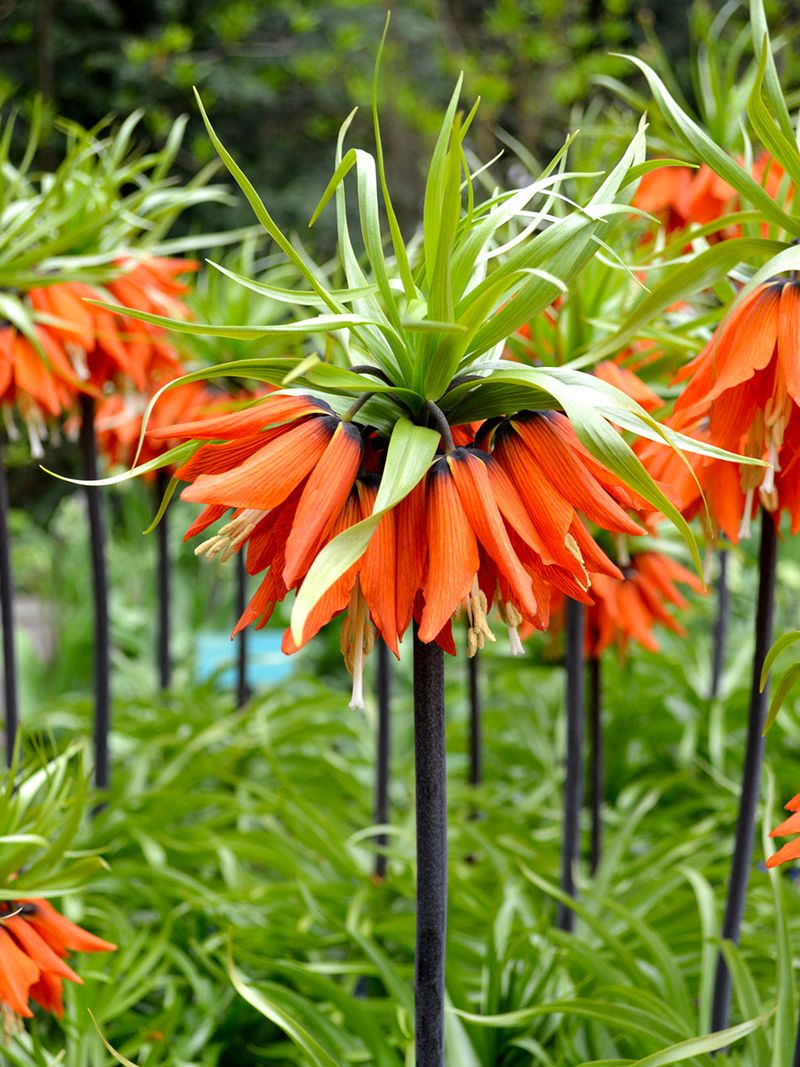
Tall and dramatic with a crown of bell-shaped blooms, fritillaria hides a secret weapon: it stinks. Many people describe its skunky, foxy odor as downright musky, and that unusual smell sends rodents packing.
Crown imperial stands out for being the plant that repels through pure funk rather than sweetness or spice. The bulbs and foliage give off an odor that squirrels, chipmunks, and even moles seem to genuinely detest.
Plant the bulbs in fall right among your tulips and crocuses, where their smell forms an invisible fence around the tastier treats. Come spring, they shoot up into striking towers that also grab attention in the garden.
Because the odor lives in the plant itself, you get protection with zero mixing, spraying, or refreshing needed.
An interesting note: the funky smell is strongest when the soil is disturbed, which is exactly when a digging chipmunk would encounter it. As with every scent method, fritillaria may greatly reduce digging without offering an ironclad guarantee, so plant several bulbs throughout your most raided beds rather than relying on a lone stalk.
16. Basil
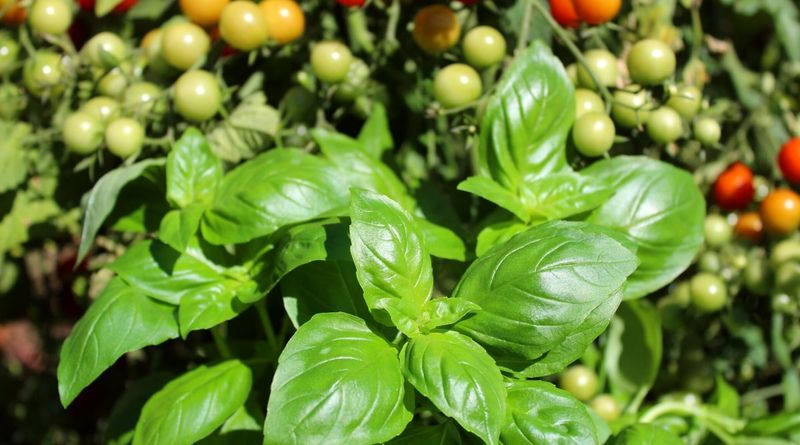
The same fragrant leaves that make pesto sing also send a clear message to garden raiders. Basil’s sweet, peppery aroma is so concentrated that squirrels and chipmunks usually give it a wide berth.
Basil is a great pick because it grows fast, loves the same warm summer weather when pest activity spikes, and fits right into any vegetable garden. Tuck it among tomatoes, which it famously helps flavor and protect at the same time.
Set pots along raiding paths, near feeders, or at the edges of raised beds. Pinching the leaves often, which you should do anyway to keep it bushy, releases wave after wave of that strong scent.
You harvest handfuls for the kitchen all summer while the plant keeps doing quiet guard duty outside.
A charming detail: gardeners have long planted basil beside tomatoes as companions, believing each helps the other thrive. Because scent-based defense may lessen rather than completely stop raiding, keep basil as one layer, and remove ripe fruit promptly so hungry critters have less reason to visit in the first place.
17. Mint (Spearmint)
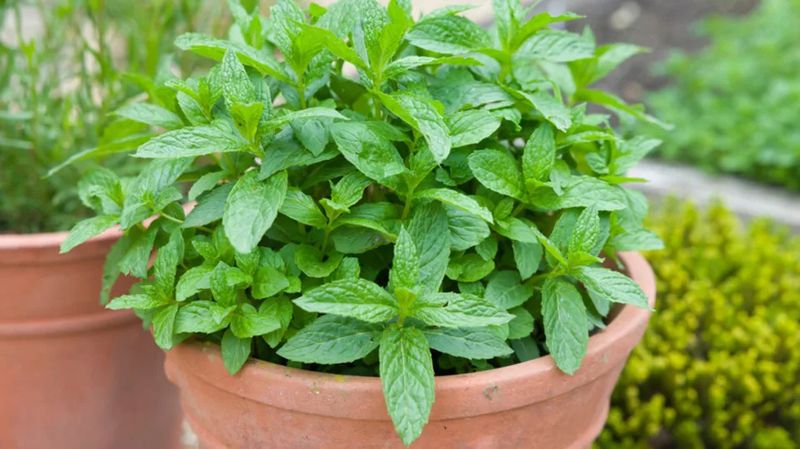
Where peppermint brings sharp menthol, spearmint offers a rounder, sweeter version of the same minty punch, and rodents dislike it just as much. Its aromatic oils flood the air whenever the leaves are touched or cut.
Spearmint deserves its own mention because it is even more vigorous and forgiving than its peppermint cousin, thriving in part shade where other repellent plants sulk. That makes it handy for shady problem corners near fences and foundations.
Grow it in a sunken pot or contained bed, since it spreads with real enthusiasm and can overrun neighbors if set loose. Place containers along the trails squirrels and chipmunks use to reach your feeders and beds.
The reward reaches your kitchen too, flavoring teas, drinks, and desserts all summer long from a plant that barely needs tending.
Fun fact: spearmint has been cultivated since ancient Roman times, prized for both its scent and its flavor. Keep expectations grounded, since a strong smell can reduce visits but seldom stops a determined raider outright, so combine your spearmint with netting on prized crops and prompt cleanup of spilled seed.
18. Chives
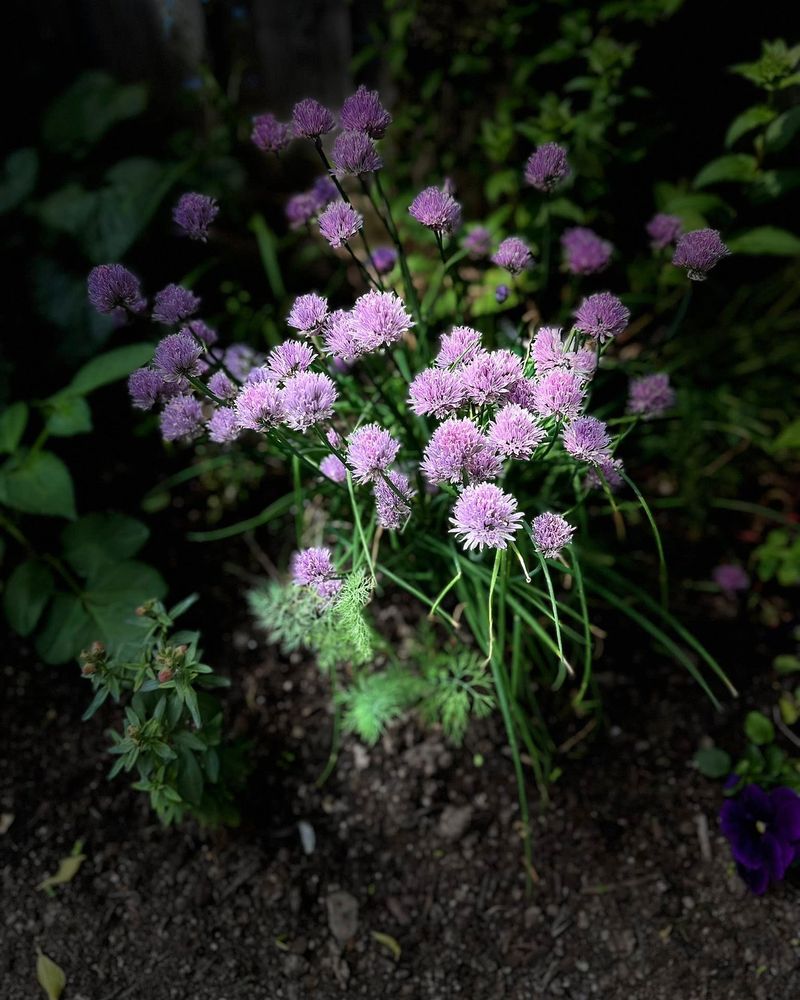
Slender, grassy, and topped with pretty purple pom-pom flowers, chives look delicate but carry the same oniony bite as their bigger relatives. That mild garlicky-onion smell is enough to make squirrels and chipmunks think twice.
Chives shine on this list because they are compact and neat, tucking easily into tight borders, containers, and the front edges of beds without sprawling. They come back every year and multiply, so a small planting steadily grows into a fragrant little hedge.
Set clumps around bulb plantings and along vegetable rows, and give the leaves a snip or a brush now and then to release more scent. The purple flowers are edible and draw pollinators, adding charm along with defense.
The kitchen bonus is generous too, since you can clip chives all season for salads, eggs, and potatoes while the plant keeps regrowing.
A quick note: chives are among the easiest herbs to grow from a single starter clump, quickly filling a whole border. Since scent-based methods may lower raiding rather than guarantee an end to it, weave chives among sturdier protections like buried mesh over your favorite bulbs.
19. Nasturtium
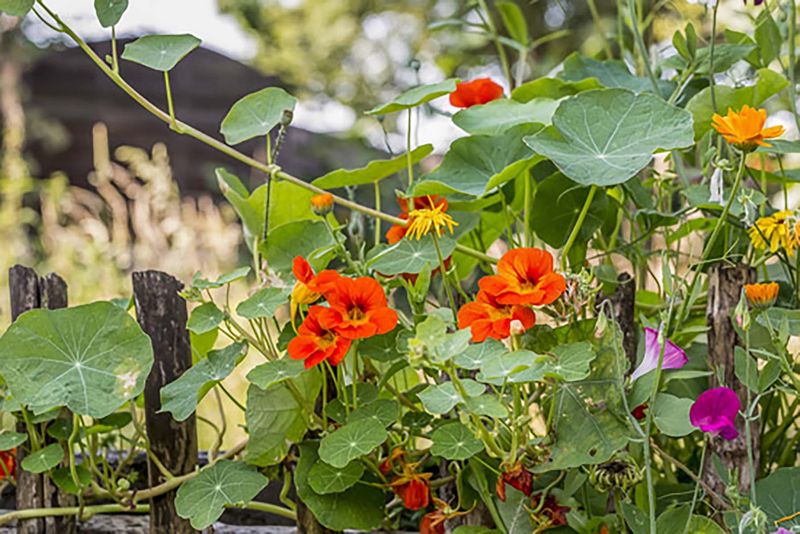
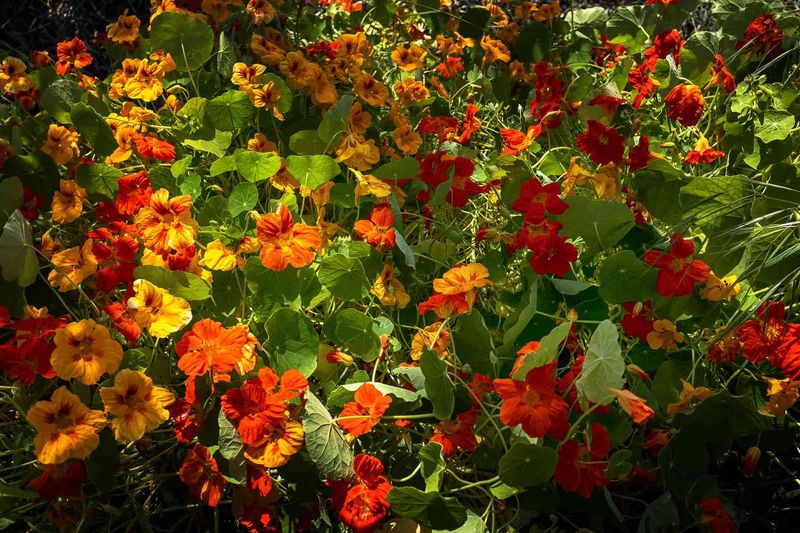
Bright, edible, and a little bit peppery, nasturtiums bring a spicy note to the garden that goes beyond their cheerful looks. The leaves and flowers carry a mustardy, radish-like bite that many small raiders would rather skip.
Nasturtiums earn their spot as a trap-and-guard plant with a twist. They grow quickly from big easy seeds, sprawl to cover bare soil, and their sharp scent helps steer squirrels and chipmunks away from tastier crops nearby.
Let them trail along bed edges, spill from containers near feeders, or climb a low trellis by your vegetables. The whole plant is peppery, so brushing against the foliage releases more of that zesty smell.
You can eat the flowers and leaves in salads for a peppery kick, making this both a defender and a treat.
Here is a neat piece of history: nasturtiums were once grown by sailors to help ward off scurvy thanks to their vitamin C. Because scent alone can reduce visits without fully stopping them, use nasturtiums as colorful backup alongside cleanup and physical barriers on your most valued plants.
20. Oregano
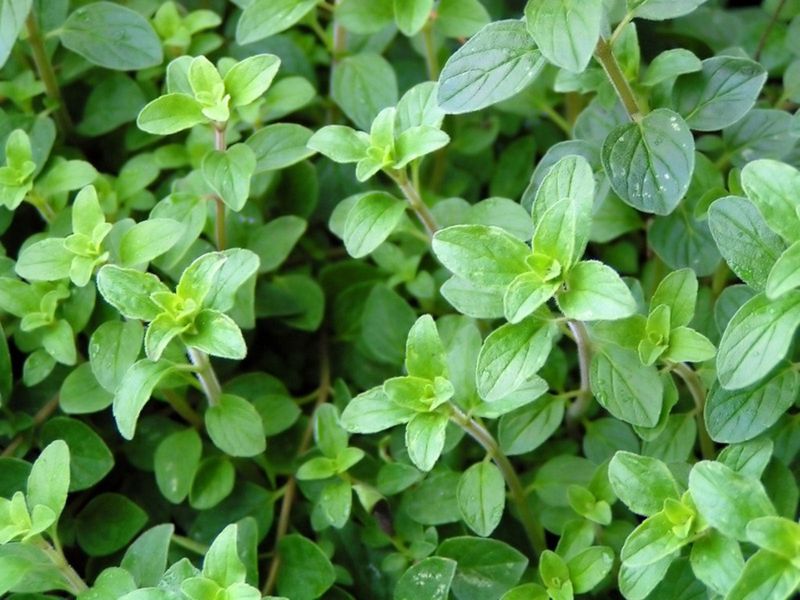
Best known for topping pizza and pasta, oregano brings a warm, spicy-sharp aroma to the garden that does more than flavor dinner. Its potent oils give off a scent squirrels and chipmunks generally find too strong to hang around.
Oregano closes out the list as a rugged, low-growing perennial that spreads into a fragrant mat and comes back reliably every year. That toughness makes it ideal for filling the gaps along paths and bed edges where critters like to travel and dig.
Plant it near vegetables and around the base of raided beds, letting it sprawl over open soil. Every step on it or trim of it releases another dose of that pungent, herbal smell.
The harvest keeps giving, since the same leaves dry beautifully for a year-round seasoning supply.
A fun fact to end on: oregano’s name comes from Greek words meaning joy of the mountains, a nod to where it grows wild. As with every scent on this list, oregano may help reduce raiding rather than promise a critter-free yard, so combine it with tidy cleanup and barriers for your best shot at peace.