
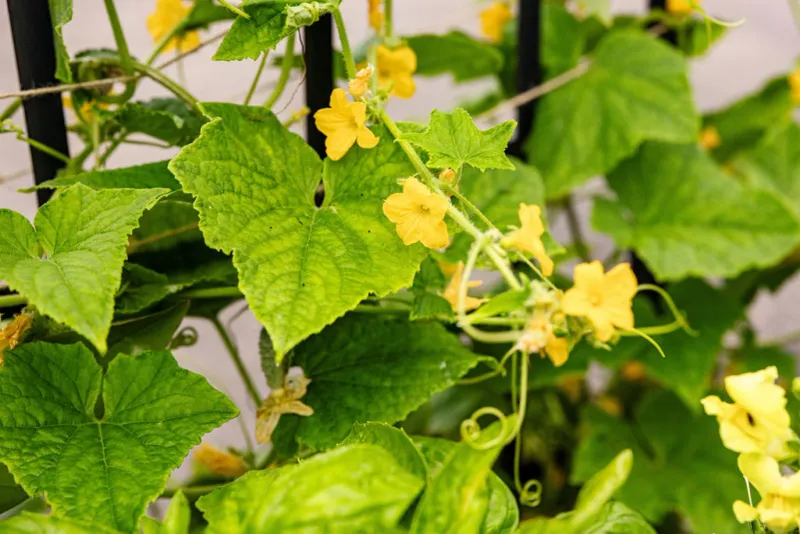
Watching your cucumber vines burst with cheerful yellow flowers feels like a promise of crunchy cukes to come. Then weeks pass, the blooms drop, and you are left with a leafy plant and no cucumbers at all. If that sounds familiar, you are not doing anything terrible, and the fix is usually simpler than you think. Let’s walk through what quietly stops your plants from setting fruit, plus the one easy step so many gardeners forget to try.
1. You Are Only Seeing Male Flowers
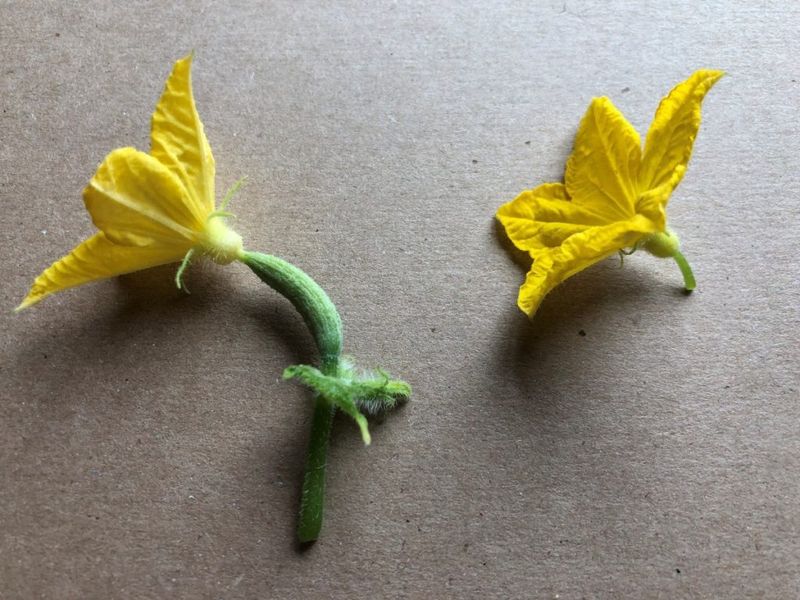
Here is a surprise that trips up almost every new cucumber grower: your plant makes two kinds of flowers, and only one of them ever becomes a cucumber. The first flush of blooms is almost always male, which means fruit may simply not be possible yet.
Male flowers sit on thin, plain stems and show up first to attract pollinators to the neighborhood. Female flowers arrive a little later, and you can spot them easily because each one has a tiny cucumber-shaped bump right behind the petals.
If every bloom you inspect is missing that little swelling, patience is your best tool. Female flowers often begin appearing one to two weeks after the males, once the vine has grown a bit and feels established.
Give the plant steady water and a sunny spot, and resist the urge to yank it out. Once those bump-backed female flowers open, real cucumbers become a genuine possibility. Understanding this timing alone can save you a lot of unnecessary worry early in the season.
2. Poor Pollination From Missing Bees
Blame the bees, or rather the lack of them. Cucumbers rely heavily on pollinators to carry pollen from male flowers to female ones, and when those visitors are scarce, fruit set falls apart.
Cool, rainy, or windy weather keeps bees tucked away, and even a modest dip in their numbers can mean flowers open, wait, and wither without ever being pollinated. Heavy pesticide use nearby can make the shortage worse.
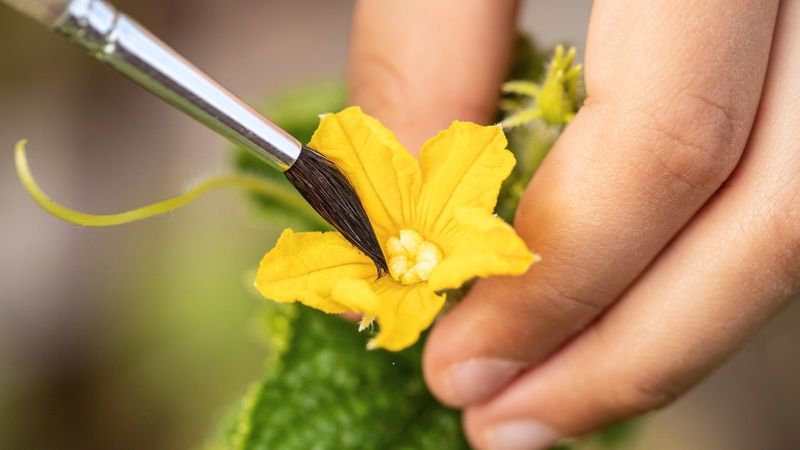
You can step in and hand-pollinate, which often improves your odds nicely. Snap off a male flower, peel back its petals, and gently brush the pollen-covered center against the middle of an open female flower. A small artist’s brush works just as well if you would rather not pick the blooms.
Doing this in the morning, when flowers are freshly open, tends to give the best results. Planting bee-friendly flowers like marigolds or zinnias nearby can also invite more helpers into your garden over time. A few minutes of matchmaking may be all your vines need to start setting fruit.
3. Too Much Nitrogen Fertilizer
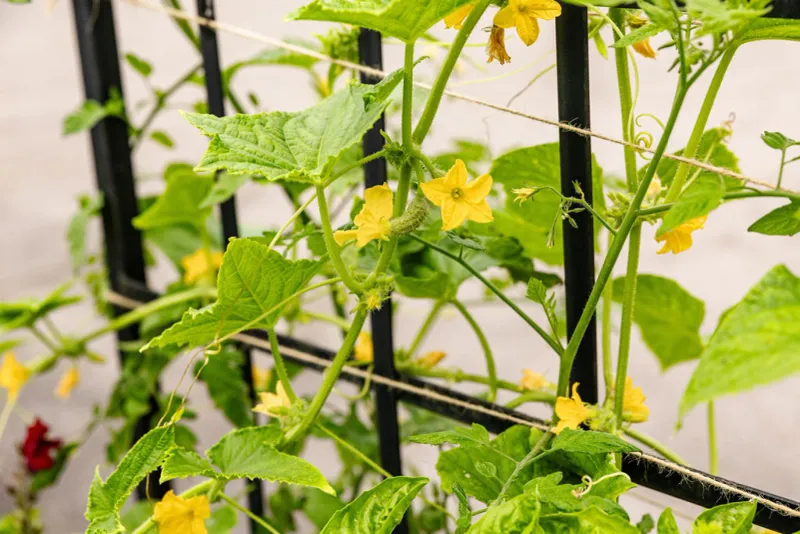
Feeding your plants generously can backfire in a big way. When cucumbers get a heavy dose of nitrogen-rich fertilizer, they pour all that energy into growing lush green leaves and long vines instead of flowers and fruit.
A jungle of foliage might look healthy and impressive, but a plant busy making leaves often puts fruiting on the back burner. Many all-purpose lawn or garden feeds are surprisingly high in nitrogen, so it is easy to overdo it without realizing.
Switching to a fertilizer with more phosphorus and potassium can help redirect that energy toward blooms and cucumbers. Look for numbers on the bag where the middle and last figures are higher than the first, or choose a formula labeled for vegetables and tomatoes.
Going forward, feed lightly and less often rather than dumping on a big helping. Compost and a balanced organic feed usually keep the plant satisfied without spoiling it. Once the nitrogen overload eases, your vine can finally shift its focus from showing off leaves to actually producing the crunchy cukes you planted it for.
4. Heat Stress and Temperature Swings
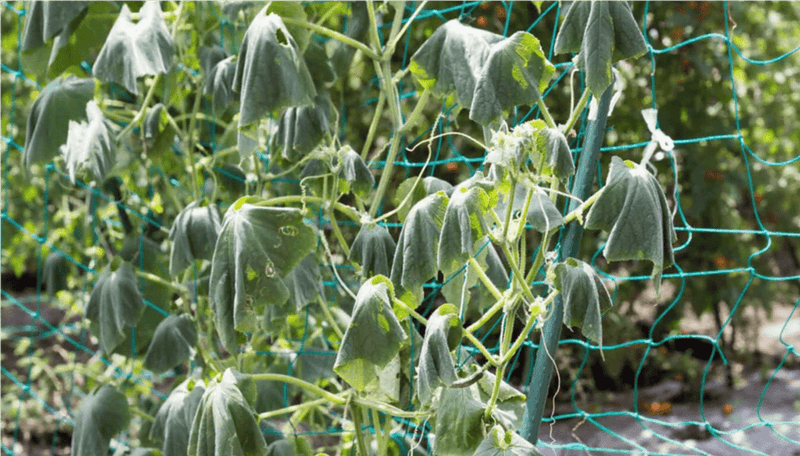
Cucumbers love warmth, but there is a limit to how much they can take. When daytime temperatures climb above the mid-90s and nights stay warm, plants often drop their flowers as a survival move rather than risk setting fruit.
Extreme heat can also damage pollen, making it less able to do its job even when bees show up. On the flip side, an unexpected cold snap early in the season can stall blooming altogether, since these plants sulk when things turn chilly.
Providing a little afternoon shade with a light cloth during a brutal heat wave can reduce the stress on flowering vines. Consistent watering matters too, because a plant fighting both drought and heat is far more likely to abandon its blooms.
Mulch around the base to keep roots cooler and moisture steadier through hot spells. As temperatures settle back into the comfortable 70s and 80s, you will often notice flowers holding on and fruit finally forming. Timing your planting to dodge peak summer heat can spare you this frustration entirely next season.
5. Inconsistent Watering
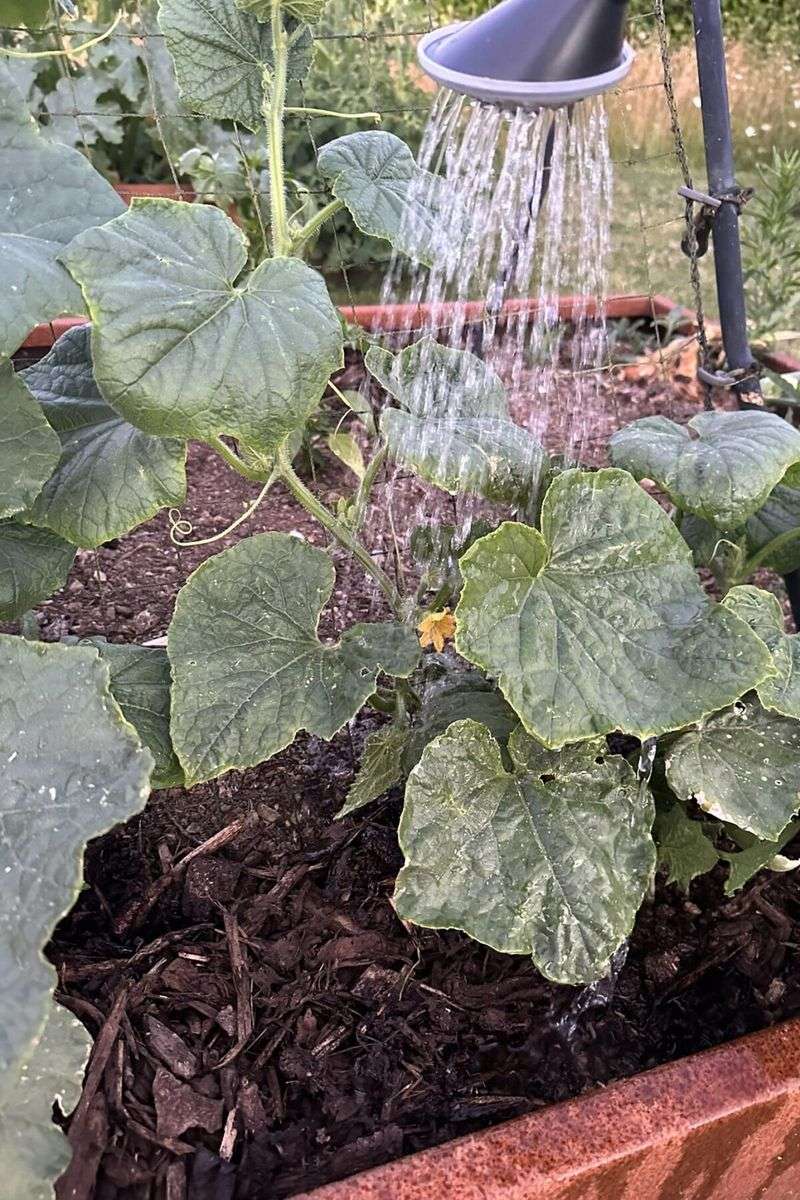
Cucumbers are basically water balloons on a vine, so it makes sense that thirst throws them off fast. When watering swings from bone-dry to soaking wet, the plant gets stressed and often responds by dropping flowers before they can turn into fruit.
These vines have shallow roots that dry out quickly, especially in containers or sandy soil. A plant that keeps drying out and rehydrating spends its energy just staying alive instead of producing cucumbers.
Aim for deep, steady watering that keeps the soil evenly moist without turning it into mud. During hot stretches, that might mean watering daily, while cooler weeks may need less. Sticking a finger an inch into the soil tells you quickly whether it is time.
A layer of mulch works wonders here, holding moisture in and smoothing out the ups and downs between waterings. Watering at the base in the morning, rather than splashing the leaves, also helps prevent disease. Once your vines get that reliable, even supply, they can relax and start channeling energy into setting the fruit you have been waiting for.
6. Overcrowding and Poor Spacing
Cramming as many plants as possible into a bed feels efficient, but cucumbers hate elbowing their neighbors. Crowded vines compete for sunlight, water, and nutrients, and stressed plants often flower without ever following through on fruit.
Tight quarters also trap humid air around the leaves, inviting mildew and pests that further drain the plant’s energy. When every vine is fighting for resources, setting cucumbers slides way down the priority list.
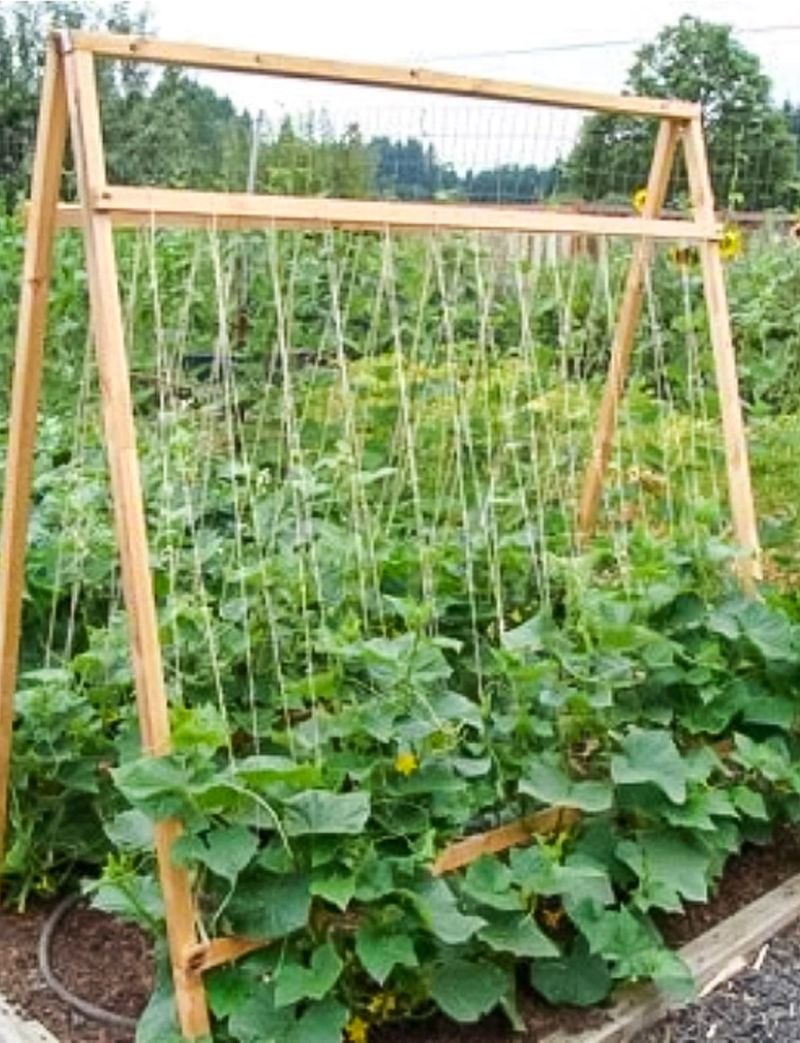
Give each plant room to breathe, generally about a foot to a foot and a half apart, and let air move freely between them. Training vines up a trellis is one of the best tricks going, since it lifts leaves into the sun and keeps fruit off damp ground.
Vertical growing also makes it easier for pollinators to reach the flowers and for you to spot and pick cucumbers. If your patch already looks like a tangled green mat, thinning out the weakest plants can give the survivors a real boost. With space and airflow restored, healthier vines can finally turn those blooms into a proper harvest.
7. The One Step Most People Skip: Regular Harvesting
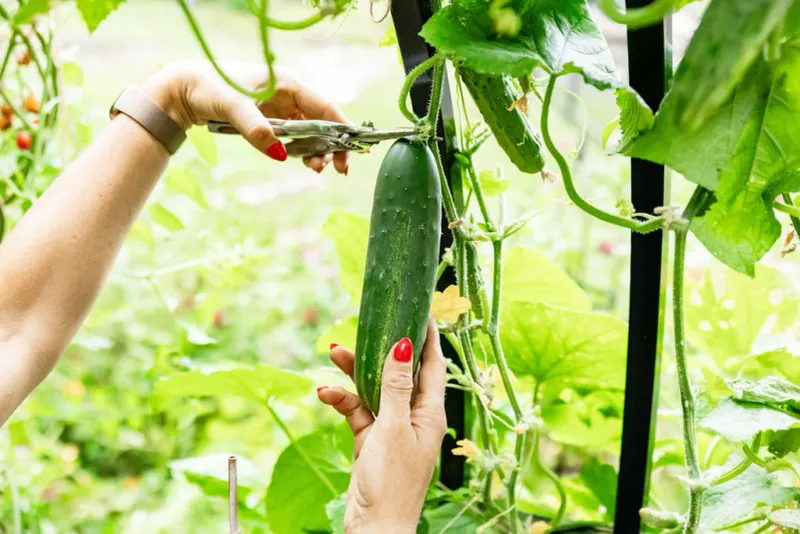
Here is the overlooked habit that changes everything: pick your cucumbers early and often. Once a cucumber matures and starts forming seeds, the plant senses its mission is complete and can slow or stop making new fruit entirely.
Leaving big cukes on the vine sends a quiet signal that production time is over, so those promising flowers never amount to much. Frequent picking flips that message and tells the plant to keep going.
Harvest cucumbers while they are still young, firm, and medium-sized, checking your vines every day or two during peak season. It feels almost too simple, yet many gardeners lose their crop simply by waiting for cucumbers to get bigger.
Use scissors or pruners to snip the stem rather than tugging, which protects the vine from damage. As a bonus, younger cucumbers taste sweeter and crunchier than the oversized, seedy ones. Pair this steady harvesting with good pollination, even watering, and smart spacing, and your plants can reward you with cucumbers right through the season. Sometimes the missing piece is not a fancy product, just the habit of picking often.