
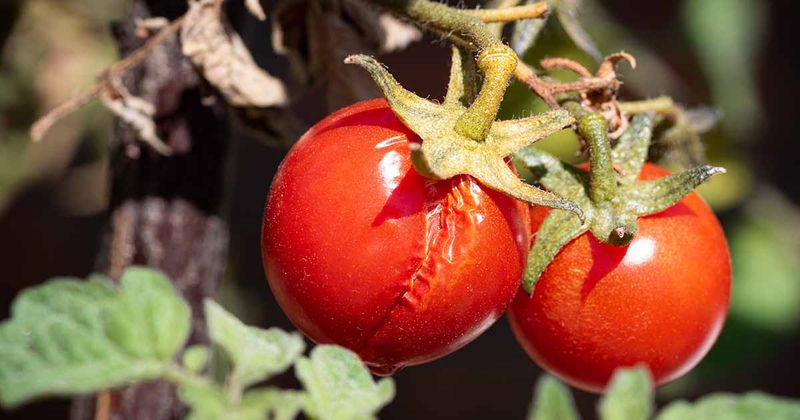
You pull a ripe tomato off the vine and notice a crack running down the side. Before you toss it or take a bite, the crack itself is only part of the story. What matters more is what that crack looks like, what surrounds it, and how the rest of the fruit feels. A quick inspection can tell you whether you have a cosmetic garden problem or a genuine food-safety concern.
A split tomato is not automatically a spoiled tomato
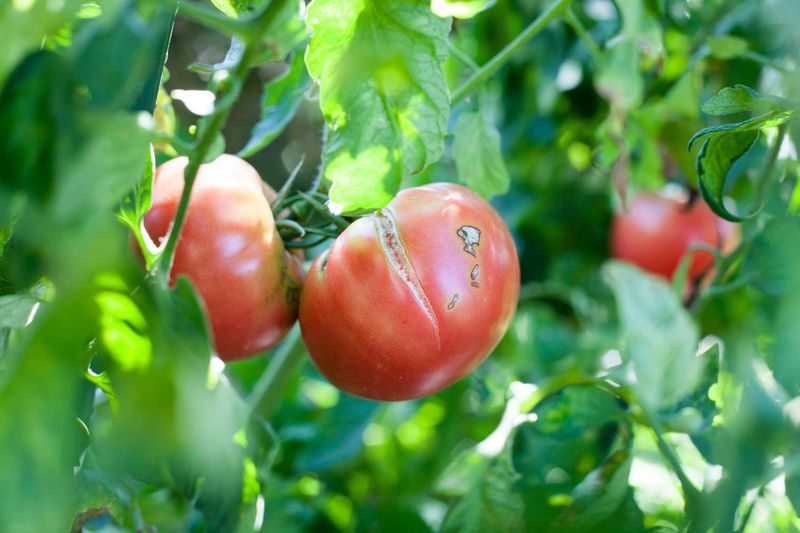
Picking up a cracked tomato from your garden bed can feel like finding a ruined harvest, but the crack alone does not settle the question of whether the fruit is safe to eat. The condition of that crack matters far more than its mere presence. A dry, healed-looking split with no odor, no oozing, and firm flesh around it occupies a very different category than a tomato that is soft, leaking, or smells sour.
Extension guidance on split tomatoes notes that a clean cracked tomato can often be washed and trimmed, treating it as a salvageable fruit rather than an automatic discard. The reasoning is straightforward: cracking is usually a physiological response to rapid fruit expansion, not evidence that something went wrong inside the tomato.
When a tomato grows quickly after a sudden influx of water, the skin can split before the flesh catches up. That split may look alarming, but if it has dried and formed a corky edge, it has not necessarily invited contamination. NC State Cooperative Extension and UC IPM guidance on fruit cracks both frame cracking as a common garden occurrence rather than a disease.
The conditional answer here is to inspect the fruit carefully before deciding. Discarding any visibly damaged produce is always the lowest-risk choice, and no one should feel pressured to salvage a tomato they are uncertain about. The sections below walk through the specific signs that tip the scale one way or the other.
Why tomatoes crack after weather changes
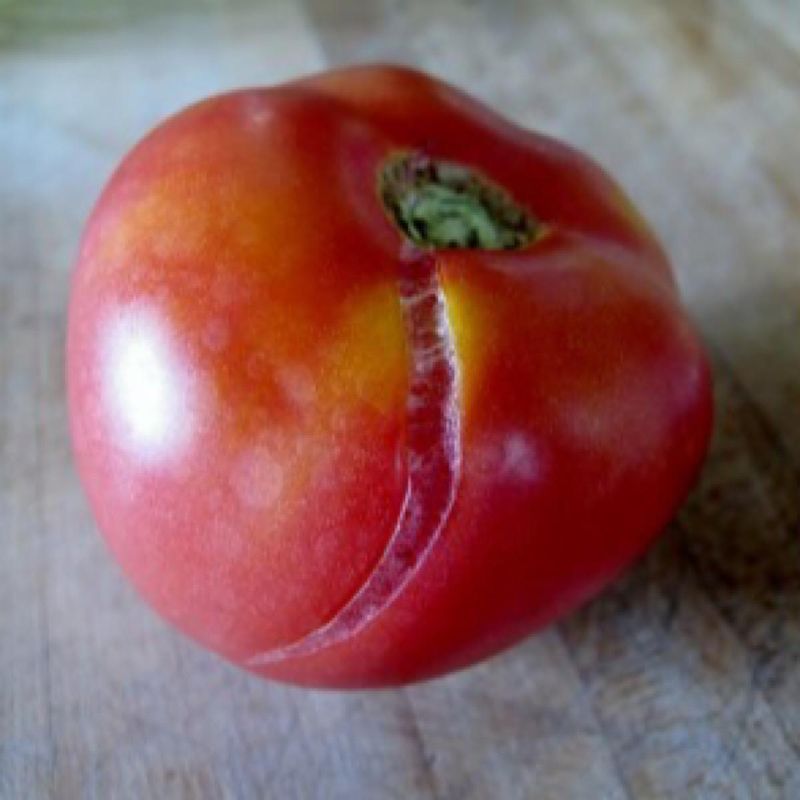
Radial cracks run outward from the stem like spokes on a wheel, while concentric cracks form rings around the stem end. Both types are extremely common in home gardens, and both trace back to the same basic problem: the inside of the tomato expanded faster than the skin could stretch.
The trigger is usually a sudden shift in water availability. A stretch of dry, hot weather causes the plant to slow fruit development. Then a heavy rain or a deep watering session arrives, and the fruit takes up water rapidly. NC State Cooperative Extension explains tomato cracking as a physiological disorder driven by this uneven moisture pattern rather than a disease or infection.
Heat and humidity can also stress the skin directly, making it less elastic at the moment the fruit is expanding fastest. Fruit that is close to full maturity is particularly vulnerable because the skin has already thinned and stretched toward ripeness. UC IPM’s overview of fruit cracks on tomatoes confirms that mature fruit near harvest time cracks more readily than younger, firmer fruit.
Variety plays a real role too. University of Minnesota Extension’s tomato fruit crack diagnosis notes that large-fruited and heirloom varieties tend to be more susceptible than smaller, thicker-skinned types. Knowing why cracking happens helps you diagnose the likely cause, but it does not answer whether a specific cracked tomato in your hand is safe to eat. That question depends on what the crack actually looks like right now.
What does the crack actually look like?
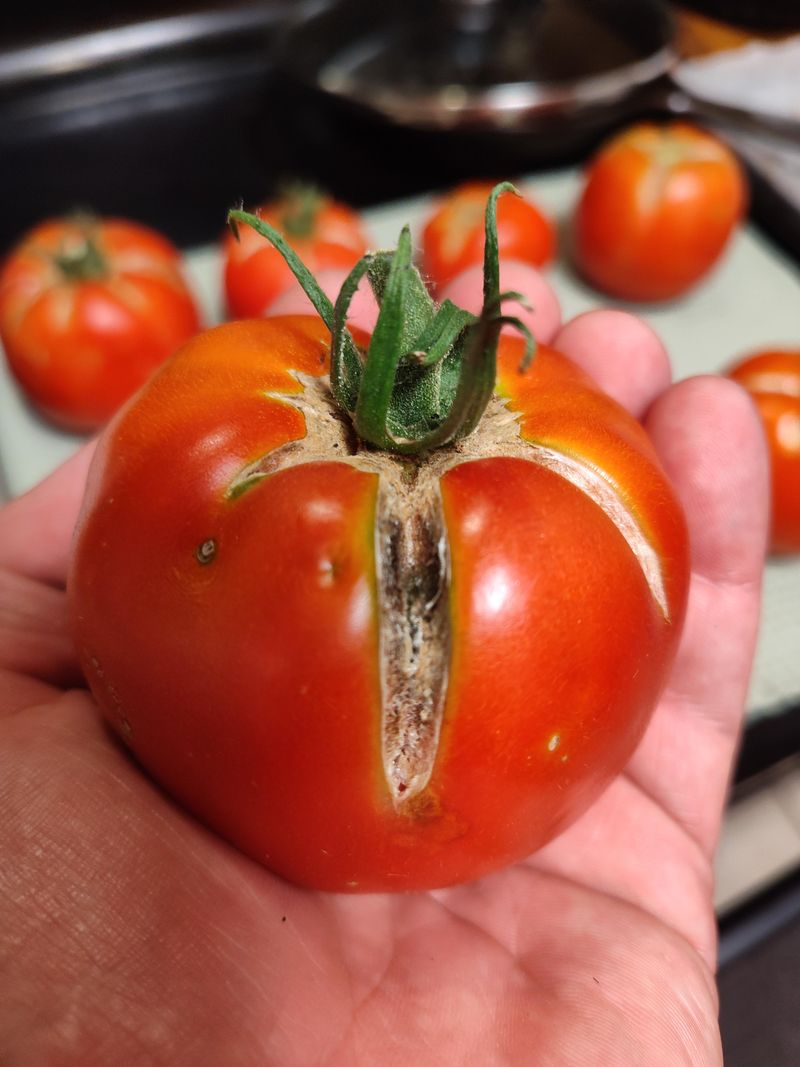
Before you reach for a knife, spend thirty seconds looking at the crack itself. The goal is to place the tomato into one of three categories, because the right response depends entirely on which one applies.
A dry, shallow, corky, or healed-looking crack is the potentially salvageable category. The edges of the split have dried and may look slightly darker or roughened. The flesh visible inside, if any, is not wet or discolored. The tomato feels firm when you press gently around the crack, and there is no unusual odor.
NC State Cooperative Extension and UC IPM treat this type as a cosmetic growth crack that can often be washed and trimmed.
A fresh, open split with exposed wet flesh is a higher-risk category. The crack is wide, the flesh inside looks moist or raw, and the tomato may have split recently, possibly still on the vine. This type of opening provides a direct route for bacteria, soil, and insects to reach the interior. FDA guidance on tomato storage and handling notes that cracks, cuts, and bruises can serve as entry points for pathogens.
Harvest this fruit promptly if it is otherwise sound, because an open crack left on the vine deteriorates quickly.
The third category is a clear discard: any crack accompanied by mold, slime, soft rot, oozing liquid, a sour or foul odor, insect activity, or visible soil or animal waste. USDA consumer guidance on tomato safe handling advises discarding tomatoes with holes, bruises, or damage because microbes can invade from those areas. Cracking is not the same as a puncture or bruise, but once spoilage signs appear, the tomato has crossed into the third category regardless of how it started.
A clean, minor crack can be trimmed with care
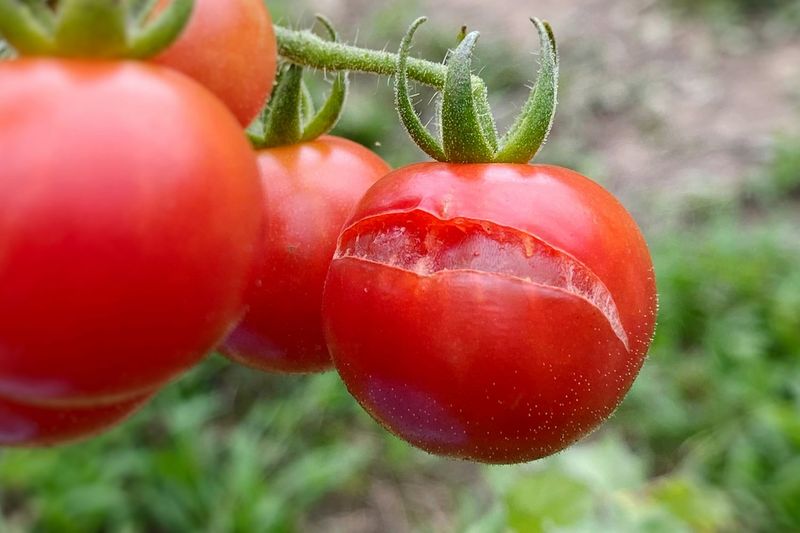
When you have a firm tomato with a small, dry, clean growth crack and no signs of spoilage, a careful salvage process can reduce your risk. Start before the tomato even reaches the cutting board: wash your hands thoroughly, and clean your knife, cutting board, and work surface. Cross-contamination from dirty tools is a real hazard that has nothing to do with the tomato itself.
Rinse the whole tomato under plain running water, rubbing the surface gently with your hands. FDA guidance on selecting and serving produce safely recommends plain running water only. Skip soap, detergent, bleach, and commercial produce washes; these are not approved for use on the tomato itself and can leave residues. FoodSafety.gov’s produce safety advice reinforces that plain water is the appropriate choice for fresh produce.
After rinsing, cut away the cracked tissue along with any bruised, soft, or visibly dirty area around it. Give yourself a margin beyond what looks damaged. Washing can reduce surface bacteria, but it cannot remove pathogens that may have entered damaged tissue, so the physical act of trimming away the affected area is the more consequential step.
Trimming is a practical risk-reduction measure, not a guarantee of safety. Ask Extension’s guidance on split tomatoes supports this approach for clean garden cracks, and NC State Cooperative Extension notes that cracked fruit can rot quickly, which is why prompt use matters. Once you trim the tomato, refrigerate it right away and plan to use it the same day or the next day rather than letting it sit.
Mold, rot, and contamination make the decision easy
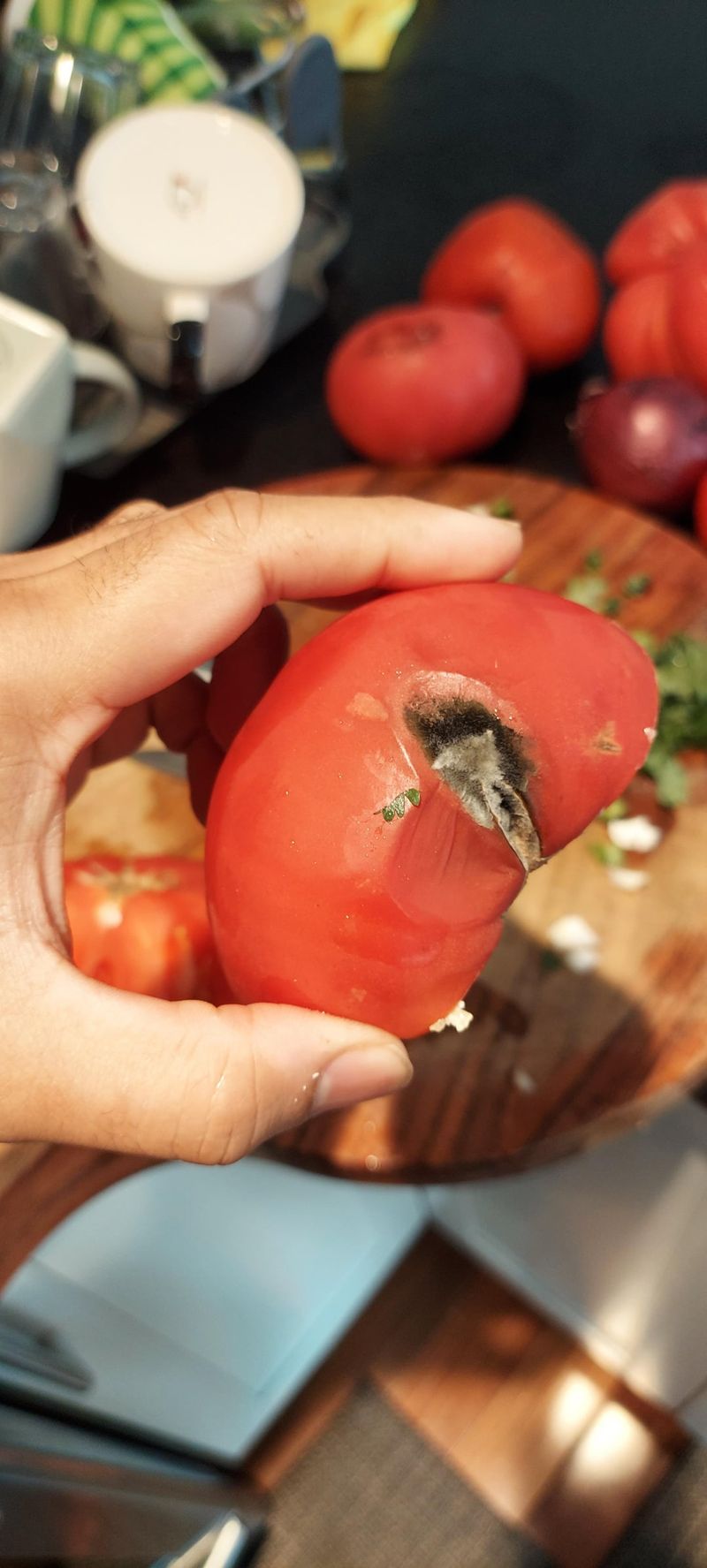
Some cracked tomatoes do not require a careful inspection because the answer is obvious the moment you pick them up. Any tomato with visible mold, a slippery or slimy surface, extensive soft or mushy flesh, a sour or foul smell, leaking or oozing tissue, or evidence of insect activity should go straight to the compost pile. These are not borderline cases.
Mold deserves special attention. A common instinct is to cut off the fuzzy spot and eat the rest, and this works reasonably well for firm, dense foods like hard cheeses. Tomatoes are a different story. USDA FSIS guidance on molds in food specifically classifies tomatoes among soft, high-moisture fruits and vegetables where mold contamination can extend well below the visible surface.
Cutting away only what you can see does not reliably remove what you cannot.
Contact with soil or animal waste is also a discard signal, even if the tomato otherwise looks fine. FDA’s tomato storage and handling guidance identifies animal waste as a contamination source of particular concern for fresh produce. A crack that has been sitting in garden soil or was visited by an animal introduces risks that washing and trimming cannot fully address.
The distinction worth keeping in mind is that an ordinary growth crack and a spoiled tomato are not the same thing, even though one can lead to the other. A dry, clean crack is a cosmetic problem. USDA consumer handling guidance advises discarding tomatoes with damage because spoilage can develop at those sites, which is exactly what to watch for once a crack has been present for any length of time.
Cut and trimmed fruit needs faster, colder handling
Cutting or trimming a tomato changes its storage requirements in a meaningful way. An intact tomato sitting on your counter is a different object from one that has been sliced open, and the two should not be treated identically once you finish in the kitchen.
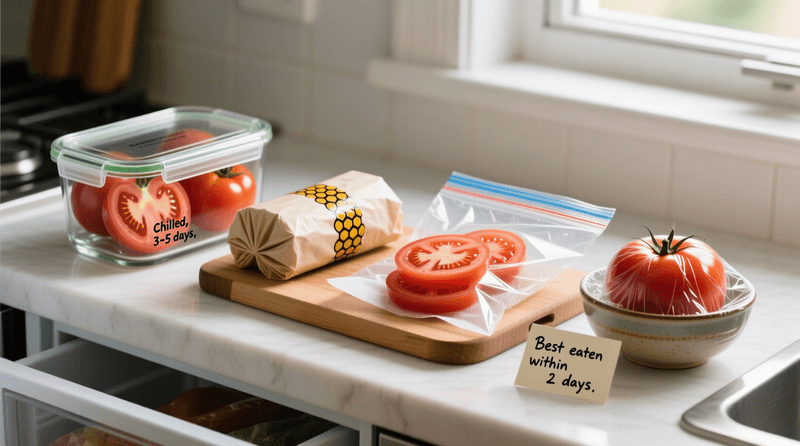
FDA’s program guidance on tomato storage and handling identifies cut tomatoes as a food that can support the growth of pathogens such as Salmonella and recommends keeping cut tomatoes at 41 degrees Fahrenheit or below in food-service settings. For home use, the practical rule is straightforward: refrigerate cut or trimmed tomato promptly and discard any cut tomato that has sat at room temperature for more than two hours.
Cracked tomatoes that you have trimmed fall into this same category. Once you cut away the damaged tissue and the flesh is exposed, refrigerate the remainder right away and plan to use it within a day rather than storing it for a week. USDA consumer tomato-handling guidance also supports using damaged or trimmed produce promptly rather than treating it like an undamaged stored fruit.
One clarification worth making: a naturally cracked but uncut tomato sitting whole on your counter is not automatically subject to the same two-hour refrigeration rule that applies to cut produce. FDA produce-safety guidance applies the stricter handling standard to cut produce specifically. For a whole cracked tomato you have not yet trimmed, the better approach is to use it or process it promptly based on its condition, rather than waiting and hoping the situation improves.
Some readers may prefer the lowest-risk choice
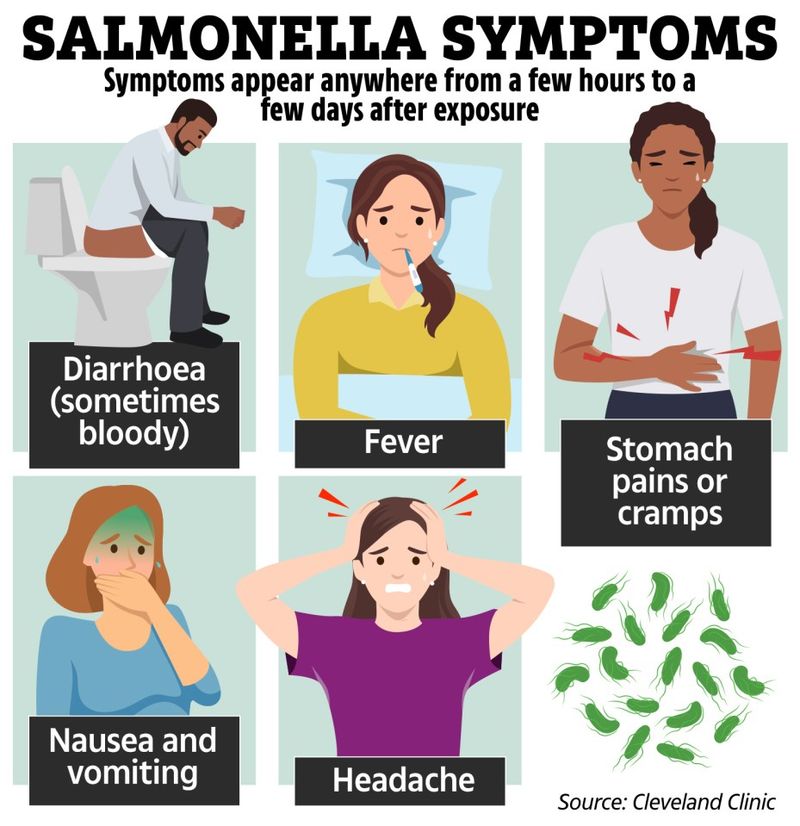
Appearance alone cannot confirm that a tomato is free of pathogens. A crack that looks clean and dry may still carry contamination that is not visible to the eye. FDA’s tomato storage and handling guidance notes that pathogens can enter produce through cracks, cuts, bruises, and the stem scar, and that contamination is not always visible. This is worth keeping in mind before concluding that a tomato looks fine and must therefore be safe.
Extension guidance and federal consumer guidance do not say the same thing on this topic. FDA produce-safety guidance and USDA consumer guidance on tomato handling take a more conservative position on damaged produce, advising consumers to avoid or discard tomatoes with holes, bruises, or damage. That guidance is accurately characterized as advice about selecting and safely handling produce, not as a blanket mandate that every cracked tomato must be thrown away. Ask Extension’s guidance on split tomatoes represents the more permissive position, supporting washing and trimming as a reasonable option for a clean garden crack.
Pregnant people, young children, older adults, and people with weakened immune systems may choose to discard any visibly damaged tomato rather than attempt to salvage it. This is a reasonable precautionary personal choice. The available sources do not specifically establish a different risk level for a clean, trimmed crack, but the general principle of reducing exposure to potentially contaminated produce applies with more force for anyone whose immune response may be less robust. FoodSafety.gov guidance on food safety during pregnancy offers a useful reference for higher-risk households.
One separate issue: if you recently applied a pesticide, foliar fertilizer, or other chemical treatment to your tomato plants, the product label’s harvest interval and consumption instructions take priority over any general cracking advice. That is a label-compliance question, not a cracking question.
Steadier watering may reduce the next round of cracks
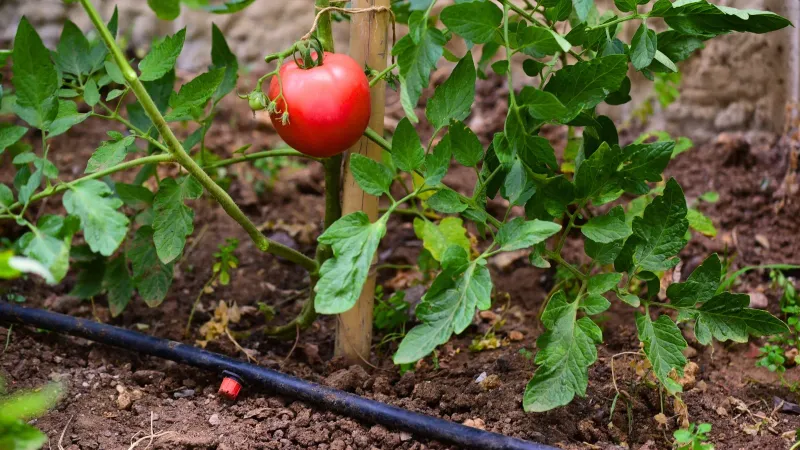
Once you have dealt with this season’s cracked tomatoes, a few changes to your watering routine may help reduce how often it happens again. The goal is to keep soil moisture as consistent as possible so the plant never swings between very dry and suddenly saturated.
Deep, regular watering encourages the plant to develop a deeper root system and reduces the dramatic fluctuations that trigger rapid fruit expansion. Mulching around the base of the plants helps the soil retain moisture between watering sessions, buffering against the dry spells that set up the cracking cycle. NC State Cooperative Extension’s cracking guidance and UC IPM’s fruit crack overview both point to consistent moisture as the most practical cultural control.
Where practical, drip irrigation or soaker hoses deliver water directly to the root zone at a steady rate, which tends to produce more even uptake than overhead watering in irregular bursts. University of Minnesota Extension’s tomato-growing guide supports these practices as part of good cultural care.
No watering strategy eliminates cracking entirely. Weather, heat, humidity, and the genetics of your chosen variety all play a role that no garden hose can fully override. Heirloom and large-fruited types will likely always be more prone to splitting than smaller-fruited, crack-resistant varieties. These practices can reduce how often cracks appear, and that alone makes the harvest more manageable.
A garden that stays consistently moist is easier to tend than one you are constantly rescuing from its own weather extremes.