
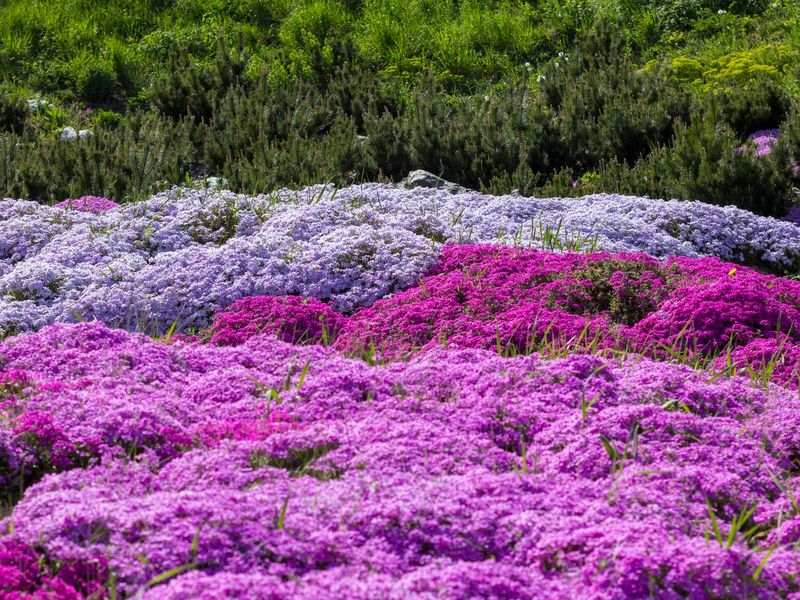
Bare dirt under a big shade tree can feel like a losing battle. The soil stays dark, the roots hog the water, and grass just gives up.
The good news is that certain flowering ground covers actually love those tough spots and will spread to hide the mud with color. Here are eight tough plants that can finally fill in that empty shade and make it look cared for.
1. Ajuga (Bugleweed)
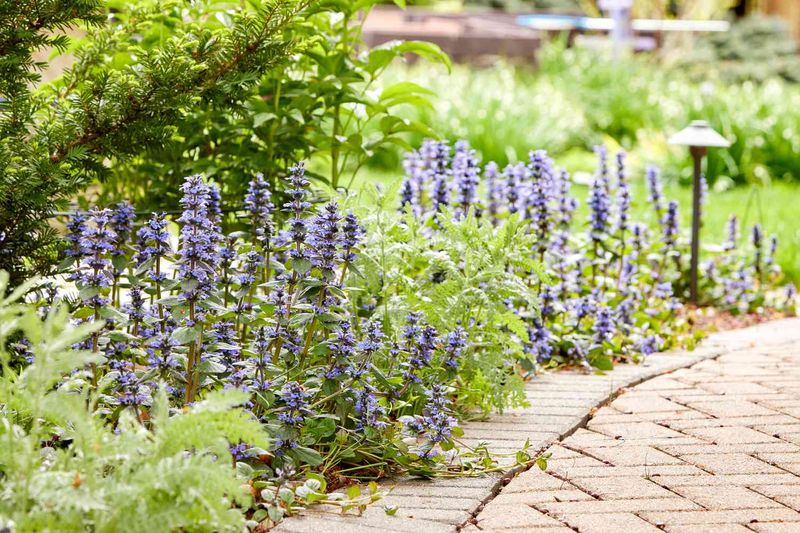
Few plants tackle bare shade as fast as ajuga. It sends out runners that knit together into a thick carpet, choking out weeds and covering mud in a single season.
The low rosettes stay just a few inches tall, then throw up little spikes of blue-purple blooms in spring that pollinators drift toward. Some varieties add bronze or burgundy leaves, so you get color even when the flowers fade.
What makes ajuga stand out from the rest of this list is its speed and its tolerance for foot traffic. You can actually step on it lightly without wrecking it, which helps along shady paths and stepping-stone areas.
It does best in part to full shade with soil that drains, and it may spread beyond where you want it, so a border or edging can keep it tidy. In warm Southern zones it often stays green much of the year.
Fun bit: bugleweed was once used in old folk remedies, which is where the odd name comes from. For a fast, colorful fix under trees, it is hard to beat.
2. Creeping Jenny
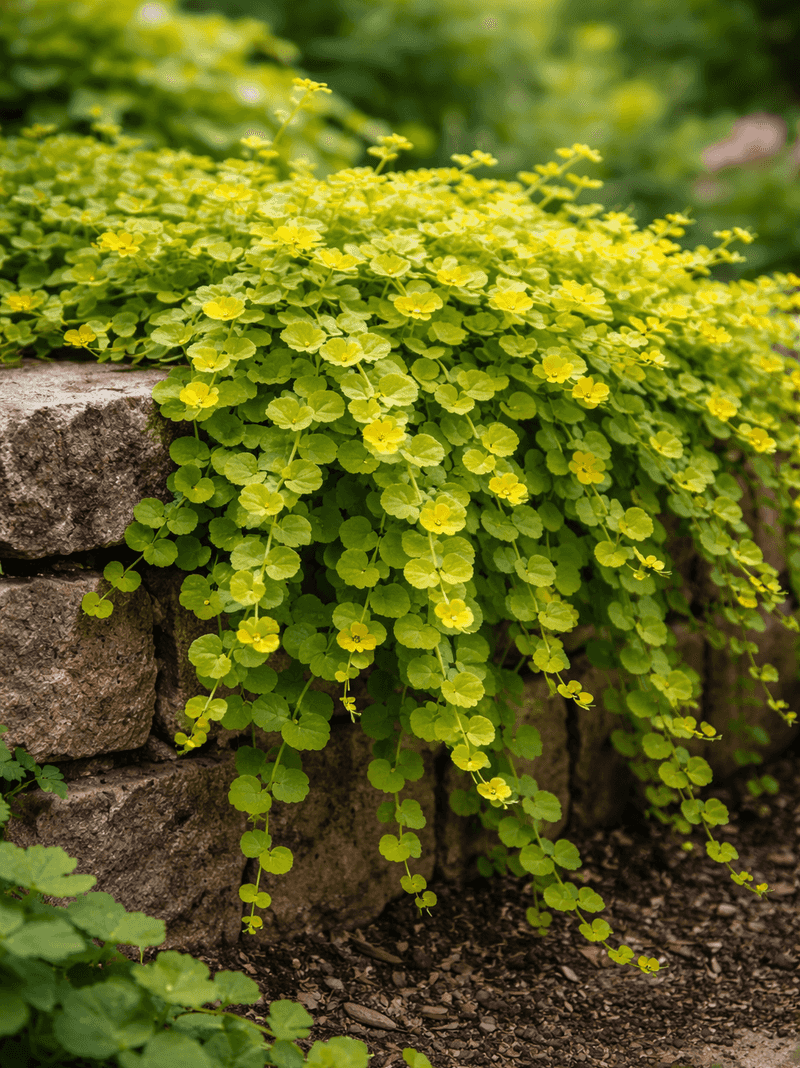
If your shady spot leans damp, creeping Jenny is the plant that turns a soggy problem into a glowing green ribbon. Its round, coin-shaped leaves shine in shade and light up dim corners where most plants sulk.
Small yellow cup-shaped flowers pop up in early summer, but honestly the foliage is the star. The golden ‘Aurea’ type practically glows against dark tree bark and mulch.
What sets it apart here is how well it handles moisture that would rot other ground covers. Low spots near downspouts, drainage swales, or the damp base of a tree are exactly where it thrives.
It stays only an inch or two tall and drapes nicely over edges, rocks, and containers, so it softens hard lines in the landscape. Give it steady water and it will keep marching outward.
Because it spreads with gusto, plant it where you can let it roam or where a hard edge contains it. In the warm South it can look good across a long season, filling bare ground with easy, low-care shine.
3. Wild Violets
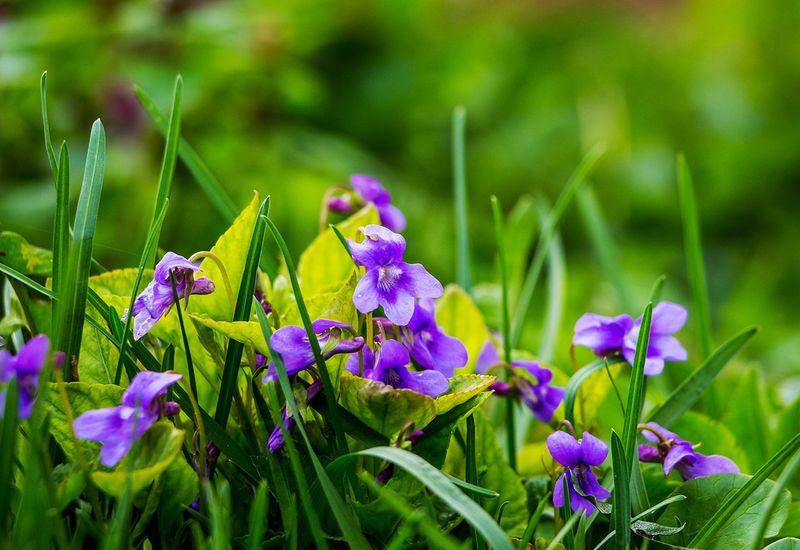
Some gardeners fight wild violets, but under a shade tree they can be a gift you stop battling. These little natives shrug off deep shade and tree-root competition that flattens fussier plants.
Heart-shaped leaves form a soft green blanket, and in spring the whole patch fills with dainty purple, white, or bicolor blooms. Bees and small butterflies love them, and they are a host plant for fritillary butterflies.
Their edge over showier choices is toughness for zero cost. Violets often show up on their own, and letting them fill in bare dirt is easier than fighting an empty patch that just grows weeds.
They handle dry shade better than many bloomers and stay low, so they never look overgrown. Once established, they mostly take care of themselves.
They do reseed and spread, so keep them where a natural, cottage look fits rather than a formal bed. If you want a free, wildlife-friendly carpet under trees, wild violets may quietly solve the problem you have been paying to fix.
4. Foamflower (Tiarella)
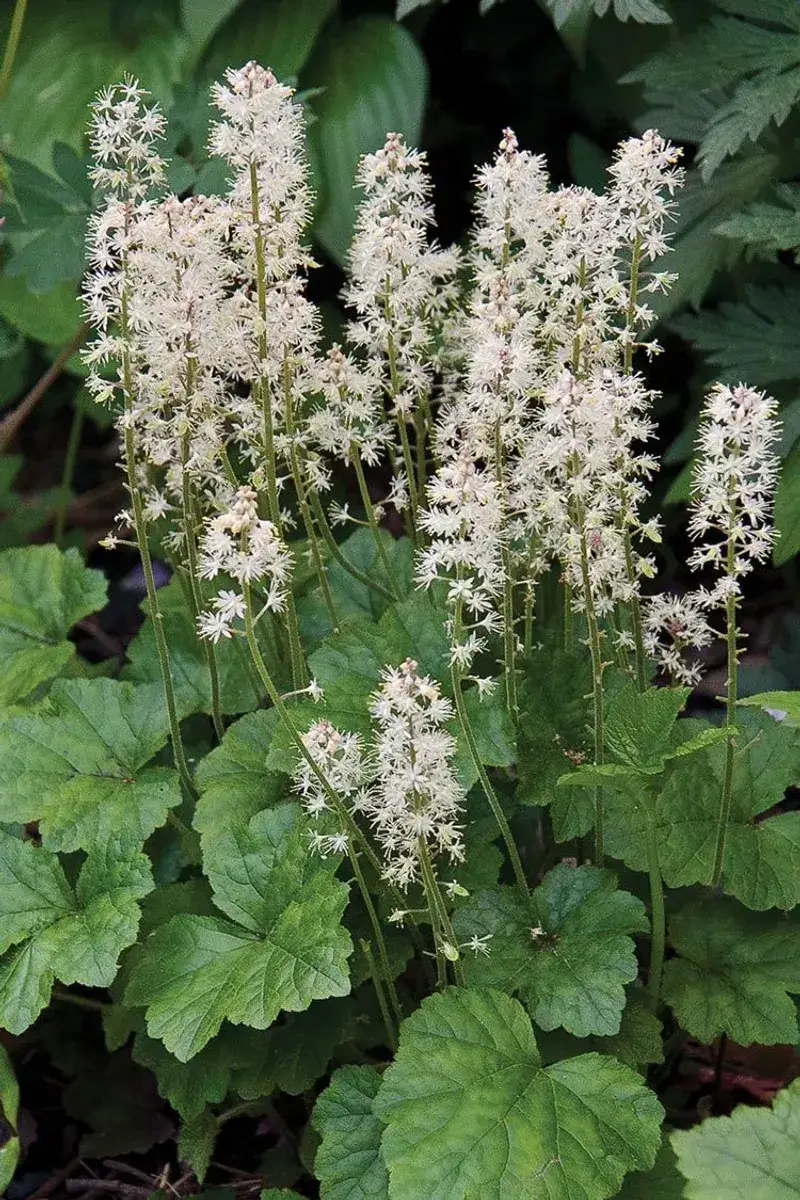
Picture soft, frothy wands of tiny white flowers rising above lacy leaves, and you have foamflower doing its best work in the shade. It brings a woodland grace that feels intentional, not weedy.
A native of eastern woods, Tiarella is built for the exact conditions under a tree: dappled light, leaf litter, and cooler soil. In spring, the airy bloom spikes look like little puffs of foam, which is how it earned its name.
What makes it special on this list is beauty combined with genuine shade toughness. Many pretty bloomers demand sun, but foamflower actually prefers the dim spots that stump other flowers.
The leaves often carry dark veining or maroon markings, giving interest long after the blooms fade. Some types clump politely while others spread by runners to fill space.
It likes soil with organic matter and steady moisture, so a layer of compost or shredded leaves helps it settle in. For gardeners who want a refined, native, pollinator-friendly filler under trees, foamflower delivers charm without the fuss of high-maintenance perennials.
5. Lamium (Spotted Dead Nettle)
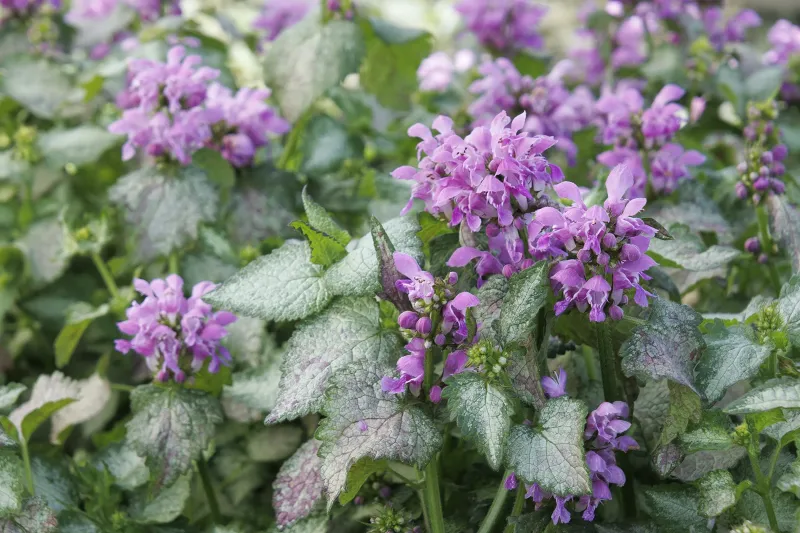
Silver-splashed leaves that seem to light up the darkest corners are the calling card of lamium. When you need bare shade to feel brighter, this is the ground cover that fakes a beam of sunlight.
The frosted, variegated foliage stays attractive all season, and clusters of pink, purple, or white flowers arrive in late spring into summer. Bees appreciate the blooms while you appreciate the glow.
Its standout quality is that shimmering leaf color, which no other plant here matches. In heavy shade where everything looks flat and green, lamium adds contrast and depth that catches the eye.
It stays low and mounding, spreading steadily without becoming a monster if you trim it now and then. Deer and rabbits tend to leave it alone, which is a bonus in browsing-heavy yards.
Give it part to full shade and soil that does not stay soggy, and it will fill in dependably. A quick shearing after the first flush can push fresh growth and more blooms.
For a bright, easy carpet under trees, lamium quietly earns its spot.
6. Sweet Woodruff
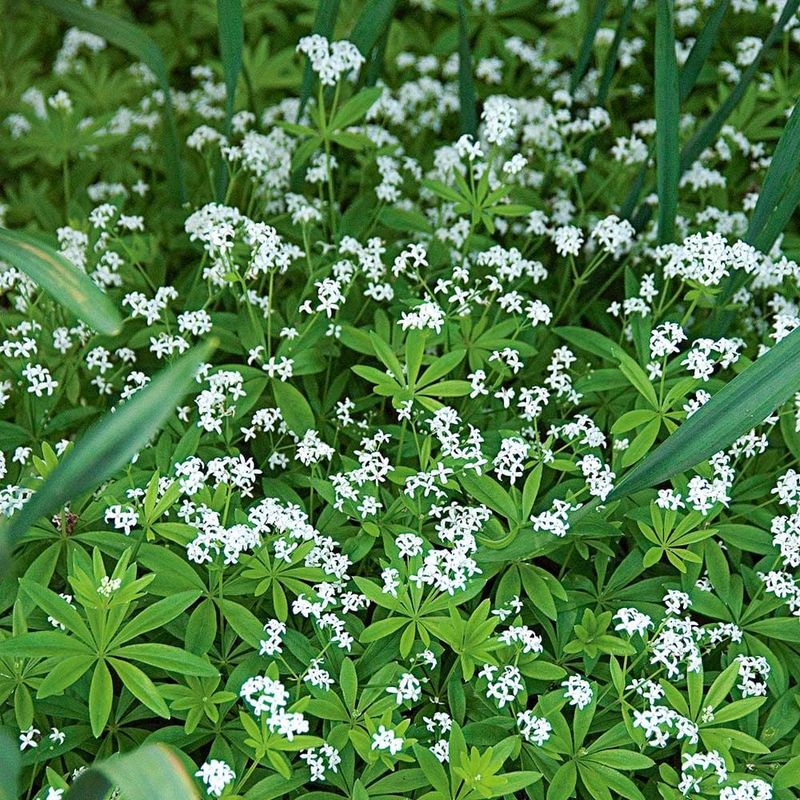
Run your hand through sweet woodruff and you get a bonus most ground covers cannot offer: a fresh, hay-and-vanilla scent when the leaves are cut or dried. It is a plant that pleases the nose as much as the eye.
The whorled leaves form a neat, low mat, and in spring a scatter of tiny white star flowers floats across the top. The effect is clean and tidy, like a cool green quilt under the trees.
Its niche here is that fragrance plus a love of shade and moist, rich soil. It happily fills the cool, humus-heavy ground near tree bases where sun-lovers refuse to grow.
Historically it flavored drinks and freshened linens, so it comes with a bit of old-world charm baked in. The blooms also draw small pollinators to shady zones they might otherwise skip.
Keep it watered during hot Southern spells and give it afternoon shade, since intense heat can stress it. Where conditions suit, it spreads into a soft, sweet-smelling carpet that makes bare ground feel finished and inviting.
7. Barrenwort (Epimedium)
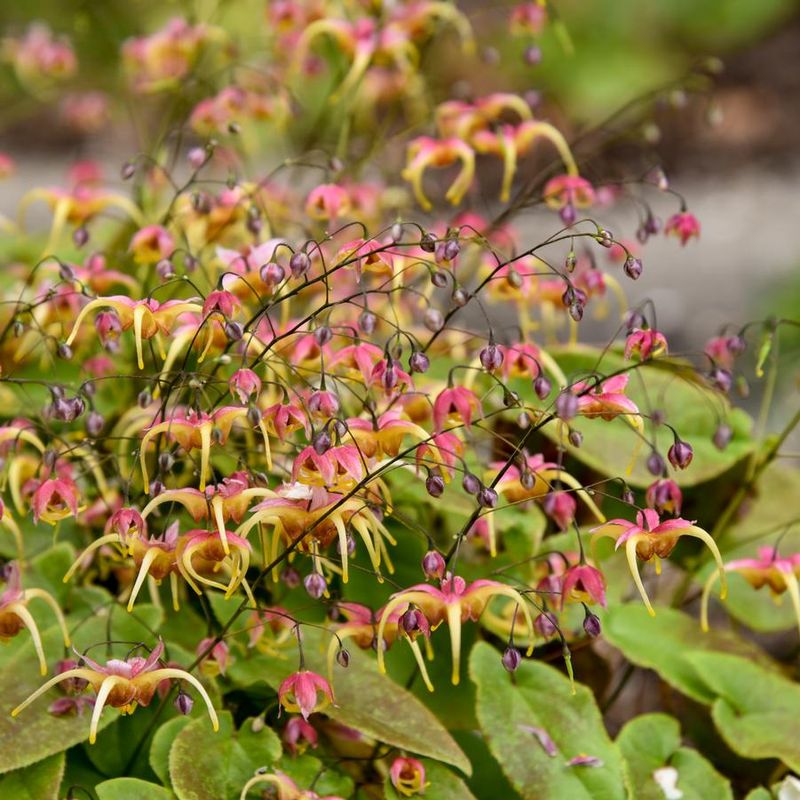
For the driest, meanest shade under an old tree, barrenwort is the quiet champion. It tolerates the tough combo of low light and greedy roots that leaves other bloomers gasping.
Also called epimedium or fairy wings, it sends up delicate spurred flowers in yellow, pink, white, or lavender during spring. The heart-shaped leaves often flush red or bronze as they emerge, then settle into handsome green.
What earns it a place here is drought tolerance in shade, a rare and valuable trait. Once its roots are established, it can handle dry spells that would wilt most ground covers, making it perfect for that stubborn patch nothing else survives.
It grows in slow, dependable clumps rather than aggressive runners, so it stays right where you put it. Cutting back the old foliage in late winter lets the flowers shine.
Plant it in part to full shade with a helping of compost, and be patient the first year while it settles. After that, barrenwort rewards you with tough, elegant coverage in the exact spots that usually stay bare.
8. Creeping Phlox (Woodland Type)
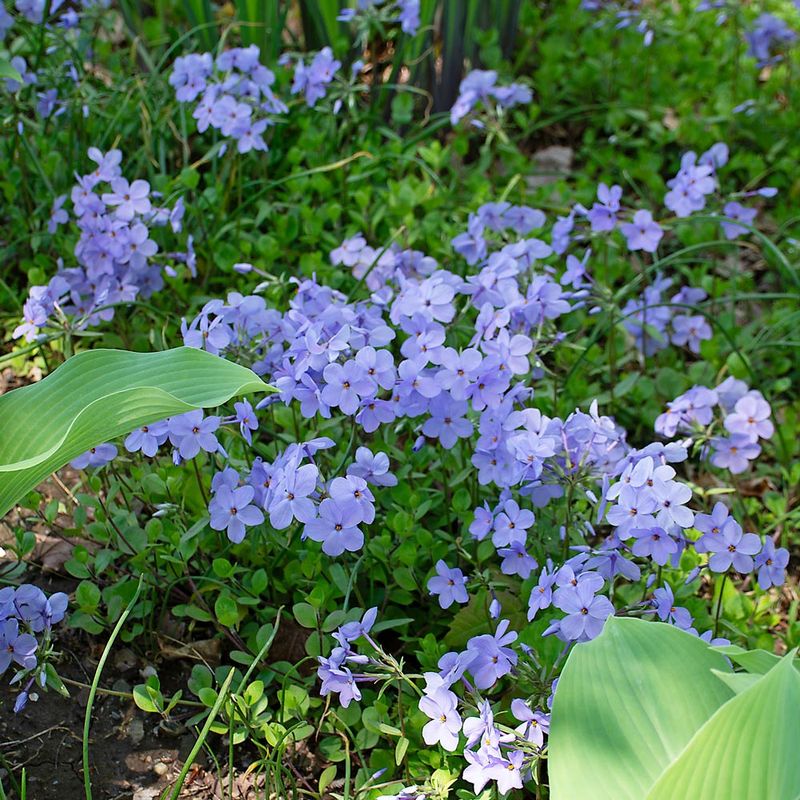
When people picture creeping phlox, they think of sunny rock walls, but the woodland type flips that and blooms happily in shade. It brings a wash of soft blue and lavender to spots the sun barely touches.
Native to eastern forests, woodland phlox spreads into a low, loose carpet and sends up fragrant flowers in early to mid spring. Butterflies and early bees find it a welcome food source when little else is blooming.
The reason it belongs on this list is that spring color show, which none of the others quite match for pure flower power in shade. For a few weeks it turns bare ground into a hazy blue meadow beneath the trees.
It appreciates moist, rich soil and dappled light, so a mulch of shredded leaves keeps it comfortable. It stays polite in size and mixes beautifully with ferns and foamflower.
After blooming, the foliage lingers as a gentle green mat. If you want a native, pollinator-friendly filler that puts on a real seasonal display, woodland creeping phlox is a standout finish to a shady bed.