
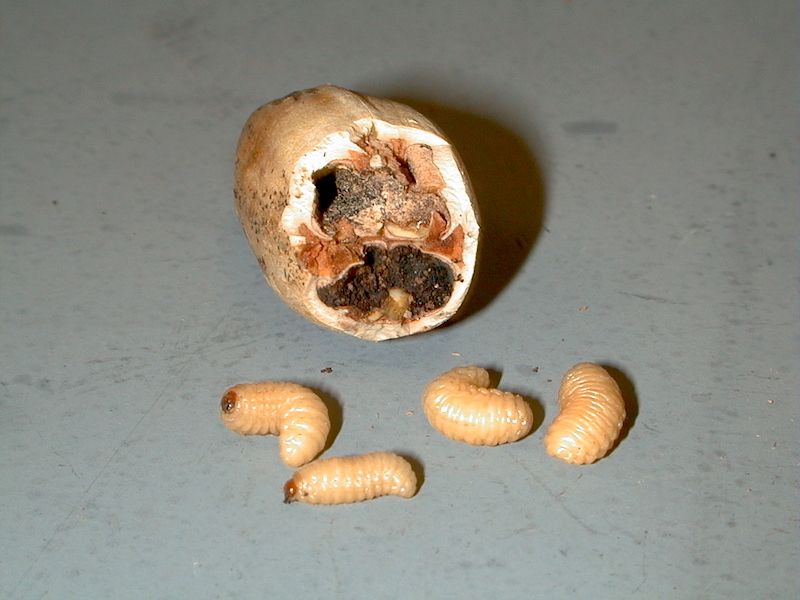
A pecan can look perfectly fine on the outside and still hold a hungry grub inside. That is the trick of the pecan weevil, a serious nut pest found across much of Texas.
It goes after individual nuts, not the tree itself. Knowing when to watch and what to look for can save a backyard harvest from nasty surprises.
The pecan weevil damages kernels, not trees
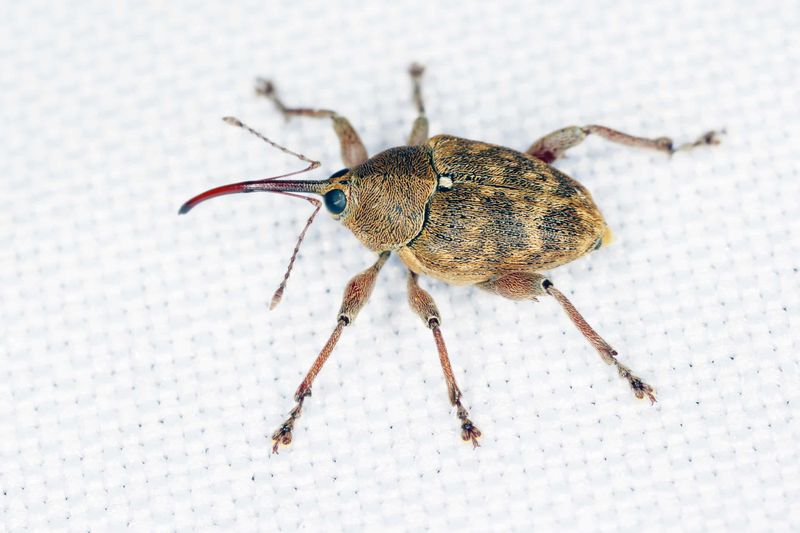
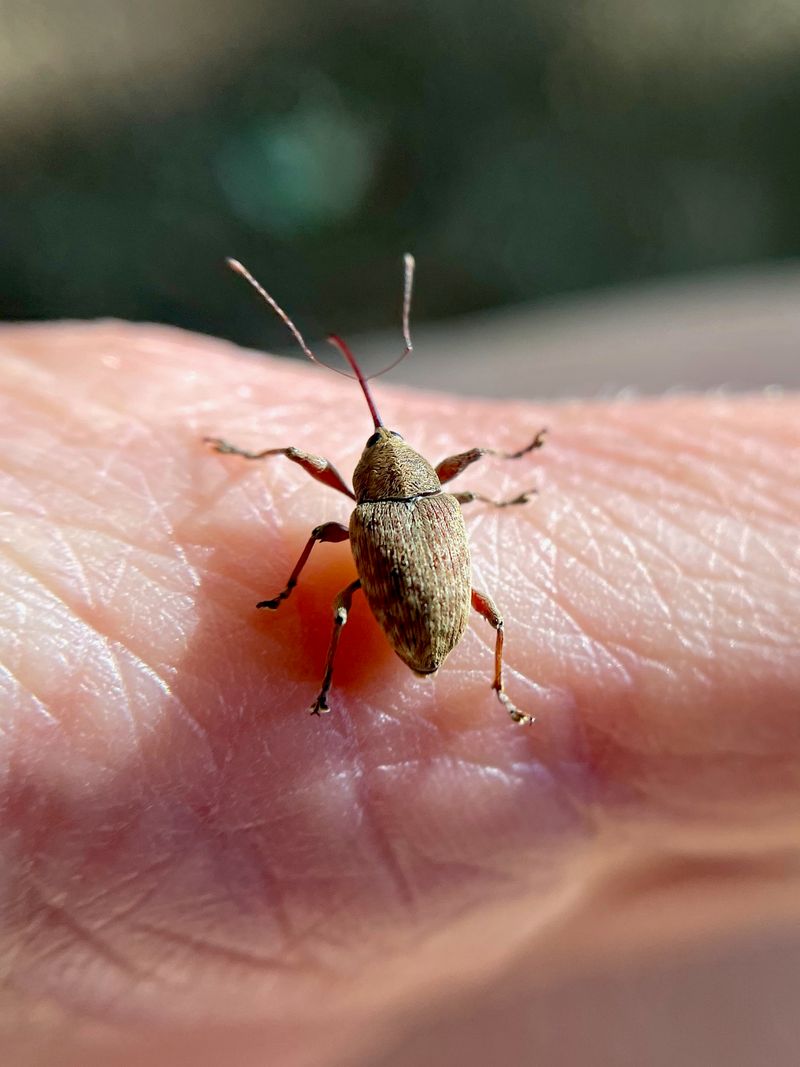
Picture a pecan that looks healthy on the branch but has a grub feeding on the kernel inside. The likely culprit is the pecan weevil, Curculio caryae.
According to Texas A&M AgriLife home-orchard guidance, the female lays eggs in a developing pecan, and the larvae feed on the kernel. The pest is found throughout most of Texas and is especially damaging late in the season where it occurs.
The damage is aimed at the nuts. Weevil larvae do not hollow out trunks, limbs, or whole trees, so a tree with a weevil problem is still a living, healthy tree producing some compromised nuts.
The loss comes at harvest, when a cracked shell reveals a ruined kernel.
It also helps to keep the scale in view. Infested nuts are a real concern for any grower, and the pest can cause serious crop losses.
But nothing in the research points to a brand-new arrival in Central Texas or to confirmed, regionwide crop destruction. This is a long-established pest that homeowners can learn to manage.
You may also hear about quarantines. The Texas Department of Agriculture regulates the movement of pecans out of quarantined areas.
Those rules control where nuts can travel. They do not signal a recent invasion, and they are the place to check for current movement rules.
Its life cycle can conceal damage inside a developing nut
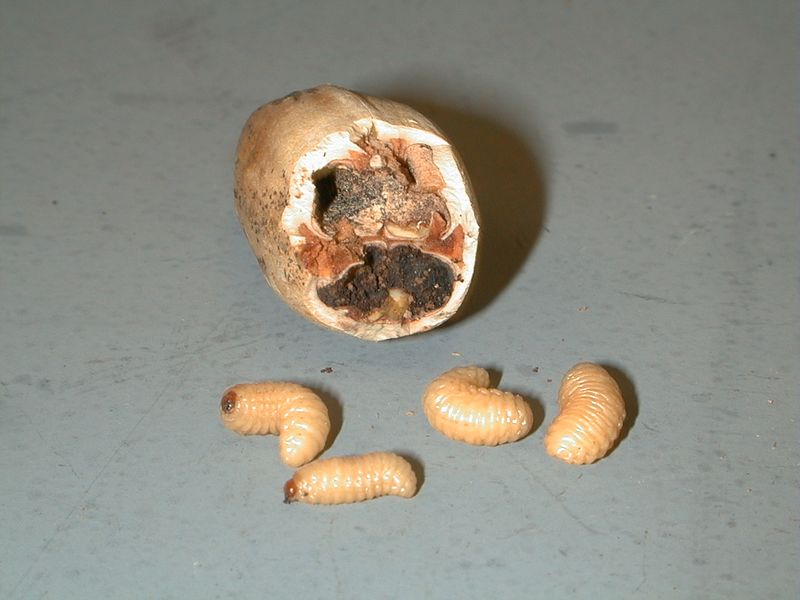
Most of the weevil’s life happens out of sight. Adults crawl up from the soil in summer, and AgriLife’s pecan pest guide says emergence generally begins in August.
Dry weather and soil conditions can push that date later, so no two seasons look exactly alike.
Once nuts reach the gel stage, females lay eggs in them. The eggs hatch into larvae that feed on the developing kernel inside the shell.
From the outside, the nut can look completely normal during this stretch.
After feeding, the larvae chew a round hole through the shell and drop to the ground. That exit usually comes about 42 days after the eggs are laid.
The grubs then burrow into the soil, where they wait.
Patience is the weevil’s other trick. The life cycle usually takes two years, though some weevils take three.
That means grubs from this year’s nuts may not show up as adults until a later season.
Because timing shifts with weather and soil, treat these dates as a general pattern rather than a calendar for your own tree. Watching nut development and the season matters more than circling a single day.
A round exit hole is a clue, but no hole is no all-clear
Walk under the tree after nuts start to fall and pick up a handful. Look for a clean, round hole about the size of a BB.
AgriLife’s home-orchard page describes that hole as a recognizable sign that a weevil larva has already left the nut.
A missing hole does not mean the nut is safe. A larva may still be inside, feeding or waiting to exit.
That is why a smooth shell tells you very little on its own.
The best check is simple. Crack a sample of nuts from different parts of the tree and look at the kernels.
Damaged ones may be partly eaten or have frass, the gritty leftover from feeding.
Be careful about jumping to conclusions. A shriveled, light, or dropped pecan does not prove a weevil was involved, because other insects and stresses can cause similar-looking nuts.
Stick to what you can see: a neat round exit hole, a grub in the shell, or kernel damage you can confirm by cracking.
Central Texas monitoring starts before harvest
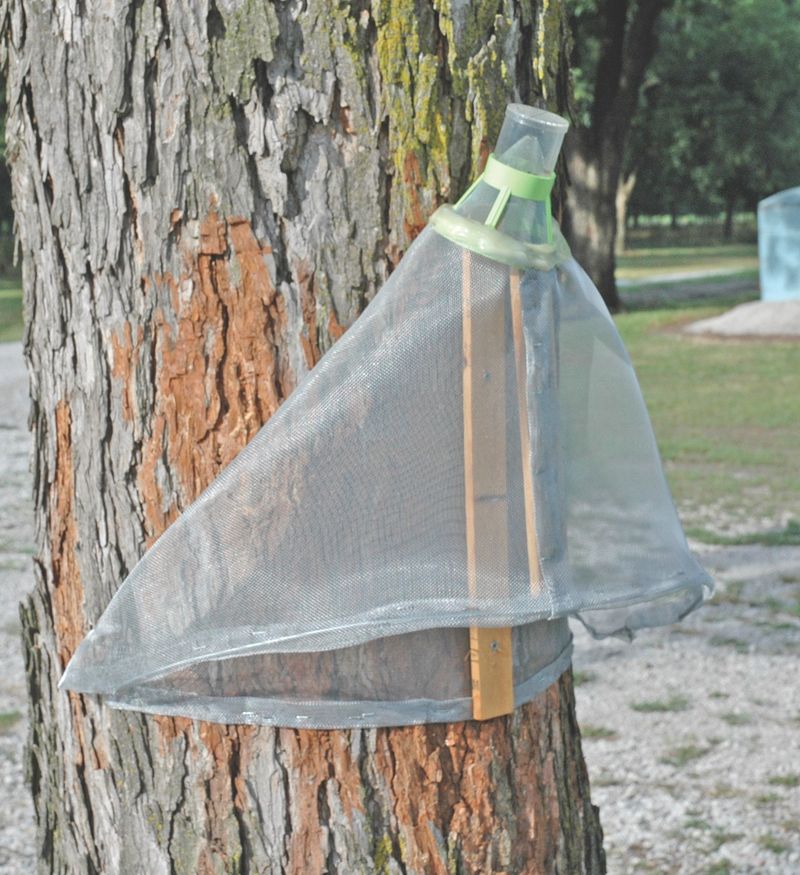
Timing is everything with a pest that starts in the soil. For Central Texas, AgriLife’s commercial guide suggests starting to trap adult weevils around the first week of August and continuing through shuck split.
The guide also says to begin one to two weeks before the first nuts enter the gel stage. That gel stage is when females can start laying eggs, so catching adult emergence ahead of it gives growers a heads-up.
Traps, paired with a close eye on nut development, show when adults are active. They are a way to watch, not a prediction.
Catching weevils tells you something is moving, and catching none does not guarantee a clean harvest.
Keep these dates in perspective. They are seasonal guidance for a limited window, not a year-round routine and not a promise that your backyard tree has weevils.
Drought and soil conditions can shift emergence, so a tree on dry ground may run later than a neighbor’s.
If you have only a tree or two, the same idea applies on a smaller scale. Check nuts as the season moves along, and plan to inspect fallen pecans once they begin to drop.
Other problems can also spoil pecans
A disappointing harvest has many possible causes, and the weevil is only one. Texas A&M’s native pecan production guide covers several nut pests that Texas growers deal with, including pecan nut casebearers and hickory shuckworms.
Both damage nuts in ways that can look like weevil trouble at first glance.
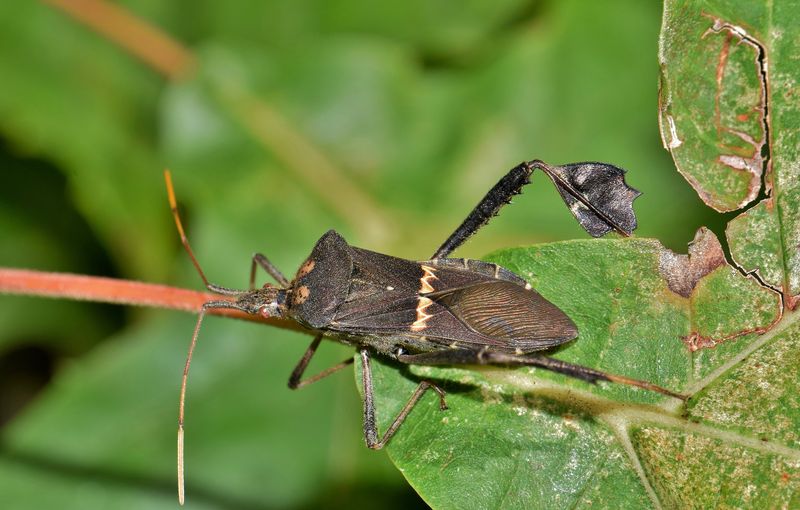
Stink bugs and leaffooted bugs add another layer. Their feeding can leave dark, bitter spots on kernels, a very different pattern from a larva eating through the inside.
AgriLife’s home-orchard insect page helps tell these apart.
Weather and tree stress matter too. Drought, a heavy crop load, and other pressures can lead to poorly filled kernels or nuts that drop early.
A tree that set a huge crop in a dry Texas summer may simply run out of steam.
For a fuller picture, AgriLife’s Evaluating Pecan Problems fact sheet walks through other explanations. Use it as a reminder to look for evidence, like a round exit hole or a grub, before blaming the weevil.
Home growers can remove infested nuts and avoid blanket spraying
For a backyard grower, the most practical steps involve nuts, not sprays. Crack sample nuts to see what is really inside.
AgriLife’s pecan pest guide says harvesting early, before larvae exit the nuts, can remove grubs from the orchard and reduce infestations if done every year.
After harvest, destroy infested nuts so the grubs do not finish their cycle. Do not carry them into weevil-free areas, since moving nuts is how the pest can spread.
Texas Department of Agriculture rules cover movement from quarantined areas, so check them before sharing or shipping.
Insecticides are a different story. They are aimed at adult weevils before egg-laying, not at larvae already protected inside the nut.
The commercial guide describes monitoring adults and nut development, and in some cases repeat applications, but that schedule was written for commercial orchards and is not a blanket plan for homes.
Size matters as well. Clemson Extension notes in its home garden pecan guide that professional treatment is costly and often not worth it on mature landscape trees.
Spraying a tall tree is also hard to do well.
If you are thinking about treatment, read the current product label closely and ask Texas A&M AgriLife or a licensed applicator. Broad-spectrum products can also harm helpful insects, so a spray is not a free fix.
Seasonal vigilance beats invasion panic
Hidden kernel feeding is real, and it is why a little attention pays off. Pecan weevil is a long-known pest of nuts, not a sign that Central Texas trees are being hollowed out or that a new invasion is underway.
The routine is simple. Watch during the late-summer window, inspect fallen nuts for round exit holes, crack a sample, and remove infested nuts.
Pecans are worth a few minutes of checking, and a cracked shell tells the truth.