
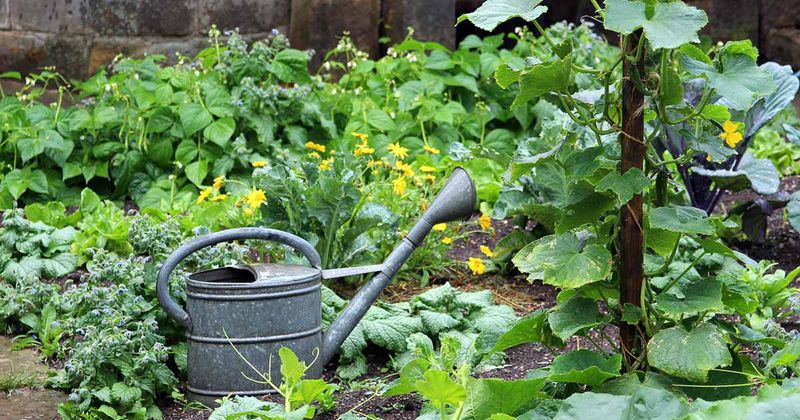
If your cucumber vines look sad, chewed up, or just plain lazy about making fruit, the plants growing beside them might be part of the problem, or part of the solution. Certain companion plants can shoo away hungry beetles, pull in the bees your cucumbers need, and even improve the soil under your feet. The right neighbors can turn a struggling patch into a healthy, productive one without a shelf full of sprays. Here are 31 companions worth tucking in next to your cucumbers this season.
1. Nasturtium

Aphids and cucumber beetles seem to love nasturtiums even more than they love your cucumbers, which is exactly why gardeners plant them. Acting as a trap crop, nasturtiums may lure pests away from your vines and toward their own peppery leaves instead.
Those bright orange and red blooms also pull in hoverflies and other beneficial insects that snack on aphids. So while the flowers are busy being bait, they are also recruiting a tiny pest patrol on your behalf.
Fun bit: every part of the nasturtium is edible, and the flowers add a spicy kick to summer salads. That means a plant working double duty in your bed can also land on your dinner plate.
Plant them along the edges of your cucumber patch where they can sprawl freely without shading your crop. They ask for very little, thrive in poor soil, and often bloom right up until frost. If your cucumbers have been battling beetles, a border of nasturtiums can reduce the pressure while brightening the whole corner of the garden.
2. Radish
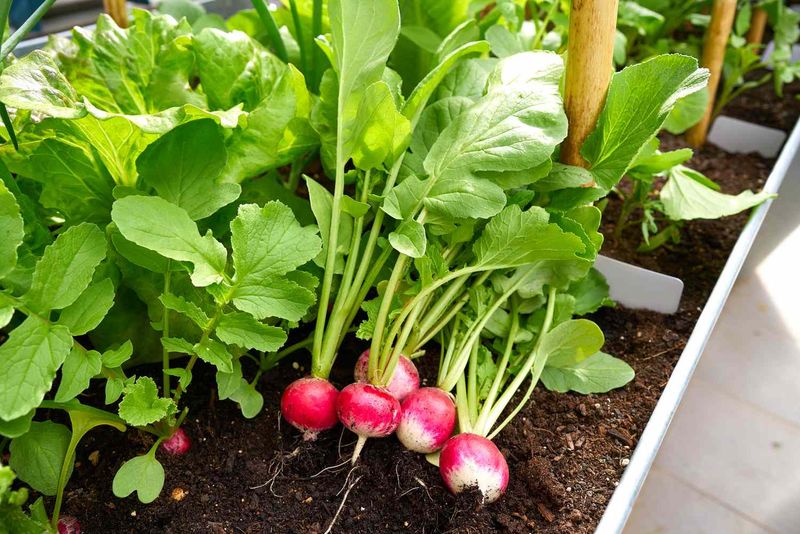
Small, fast, and surprisingly tough, radishes punch well above their size when planted near cucumbers. Sow them early and they will be up and working before your cucumber seedlings even find their footing.
Gardeners often use radishes as a trap crop for cucumber beetles and flea beetles, which can help draw damage away from the tender cucumber leaves. Let a few radishes bolt and flower, and they will also feed pollinators and predatory insects.
Because they mature in as little as three to four weeks, you get a snappy harvest long before the cucumbers hit their stride. That quick turnaround makes them a smart way to use space that would otherwise sit empty.
Their roots gently break up compacted soil too, leaving little channels behind that help water and air reach cucumber roots. Tuck radish seeds between your cucumber hills or along the row and let them do their quiet work. It is one of the easiest partnerships you can set up, and it rewards you fast with crunchy roots and healthier vines above ground.
3. Dill
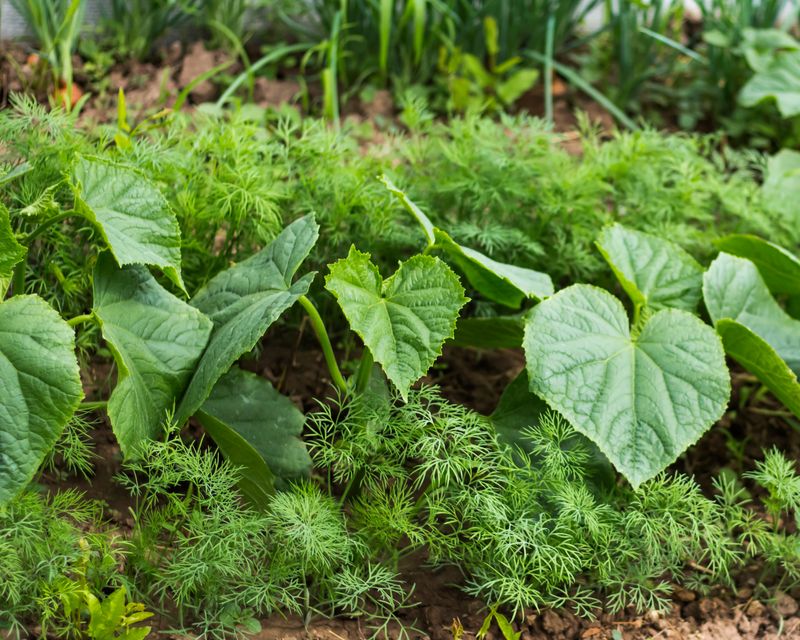
Feathery and fragrant, dill is one of those herbs that seems to whisper to helpful bugs. Its lacy yellow flower heads are magnets for ladybugs, lacewings, and tiny parasitic wasps, all of which happily hunt the aphids and beetles that trouble cucumbers.
Beyond the pest patrol it recruits, dill can improve the flavor and vigor of nearby cucumbers, according to plenty of longtime gardeners. Whether that is science or folklore, the beneficial insects alone earn dill a spot in the bed.
Let a few plants flower rather than harvesting every stem, since those umbrella blooms are where the magic happens. The scent also seems to confuse some pests that hunt by smell, which may reduce their interest in your vines.
Give dill a sunny spot a short reach from your cucumbers so it does not crowd them, and let it reseed for next year. When cucumber season winds down, you will have fresh dill ready for pickling the very cucumbers it protected. That kitchen connection makes this pairing feel almost too tidy to pass up.
4. Marigold
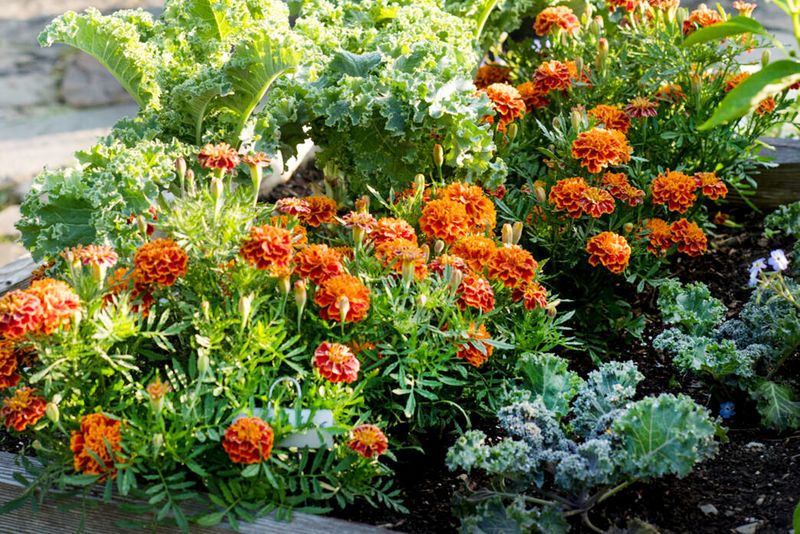
Cheerful and nearly bulletproof, marigolds have earned a permanent place in vegetable gardens for good reason. Their roots release compounds that can suppress root-knot nematodes, the microscopic pests that quietly weaken cucumber roots underground.
Above the soil, that strong marigold scent may help mask the smell of your cucumbers, making it harder for beetles to zero in on them. The bold orange and gold flowers also draw in hoverflies and other beneficial insects that keep aphid numbers down.
French marigolds tend to be the most effective for nematode control, so reach for those over the giant African types if pests are your main worry. Plant them in clusters around the base of your cucumber hills or as a bright border along the row.
They shrug off heat, bloom for months, and ask for almost nothing in return. Deadhead spent flowers now and then to keep the show going all summer. For a plant that works below ground and above it while looking good the whole time, marigolds are hard to beat as a cucumber neighbor.
5. Bush Beans
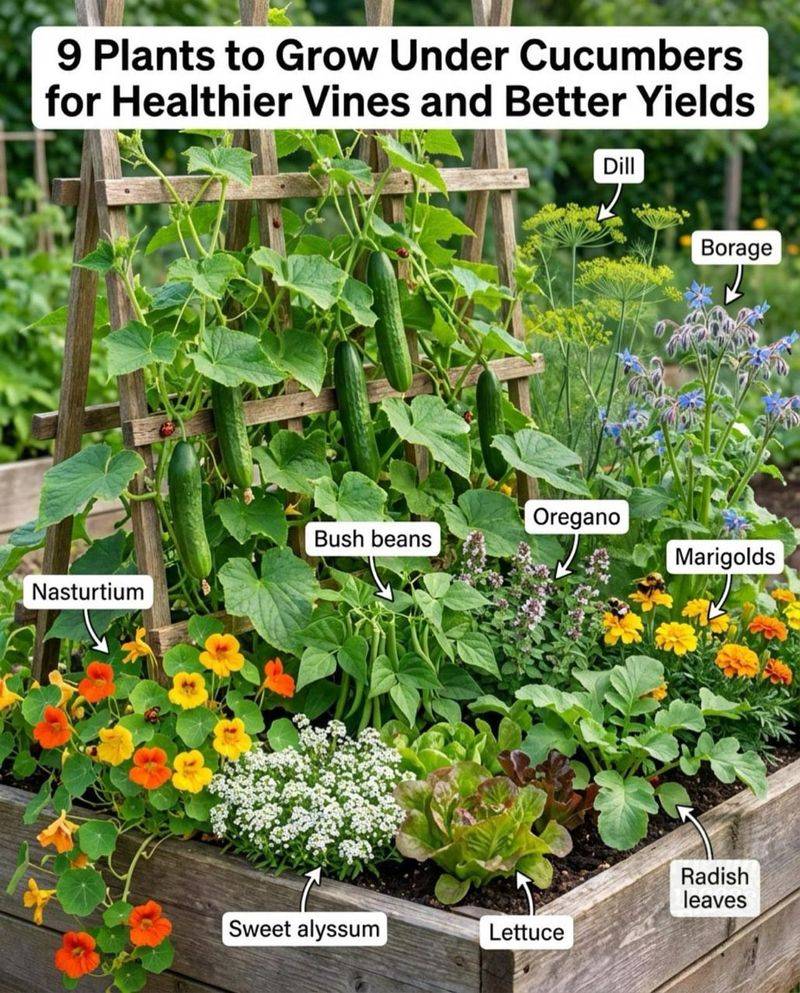
Quietly generous, bush beans work underground in a way you cannot see but your cucumbers will feel. With the help of bacteria on their roots, they pull nitrogen from the air and fix it into the soil, feeding hungry cucumber vines nearby.
Because bush beans stay compact, they will not climb over or shade out your cucumbers the way pole beans might. That makes them an easy fit tucked between hills or along the edge of the patch.
They also add a leafy layer that helps shade the soil, keeping moisture in during hot spells when cucumbers stress out fast. Fewer weeds and steadier moisture mean less work for you and less strain on the crop.
Harvest the beans regularly and the plants keep producing, giving you a second vegetable from the same square footage. When the season ends, chop the plants and leave the roots in the ground so that captured nitrogen stays put. If your cucumber leaves have looked pale and underfed, planting bush beans beside them is a gentle, natural way to boost the nutrition in your beds.
6. Peas
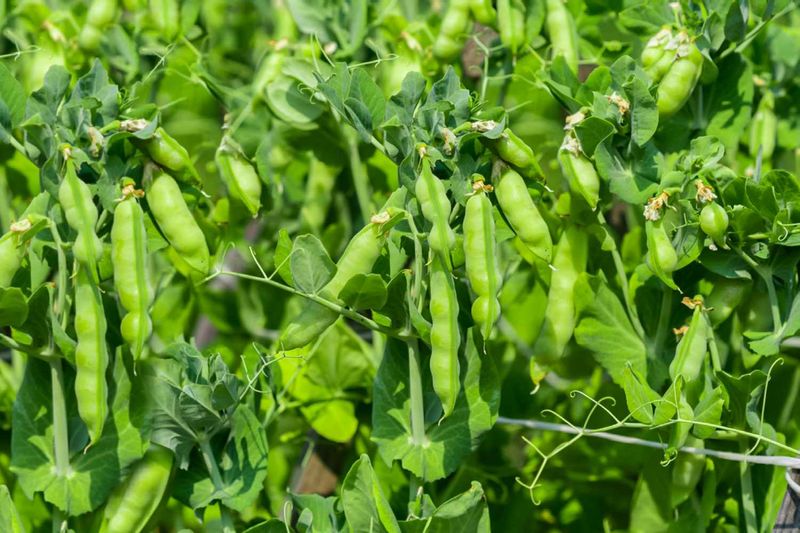
Cool-weather champions, peas get going early in spring when cucumbers are still just a dream. Like their bean cousins, they partner with soil bacteria to fix nitrogen, leaving the ground richer for the cucumbers that follow.
Timing is the clever part here. Peas finish up around the time cucumbers hit their growth spurt, so they hand off a nourished bed right when it is needed most.
Grow them on a trellis and they take up almost no ground space, which means you can slip them in without stealing room from your main crop. Once they fade in the summer heat, cut the vines at soil level and let the roots decompose in place.
That leftover nitrogen can give your cucumber plants a noticeable lift, often showing up as greener leaves and stronger vines. Sweet peas for eating are a bonus reward for barely any effort. If you want to prep a healthier bed before cucumber season even starts, a spring round of peas is one of the simplest head starts you can give your future crop.
7. Corn
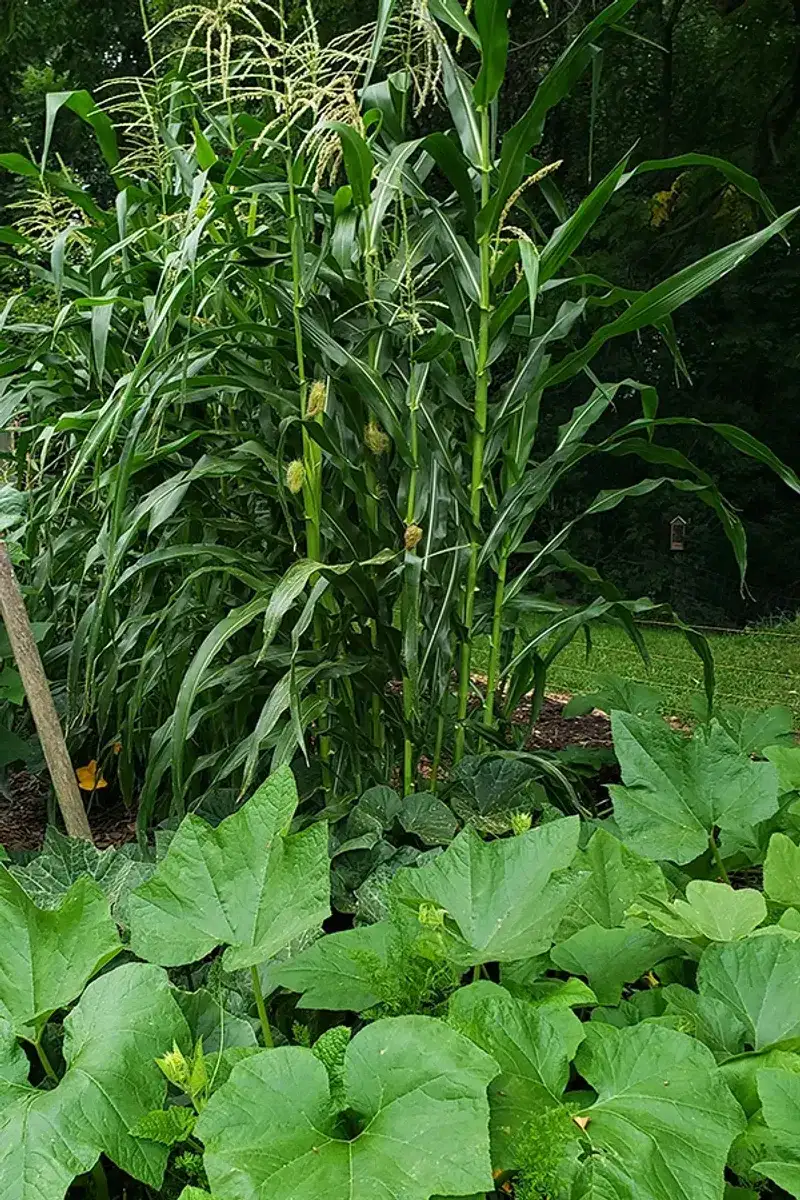
Tall and steady, corn offers cucumbers something they always appreciate: a living support and a bit of afternoon shade. Vining cucumbers can climb corn stalks in a classic pairing, though bush types simply enjoy the dappled shelter.
During brutal summer afternoons, that light shade may protect cucumber leaves from scorching and slow down moisture loss. Cucumbers that stay cooler tend to keep setting fruit instead of stalling out in the heat.
Space matters with this duo, so give corn its own row and let cucumbers ramble at the base with a little breathing room. Corn is a heavy feeder, so enrich the soil well and both crops will fare better.
The old Three Sisters method paired corn, beans, and squash for exactly these kinds of mutual benefits, and cucumbers slot right into that thinking. Watch your watering, since two thirsty plants share the ground. If your cucumbers wilt every hot afternoon, letting them grow in the gentle shadow of a corn patch can ease that daily heat stress and keep the harvest coming.
8. Sunflower

Towering and sunny, sunflowers do more than turn heads over the garden fence. Their sturdy stalks can act as a natural trellis for climbing cucumbers, saving you the cost and fuss of building supports.
Those giant golden faces are also pollinator beacons, pulling in bees by the dozen. More bees visiting your patch often means better cucumber pollination, which translates to fewer stunted, misshapen fruits.
Plant sunflowers on the north side of your cucumbers so their height does not throw too much shade on the crop. Give the cucumber vines a little time to catch up before letting them climb the sturdy stems.
There is a catch worth knowing: sunflowers can release chemicals that inhibit some plants, so space them a bit apart and watch how your cucumbers respond. When it works, though, it is a beautiful, functional pairing that fills the garden with buzzing life.
Come autumn, the seed heads feed birds and squirrels, extending the garden’s usefulness into the cooler months. For pollinator power and free vertical support in one bold package, sunflowers are tough to top beside cucumbers.
9. Borage
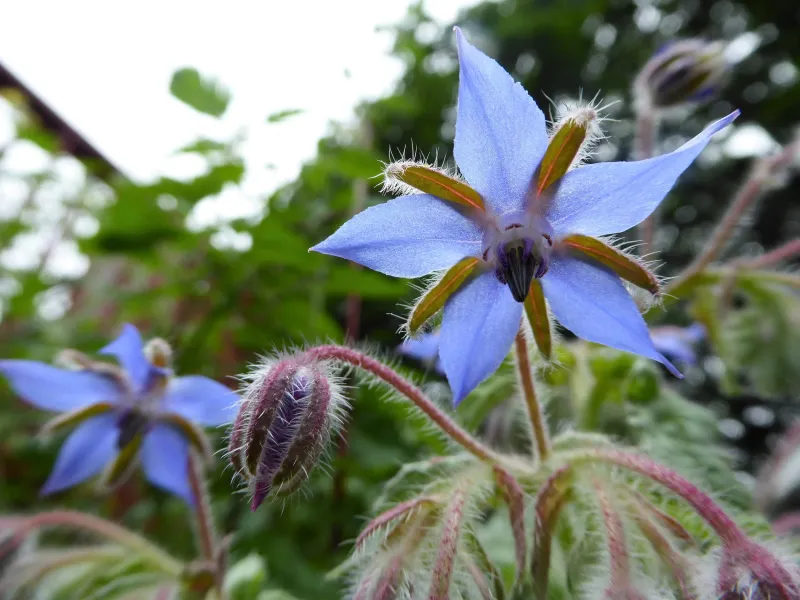
Often called the bee plant, borage buzzes with activity from the moment its star-shaped blue flowers open. That constant stream of bees is exactly what cucumbers need, since more visits usually mean more well-formed fruit.
Gardeners have long claimed borage improves the flavor and growth of neighboring plants, and while that is hard to prove, the pollinator boost alone makes it worthwhile. The flowers also draw beneficial predatory insects that help keep pests in check.
As a deep-rooted plant, borage may pull up nutrients from lower in the soil and share them near the surface as its leaves drop and break down. That gentle mineral recycling can benefit shallow-rooted cucumbers over time.
Those pretty blue blooms are edible too, tasting faintly of cucumber themselves, and they look lovely frozen into ice cubes for summer drinks. Borage reseeds readily, so plant it once and you will likely have it for years.
Give it a corner near your cucumbers where it can grow a little wild. If poor pollination has left you with fat-then-skinny cucumbers, borage might be the buzzing helper your patch is missing.
10. Oregano
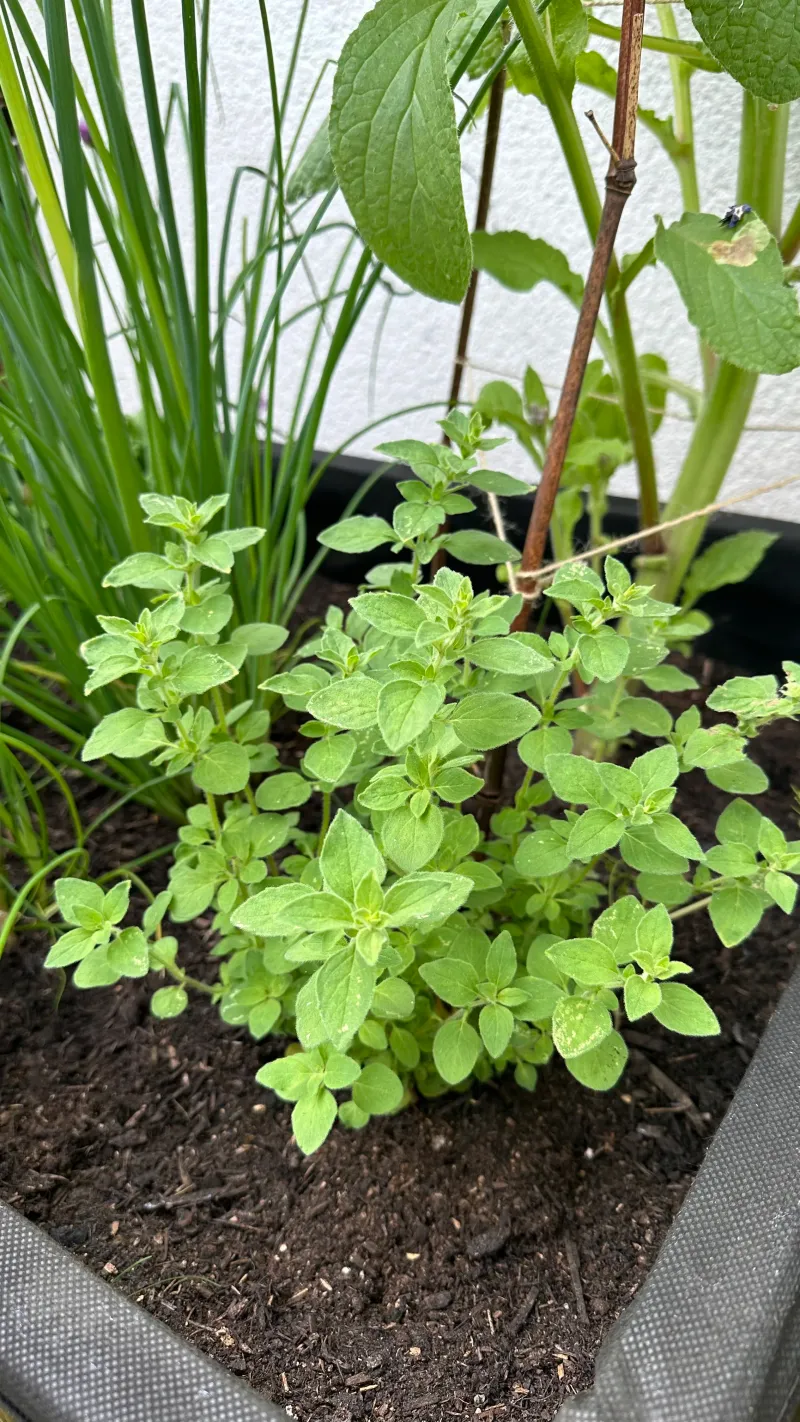
Low, spreading, and wonderfully aromatic, oregano brings a wave of scent that many garden pests would rather avoid. That pungent oil in its leaves may help confuse or repel insects looking for your cucumber vines.
When allowed to flower, oregano becomes a landing pad for hoverflies, bees, and other beneficial insects. Those visitors both pollinate and help hunt down the soft-bodied pests that weaken cucumber plants.
Its low, mat-forming habit also makes it a handy living mulch, shading the soil and keeping moisture from evaporating on hot days. Cucumbers hate dry, cracked ground, so that steadier moisture is a real gift during a heat wave.
Being a perennial in many regions, oregano can stay put year after year, anchoring one corner of the bed. Just keep it from creeping directly into your cucumber roots by giving it a defined spot or a container.
You get a fragrant kitchen herb and a hardworking garden ally in one tidy plant. If pests keep finding your cucumbers no matter what you try, a border of aromatic oregano can help throw them off the scent.
11. Chives

Slim green spikes with a mild onion punch, chives carry a scent that many pests find downright offensive. That aroma may help mask your cucumbers and discourage aphids from settling in on the tender growth.
Members of the onion family are famous for this kind of pest confusion, and chives are among the easiest to grow. Their purple pom-pom flowers also attract bees and beneficial insects when you let them bloom.
Gardeners sometimes credit chives with helping fend off certain fungal troubles nearby, though results vary and it is no guarantee. Even so, an aromatic barrier around your cucumbers rarely hurts and often helps.
Because they grow in neat clumps, chives fit into small gaps between cucumber hills without crowding anything out. They come back year after year as a reliable perennial, so one planting keeps paying off.
Snip the leaves for cooking all season and the plants simply regrow. If aphids have been clustering on your cucumber tips and curling the leaves, ringing the area with fragrant chives is a low-effort way to make the neighborhood less inviting to them.
12. Garlic
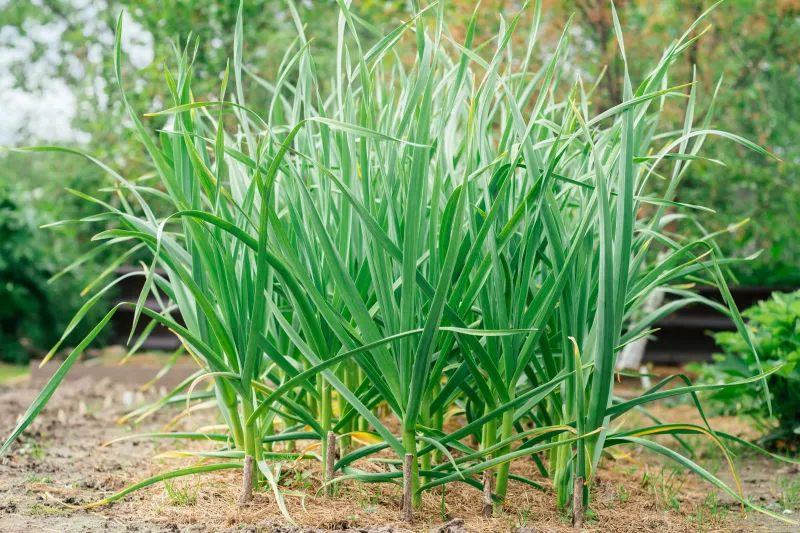
Pungent enough to make pests turn around, garlic is one of the oldest natural guardians in the vegetable garden. Its sulfur compounds can help repel aphids, beetles, and even some spider mites that target cucumber leaves.
That same strong smell may throw off insects that locate cucumbers by scent, buying your vines a little peace. Some gardeners also believe garlic helps discourage certain fungal problems in the soil around it.
Garlic takes up hardly any room, growing straight up in slim green stalks that slip easily between cucumber plants. Plant cloves in the gaps and let them stand guard while your cucumbers sprawl below.
Fall-planted garlic will be well established by the time cucumber season arrives, giving you a mature protector ready to work. You can also blend homegrown garlic into a simple spray for extra pest defense.
Harvest the bulbs in midsummer, and you have seasoning for the kitchen plus room freed up for late cucumber growth. If beetles keep chewing ragged holes in your cucumber foliage, a scattering of garlic through the bed can make the area far less appealing to them.
13. Onion

Sharp-smelling and unassuming, onions bring the same pest-repelling power as their allium relatives to the cucumber patch. Their scent can mask cucumbers and help deter aphids and other soft-bodied bugs that pierce and weaken the vines.
Growing tall and skinny, onions barely compete for space, tucking neatly into the edges and gaps of a busy bed. That vertical habit means you get pest protection without sacrificing the ground your cucumbers need to run.
Some gardeners plant onions specifically to break up the visual and scent trail that pests follow from one crop to the next. Mixing them through the bed can make it harder for insects to march straight to your cucumbers.
Onions are also forgiving and low-maintenance, happy to grow while you focus attention on the fussier crops. Pull them as green onions early or leave them to bulb up for a later harvest.
Either way, you get kitchen onions and a fragrant guard duty in one plant. When your cucumber leaves keep getting overrun by aphids, weaving onions through the patch is a simple, no-spray way to make life harder for the pests.
14. Lettuce
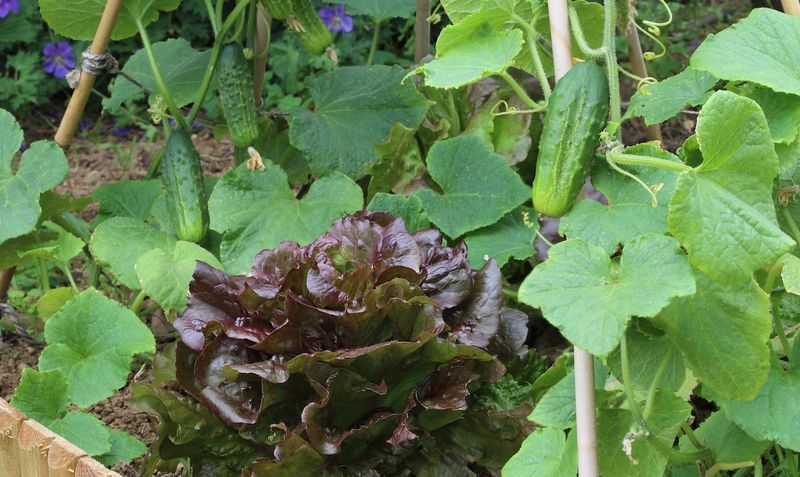
Cool, leafy, and quick to harvest, lettuce is the easygoing neighbor cucumbers happily share a bed with. Its shallow roots stay out of the way while cucumber roots dig deeper, so the two rarely fight over resources.
Planted at the base of climbing cucumbers, lettuce gets a bit of welcome shade that keeps it from bolting too fast in the heat. In turn, the lettuce carpet shades the soil and helps lock in moisture for the thirsty vines above.
Because lettuce matures fast, you can harvest it out of the way well before your cucumbers reach full sprawl. That makes it a smart way to squeeze extra food from the same patch of ground.
Its low profile also crowds out weeds that would otherwise compete with your cucumbers for water and nutrients. Succession-sow a few seeds every couple of weeks for a steady supply.
Nothing about this pairing is dramatic, and that is the beauty of it. If your cucumber bed has bare soil drying out fast between plants, a living lettuce mulch keeps things cool and hands you salad in the bargain.
15. Spinach
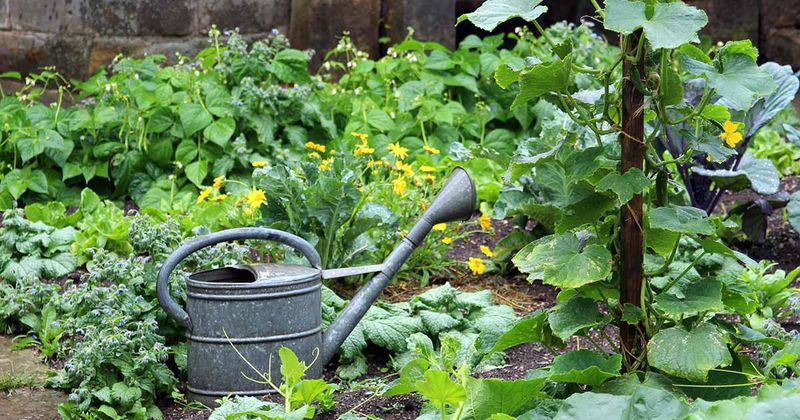
Fast, cool-loving, and space-savvy, spinach fills the ground layer of a cucumber bed without asking for much. Its low leaves shade the soil, helping keep moisture in during the stretches when cucumbers wilt fastest.
Since spinach thrives in cooler weather, plant it early and it will be feeding you before summer heat and full-grown cucumbers take over the space. That neat timing means one bed does double duty across the seasons.
The shallow root system stays polite, leaving room below for cucumber roots to spread and drink deeply. Little competition means both crops can grow without stepping on each other.
Spinach also grows dense enough to smother weeds, sparing you the chore of pulling them out from around delicate cucumber stems. Fewer weeds means less competition for water and nutrients your cucumbers want for themselves.
Harvest the outer leaves and the plants keep producing until warmth finally slows them down. By then your cucumbers are ready to claim the room. For gardeners who hate seeing bare, drying soil between cucumber plants, a quick planting of spinach turns that empty space into cool cover and a tasty early harvest.
16. Beets
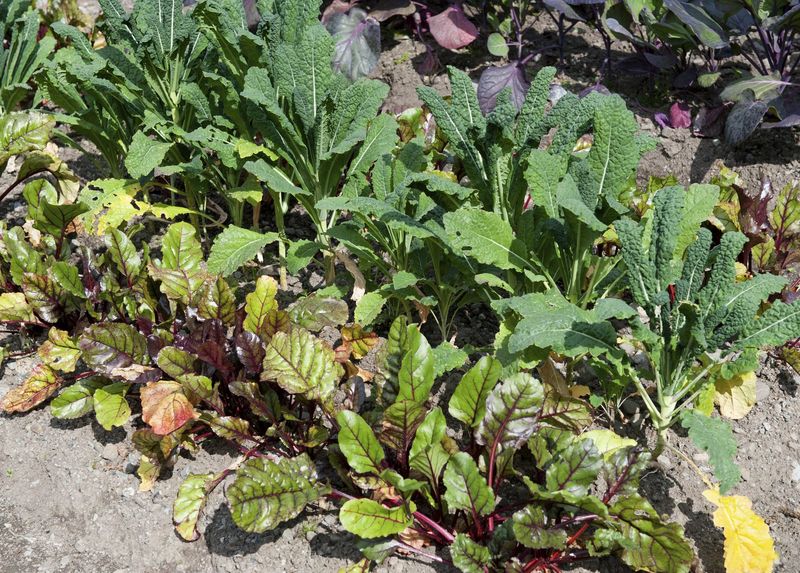
Steady growers with a knack for staying out of trouble, beets make quiet, cooperative companions for cucumbers. Their roots reach down to a different level than cucumber roots, so the two crops draw from separate parts of the soil.
That layered rooting means you can grow more food in the same space without either plant going hungry. Beets also loosen the soil as they swell, leaving it a bit softer for cucumber roots to move through.
The leafy beet tops provide a modest amount of ground cover, shading soil and slowing evaporation on hot days. Cucumbers appreciate any help holding onto moisture when the temperature climbs.
You get two harvests from one bed, since beet roots and their nutritious greens are both worth eating. Pull them as needed and let the cucumbers keep spreading overhead.
Beets rarely attract the pests that pester cucumbers, so they will not add to your bug problems. For a low-drama companion that stacks a second crop below your cucumbers while gently improving the soil, beets are a dependable pick that asks very little of you.
17. Carrots
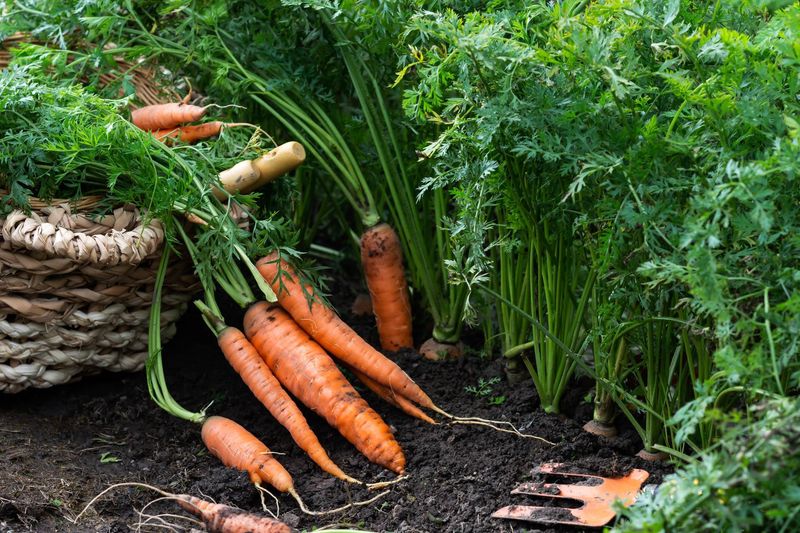
Deep-diving and undemanding, carrots slip into a cucumber bed and use the space nobody else wants. While cucumber roots spread wide and shallow, carrots plunge straight down, so the two crops rarely bump elbows underground.
As carrots grow, they naturally loosen and aerate the soil, opening up little pathways that help water and air reach cucumber roots. That gentle tilling happens without you lifting a finger.
Their ferny tops take up almost no room above ground, letting your cucumbers claim the sunlight and sprawl freely. You get a full crop of carrots below and cucumbers above from a single patch.
Carrots also do not compete for the same nutrients cucumbers crave most, which keeps both plants satisfied. Just keep the soil loose and free of rocks so the roots grow straight and sweet.
Since carrots take their time maturing, they are still working the soil long after quick crops have come and gone. If your cucumber bed feels crowded and you want to squeeze in more food without stressing the vines, carrots quietly fit into the layer where nothing else is competing.
18. Celery
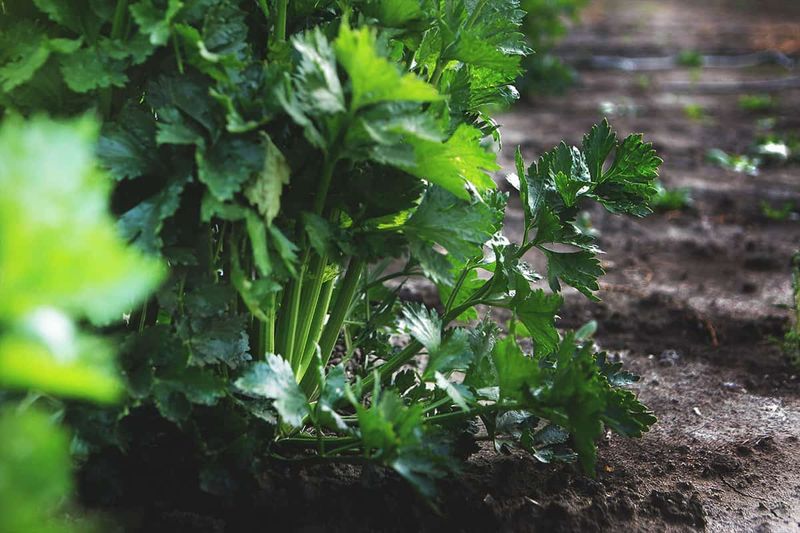
Upright and unhurried, celery brings a subtle aroma that some gardeners believe helps keep certain pests guessing. That faint scent may add one more layer of confusion around your cucumber patch.
Celery grows in tidy vertical clumps, so it fits into gaps without sprawling over your cucumbers or hogging the sun. Its moisture-loving nature also means it thrives right alongside cucumbers, which want steady water too.
Because both crops share a fondness for rich, consistently damp soil, caring for one tends to keep the other happy. Set up your watering for cucumbers and celery comes along for the ride.
The dense leafy stalks add a little ground shade near the base of the bed, helping soil hold onto moisture during hot spells. Cucumbers under heat stress benefit from every bit of cooling they can get.
Celery takes a while to mature, so it stays as a steady presence through much of the cucumber season. If you already water your cucumbers generously and want a companion that thrives in those same wet conditions rather than fighting them, celery slots right in without extra fuss.
19. Tansy
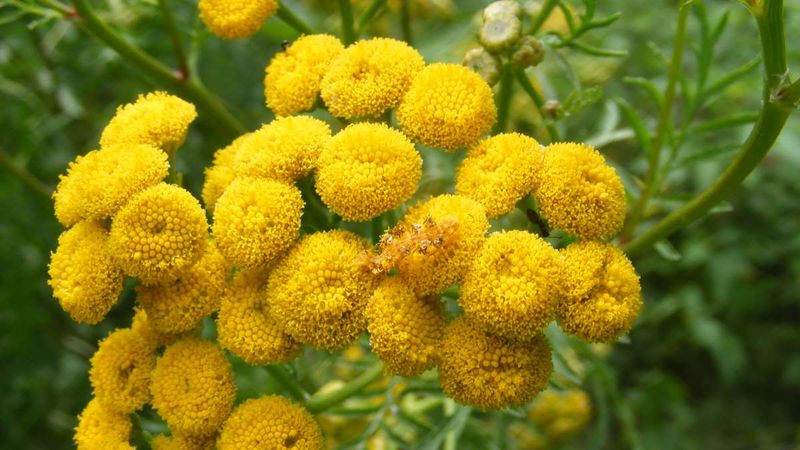
Bold and old-fashioned, tansy is a flowering herb with a serious reputation as a bug repellent. Its strong scent and yellow button flowers may help deter cucumber beetles, ants, and other pests that plague the patch.
Old herb gardens often included tansy specifically to protect vegetables, and the tradition holds up in many modern beds. The flowers also attract ladybugs and other beneficial insects that hunt aphids.
A word of caution: tansy can spread aggressively and is toxic if eaten in quantity, so plant it thoughtfully and keep it contained. Growing it in a pot near your cucumbers gives you the benefit without the takeover.
Position it at the edge of the bed where its scent can drift over the cucumbers and confuse incoming pests. It handles poor soil and neglect with ease, making it a low-maintenance guard.
Because it is a perennial, one planting keeps working year after year in the same spot. If cucumber beetles are your yearly nemesis and the usual tricks fall short, adding a well-managed clump of tansy nearby gives you an old-time defender with a strong track record.
20. Catnip
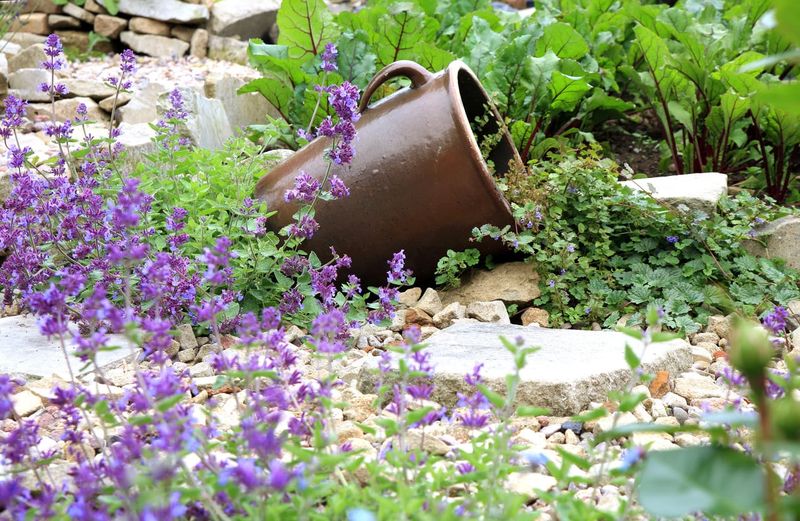
Famous for driving cats wild, catnip has a lesser-known talent that gardeners treasure: it may repel cucumber beetles and aphids. Studies have even found its oil to be a surprisingly effective insect deterrent.
That minty aroma can help throw pests off the trail before they reach your cucumber vines. When catnip flowers, it also pulls in bees and beneficial insects that pollinate and hunt pests.
Be warned that catnip spreads quickly and will invite every neighborhood cat to lounge in your garden, so keep it in a pot or a corner you do not mind sacrificing. Contained, it delivers protection without becoming a nuisance.
Plant it near the edges of your cucumber patch so the scent can waft across the vines. It shrugs off drought and poor soil, asking almost nothing while it works.
You can also dry the leaves for a homemade insect-repelling sachet or a treat for your feline friends. If cucumber beetles march through your garden every summer no matter what you do, a strategically placed patch of catnip gives you a fragrant, research-backed line of defense.
21. Calendula
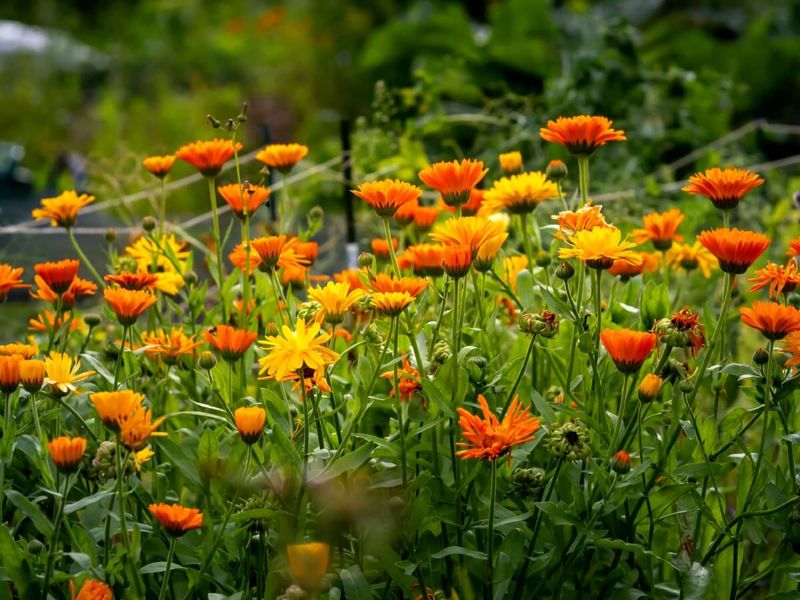
Warm as a summer sunset, calendula lights up the garden with orange and yellow blooms while quietly earning its keep. Its sticky stems trap aphids, and the flowers act as a magnet for hoverflies and ladybugs that devour those same pests.
Sometimes called pot marigold, calendula pulls double duty as a trap plant and a beneficial-insect buffet. That combination can help ease aphid pressure on your cucumbers over the season.
The flowers bloom for months and are edible too, adding a peppery color to salads and even skin-soothing salves. So the plant that guards your cucumbers can also stock your kitchen and medicine shelf.
Calendula is tough and unfussy, thriving in average soil with regular water and plenty of sun. Deadhead spent blooms to keep the color and the pest patrol going strong.
Scatter it around the border of your cucumber bed where its flowers can attract helpers from all directions. If aphids keep curling your cucumber leaves and sticky sprays feel like a losing battle, planting cheerful calendula builds a natural, self-renewing defense that looks beautiful while it works.
22. Cilantro
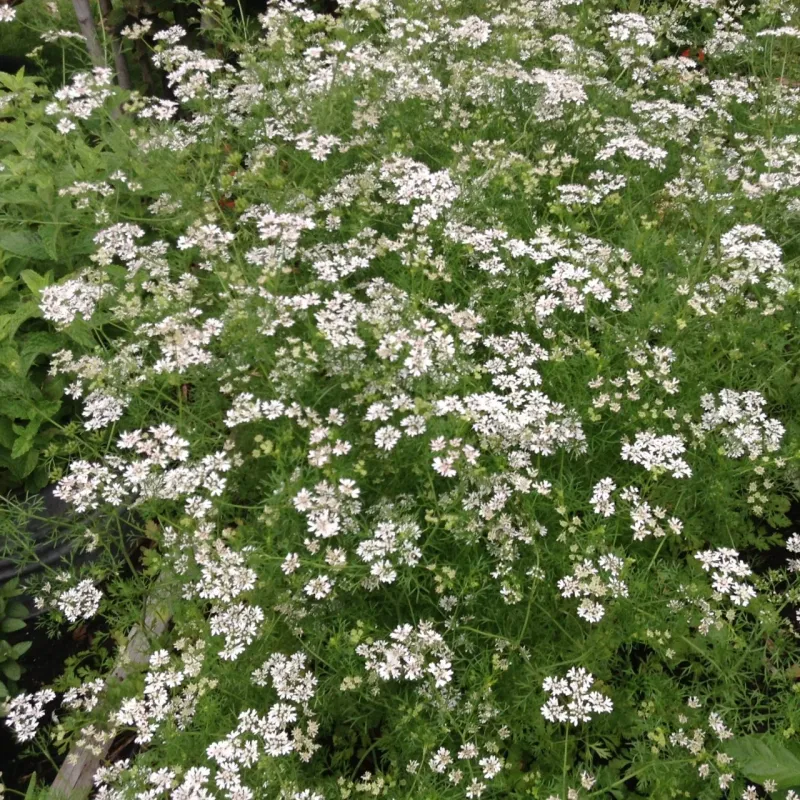
Zesty in the kitchen and busy in the garden, cilantro becomes a pollinator hotspot the moment it bolts and flowers. Those tiny white blooms draw in hoverflies, lacewings, and parasitic wasps that feast on aphids and other soft pests.
Rather than fighting cilantro when it bolts in the heat, let it flower near your cucumbers and put those blossoms to work. The insects it recruits patrol your vines for free.
Cilantro’s own scent may also help mask cucumbers and mildly deter some pests looking for a meal. It is a small effect, but every layer of protection adds up in a busy bed.
Since it grows quickly and stays compact, cilantro fits into gaps without crowding out the main crop. Let some plants set seed and you will have coriander for the spice rack plus volunteer seedlings next season.
Give it a spot with a little afternoon shade in high summer so it lasts longer before flowering. If beneficial bugs have been scarce in your garden and pests keep gaining ground, letting cilantro flower beside your cucumbers rolls out a welcome mat for the helpers you need.
23. Sweet Alyssum
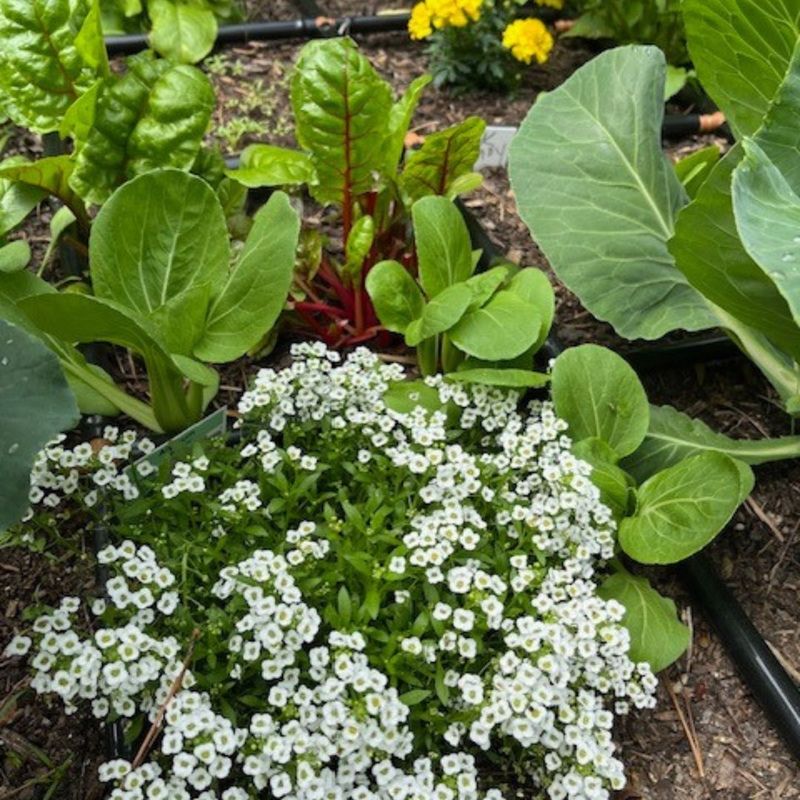
Low and lacy with a honey-sweet scent, sweet alyssum forms a flowering carpet that beneficial insects cannot resist. Its clouds of tiny blooms are especially loved by hoverflies, whose larvae are hungry aphid predators.
Planted as a border or living mulch around cucumbers, alyssum keeps a steady supply of these helpers close to the action. More hoverflies patrolling means aphid outbreaks may fizzle before they get serious.
The dense mat of foliage also shades the soil, helping hold moisture and suppress weeds around the base of your cucumber plants. Cucumbers under heat stress appreciate that cooler, damper ground.
Alyssum stays short and gentle, so it never competes with or crowds the main crop. It simply spreads along the ground doing its quiet, fragrant work all season long.
It reseeds freely, often returning on its own the following year with no effort from you. Give it sun and average soil and it thrives. If you want to build up a standing army of beneficial insects around your cucumbers while covering bare soil at the same time, a fringe of sweet alyssum is a beautiful two-for-one solution.
24. Tomatoes

A little controversial but often rewarding, tomatoes and cucumbers can grow well side by side when given room to breathe. Both enjoy warm weather, rich soil, and plenty of sun, so their basic needs line up nicely.
Grown vertically on separate supports, tall tomatoes can cast light afternoon shade that eases heat stress on cucumbers below. That cooling effect may keep cucumbers producing when a heat wave would otherwise stall them.
Good airflow is the key to making this pairing work, since both plants are prone to fungal issues when crowded. Space them generously and prune for circulation to keep leaves dry and healthy.
Some gardeners avoid this combo, worried they compete for nutrients, so feed the soil well to keep both satisfied. In a rich, roomy bed, that competition rarely becomes a real problem.
Harvest season overlaps beautifully, giving you the makings of a fresh summer salad from one corner of the garden. If your cucumbers wilt in the midday sun and you already grow tall tomatoes, letting them share a well-ventilated bed can shelter the vines while you enjoy both crops at once.
25. Mint
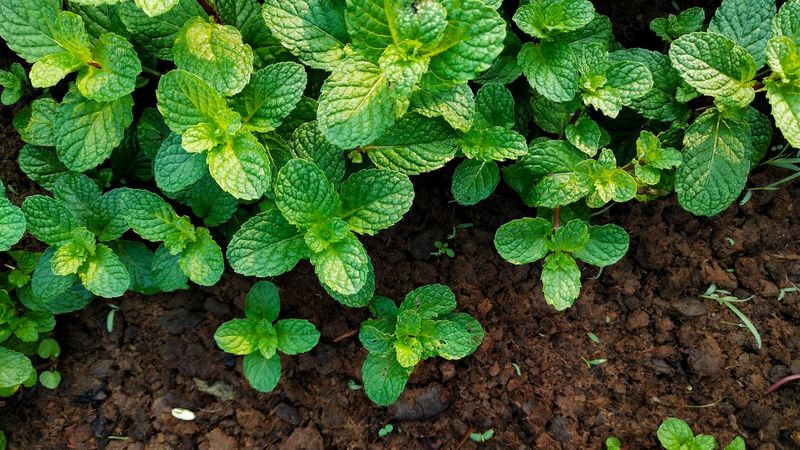
Aromatic to the point of overwhelming, mint sends out a scent that many garden pests would rather steer clear of. That strong smell may help deter aphids, ants, and even some beetles from reaching your cucumber vines.
The catch is that mint is a notorious spreader, sending runners in every direction if planted directly in the ground. Keeping it in a buried pot or a container near your cucumbers gives you the pest-repelling benefit without the invasion.
When mint flowers, it also becomes a favorite of bees and beneficial insects, adding pollination power to the neighborhood. Those extra bee visits can mean better fruit set on your cucumbers.
Set the pot at the edge of the bed so the scent drifts across the vines and greets pests before they arrive. Pinch it back regularly to keep it bushy and to enjoy fresh mint for tea and cooking.
It thrives in the same moist conditions cucumbers love, so watering is simple. If ants and aphids keep teaming up on your cucumber leaves, a contained pot of fragrant mint can help make the area far less inviting.
26. Zinnia
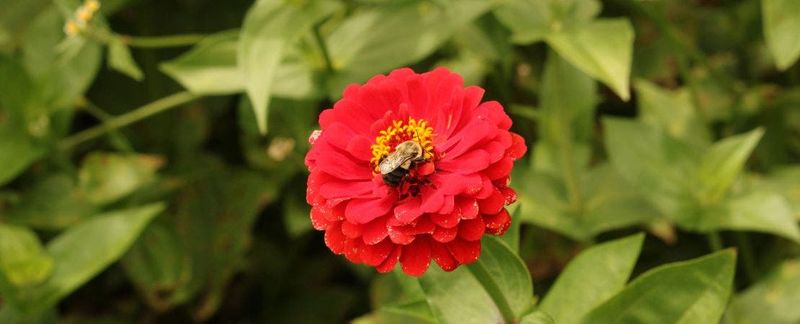
Splashed across the garden in every bright shade imaginable, zinnias are pollinator powerhouses that cucumbers quietly benefit from. Butterflies, bees, and hoverflies flock to their open blooms, and many of those visitors wander over to pollinate your cucumbers too.
More pollinator traffic near your patch often translates to fuller, better-shaped cucumbers instead of stunted duds. The hoverflies zinnias attract also help control aphids as a bonus.
Zinnias act as a bit of a trap plant as well, drawing Japanese beetles to their flowers and away from your vegetables. That distraction may spare your cucumbers some of the chewing damage.
Easy from seed and blooming for months, zinnias ask for little beyond sun and occasional deadheading. Their long stems also make wonderful cut flowers for the kitchen table.
Plant a row along the edge of your cucumber bed where they can flag down every passing pollinator. The color alone lifts the whole garden’s mood. If your cucumbers keep coming out lopsided from poor pollination, a bright band of zinnias nearby can pull in the bees and butterflies your crop has been missing.
27. Kohlrabi
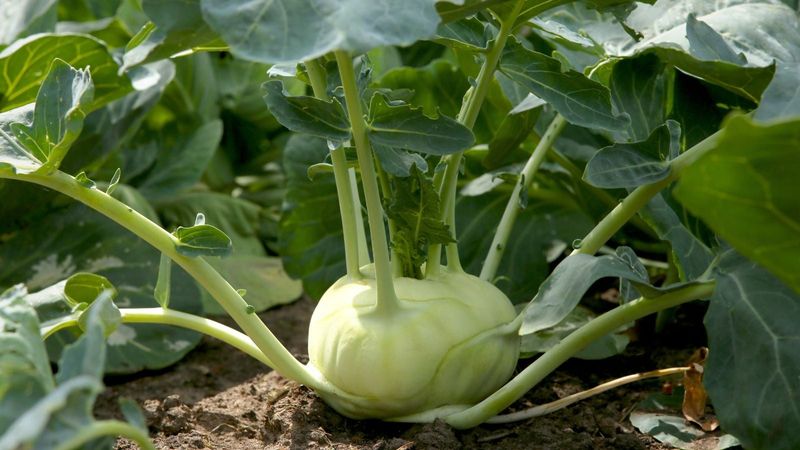
Odd-looking and often overlooked, kohlrabi is a mild-mannered brassica that gets along surprisingly well with cucumbers. Its bulbous stem grows above the soil, so it does not compete much with cucumber roots below.
Because kohlrabi matures fairly quickly, you can harvest it before your cucumbers reach full sprawl and demand the space. That timing lets one bed produce two very different crops in a season.
Its broad leaves offer a touch of ground shade near the base of the bed, helping keep soil moisture from vanishing on hot days. Cucumbers, always thirsty in summer, welcome that cooler footing.
Kohlrabi does not draw the same pests that swarm cucumbers, so it will not compound your bug troubles. Keep an eye out for cabbage worms on the kohlrabi itself, though, and pick them off as needed.
The crisp, sweet bulbs are delicious raw or roasted, giving you a fun new vegetable to try. If you want to make the most of every inch around your cucumbers with a fast, cool-tolerant crop that stays out of the way, kohlrabi is an unusual but agreeable choice.
28. Savory
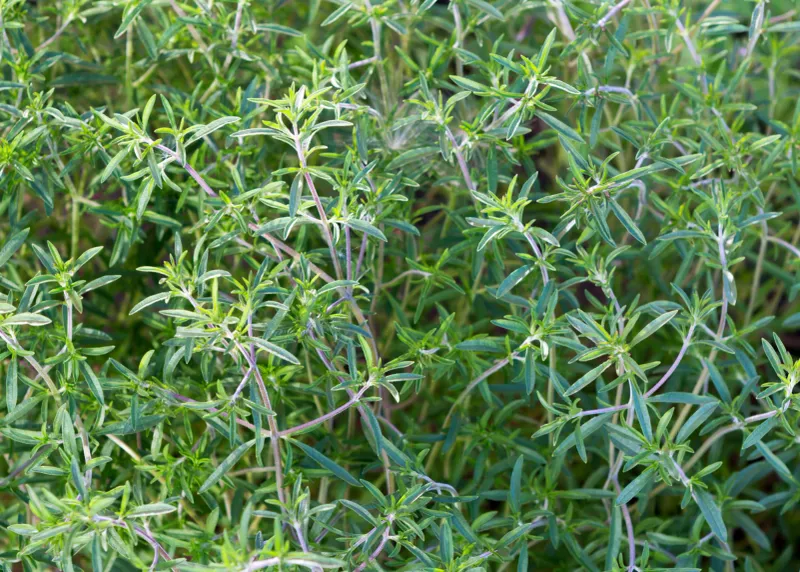
Small and spicy, summer savory is an underrated herb that pulls its weight beside cucumbers. Its aromatic leaves may help repel certain pests, and gardeners have long paired it with beans and cucumbers for that reason.
The scent adds another layer to the invisible fog of aromas that can confuse insects hunting for your vines. When it flowers, savory also draws in bees and beneficial insects that pollinate and hunt pests.
Savory stays compact and tidy, fitting easily into small spaces between cucumber hills without crowding. It handles heat and dry spells with ease, so it will not fuss during a tough summer.
In the kitchen, savory has a peppery, thyme-like flavor that happens to pair beautifully with cucumbers and beans. That means the herb protecting your crop can also season it later.
Grow it from seed in spring and it will be established and working by the time cucumbers hit their stride. If you already grow beans near your cucumbers, adding savory rounds out a classic trio. For an aromatic, low-fuss guard that doubles as a tasty seasoning, summer savory deserves a spot in your bed.
29. Yarrow

Tough as nails and endlessly useful, yarrow is a flowering perennial that beneficial insects treat like a five-star hotel. Its flat clusters of blooms give ladybugs, hoverflies, and parasitic wasps an easy landing pad and a steady food source.
Keeping those predators close means aphids and other cucumber pests have a much harder time gaining a foothold. Yarrow essentially stations a standing insect army right beside your crop.
The plant is also famously drought-tolerant and thrives in poor soil, so it survives conditions that would flatten fussier companions. That toughness makes it a reliable fixture at the edge of the bed.
Some gardeners believe yarrow’s deep roots help improve soil and that its presence boosts the vigor of nearby plants. Whether or not that holds, the beneficial-insect draw alone makes it worthwhile.
Its ferny foliage and long-lasting flowers look attractive too, softening the practical edges of a vegetable garden. Plant it once and it returns faithfully each year. If your cucumbers keep losing the aphid battle and you want a permanent recruiter for good bugs, yarrow builds that helpful population season after season with almost no care from you.
30. Beans (Pole)
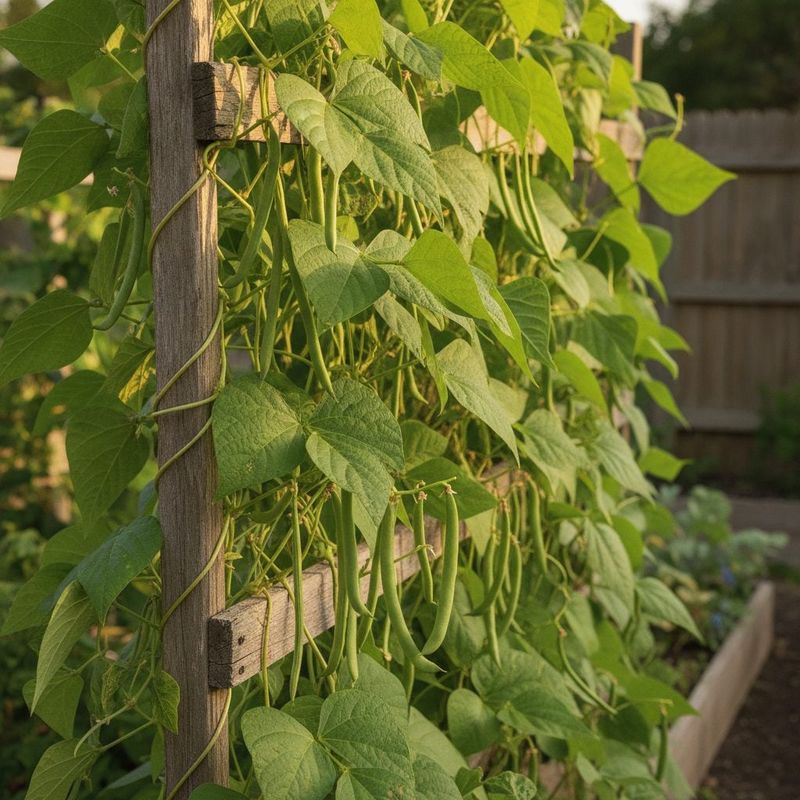
Ambitious climbers with a talent for feeding the soil, pole beans bring both height and hidden nourishment to a cucumber bed. Like all legumes, they fix nitrogen at their roots, enriching the ground for the hungry vines beside them.
Unlike bush beans, pole beans grow tall on a trellis or pole, so they use vertical space rather than crowding the ground. That means your cucumbers keep their room while the beans reach for the sky nearby.
The tall bean screen can also throw a little light shade, cooling cucumbers during scorching afternoons. Cucumbers that stay cooler tend to keep setting fruit through heat that would otherwise stall them.
Their flowers attract bees and beneficial insects, adding pollination power to the whole patch. More bees usually mean better cucumber fruit set.
Just keep the two crops on separate supports so their vines do not tangle into a messy knot. Harvest beans regularly to keep production rolling. If your cucumber leaves look pale and underfed and your bed needs both a nitrogen boost and some afternoon shade, a row of pole beans delivers on all fronts at once.
31. Buckwheat

Speedy and selfless, buckwheat is a cover crop that works hard for cucumbers even though you may never eat a bite of it. It grows fast, smothers weeds, and covers bare soil that would otherwise dry out around your vines.
When it flowers, buckwheat becomes a favorite of bees and beneficial insects, filling the garden with pollinators eager to visit your cucumber blossoms. That extra buzz can noticeably improve fruit set.
As a green manure, buckwheat can be chopped down and turned into the soil, where it breaks down and adds organic matter. Richer soil holds moisture better and feeds your cucumbers more steadily.
It also helps make phosphorus in the soil more available to nearby plants, giving cucumbers access to nutrients they might otherwise miss. Few cover crops do so much in so little time.
Sow it in patches or borders where you want quick coverage and a pollinator boost. It handles poor soil without complaint and germinates within days. If your cucumber bed struggles with weeds, dry soil, and too few bees, tucking in fast-growing buckwheat tackles all three problems while quietly building healthier ground for next season.