
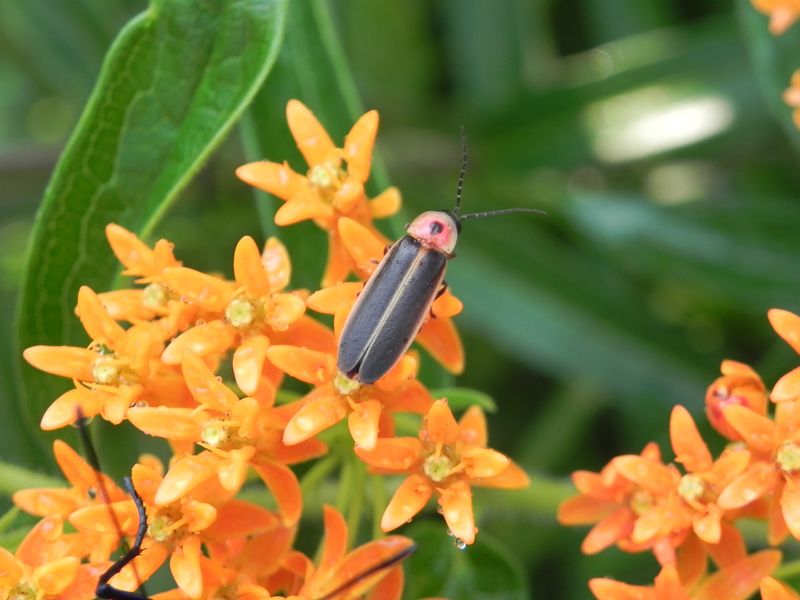
Fireflies light up warm Texas nights like tiny floating lanterns, but their glowing shows depend on more than luck. These beetles need the right plants to survive as eggs, larvae, and adults, and Texas gardens can offer exactly what they need. When you grow certain native plants, you give fireflies food, shelter, and a safe place to grow. Here are eight Texas plants that help fireflies complete their life cycle and return summer after summer.
Little Bluestem

Picture a grassy meadow swaying in the evening breeze, and you have the perfect firefly nursery. Little bluestem is a native Texas grass that grows in thick clumps, giving young fireflies a shady, humid hideout close to the ground.
Firefly larvae spend most of their lives crawling through soil and leaf litter, hunting snails, slugs, and worms. The dense base of little bluestem traps moisture and blocks harsh sunlight, which keeps the ground damp enough for those hungry larvae to thrive. Without moisture, larvae dry out and never reach the glowing adult stage.
Grown-up fireflies love this grass too. They climb the tall stems at dusk and flash their lights from the tips, hoping to catch the eye of a mate. The height gives their signals a stage where they can be seen across the yard.
Gardeners in Texas appreciate little bluestem because it handles drought, poor soil, and hot summers without much fuss. Once it settles in, it needs almost no watering, which makes it friendly for both busy people and picky insects.
Here is a neat detail: in fall, little bluestem turns a coppery-orange color that glows in the sunlight, almost like the fireflies it shelters. Leaving the clumps standing through winter protects any larvae tucked inside.
Plant a patch in a sunny corner, skip the mowing, and you create a cozy home where fireflies can grow up safely and return each year.
Eastern Red Cedar

Tall, evergreen, and tough as nails, the eastern red cedar acts like a leafy apartment building for fireflies. This native Texas tree keeps its branches full all year, offering shade and shelter when other plants have dropped their leaves.
The magic happens underneath. Cedar trees drop soft, feathery needles that pile up into a thick, spongy blanket on the ground. That layer stays cool and moist, creating the exact damp environment firefly larvae need while they hunt for tiny prey during the colder months.
Adult fireflies use cedars as resting spots during the day. Hidden among the branches, they stay safe from birds and the drying sun until nighttime, when they emerge to flash and search for partners.
Texans often plant red cedar as a windbreak or privacy screen because it grows fast and asks for very little care. It shrugs off drought, thrives in rocky soil, and can live for over a hundred years.
A fun bit of history: the wood of the eastern red cedar smells wonderful and was once used to line closets and make pencils. Fireflies do not care about pencils, but they sure appreciate the cozy floor beneath the tree.
To help your local fireflies, resist the urge to rake away all the fallen needles. Leaving that natural mulch in place gives larvae a safe, snug place to grow and ensures more glowing visitors next summer.
Turk’s Cap

With bright red blooms that curl up like tiny turbans, Turk’s cap brings both beauty and buzzing life to shady Texas corners. This cheerful shrub loves the spots under trees where sunlight barely reaches, which happens to be firefly territory.
Fireflies need moisture and cover, and Turk’s cap delivers plenty of both. Its broad leaves shade the ground and slow down water loss, keeping the soil beneath damp and welcoming for firefly larvae. Those larvae munch on slugs and snails that also gather in these cool, moist spots.
The plant grows in a loose, bushy shape that gives adult fireflies safe perches for their evening light shows. Since Turk’s cap thrives in the same dim, humid areas fireflies favor, planting it is like rolling out a welcome mat.
Hummingbirds and butterflies adore the nectar-filled flowers, so your garden becomes a busy hangout for all sorts of creatures. That variety of life supports a healthy little ecosystem where fireflies can flourish.
One reason gardeners love Turk’s cap is how forgiving it is. It bounces back after freezes, handles drought, and blooms from spring straight through fall with hardly any effort on your part.
Try tucking it beneath a shade tree or along a fence line where the ground stays cool. You will enjoy the red flowers by day and watch fireflies drift among the leaves once the sun sinks below the horizon.
American Beautyberry

Come late summer, the American beautyberry shows off clusters of shockingly purple berries that seem almost too bright to be real. Beyond the eye-catching color, this native shrub quietly supports the fireflies dancing nearby.
Beautyberry grows into a loose, arching bush that shades the soil beneath it. That shade keeps the ground moist and cool, which is exactly what firefly larvae look for as they crawl through the leaf litter hunting soft-bodied snails and worms.
Because the shrub drops leaves each fall, it builds up a rich layer of decaying material on the ground. Larvae love this messy carpet because it holds moisture and hides them from hungry predators while they slowly grow toward adulthood.
Adult fireflies benefit too. The branching stems give them plenty of launch pads for their twinkling evening displays, and the surrounding humidity keeps them comfortable during hot Texas nights.
Gardeners like beautyberry because it is nearly impossible to kill. It handles heat, drought, and shade, and the berries feed birds and small animals well into winter.
Here is something interesting: people have long crushed beautyberry leaves and rubbed them on skin as a natural bug repellent for mosquitoes. Fireflies, thankfully, are not bothered and continue to thrive right alongside the plant.
Plant beautyberry in a partly shaded spot and let the fallen leaves stay put through winter. You will reward the fireflies with a safe home and reward yourself with those unforgettable purple berries.
Inland Sea Oats

Rustling gently in the shade, inland sea oats look like they belong beside a river even when planted far from water. This graceful native grass loves damp, shady ground, making it a five-star resort for growing fireflies.
Firefly larvae need consistent moisture to survive, and inland sea oats naturally grow where the soil stays cool and wet. The plant’s spreading roots and drooping seed heads shade the earth, locking in the humidity that larvae depend on during their long development.
What sets this grass apart is the flat, dangling seed clusters that flutter with the slightest breeze. Those seed heads and thick foliage give adult fireflies protected places to rest by day and stages to flash from at night.
Texas gardeners reach for inland sea oats when they need something to grow in tricky shady spots where other plants sulk. It fills in nicely under trees, along creek edges, and in woodland gardens with very little coaxing.
A helpful tip: this grass spreads by seed and can form lovely colonies over time. Those thick patches trap even more moisture and leaf litter, multiplying the safe spaces available for firefly larvae.
Because the seed heads turn a warm bronze in fall and stay attractive through winter, you get year-round interest while sheltering the next generation of glowing beetles.
Set it in a shady, slightly moist area, let it spread, and watch as fireflies claim your quiet green corner as their own.
Wax Myrtle

Fast-growing and forever green, the wax myrtle works like a living privacy fence that also happens to shelter fireflies. This bushy native shrub fills in quickly and creates a shady, protected zone underneath its many branches.
The thick canopy of wax myrtle keeps the ground beneath it cool and damp, which is a dream come true for firefly larvae. Down in that moist shade, larvae hunt for snails and slugs while staying hidden from birds and the blazing sun.
Fallen leaves and small twigs build a soft layer on the soil, giving larvae a cozy place to burrow and grow. The steady humidity trapped by the dense foliage means the ground rarely dries out completely.
Adult fireflies find plenty of perching spots among the branches, letting them signal safely each evening. Because wax myrtle grows so tall and full, it also blocks bright outdoor lights that can confuse fireflies trying to flash their messages.
Texans plant wax myrtle for its speed and toughness. It tolerates wet soil, dry soil, salt, and shade, and its leaves give off a pleasant spicy scent when you brush against them.
Fun fact: early settlers boiled the waxy berries to make fragrant candles, which is how the plant earned its name. Fireflies bring their own natural light, no candles required.
Use wax myrtle as a hedge along your yard’s edge, and you will create a shaded, moist haven where fireflies happily settle in.
Frostweed

Tall and topped with fluffy white flowers, frostweed towers over the garden like a friendly giant that feeds pollinators and protects fireflies at the same time. This native perennial thrives in shady, moist areas where fireflies love to gather.
The broad leaves of frostweed shade the ground and hold in moisture, creating the damp conditions firefly larvae need to survive. Underneath the plant, larvae crawl through the cool soil searching for the snails and worms that make up their meals.
Late in the season, frostweed’s white blossoms attract butterflies and bees, filling the area with life. A busy, healthy garden like this supports the whole food web that fireflies rely on to thrive.
As the plant grows tall, its sturdy stems give adult fireflies elevated spots to flash their signals, helping their glowing messages travel farther across the yard at dusk.
Gardeners enjoy frostweed because it practically takes care of itself in shady corners and comes back bigger each year. It handles Texas heat during summer and shrugs off neglect with ease.
Here is where the name comes from: on the first freezing morning of winter, the stems split open and push out curling ribbons of ice that look like spun sugar. This rare and beautiful event delights anyone lucky enough to catch it.
Give frostweed a shady, moist spot with room to grow tall. You will attract butterflies by day and offer fireflies a leafy shelter that welcomes them back each summer.
Cedar Sedge

Low, grassy, and endlessly patient, cedar sedge carpets the shady floor beneath trees where sunlight rarely lands. This humble native plant may not grab attention, but fireflies consider it prime real estate.
Cedar sedge grows in soft, spreading mats that hug the ground and hold moisture close to the soil. Firefly larvae depend on that steady dampness, using the cool, shaded mat as both a hunting ground and a hiding place from predators.
Down in the tangle of thin blades, larvae find plenty of snails and other tiny creatures to eat. The dense cover keeps them safe as they slowly develop over many months before becoming glowing adults.
Since cedar sedge naturally grows under trees like the eastern red cedar, it teams up with those larger plants to build the perfect shady, humid habitat fireflies crave. Together they form a layered shelter from ground to treetop.
Texans appreciate cedar sedge as a low-maintenance ground cover that thrives in dry shade, a spot where most plants struggle. Once established, it needs almost no water and never requires mowing.
A helpful tip: use cedar sedge to fill bare, shady patches instead of bark mulch. The living carpet holds moisture better and gives larvae a natural home rather than a lifeless layer of chips.
Plant it beneath your trees and shrubs, then leave it alone to spread. You will build a quiet green foundation that helps fireflies grow up safely and light your summers year after year.