
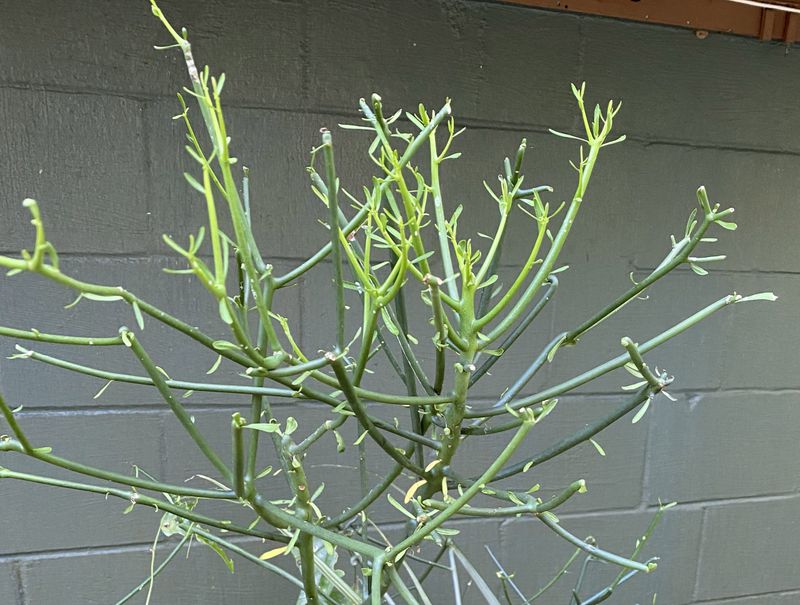
Somewhere in a Florida yard or garden center right now, a plant called pencil cactus is sitting in a pot looking completely ordinary. It has no visible thorns, no warning label, and nothing about it screams danger. But snap one of its slim green stems and a milky white sap oozes out that can seriously irritate your skin, your mouth, and especially your eyes. Knowing what this plant is and how to handle it safely could save you an emergency room visit.
The plant is pencil cactus, not a true cactus
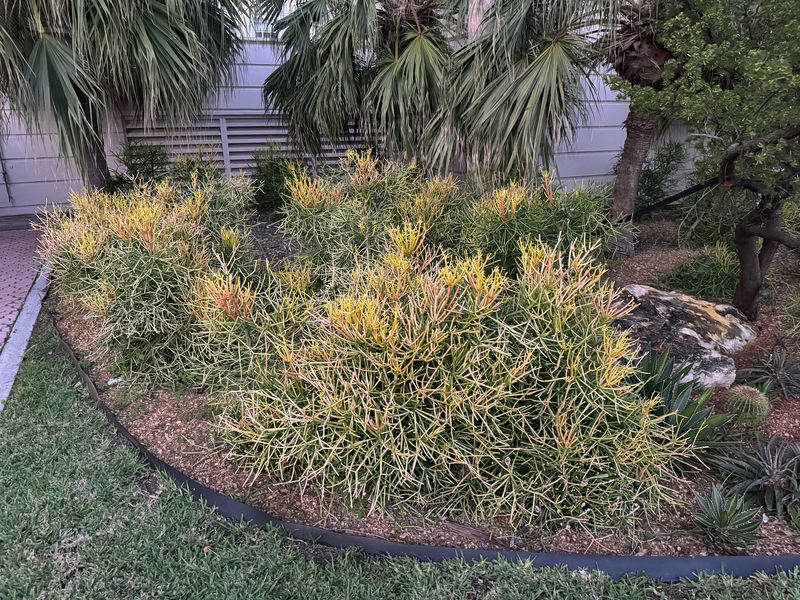
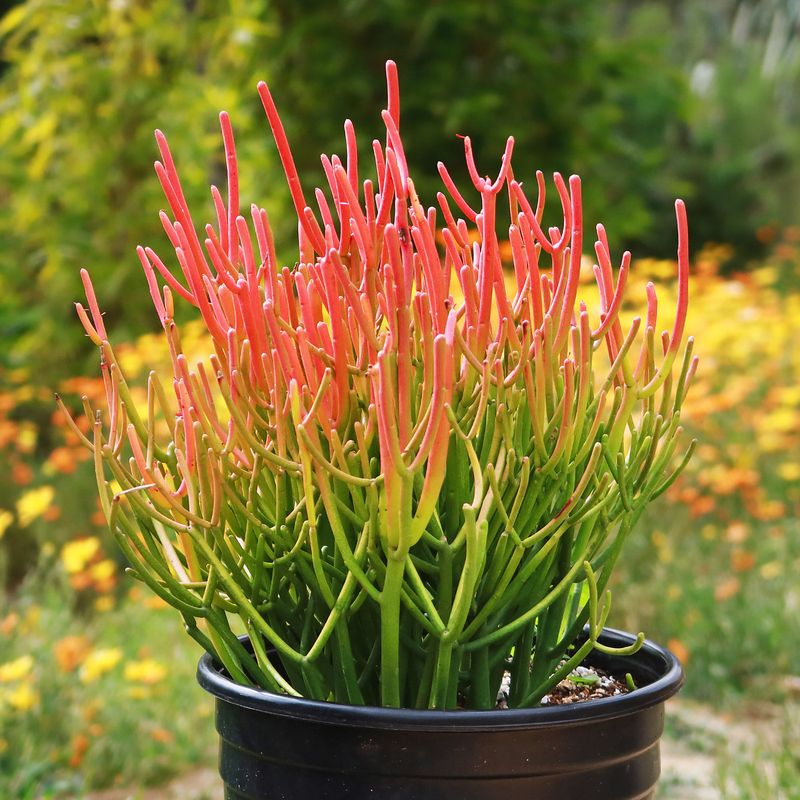
Pencil cactus goes by several names you might already recognize: pencil plant, pencil tree, or sticks on fire. Its scientific name is Euphorbia tirucalli, and despite what the common name suggests, UF/IFAS plant profiles classify it as a succulent in the Euphorbia family, not a true cactus. That distinction matters because Euphorbia plants share a specific trait: they produce a milky latex sap that most cacti do not.
The plant looks almost architectural. Its stems are narrow, smooth, and roughly pencil-thick, and the plant often carries very few visible leaves, especially in warm, dry weather. Younger growth can show orange or red tints, which is where the name sticks on fire comes from. The overall appearance is tidy and sculptural, which is part of why it sells well at garden centers throughout the state.
UF/IFAS extension writers in Charlotte County describe it as easy to grow, tolerant of drought, and well-suited to full sun, all traits that make it appealing for Florida’s hot, sandy landscape conditions. It is commonly sold and grown in Florida landscapes and containers, but that does not mean it appears in every yard across the state. The UF/IFAS plant assessment for Euphorbia tirucalli documents regional occurrences in counties including Collier, Lee, Manatee, and the Monroe Keys, and classifies the plant as not currently a problem species in Florida’s natural areas.
None of that makes it a menace to avoid entirely. Plenty of Florida gardeners grow it without incident for years. The issue is not the plant sitting still in a pot. The issue is what happens when a stem gets cut, snapped, or broken, and that milky sap comes into contact with skin, eyes, or a curious child’s mouth.
The danger starts when a stem breaks
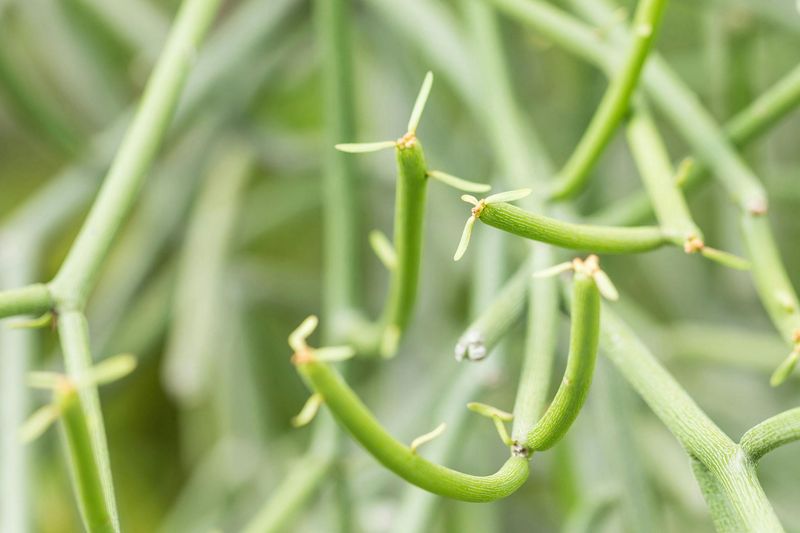
Pencil cactus does not reach out and hurt anyone. The plant sits where you put it, grows slowly, and minds its own business. The hazard begins the moment a stem is cut, snapped, pruned, propagated, or rubbed hard enough to break the surface. At that point, white milky latex flows from the wound, and any skin, eye, or mucous membrane it contacts can react badly.
UF/IFAS extension guidance on pencil cactus notes that the sap can cause burning, blistering, and inflammation on skin, and that eye and skin injuries have sent Florida homeowners to emergency rooms. The UF/IFAS floriculture production guide for cacti and succulents reinforces this, noting that Euphorbia latex irritates skin and mucous membranes and that handlers should take precautions to avoid contact.
Skin exposure typically causes redness, a burning or stinging sensation, and sometimes blistering, particularly if the sap stays on the skin for any length of time. Mouth or digestive-tract contact, which usually happens when children or pets chew on a stem, can cause irritation, swelling, and gastrointestinal discomfort. These are localized chemical and inflammatory reactions, not the kind of systemic poisoning you might associate with ingesting a highly toxic substance, but they are real and they can escalate quickly if ignored.
Poison Control’s guidance on Euphorbia spurge sap makes clear that the sap itself is the problem, not the intact plant. Walking past pencil cactus, brushing a sleeve against an unbroken stem, or even touching the outside of a healthy stem does not routinely cause injury. The risk rises sharply when pruning shears come out, when a branch snaps during yard cleanup, or when a pet decides to chew on a fallen cutting.
Eye exposure can become the most serious plant-related injury
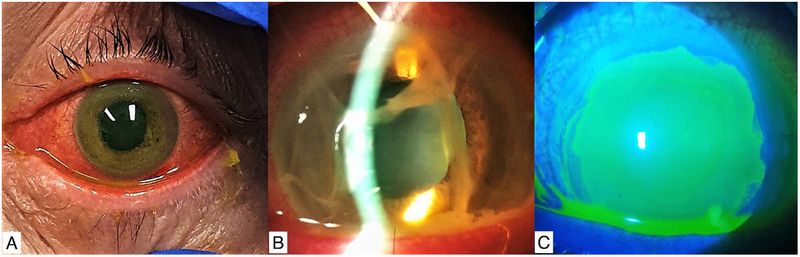
Of all the ways pencil-cactus sap can reach the body, the eyes are where the consequences can be most severe. Redness and irritation can appear within minutes of exposure, and without prompt flushing, the reaction can progress to intense pain, blurred vision, and temporary blindness. That is not an exaggeration for effect; it is what the medical literature documents.
Poison Control’s summary of Euphorbia sap exposure lists eye redness, irritation, blurred vision, and temporary blindness among the documented outcomes when sap contacts the eye. Two published ophthalmology case reports go further. A case report in the ophthalmic literature documents severe keratoconjunctivitis, a painful inflammation of the cornea and conjunctiva, following direct Euphorbia sap contact with the eye. A separate published case study in PMC describes significant vision reduction after similar exposure, with recovery linked directly to how quickly the eye received proper irrigation.
These are serious outcomes, and they deserve clear acknowledgment. At the same time, permanent blindness is not the routine result that every sap-in-the-eye incident produces. Severity depends on how much sap reached the eye, how quickly flushing began, and whether the person received medical treatment. The cases in the literature are cautionary examples, not guarantees of the worst outcome.
What connects every favorable outcome in those reports is speed. Eyes that were flushed quickly and evaluated by a medical professional fared better than those where treatment was delayed. Pencil-cactus sap in the eye is an urgent situation that calls for immediate action, not a wait-and-see approach. That urgency, more than any ranking against other hazards, is the practical lesson this evidence supports.
Respond immediately to sap on skin, in eyes, or in the mouth
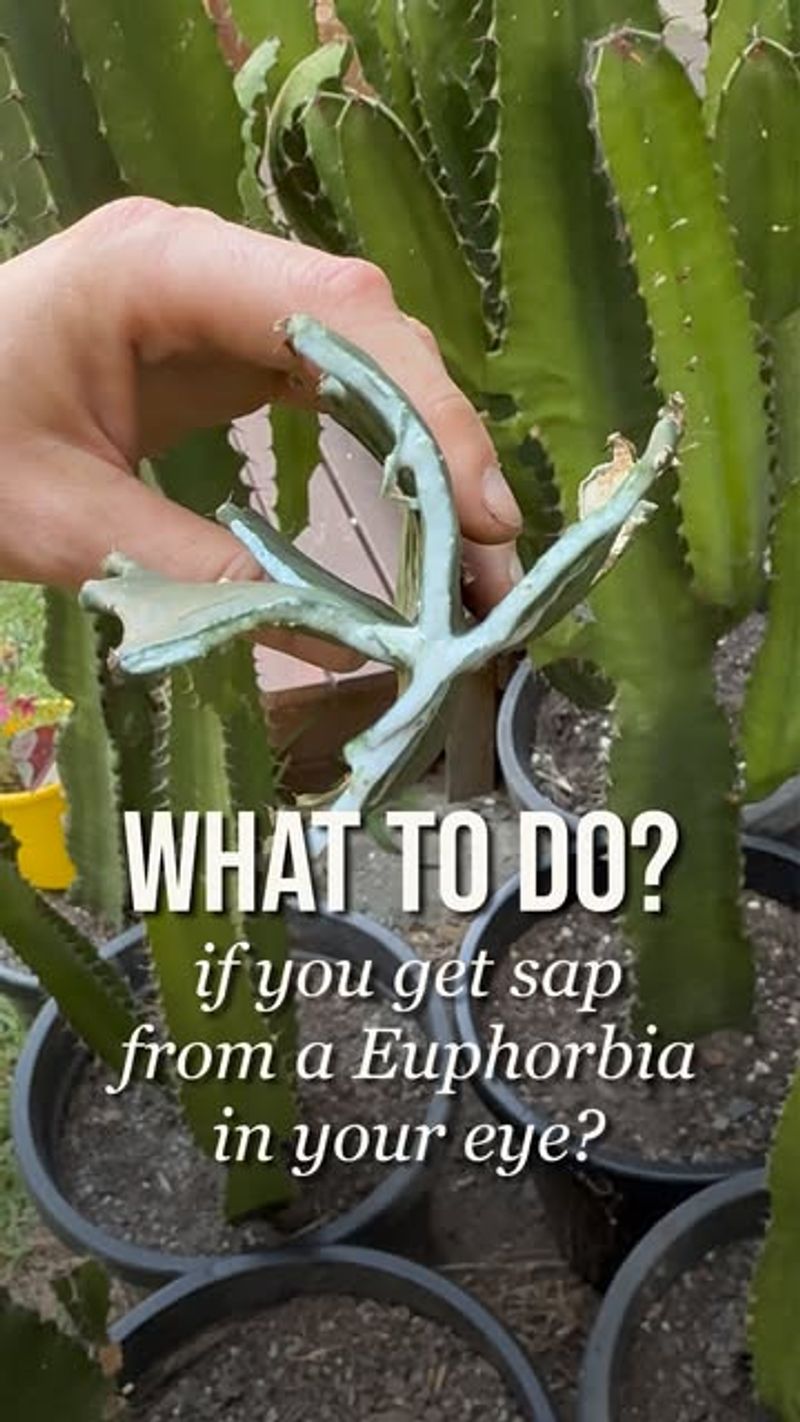
Speed matters more than anything else when pencil-cactus sap makes contact. The right response depends on where the sap landed, and knowing the steps ahead of time means you will not lose critical minutes searching for answers after the fact.
For eye exposure, start flushing immediately with clean, comfortable-temperature water. Hold the eye open and let water run over it continuously for 15 to 20 minutes. Poison Control’s guidance on spurge sap exposure is clear that water is the correct irrigant and that soap, milk, oils, vinegar, bleach, baking soda, and other home remedies should not go in the eye. After flushing, seek urgent medical evaluation if you notice vision changes, severe pain, or irritation that does not settle down.
Do not drive yourself if your vision is affected.
Skin contact is less urgent but still requires prompt action. Wash the area thoroughly with soap and water as soon as you notice the sap. Rinse well and check the skin over the next hour for redness or blistering. If a reaction develops or covers a large area, a call to Poison Control is a reasonable next step rather than waiting to see how bad it gets.
Mouth exposure or swallowed plant material calls for a different approach. Remove any remaining pieces of stem or leaf from the mouth, then rinse thoroughly with water. Florida Poison Control Centers recommend calling 1-800-222-1222 for exposure-specific advice rather than relying on general internet searches, because the right guidance depends on how much was swallowed, the person’s age and weight, and other factors a trained specialist can assess.
Pet exposures follow a different path entirely. UF/IFAS plant profile guidance and Poison Control both note that animals require veterinary advice, not the human Poison Control line. If your dog or cat chews a stem, call your vet or an animal poison hotline right away. Keep children and pets away from cuttings, fallen branches, and any area where active pruning is happening.
Prune and discard the plant without spreading the sap

Pruning pencil cactus safely comes down to preparation, not skill. Before the first cut, gear up: wear waterproof or latex gloves, a long-sleeved shirt, and safety glasses or goggles. The American Academy of Dermatology’s guidance on preventing skin problems while gardening recommends covered skin and gloves as baseline protection when handling plants known to irritate. For pencil cactus specifically, eye protection is not optional.
UF/IFAS extension writers and Poison Control both advise against bare-handed handling or testing the sap on skin to see what happens. Never touch your face or rub your eyes during or after the job until you have removed gloves and washed your hands thoroughly with soap and water. Sap transferred from a gloved hand to an eye is still sap in an eye.
Work deliberately. Cut one stem at a time, point cut ends away from your face, and set cuttings down carefully rather than tossing them. Keep children and pets out of the work area entirely, and do not leave trimmed branches or cuttings on the ground where a curious dog or a barefoot child might find them later. Bag cuttings in sealed plastic before placing them in the trash.
For large specimens or any removal that requires extensive cutting, consider hiring an experienced landscaper who is familiar with Euphorbia plants. The more cuts involved, the more sap in the air and on surfaces around you, and the harder it becomes to keep track of where it lands.
One firm rule applies to disposal: do not burn discarded material. UF/IFAS guidance on poisonous plants warns broadly that smoke from burning poisonous or irritating plants can carry irritants and cause respiratory complications. Whether pencil cactus smoke presents a specific documented hazard on its own has not been established, but the general principle is sound enough to follow.
Sap exposure and cottonmouth bites require different responses
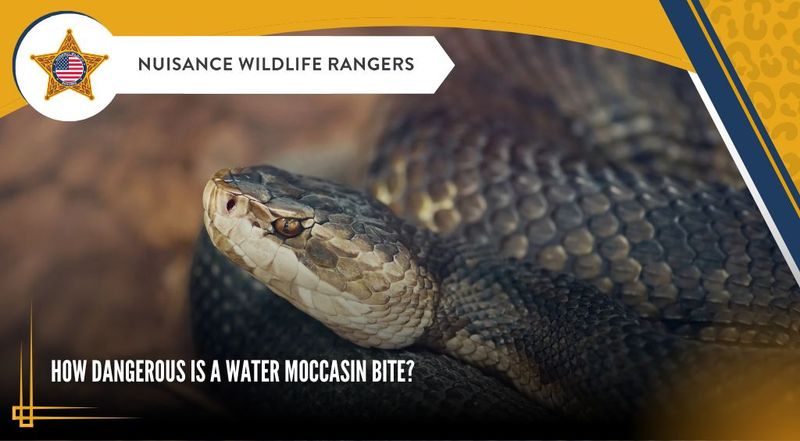
Pencil-cactus sap and cottonmouth venom are two completely different problems, and treating them as comparable in severity does not hold up against the medical evidence. Sap exposure produces a contact or ocular chemical and inflammatory injury: the skin burns, blisters, or reddens; the eye becomes inflamed; mucous membranes react. A cottonmouth bite delivers hemotoxic venom that can cause progressive swelling, tissue destruction, internal bleeding, and in serious cases, systemic effects throughout the body. These are not the same type of injury, and ranking one as generally worse than the other requires comparative clinical data that simply does not exist.
The comparison in the article title was chosen for impact, not accuracy. A fair and honest description of pencil cactus is this: an ordinary-looking ornamental whose sap can cause serious chemical irritation, especially to the eyes, and whose hazard is easy to prevent with basic protective gear. That is a genuine warning worth taking seriously without needing to be measured against snakebite.
Cottonmouths are also worth understanding on their own terms rather than as a dramatic shorthand. The Florida Museum’s cottonmouth profile and UF/IFAS snake guidance both explain that these snakes occur throughout Florida but generally avoid people. Most bites happen when someone steps on a snake, handles it, or deliberately provokes it. They are not yard predators lying in wait.
That said, a suspected cottonmouth bite is a medical emergency without exception. CDC guidance on venomous snakebites is specific: get to an emergency room promptly, keep the bitten limb at or below heart level, and do not apply a tourniquet, cut the wound, attempt suction, apply ice, use electric shock, or try any folk remedy. Antivenom administered in a hospital setting is the established treatment, and delays cost tissue and sometimes lives.
Respect the sap without treating the plant as a menace
Pencil cactus earns a place in plenty of Florida yards, and for good reason. Handled correctly, it is an attractive, low-maintenance ornamental that tolerates the heat and dry spells that challenge so many other plants in the state. The goal is not to panic or dig everything up; the goal is to handle it with the same common sense you would apply to any tool or material that can cause injury if misused.
A practical rule covers most situations: assume any broken or cut stem contains irritating sap, keep children and pets away from cuttings and damaged material, wear gloves and eye protection whenever pruning or propagating, and flush eyes immediately with clean water for 15 to 20 minutes if sap makes contact. For any exposure that causes more than mild, brief irritation, call Florida Poison Control at 1-800-222-1222 for advice specific to your situation. Poison Control’s guidance on Euphorbia sap reinforces that a trained specialist can give you more useful direction than any general internet search.
The plant is not a snake. It does not strike, chase, or sense movement. Every injury associated with it traces back to a moment when someone handled a broken stem without protection or did not know what they were dealing with. That is exactly the kind of problem good information solves.