
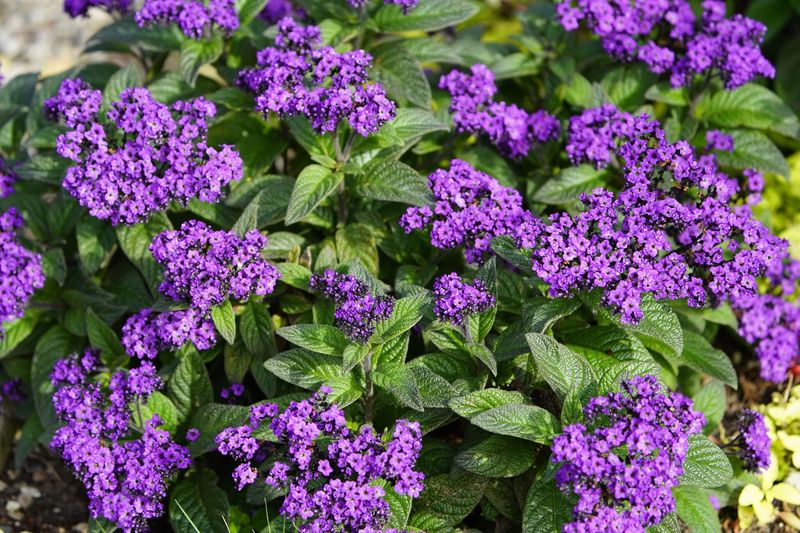
Somewhere between vanilla, almond, and warm baked fruit, there is a flower whose scent stops people mid-step and makes them look around for the source. That flower is garden heliotrope, a compact purple-blooming plant that gardeners have nicknamed the cherry pie plant for good reason. Grown in the right spot, it can fill a patio or doorway with a sweetness that feels almost edible. The catch is that the scent is localized and variable, and understanding why makes all the difference in getting the most from this plant.
Meet garden heliotrope, the plant behind the cherry-pie nickname
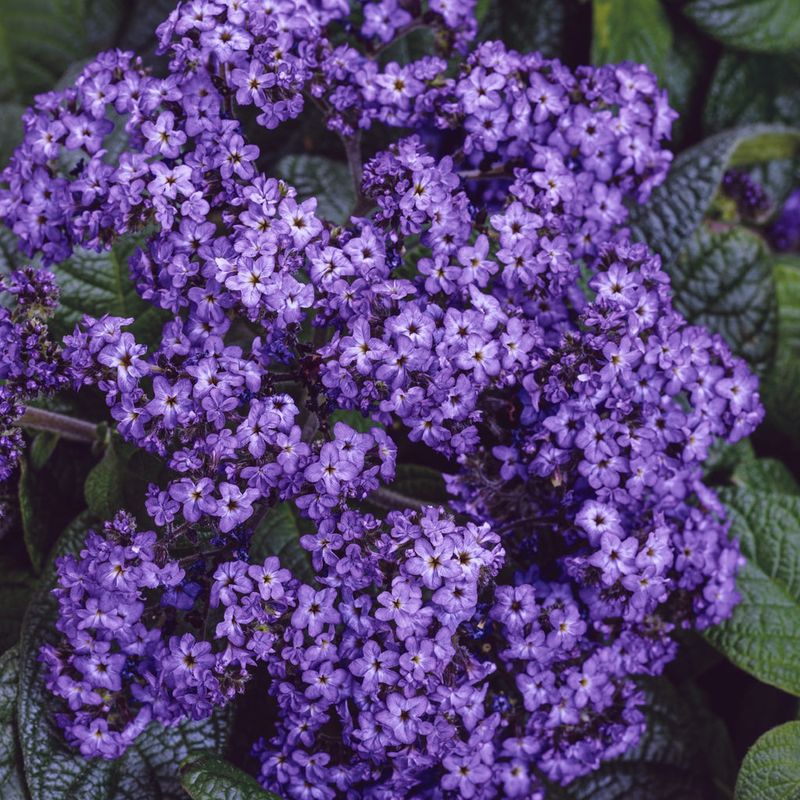
Garden heliotrope, known botanically as Heliotropium arborescens, goes by several names in nurseries and seed catalogs: cherry pie plant, cherry pie flower, and Peruvian heliotrope. All three point to the same species, a tender perennial in the borage family native to Peru, Colombia, and Bolivia. NC State Extension identifies it as strongly fragrant with a vanilla-like scent, and the RHS describes its purple-blue flowers as heavily scented.
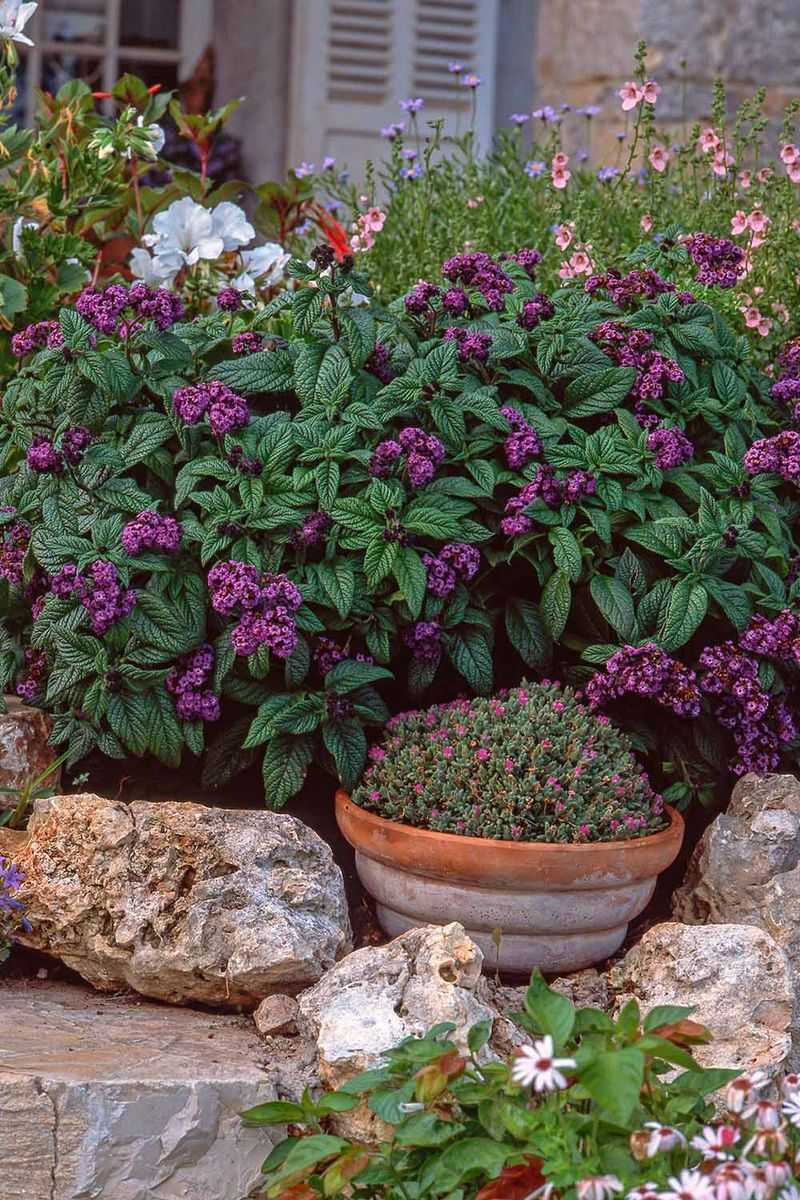
At maturity, most garden plants reach roughly one to two feet tall and wide. The foliage is dark green with prominent veining, and the flowers arrive in rounded clusters of small purple, blue, lavender, or white blooms. That combination of deep color and sweet scent is what has made heliotrope a cottage-garden staple for generations.
One important distinction worth making early: not every plant sold under the Heliotropium genus name shares this fragrance. Missouri Botanical Garden notes that Heliotropium angiospermum, for example, is not fragrant. When shopping for the cherry-pie scent, confirm you are buying H. arborescens specifically. The NC State cherry pie flower profile is a reliable reference for confirming the right species before you buy.
Why the cherry-pie fragrance varies from plant to plant
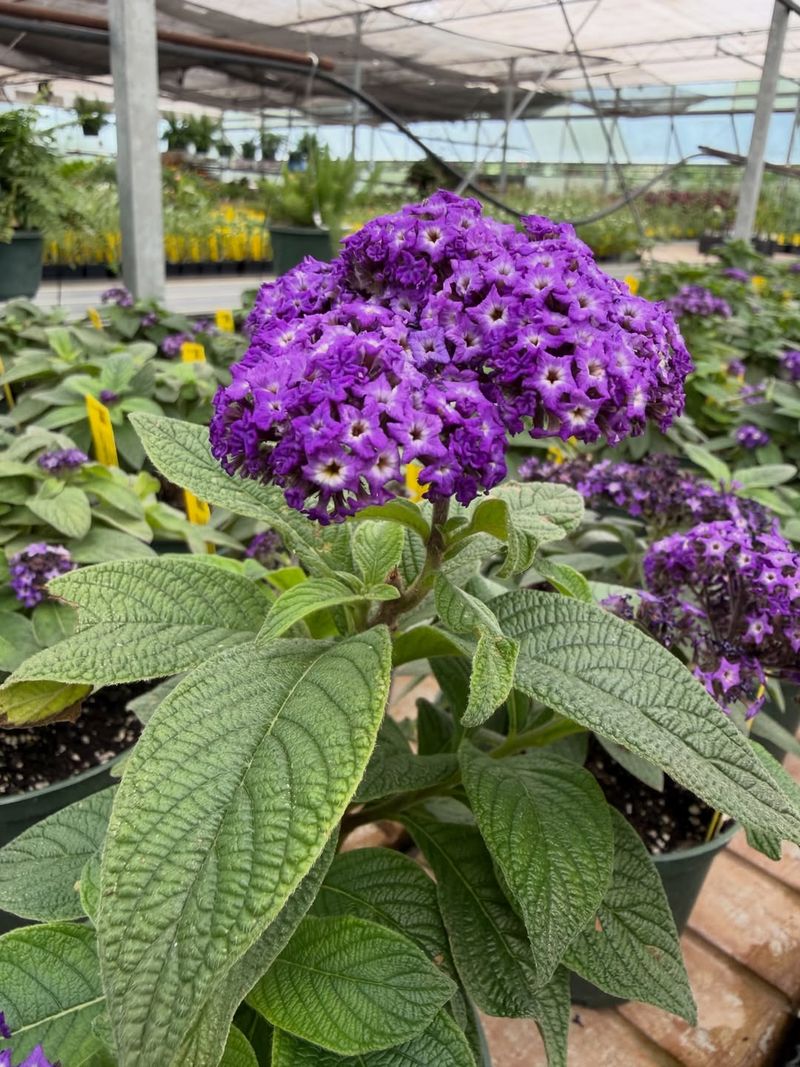
Buying a heliotrope with purple flowers does not guarantee a strong scent. Fragrance in Heliotropium arborescens varies significantly across cultivars, and some selections bred for compact size, heat tolerance, or vivid color carry little or no detectable aroma. Purdue University’s ornamental annuals guide explicitly states that fragrance is absent or weak in some selections, which is a meaningful warning for anyone choosing a plant based on scent alone.
The University of Tennessee trialed newer heliotrope material specifically for hot-summer performance, and their results for ‘Augusta Lavender’ showed good performance in the heat but little or no fragrance. That is a useful reminder that a healthy, well-adapted plant is not the same thing as a fragrant one.
Growing conditions may also play a role, though weather and individual scent perception are better treated as possible contributors than proven universal causes. Some gardeners notice the scent most strongly on warm, still mornings; others find it faint at the same time of day. The practical takeaway is to ask about fragrance before purchasing, look for cultivars specifically noted for scent, and treat any description of cherry-pie aroma as a range rather than a fixed outcome.
Put heliotrope where people can actually smell it
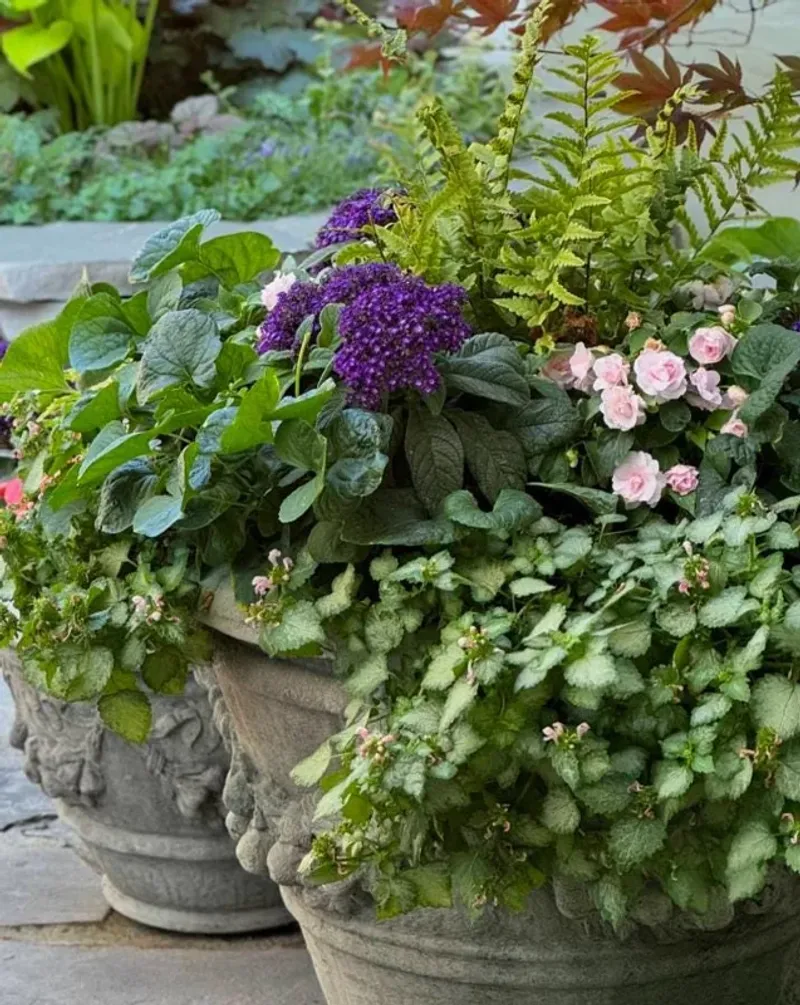
Placement is arguably the most practical decision a heliotrope grower makes. The plant’s fragrance is real, but it is localized. One plant near the back fence of a large yard will mostly go unnoticed; the same plant positioned beside a garden bench, along a well-traveled path, or flanking a front door becomes something guests actually comment on.
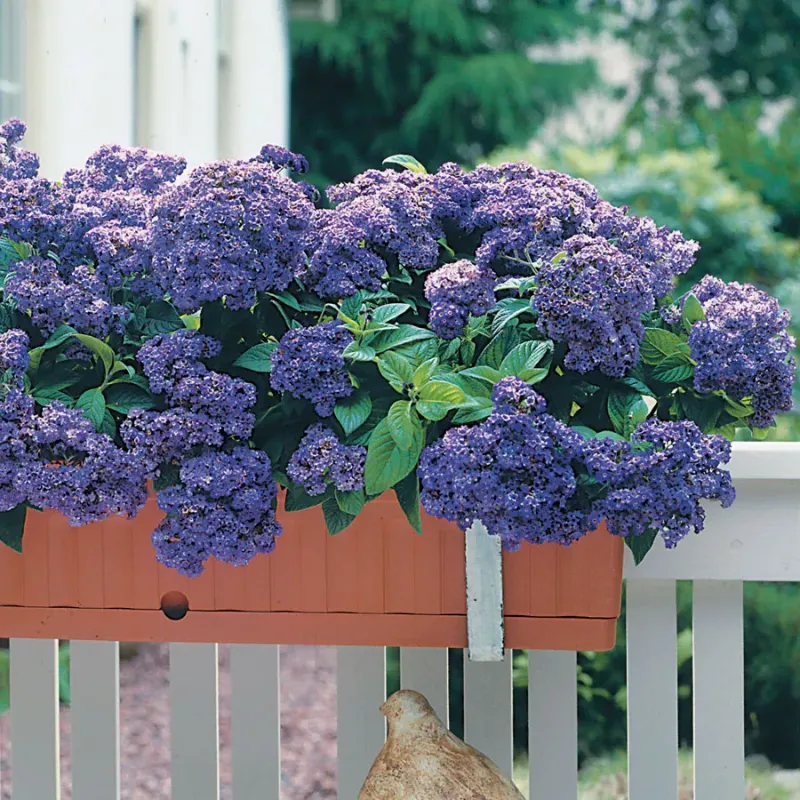
NC State lists heliotrope as suitable for borders, cottage gardens, and pollinator gardens, and Proven Winners recommends it for patio pots and window boxes as well. Those container settings are particularly useful because they let you position the plant exactly where foot traffic or outdoor seating concentrates, rather than being locked into a fixed bed location.
A window box just outside a kitchen or living room window, a pot on either side of a doorway, or a cluster of containers along a narrow path are all arrangements that put the scent within easy reach. The goal is proximity, not volume. Heliotrope will not fill an entire garden with fragrance the way a large rose hedge might, but planted within arm’s reach of where people sit or walk, it reliably earns its cherry-pie reputation.
Give heliotrope light, moisture, and room to branch
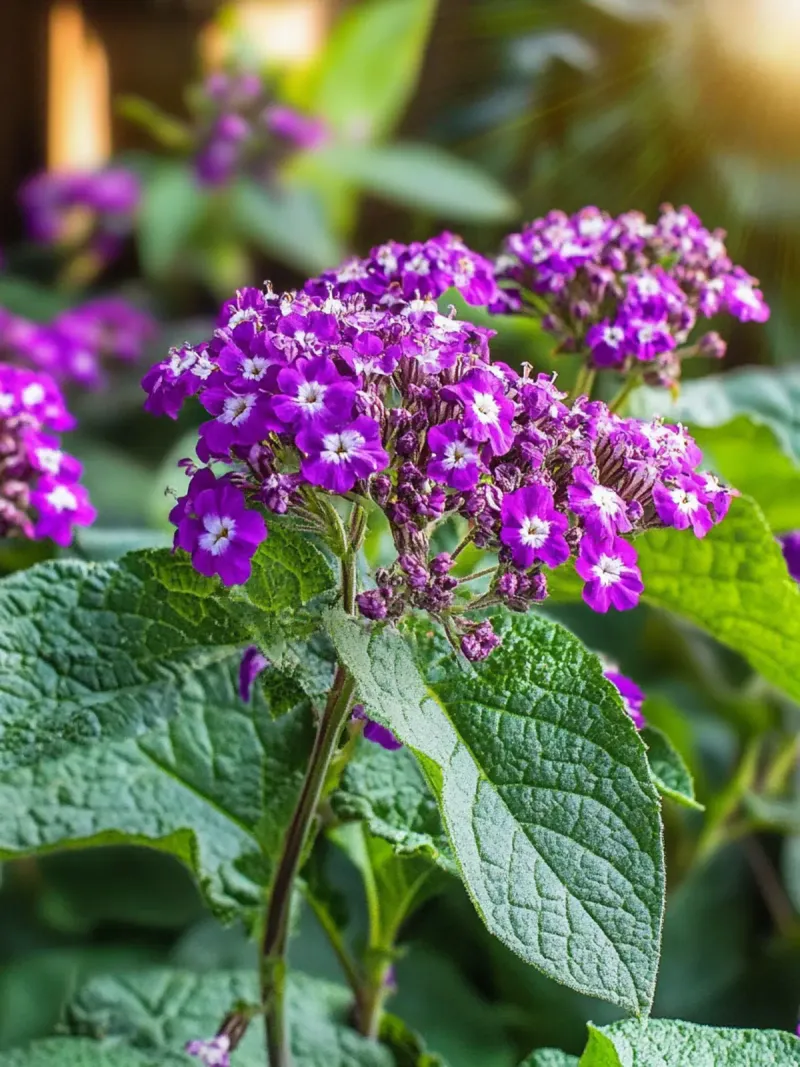
Full sun is the starting point for strong growth and reliable blooming. NC State defines full sun for this plant as six or more hours of direct sunlight per day. Partial shade is tolerated, but fewer hours of light generally means fewer flowers and a less vigorous plant. In regions where summer afternoons push past the mid-90s consistently, some afternoon shade can protect the plant from heat stress without sacrificing morning sun.
Soil quality matters as much as light. Heliotrope performs best in fertile, humus-rich, well-drained soil that stays consistently moist. The key word is consistently: the plant wants steady moisture, not alternating drought and flooding. Proven Winners’ care guidance for ‘Aromagica Purple’ reinforces this, recommending moist but not wet conditions and cautioning against overwatering.
Pinching is a simple step that pays off in a noticeably fuller plant. Removing the growing tip of each stem when the plant is young encourages it to branch rather than stretch upward into a leggy single stalk. More branches mean more flower clusters, and more flower clusters mean more of that sweet scent within reach. No specific care step guarantees a strong fragrance, but a well-shaped, actively blooming plant gives the scent the best possible opportunity to register.
Manage heat stress without chasing fragrance through drought
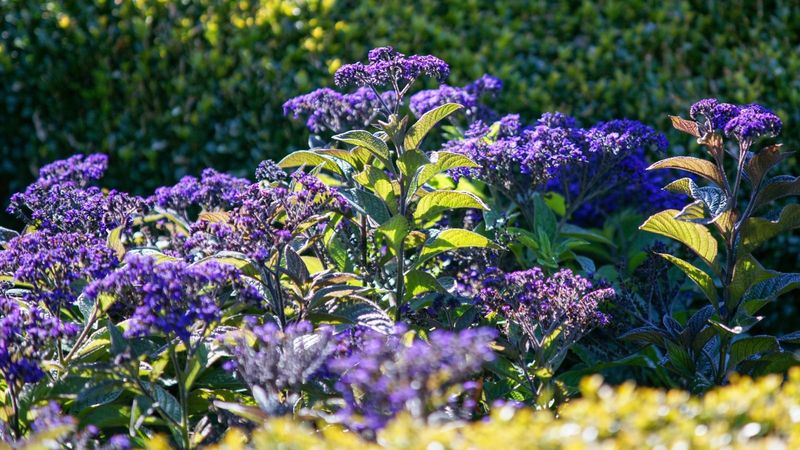
Traditional heliotrope has a known weakness: prolonged heat and humidity can cause it to fade, stop blooming, or look generally unhappy by midsummer. Purdue’s ornamental annuals guide describes heliotrope as preferring cooler climates and notes that plants may fade at the end of hot, humid weather. If your heliotrope looks tired in August, heat stress combined with moisture fluctuation is the most likely cause, not a fundamental problem with the plant.
Purdue also notes that slightly drier soil conditions may be associated with improved fragrance. That observation is worth knowing, but it should not be read as a reason to withhold water deliberately. The same source warns that heliotrope should not be allowed to wilt because drought-stressed plants can recover slowly. A plant that has collapsed from thirst is not going to smell like anything pleasant, and pushing it to that point can set it back for weeks.
For gardeners in hot-summer regions, the better strategy is steady moisture, afternoon shade where temperatures regularly climb high, and choosing cultivars tested for heat performance. University of Tennessee trials specifically evaluated heliotrope in hot-summer conditions; results from named cultivars in those trials are a more reliable guide than generalizations about the species as a whole.
Use containers to handle frost and seasonal transitions
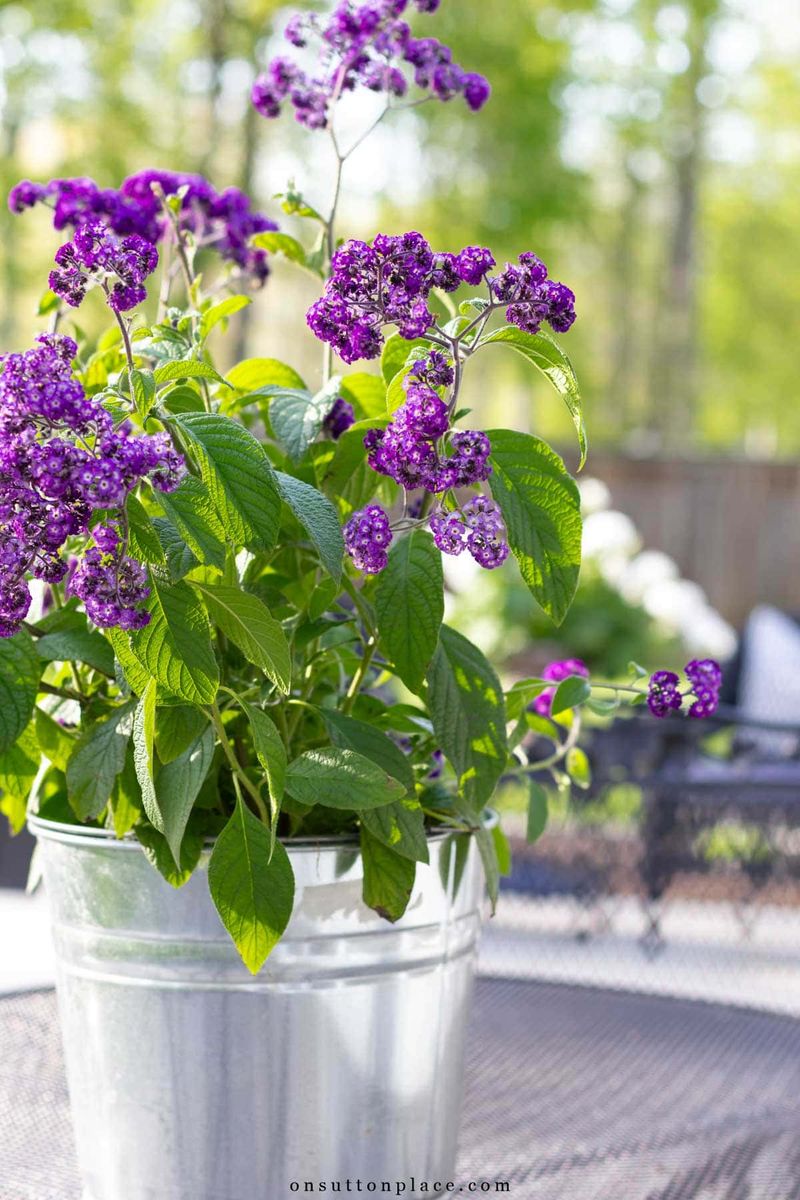
For most gardeners in the continental United States, heliotrope is a warm-season annual. NC State lists its outdoor hardiness range as USDA Zones 10a through 11b, which covers only southern Florida, Hawaii, and a few other warm pockets. Everywhere else, the plant will not survive a frost left outdoors, and gardeners should plan accordingly from the moment they put it in the ground.
Containers solve this problem cleanly. A pot can be moved to a protected porch or indoors before the first frost date, extending the plant’s life into fall and potentially through winter in a bright indoor space. The mobility also lets you shift the plant to catch better light or avoid a particularly brutal stretch of heat mid-season.
Hardiness can vary by cultivar, and those differences matter when reading nursery tags. Proven Winners lists ‘Aromagica Purple’ for Zones 9a through 11b, which is a slightly broader range than the species profile from NC State. That difference is specific to that cultivar and should not be assumed to apply to every heliotrope you find at a garden center. When choosing a plant for overwintering or for a garden in Zone 9, confirm the cultivar’s own hardiness rating rather than relying on the species average.
Expect some browsing and watch for common pests
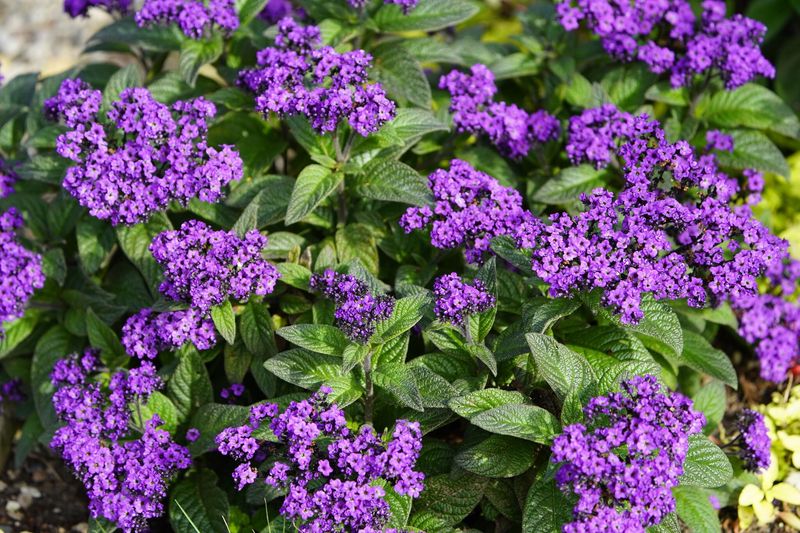
Deer tend to avoid heliotrope, and that relative resistance is genuinely useful in suburban gardens where browsing pressure is constant. University of Minnesota Extension includes heliotrope among plants deer tend to avoid, citing fragrance and other plant traits as possible contributors. The word “tend” is doing real work in that sentence: deer resistance is always relative, not absolute. A hungry deer in late fall or winter, when other forage is scarce, may sample plants it normally ignores.
Heliotrope may see reduced browsing compared to more palatable plants nearby, but it is not deer-proof under all conditions.
On the insect side, heliotrope is not pest-free either. NC State identifies whiteflies, spider mites, aphids, and mealybugs as potential problems, particularly on plants that are stressed, grown indoors, or kept in containers for extended periods. These pests are easier to manage when caught early, so a quick look at the undersides of leaves during regular watering is a worthwhile habit.
Stressed plants attract pests faster than healthy ones, so the best pest-prevention strategy is maintaining good light, consistent moisture, and adequate airflow around the plant. If you do spot an infestation, address it promptly with the least disruptive method appropriate for the pest and the scale of the problem.
Enjoy the fragrance without treating heliotrope as food
The cherry-pie scent can make heliotrope feel like it belongs in the kitchen, but the plant is poisonous and should never be treated as edible. Do not taste the flowers, use them as garnishes, brew them as tea, or attempt to make homemade extracts or infusions from any part of the plant. NC State identifies H. arborescens as poisonous and connects it to pyrrolizidine alkaloids, which are associated with digestive upset and liver damage in people. The risk to horses is particularly severe: NC State notes that the plant can cause liver failure in horses that eat it.
Pets that chew on plants face real danger as well. Keep heliotrope out of reach of dogs, cats, and any other animals that explore the garden with their mouths. The ASPCA lists heliotrope as toxic and provides a poison-control contact for suspected pet ingestion. If you think a pet has eaten any part of the plant, contact a veterinarian or the ASPCA Animal Poison Control Center without waiting for symptoms to appear.
The fragrance is best appreciated exactly as it is: a sweet, vanilla-almond scent drifting from a living plant in your garden. No preparation, spray, or extract is needed, and none should be attempted from this particular species.
Plant heliotrope nearby and keep the promise realistic
Garden heliotrope can genuinely deliver a sweet, memorable scent near a patio, path, doorway, or container. Positioned close to where people actually spend time, a fragrant cultivar of Heliotropium arborescens earns its cherry-pie nickname on warm mornings when the air is still. What it will not do is reliably perfume an entire garden from a single planting, and some cultivars will surprise you with little scent at all regardless of placement.
For most temperate-zone gardeners, this plant is an annual that needs to come indoors or be replaced each season. Grow it well, place it thoughtfully, keep it away from children and pets who might be tempted by the scent, and enjoy it for exactly what it is: a small plant with an outsized personality and a fragrance that, at its best, makes a garden corner feel like something out of a summer memory.