
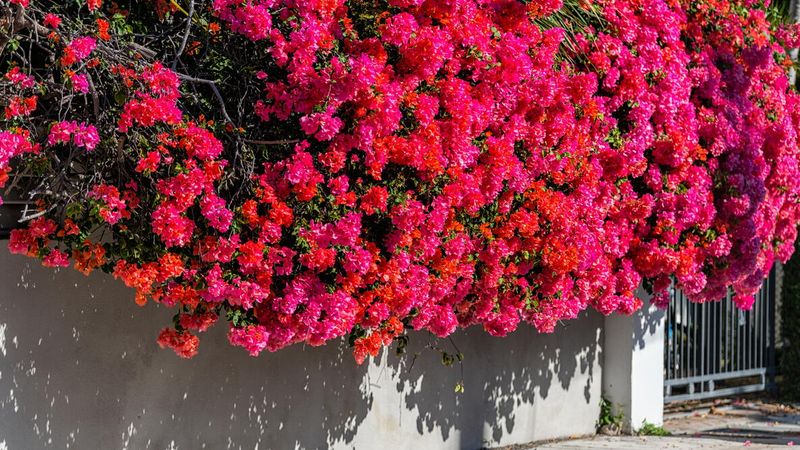
Texas summers get hot enough to make most plants wilt, but bougainvillea loves the heat and rewards you with bright papery blooms in pink, purple, orange, and red. If you want those colors to keep bursting all the way through September, your plant needs a little help right now. The good news is that bougainvillea is tough and forgiving, so small changes make a big difference. Here are eight simple things your Texas bougainvillea is asking for to stay dazzling through the end of summer.
1. Bright, All-Day Sunshine

Bougainvillea is a sun-worshipper at heart, and skimping on light is the fastest way to lose those famous blooms. Plants tucked in shady corners tend to grow leafy and green while producing almost no color at all.
Aim for at least six hours of direct sun each day, though eight or more is even better in Texas. The papery bracts that everyone calls flowers only pop when the plant soaks up plenty of rays. If yours sits on a patio or in a pot, move it to the sunniest spot you have.
South-facing and west-facing walls work wonderfully because they catch the strongest light and hold warmth into the evening. A vine climbing a hot fence or trellis in full sun will practically glow by August.
Watch for signs that your plant wants more light. Fewer blooms, stretched-out stems reaching toward a window, and pale leaves all whisper the same message. Give it a brighter home and watch it perk up within a couple of weeks.
Here is a fun tidbit: those colorful parts are not petals but modified leaves called bracts, and they change intensity based on sunlight and stress. More sun usually means richer, deeper color.
So before you fuss over anything else, make sure your bougainvillea is basking. Nail the sunshine and you have already won half the battle for a September full of nonstop color.
2. Just Enough Water, Not Too Much

Watering bougainvillea feels backward compared to most flowers. Give it too much love with the hose and it responds with lush green leaves and stubbornly few blooms.
These plants actually bloom their best when they feel a little thirsty. A touch of dry stress signals the plant to make bracts, which is exactly the color show you want. Overwatering does the opposite by pushing leafy growth instead.
The trick is to let the top couple of inches of soil dry out before watering again. Stick your finger into the dirt, and if it feels damp, wait another day. When you do water, soak deeply so the roots drink well, then back off.
Container plants dry out faster than ones in the ground, especially during a blistering Texas heat wave. You might water potted bougainvillea every two or three days in July, then stretch it out as September cools down.
Keep an eye on the leaves for clues. Slightly droopy foliage in the afternoon that bounces back overnight is normal, but constant wilting means you waited too long.
Yellow leaves dropping off, on the other hand, often point to soggy roots.
Finding that sweet spot takes a little practice, but your plant will teach you its rhythm. Master the balance between wet and dry, and your bougainvillea will thank you with wave after wave of color right through the end of summer.
3. A Bloom-Boosting Fertilizer

Feed your bougainvillea the right food and it turns into a color factory. Skip feeding entirely and even a healthy plant may coast along with only a handful of blooms.
The magic ingredient is phosphorus, the middle number on a fertilizer label. Look for a bloom-boosting blend, sometimes sold as hibiscus or bougainvillea food, with numbers like 5-10-5 or something similar. Phosphorus fuels flowers, while too much nitrogen just grows greenery.
During the hottest months, a light feeding every two to four weeks keeps the color coming. Always follow the directions on the package, because more is not better and can actually burn the roots.
Water your plant first, then apply fertilizer to damp soil so it absorbs gently. Dry roots plus strong fertilizer is a recipe for stress.
Slow-release granules are a lazy-gardener favorite because you scatter them once and they feed for weeks. Liquid feeds work faster if you want a quick push before a big bloom cycle.
Come mid-September, start easing off the feeding so the plant can settle down as the weather shifts. You want to encourage one last showy round, not tender new growth heading into fall.
Think of fertilizer as the fuel behind the fireworks. Get the phosphorus right and feed on a steady schedule, and your bougainvillea will keep throwing out those neon bracts long after other summer plants have quietly given up.
4. Smart Trimming To Spark New Blooms

Grab your pruners, because a little trimming now can double the fun later. Bougainvillea blooms on new growth, so cutting back spent stems tells the plant to push out fresh, flower-loaded branches.
After a flush of color fades, snip off the tired tips just above a leaf node. Within a few weeks, those cuts sprout new shoots that carry the next round of bracts.
Light, frequent trims work better than one big chop in the heat of summer. Removing about a third of a long, leggy branch keeps the plant bushy instead of scraggly and vine-like.
Wear thick gloves while you work. Most bougainvillea have sharp thorns hiding among the leaves, and they do not play nice with bare hands.
Shaping also helps air move through the plant, which cuts down on pests and disease during muggy Texas nights. A tidy, open shape simply looks healthier and blooms more evenly.
Do your last real shaping by early September, then let the plant coast. Trimming too late can remove the very buds that would have colored up before the season winds down.
Collect your clippings and toss them, since they will not root easily and can be messy. A quick cleanup keeps your garden neat.
With a few thoughtful snips here and there, you steer your plant toward bushier growth and more blooms, keeping the color rolling right up to the end of September.
5. Well-Draining Soil It Can Breathe In

Roots that sit in soggy mud spell trouble for a plant that hates wet feet. Bougainvillea craves soil that drains quickly and lets air reach its roots.
Heavy clay, which shows up in a lot of Texas yards, holds water like a sponge and can rot roots over time. Mixing in sand, small gravel, or a gritty cactus blend helps water flow through instead of pooling.
For potted plants, always use a container with drainage holes at the bottom. A pretty pot with no holes traps water and slowly drowns the roots no matter how careful you are.
You can test drainage easily. Pour water on the soil and watch how fast it disappears; if it puddles for more than a minute or two, the mix is too dense.
Raised beds and mounded planting spots also give roots a leg up in clay-heavy areas. Elevating the plant just a few inches keeps the crown drier and happier.
Adding a little compost improves the soil without turning it into mush, feeding the plant gently while keeping the texture loose.
Good drainage pairs perfectly with the careful watering habit bougainvillea loves, since neither works well without the other. Together they keep roots healthy and blooms coming.
Get the ground beneath your plant right, and everything else becomes easier. Loose, airy, fast-draining soil sets the stage for strong roots and a steady stream of color through September.
6. Protection From Sudden Cool Snaps

Even in a Texas September, a random cool night or an early front can catch a bougainvillea off guard. These tropical plants love warmth and start to sulk when temperatures dip.
Blooming slows down noticeably once nights slide into the fifties, and any hint of frost can damage tender leaves and bracts. Keeping the plant cozy stretches your color show as long as possible.
Container plants have a huge advantage here since you can wheel them to a warmer spot when a chill rolls in. A porch, a garage, or a sunny wall that holds heat all work in a pinch.
For in-ground plants, a light frost cloth or an old bedsheet draped over the branches traps enough warmth to get them through a cold night. Just remove the cover once the sun warms things back up.
Planting near a brick or stone wall gives a built-in heat boost, because those surfaces soak up daytime sun and release it slowly after dark.
Watch the local forecast as the month goes on and keep an eye out for the first cool nights. A little planning beats a sad, frost-nipped plant.
Mulching around the base also helps hold soil warmth and steady moisture during changeable weather.
Guard your plant against those early autumn surprises, and you buy yourself extra weeks of blooms. A warm, sheltered bougainvillea will happily keep glowing while the season quietly turns.
7. A Watchful Eye For Pests

Tiny troublemakers love to sneak onto stressed plants, and late summer is prime time for them. Aphids, spider mites, and caterpillars can nibble away at leaves and slow down your blooms.
Spider mites especially thrive in hot, dusty Texas conditions, leaving fine webbing and speckled, faded leaves behind. Catching them early keeps a small problem from becoming a big one.
Take a minute every few days to flip over some leaves and check the undersides. Bugs like to hide where you are least likely to look, so a quick inspection goes a long way.
A strong spray of water often knocks pests right off the plant without any chemicals at all. For tougher outbreaks, insecticidal soap or neem oil handles most invaders gently.
Bougainvillea loopers are sneaky green caterpillars that chew ragged holes in the leaves overnight. They blend in perfectly, so look closely along the stems if you spot missing chunks of foliage.
Healthy, well-fed plants shrug off pests far better than weak ones, which ties right back into good watering and feeding habits. Strong plants are your best defense.
Avoid spraying in the blazing midday sun, since oils and soaps can burn leaves when it is scorching. Early morning or evening treatment is much safer.
Stay alert and act fast at the first sign of nibbling. A pest-free plant puts all its energy into color, keeping the blooms rolling through September.
8. The Right-Sized Pot Or Space

Believe it or not, cramped roots make bougainvillea bloom harder. When the roots feel a little snug, the plant shifts its energy from growing bigger to showing off color.
Giving a bougainvillea a giant pot with tons of room often backfires. Instead of blooming, it spends its effort filling the space with roots and leafy growth you did not ask for.
A container that fits fairly close to the root ball is usually ideal. Choose a size that leaves just an inch or two of space around the roots rather than a huge, roomy planter.
Terracotta pots are a great pick because they breathe and let excess moisture escape, which suits this dry-loving plant perfectly. Plastic pots hold water longer and can lead to soggy roots.
If your bougainvillea has been in the same pot for years and seems tired, a light root trim and fresh soil can wake it up. Do this gently and not during a brutal heat wave.
For in-ground plants, avoid overly rich, wide-open beds that encourage sprawling greenery. A slightly tougher, more confined spot often produces better color.
Support matters too, so give climbing varieties a trellis or wall to grab onto as they stretch upward.
Match the container or planting space to your plant’s snug-loving nature, and you nudge it toward blooming instead of bulking up. That gentle squeeze is your secret weapon for color that lasts through September.