
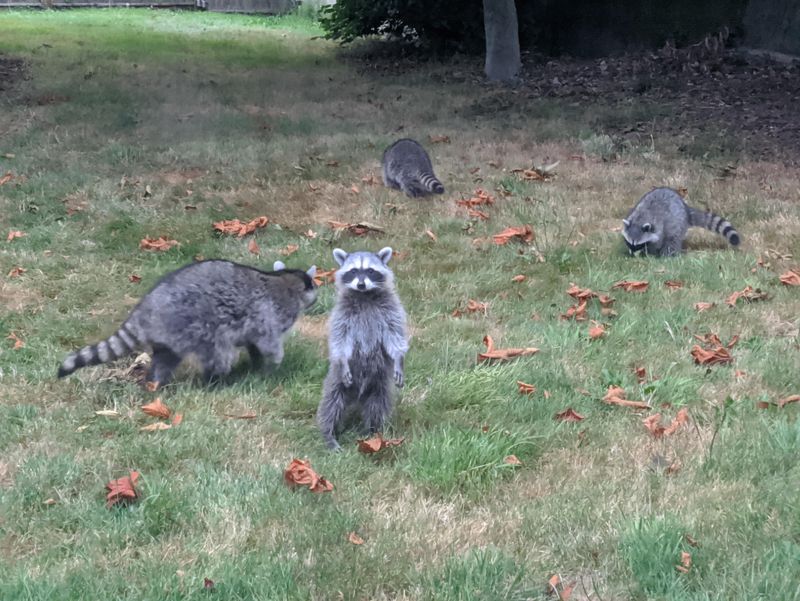
Spotting a raccoon nosing around your yard at dusk can set off an immediate urge to shoo it away. Before you do, it helps to know what the animal is actually up to and whether it is causing any real trouble. Raccoons are not automatically a problem, but they are not automatic helpers either. What matters most is what the animal is doing and where in your yard it is doing it.
A raccoon’s menu reveals a limited upside
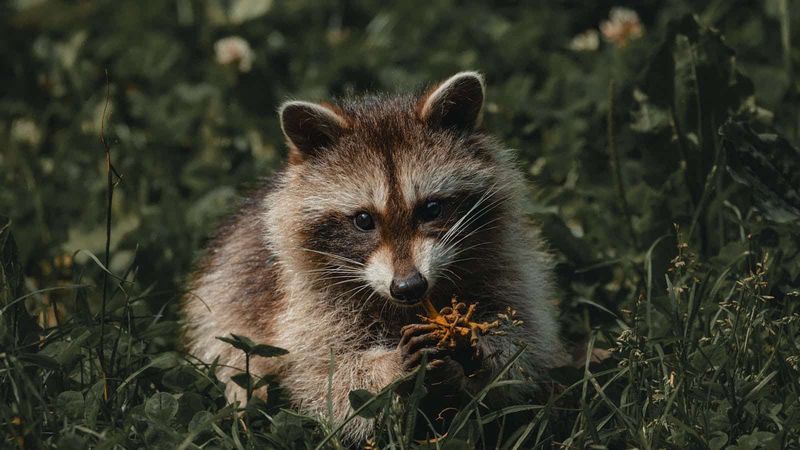
Raccoons eat a remarkably wide range of foods, and that variety is the starting point for understanding both their appeal and their limits. Documented menu items include insects, grasshoppers, beetle larvae, earthworms, mice, frogs, crayfish, fish, bird eggs, fruit, nuts, seeds, corn, garbage, pet food, and birdseed. NC State Extension’s raccoon profile notes that plant matter can make up roughly twice the volume of animal matter in the diet when food is plentiful, which means the animal is far from a dedicated pest hunter.
Season and local food availability drive what any individual raccoon actually eats on a given night. A raccoon patrolling a yard in early summer may lap up grubs and beetle larvae from the soil. That same raccoon in late summer may pivot almost entirely to ripe fruit, corn, and seeds. University of Maryland Extension confirms that insects and larvae rank among favorite foods, but the diet shifts with opportunity, not preference for what gardeners want removed.
The practical takeaway is straightforward: a raccoon may incidentally consume organisms a gardener considers pests, but it does so as part of a broad, opportunistic search for calories. Dietary overlap with garden pests does not mean the raccoon is working in your favor overall. That distinction shapes every honest answer about whether to welcome or worry about the visitor.
What the animal may contribute to the food web
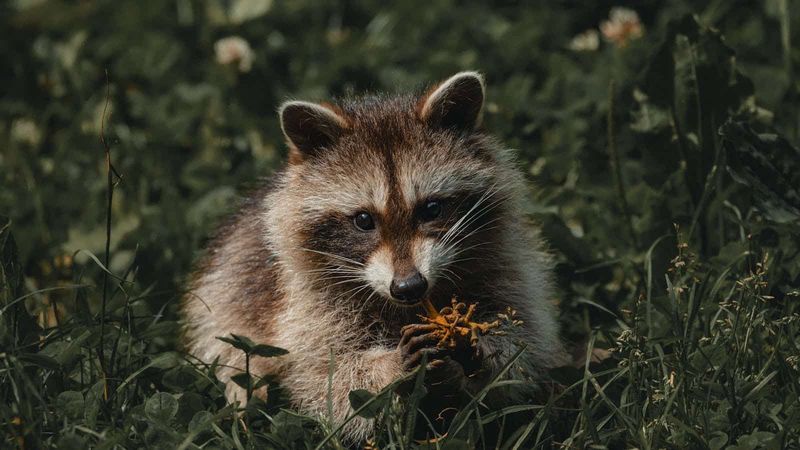
Raccoons occupy a real, if modest, place in the local food web. While foraging across a lawn, a raccoon can remove grubs, beetle larvae, and other soil invertebrates that would otherwise feed on grass roots or garden beds. University of Maryland Extension specifically identifies insects and larvae as favorite foods and acknowledges that raccoons may tear up lawns while searching for them. Eating some grubs is a genuine, if incidental, contribution, but it comes with that physical cost to the turf.
Fruit consumption can move seeds away from parent plants, which is one way raccoons participate in the broader ecosystem. Research on black-cherry seeds found that raccoon latrines can concentrate large numbers of seeds in one location. However, that published study on raccoon seed dispersal also found that seed survival depended heavily on food availability and the presence of seed predators, meaning concentrated deposits can attract animals that eat the seeds rather than allow them to sprout. The benefit is real under some conditions and absent under others.
Framing these contributions honestly matters. A raccoon may remove some invertebrates and carry some seeds, and those actions fit into a functioning local ecosystem. Neither action, though, rises to the level of a gardening service. Think of the raccoon as an incidental participant in the food web rather than a hired hand working on your behalf.
Why a raccoon is not free pest control
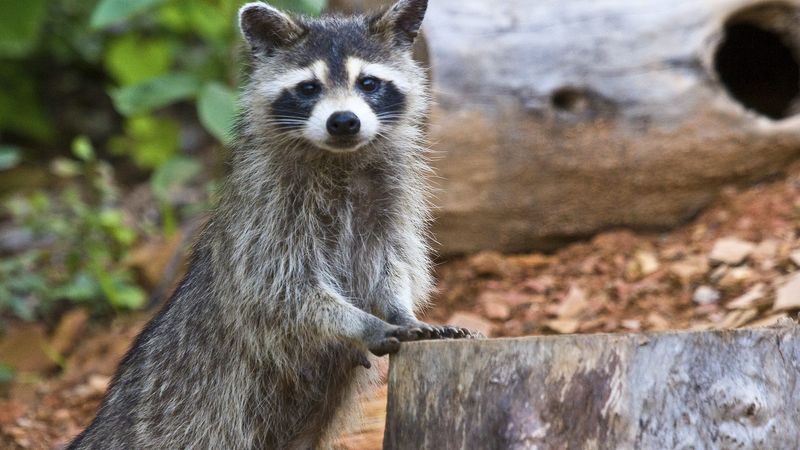
Eating some pest organisms and actually controlling their populations are two very different things, and raccoons reliably do only the first. The same animal that pulls beetle larvae from your lawn may spend the next hour stripping corn ears, raiding a melon patch, or cleaning out a bird feeder. Virginia Cooperative Extension’s wildlife damage guide lists corn, melons, and other garden crops among the foods raccoons commonly target, which means the animal that ate a few grubs may cost you far more in produce.
No reviewed extension or research source establishes that a raccoon reliably suppresses pest populations or improves crop yield in a typical home garden. The diet is too varied and too responsive to whatever is easiest to find. When fruit ripens or garbage becomes accessible, insects drop off the menu. A gardener cannot count on a raccoon to stay focused on the organisms causing trouble in the vegetable bed.
Attracting or encouraging raccoons for pest control is therefore a poor strategy. USDA APHIS guidance on not feeding wildlife makes clear that providing food draws more animals, raises disease risk, increases habituation, and intensifies property conflicts. Leaving scraps out, setting water dishes, or deliberately creating conditions that invite raccoons trades a modest, unpredictable insect reduction for a reliable increase in crop damage and other problems.
Location determines whether tolerance still makes sense
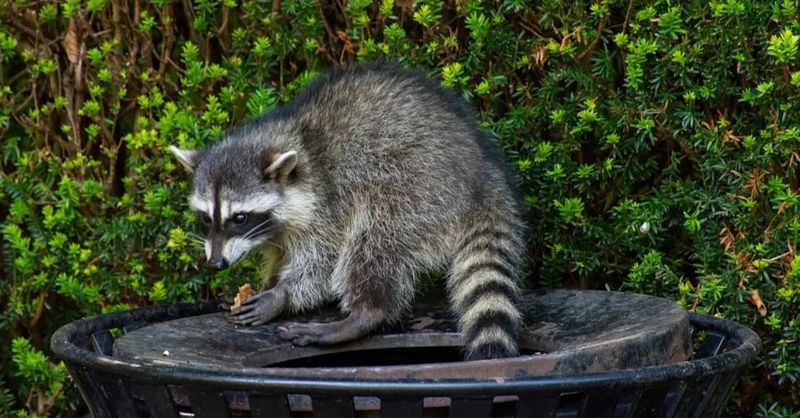
Where a raccoon spends its time in your yard shapes whether its presence is a minor footnote or a genuine problem. Near a lawn, the main risk is digging: raccoons roll back sod and tear up grass while hunting grubs, leaving ragged patches that need repair. Near a vegetable bed, the risk shifts to crop damage. Corn, melons, strawberries, and other fruits are prime targets, and a single night of foraging can wipe out a section of a garden that took weeks to grow.
A raccoon working around a backyard pond may eat crayfish, frogs, fish, or turtle eggs. University of Maryland Extension and Iowa State Extension’s damage management resource both note that raccoons prey on eggs, amphibians, and other aquatic animals. Whether that predation is a problem depends on your setting. A raccoon eating invasive crayfish from a large natural pond is a different situation from one emptying a small ornamental pond of koi and native frogs.
Compost bins, trash cans, sheds, and decks create additional conflict zones. Overturned bins scatter waste and attract other animals. An occupied shed or crawl space becomes a denning site that is much harder to address than a passing visitor. Virginia Cooperative Extension points out that human food subsidies, including unsecured garbage and pet food left outside, concentrate raccoons and intensify all of these conflicts.
The raccoon’s behavior and your yard’s layout together determine the actual tradeoff.
Use a simple rule for leaving it alone
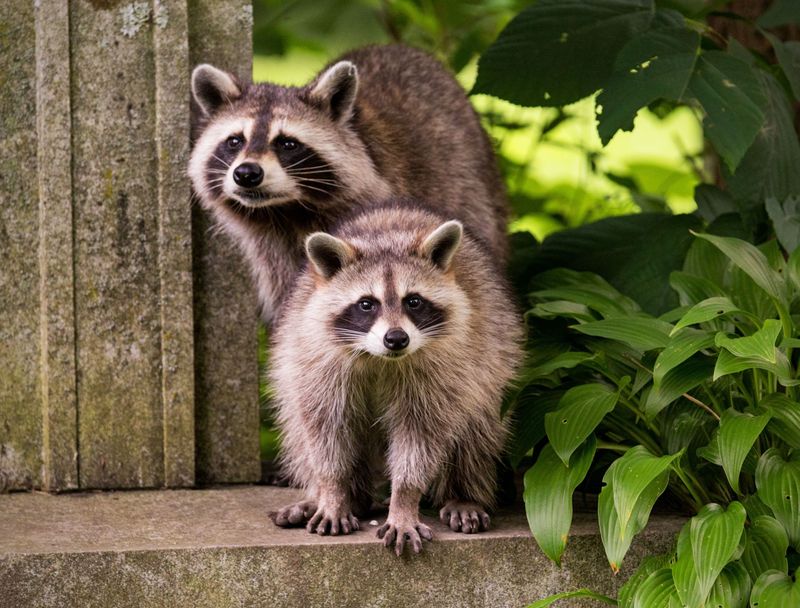
A practical decision rule saves a lot of second-guessing. A raccoon that is passing through, staying outside, not damaging crops, not threatening pets, and not using a sandbox or deck as a bathroom can generally be left alone. Observe from a comfortable distance, note whether the animal moves on, and check the yard the next day for signs of damage. If nothing is disturbed, the visit was likely harmless.
Contrast that with situations that call for action. A raccoon inside a building, denning under a deck, repeatedly destroying crops, attacking or cornering pets, or creating a latrine near a play area is no longer a passing visitor. For those conflicts, the response starts with exclusion and attractant removal, not confrontation. For abnormal behavior, attacks, or an immediate threat to people or pets, keep everyone away and contact local animal control or public-health authorities rather than trying to handle the situation yourself.
Relocation is not the straightforward fix it might seem. CDC guidance on raccoons near pools and multiple extension resources note that wildlife-control laws vary by state and locality, and moving a raccoon can spread disease, separate a mother from dependent young, or simply transfer the conflict to someone else’s yard. Iowa State Extension recommends working with local professionals for persistent problems rather than attempting casual relocation. Tolerance is appropriate for a genuinely nonproblematic visitor, not a default response to every sighting.
Prevent routine conflicts without attracting or confronting wildlife
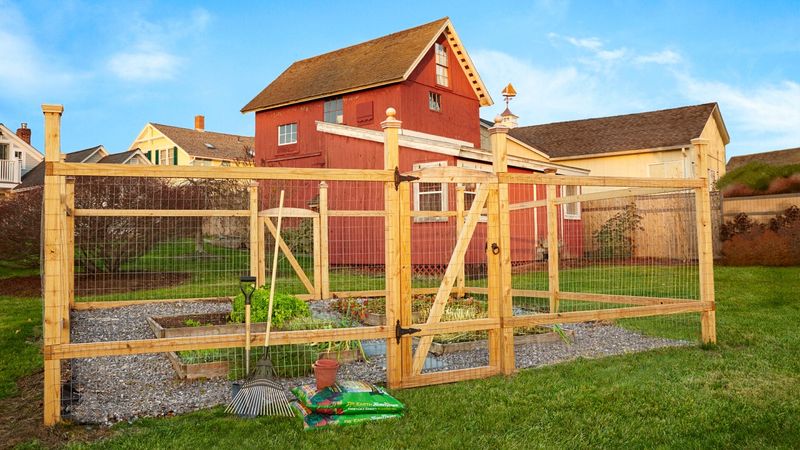
Most routine raccoon conflicts can be reduced significantly by cutting off the food and shelter that attract animals in the first place. Secure garbage cans with tight-fitting lids or bungee cords, bring pet food indoors at night, and manage compost bins so they are not broadcasting the smell of food scraps. Clean up fallen fruit from trees regularly, since rotting fruit on the ground is one of the more reliable raccoon draws in a home yard.
Bird feeders deserve special attention. A feeder that works well for songbirds can also serve as a nightly buffet for raccoons. USDA APHIS wildlife feeding guidance recommends removing or securing feeders when raccoon activity becomes a problem, because the food concentration draws more animals and raises the risk of disease transmission and habituation.
For protecting specific garden areas, exclusion works better than hoping repellents will hold. University of Maryland Extension recommends fencing and, where legal and safely installed, electric fencing as reliable deterrents. Iowa State’s yard and garden guidance covers practical fencing approaches for lawns and garden beds. For corn specifically, Virginia Cooperative Extension reports that taping individual ears to stalks reduced raccoon and bird damage by 70 percent in cited research.
That result applies to corn in that context, not to all garden crops or all yards. Seal gaps in sheds, crawl spaces, and building foundations before a raccoon decides those spaces are suitable for denning.
Treat abnormal behavior and raccoon feces as safety issues
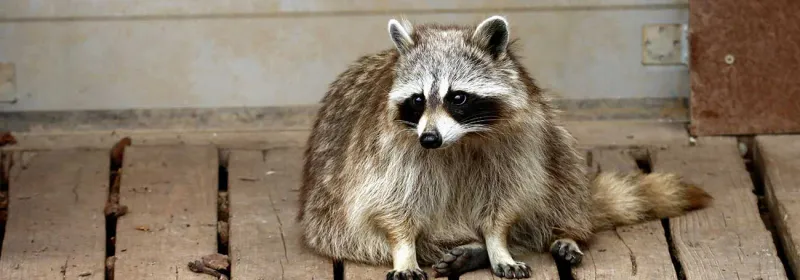
Seeing a raccoon during the day is not, by itself, a reason to panic. Raccoons can be active at dawn and dusk, and occasional daytime movement does not indicate rabies. The warning signs that matter are behavioral: an animal that is stumbling, appears paralyzed, acts unusually aggressive, loses its normal wariness around people, or otherwise behaves in a way that seems clearly wrong. CDC rabies prevention guidance and CDC information for veterinary professionals both emphasize that abnormal behavior, not time of day, is the meaningful signal.
If you observe those signs, keep people and pets away and call local animal control or your public-health department.
Keep pets vaccinated against rabies and prevent them from approaching or chasing raccoons. CDC healthy-pets guidance on wildlife recommends never allowing pets to interact with wild animals, even ones that appear healthy.
Raccoon feces require their own level of caution. Raccoons are the primary host of Baylisascaris procyonis, a roundworm whose eggs become infective after roughly two to four weeks in the environment. CDC Baylisascaris prevention guidance notes that children face higher exposure risk because of hand-to-mouth behavior. Keep children and pets away from any suspected latrine site.
Wear disposable gloves, avoid sweeping or disturbing material in ways that stir up dust, and lightly mist the area if needed before removal. Common household disinfectants generally do not destroy roundworm eggs, so do not treat bleach or sprays as a reliable solution. CDC’s raccoon latrine cleanup resource recommends prompt removal and careful disposal, and for difficult, extensive, or indoor latrine situations, contact local animal control or a wildlife professional rather than attempting cleanup alone.
Tolerate the visitor, not the conflict
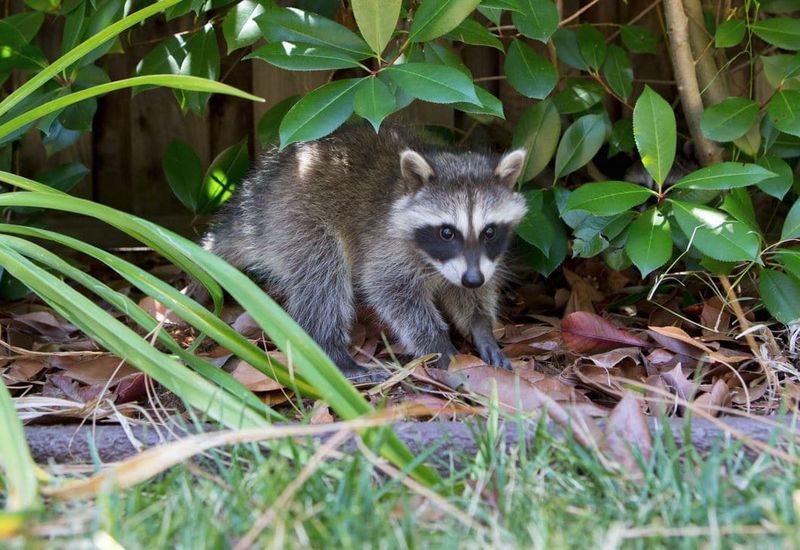
A raccoon moving through a yard can remove a few insects, carry some seeds, and fill a natural omnivore role in the local ecosystem. Those contributions are real but modest, conditional, and not something a gardener can plan around. The animal is not a pest-control service, and treating it as one leads to worse outcomes than simply understanding what it is: an opportunistic wildlife visitor whose impact depends entirely on what it finds and where it goes.
Observe from a distance, remove attractants, protect vulnerable crops and structures with appropriate exclusion, and reach out to local animal control or a qualified wildlife professional when damage, unsafe behavior, building entry, or contamination turns a passing visitor into a genuine problem. University of Maryland Extension, USDA APHIS, and CDC guidance on Baylisascaris all point in the same direction: coexistence works best when it is managed, not assumed. A raccoon you never have to think about is the best kind of raccoon neighbor.