
Rocky slopes are tough places to plant, and many Texas gardeners end up staring at patchy grass and bare spots. Winecup, a low native wildflower with cup-shaped purple blooms, may be a good fit if your slope has pockets of well-drained soil.
It will not work miracles on solid rock, but it can bring real color and native value to the right spot. Fall is a smart time to start planning, so here is how to tell whether your slope qualifies.
Winecup can add color to suitable rocky slopes
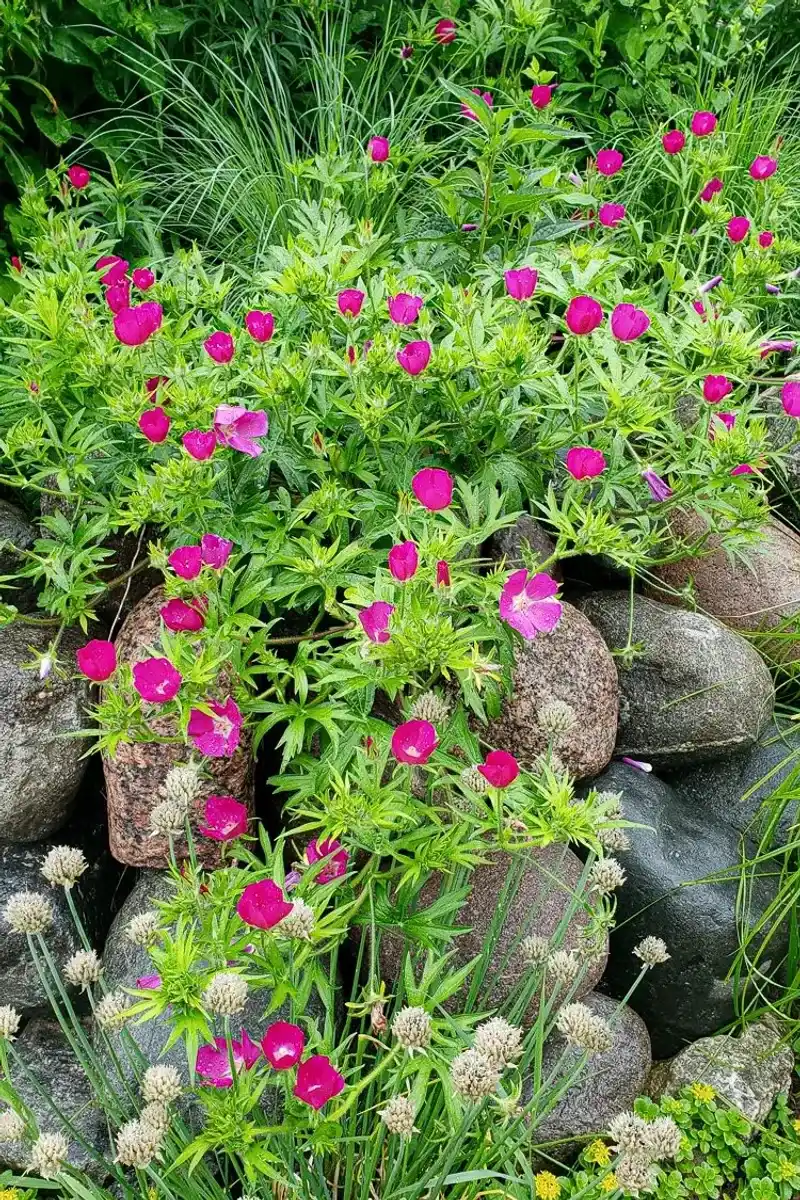
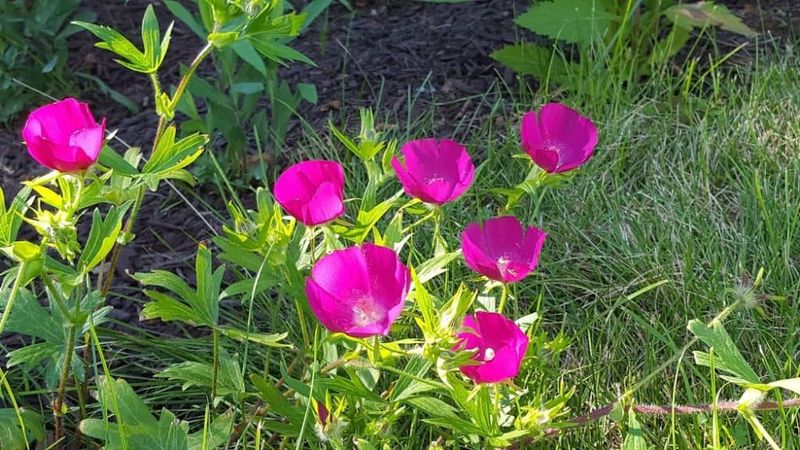
Winecup (Callirhoe involucrata), also called purple poppy mallow, is a Texas native perennial that stays low and sprawls outward. Its cup-shaped flowers can be purple, pink, or white, and they sit on trailing stems close to the ground.
The Native Plant Society of Texas lists it as a spreading plant, and Texas Parks and Wildlife includes it among plants for rocky hills and open woods.
Picture a slope with scattered soil pockets between limestone chunks. Winecup can drape over those pockets and add splashes of magenta in season.
That is the realistic payoff: patches of color and a soft, trailing look, not a solid purple blanket by next spring.
Plenty of slopes will not suit it, and one plant will not cover a hillside overnight. Before buying anything, you need to read your site honestly.
The next step is checking what is actually in the ground between those rocks.
Check for soil pockets and good drainage
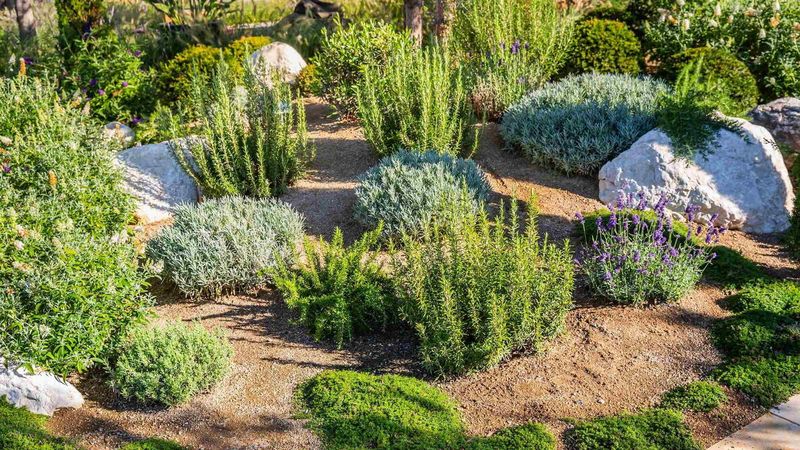
Walk your slope and look for places where soil has collected: crevices, gaps between stones, and small ledges with crumbly, gravelly dirt. Winecup roots in soil, not in solid rock, so a smooth bare surface with no soil is not a candidate.
If a trowel can sink in a few inches, you have something to work with.
The Native Plant Society of Texas lists calcareous, gravelly, dry, and well-drained soils for winecup and names rocky hills as native habitat. Texas Parks and Wildlife likewise lists it for open woods and rocky hills.
That matches many limestone slopes in the Hill Country and Edwards Plateau.
Drainage matters. After a hard rain, watch whether water drains through the pockets or sits in them.
Soggy spots are a poor match for a plant adapted to dry, gravelly ground.
Light is the other check. Winecup grows in sun or partial shade, so a slope with morning sun and some afternoon shade can work as well as a full-sun bank.
Even so, a site that meets these conditions is not guaranteed to succeed, so start small and see how the first plants respond.
Fall sowing is an option, not a statewide calendar
Fall is a reasonable time to sow winecup seed, but the exact dates depend on where you live. University of Wisconsin Extension says winecup seed can be sown outdoors in late summer or early fall and will germinate the following spring.
That advice comes from a cold-winter state, so do not copy those dates onto a Texas calendar.
For Texas, general wildflower guidance helps. Texas Parks and Wildlife recommends fall sowing for native wildflower seed in general.
One local example, Ellis County Master Gardeners, gives mid-September to mid-November for their area.
That Ellis County window is local advice, not a rule for El Paso, Corpus Christi, or the Hill Country. Timing shifts with region, rainfall, and first-frost dates.
Your best move is to check with your county Extension office or a local native plant group about when wildflower seed is sown near you. Then treat fall sowing as one option, not a promise of quick results.
Favor seed or small starts over moving mature plants
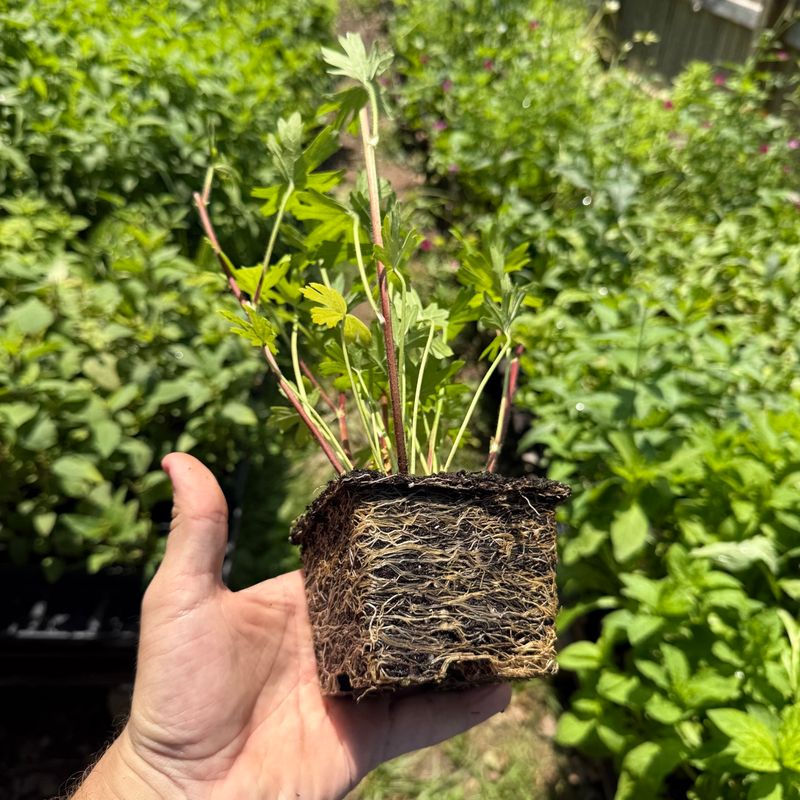
Digging up a grown winecup from another spot is a poor plan. The plant builds a substantial taproot, a thick main root that goes deep, and that makes established plants hard to transplant.
University of Wisconsin Extension notes this trait, and the Conservation Garden Park describes the same deep rooting habit.
On a slope, the more sensible routes are seed or small nursery starts. Seed is inexpensive and lets you scatter across several soil pockets.
Small starts give you a visible plant sooner, though young plants have less root to disturb.
Whichever you choose, buy from a source that labels the plant with its scientific name, Callirhoe involucrata. Exact sowing depth, spacing, and watering schedules vary with your site, so follow the seed packet or nursery tag rather than a single fixed formula.
Expect a spreading plant, not an instant carpet
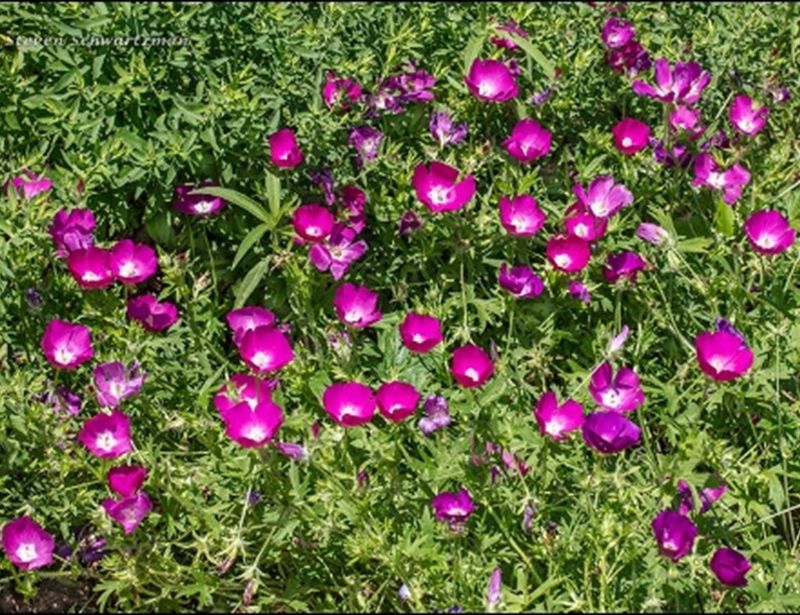
Size sets the expectations. The Native Plant Society of Texas lists winecup at roughly 9 to 12 inches tall and 2 to 3 feet wide.
A single plant makes a loose sprawling patch, not a sheet of color across a slope.
The flowers are the reward. They can be purple, pink, or white, and Texas Tech’s plant profile describes blooms that open in the morning and close in the evening.
If you visit late in the day, you may see closed buds and wonder what happened.
Wisconsin Extension notes that several plants may be needed to form a groundcover mat. On a rocky slope, plan on groups spaced across soil pockets, and accept gaps between them.
Winecup is also a low groundcover, not a tough lawn replacement. Skip it on paths where people will walk, and keep it where it can sprawl on its own.
Plan for seasonal dieback and variable bloom
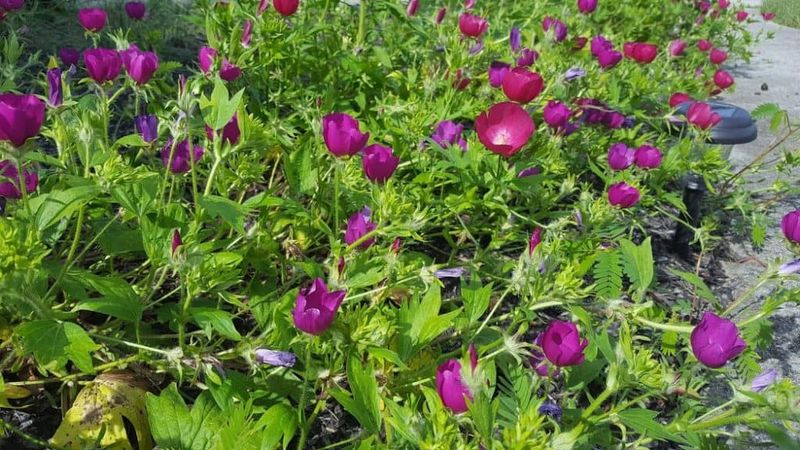
Winecup is often called drought-tolerant, yet it is not a no-care plant. The Native Plant Society of Texas lists its water need as medium and says it may go dormant in summer without supplemental water.
A Texas Master Gardener plant sheet calls it drought-tolerant but notes that stems and leaves may die back in heat.
Put those together and the picture is clear: it can handle dry spells, but triple-digit Texas summers may leave it looking thin or brown. Do not count on evergreen foliage.
Bloom timing also varies. Texas Tech lists spring and summer flowering, while other references add fall.
Expect spring into summer, sometimes longer depending on conditions.
On the wildlife side, the Native Plant Society lists bees and butterflies as beneficiaries and names gray hairstreak and painted lady caterpillars as larval hosts. That is potential value, not a guarantee of visitors.
Do not rely on winecup alone for erosion control

A spreading groundcover looks like it should hold a slope, but looks are not proof. The Native Plant Society of Texas describes winecup’s spreading growth and groundcover use, not tested performance on steep or unstable banks.
If your slope is washing out, treat it as a drainage and structure problem first. TxDOT’s surface protection guidance shows that erosion prevention involves specific methods beyond planting.
For serious problems, talk to a landscape professional.
One more caution is naming. Winecup is Callirhoe involucrata.
Texas poppy-mallow, Callirhoe scabriuscula, is a different plant, and Texas Parks and Wildlife lists it as federally and state endangered.
Buy seed or plants labeled with the correct scientific name, and never dig plants from the wild.
Match the planting to the site
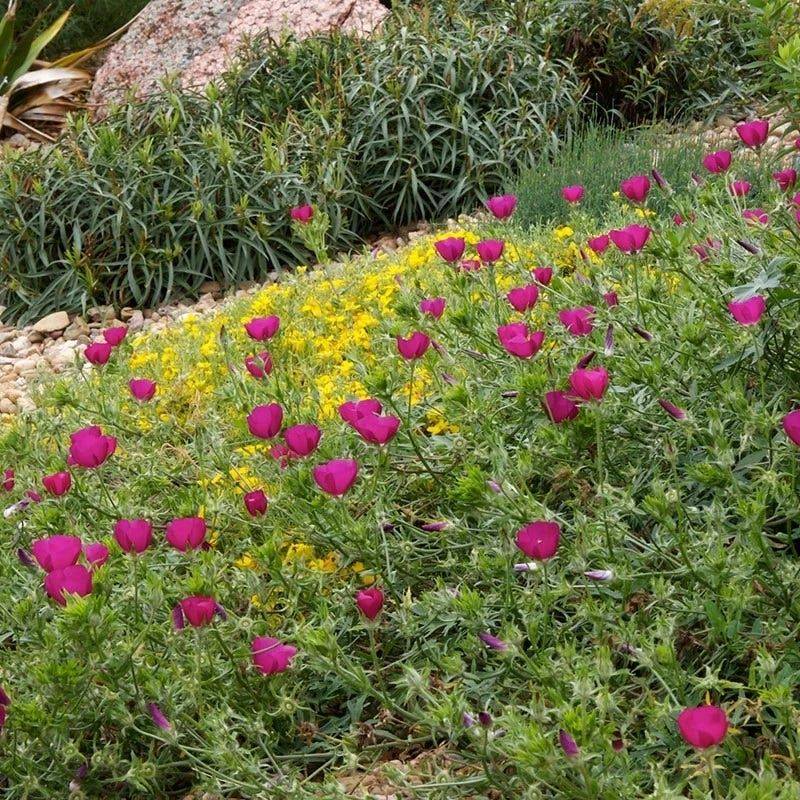
If your slope has well-drained, rocky soil pockets and gets sun or partial shade, correctly identified winecup seed or small starts are worth trying as a gradual native groundcover. Start with a few spots and add more as you see what survives.
Establishment and seasonal looks will vary, as NPSOT and Wisconsin Extension both suggest. It will not guarantee a purple carpet or fix an unstable bank.
Think patches of color, earned over a few seasons.