
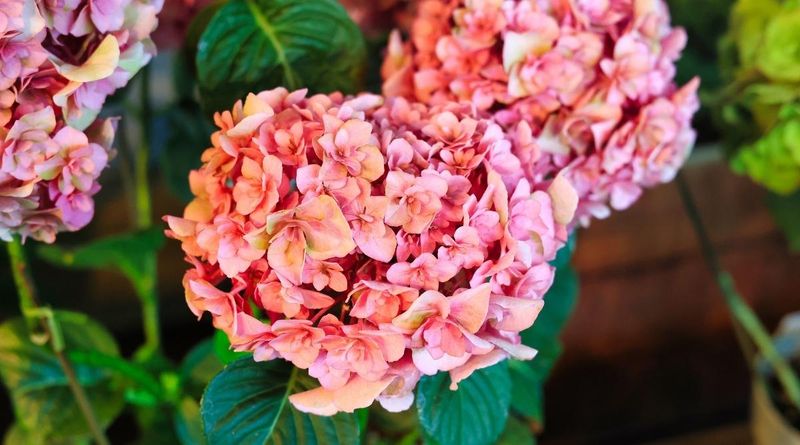
A lush, leafy hydrangea that refuses to bloom is one of the most frustrating sights in the garden, especially after you have waited all season for those big, beautiful flowers. The good news is that a bloomless hydrangea is rarely a lost cause, and the plant’s vigorous foliage actually tells you something useful: the roots and stems are working. What it does not tell you is why the flowers never appeared, and that answer depends on more than one thing. Working through a short checklist of likely causes is the fastest way to get your hydrangea blooming again.
Leaves Without Flowers Usually Mean the Buds Did Not Survive

Abundant green growth on a hydrangea is a sign of a plant that is feeding, photosynthesizing, and putting energy into stems and leaves. The catch is that leafy vigor tells you nothing about whether the flower buds survived to bloom. Buds and leaves are produced by different processes, and a hard winter, a careless pruning cut, or a late spring frost can wipe out the buds while leaving the foliage completely unaffected.
The central mechanism behind most bloomless hydrangeas is the same: the plant lost its flower-bearing wood or its flower buds before they had a chance to open. University of Maryland Extension guidance on pruning hydrangeas confirms that cutting stems at the wrong time of year is one of the most common ways gardeners unknowingly remove the coming season’s flowers. For the popular bigleaf hydrangea, those buds sit on stems grown the previous year, so any cut made in fall, winter, or early spring can take the flowers with it.
Pruning at the wrong time is a leading, fixable cause for many bigleaf hydrangeas, but it is not the only explanation. Penn State Extension’s overview of hydrangea bloom failure lists severe winter cold, late frost, summer drought during bud formation, deer browsing, deep shade, plant age, and fertilizer imbalance as additional causes that can produce the exact same leafy-but-bloomless appearance. Treating this as a diagnostic process rather than a single verdict is the right starting point, because the fix depends entirely on which cause actually applies to your plant.
Identify the Hydrangea Before You Prune

Before touching a pair of pruning shears, the single most useful thing you can do is figure out which hydrangea you actually have. Pruning rules are not interchangeable across species, and applying the wrong rule is a reliable way to lose another year of flowers.
Bigleaf hydrangeas (Hydrangea macrophylla), mountain hydrangeas (H. serrata), and oakleaf hydrangeas (H. quercifolia) generally flower on old wood, meaning buds form on stems produced during the previous growing season. Smooth hydrangeas (H. arborescens) and panicle hydrangeas (H. paniculata) flower on new wood, setting their buds on stems that grow in the current season. That distinction changes everything about when and how hard you can prune. University of Maryland Extension’s pruning guide lays out these categories clearly and is a reliable starting point for identification.
Reblooming cultivars, sometimes sold under names like Endless Summer or Let’s Dance, are bred to flower on both old and new wood. That flexibility makes them more forgiving after a rough winter, but it does not make them bulletproof. University of New Hampshire Extension notes that even remontant cultivars can lose or delay blooms after severe cold, so “blooms on old and new wood” should not be read as a guarantee of flowers in every season or climate.
If you no longer have the plant tag, look at the leaf shape, flower form, and bark texture, then cross-reference with a university extension identification guide rather than guessing from flower color alone. Penn State Extension’s species-by-species pruning calendar is particularly useful here because it pairs identification features with pruning windows, giving you a practical reason to get the name right before you cut anything.
Old-Wood Pruning Can Remove the Coming Season’s Flowers

For bigleaf, mountain, and oakleaf hydrangeas, the flower buds that will open next summer are already sitting on the stems right now. They formed during last year’s growing season and overwintered on those same canes. Any cut that removes those stems in fall, winter, or early spring also removes the flowers that were attached to them, and the plant will spend the entire next season producing healthy leaves with nothing to show at the top.
The corrective rule for old-wood types is straightforward: prune after flowering, and remove as little living wood as possible. Deadheading spent blooms is fine. Cutting back to tidy the shape is fine, done right after the flowers fade. What causes trouble is the habit of cutting everything back in fall as part of general garden cleanup, or hard-pruning in early spring before new growth makes it obvious which wood is alive.
University of New Hampshire Extension’s pruning fact sheet recommends waiting until buds begin expanding before making any cuts on hydrangeas with potential winter damage, so you can clearly see which stems are still viable before removing them.
Smooth and panicle hydrangeas follow a completely different schedule. Because their buds form on new growth each spring, late-winter or early-spring pruning is not only acceptable but generally recommended to encourage strong flowering stems. Penn State Extension’s species pruning guide confirms that cutting these types back hard in late winter can actually improve bloom size and stem strength for the coming season.
One rule applies to every hydrangea regardless of type: never cut an unidentified plant to the ground. That approach may work well for a smooth or panicle hydrangea, but it will eliminate every flower bud on an old-wood type and guarantee another leafy, flowerless season. Maryland Extension’s pruning overview specifically cautions against applying a single hard-pruning rule to all hydrangeas, and that caution is worth taking seriously before any cut is made.
Winter, Frost, Drought, and Deer Can Also Remove the Buds

Plenty of gardeners with bloomless hydrangeas never touched their pruning shears. If you know you did not cut the plant back, the investigation shifts to what happened between late summer and the following spring, because that window is when the buds are most vulnerable to outside damage.
Severe winter cold is the most common non-pruning culprit, particularly for bigleaf hydrangeas in colder climates. When temperatures drop low enough to kill the upper canes, the plant often pushes vigorous new growth from the base in spring, producing exactly the leafy-but-flowerless appearance described in the title. Penn State Extension’s bloom-failure guide points to winter dieback as a primary explanation for repeatedly bloomless bigleaf hydrangeas in cold regions. A late frost after buds have begun to swell can cause the same damage even in milder areas, killing buds that survived the winter only to be caught by an unexpected cold snap in April or May.
Drought during the late summer and early fall months, when buds are forming for the following year, can also reduce or prevent flowering. UNH Extension notes that consistent moisture during the growing season supports healthy bud development, and stress during that window can translate directly into fewer flowers the following year. Deer browsing is another factor worth checking: deer will readily eat the tips of hydrangea stems in fall or winter, removing buds cleanly and leaving behind a plant that leafs out normally from lower growth come spring.
A practical diagnostic clue is the pattern of growth in spring. If the upper stems are clearly dead or brittle while strong new shoots push from the base or lower canes, winter injury is the likely explanation. UNH Extension’s winter protection guidance advises waiting until new growth is clearly visible before removing any stems, so you do not cut away wood that is still alive and bud-bearing. According to UGA Cooperative Extension’s bigleaf hydrangea publication, patience at this stage prevents the common mistake of removing canes that looked dead but still carried viable buds near their base.
Check Light, Moisture, and Fertilizer After the Stems

Once you have ruled out pruning errors and weather damage, growing conditions become the next place to look. A hydrangea can have perfectly intact stems and healthy buds yet still produce few or no flowers if the light, moisture, or nutrition is consistently off.
Shade is an underappreciated cause of poor flowering. Most hydrangeas tolerate partial shade and actually prefer protection from hot afternoon sun, but deep shade reduces the energy available for flower production. Iowa State University Extension’s bloom FAQ identifies insufficient light as a genuine reason for reduced flowering, noting that panicle hydrangeas generally handle and often prefer more sun than bigleaf, smooth, or oakleaf types. If your plant sits beneath a dense tree canopy or in the shadow of a building for most of the day, moving it to a brighter spot may be the most effective fix available.
Moisture consistency matters throughout the growing season, not just during hot weather. Iowa State Extension’s hydrangea growing guide offers approximately 1 inch of water per week as a general starting benchmark, with adjustments for rainfall, soil type, heat, and exposure. Competition from shallow tree roots, poorly drained soil, and standing water can all interfere with root function and reduce flowering even when the surface soil looks adequately moist.
Fertilizer deserves a careful look as well. Excess nitrogen pushes plants toward green, vegetative growth at the expense of flowers, which is exactly the symptom in question. Oregon State University Extension cautions against repeated applications of high-nitrogen fertilizer on hydrangeas for this reason. That said, lush green leaves alone do not prove nitrogen excess.
University of Maryland Extension’s problem-management guide recommends a soil test before making any nutrient corrections, because applying amendments without knowing the baseline can create new imbalances rather than fix the original problem.
A Young or Florist Hydrangea May Need More Time or a Better Site

Not every bloomless hydrangea has a care problem. Sometimes the plant simply has not been in the ground long enough, and the absence of flowers reflects normal establishment rather than anything the gardener did wrong.
Newly planted hydrangeas, particularly oakleaf and climbing types, can take two or three years to flower reliably after transplanting. During that window, the plant is directing energy toward root establishment rather than reproduction, and pushing it with fertilizer or fussing with the stems can extend the wait. Iowa State University Extension confirms that a young plant’s failure to bloom is not necessarily a sign of a problem, and patience through the establishment period is often the most productive response.
Florist hydrangeas sold in bloom for Easter or Mother’s Day present a different situation. These plants are often forced to flower in greenhouse conditions and may not be hardy enough for outdoor winters in many parts of the country. Penn State Extension notes that gift hydrangeas can survive and produce vigorous foliage outdoors while repeatedly losing their flower buds to winter conditions they were never bred to handle. If a plant has been in the ground for several years, leafs out reliably each spring, but never blooms, its cold hardiness for your specific location is worth questioning before you invest more time in pruning adjustments or fertilizer changes.
The practical question at this stage is whether to wait, improve the site, or reassess the plant’s fit entirely. A young hydrangea in a suitable location generally just needs time. A florist plant that has repeatedly failed to bloom outdoors may need a more protected spot or a replacement with a cultivar rated for your climate.
Use a Recovery Plan That Matches the Cause

Diagnosing the cause is only useful if the recovery steps match it. Applying a generic fix, such as cutting everything back or adding a bloom booster, to a problem rooted in winter bud loss or incorrect pruning timing can make the situation worse rather than better.
For old-wood hydrangeas where pruning was the likely cause, the main adjustment is stopping routine spring cutting and shifting any future pruning to the period right after the flowers fade. If winter damage is suspected, the right move is to wait. UNH Extension’s pruning fact sheet advises holding off until buds are clearly expanding or new growth is visible, then removing only the stems that are definitively dead. That approach preserves any canes that still carry viable buds near their lower sections.
Protecting vulnerable bigleaf hydrangeas over winter can reduce bud loss in cold climates, though it cannot guarantee flowers after severe or fluctuating conditions. UNH Extension describes a loose enclosure of hardware cloth or chicken wire filled with dry leaves, left in place until the danger of frost has passed in spring. The goal is to buffer the buds from the hardest temperature swings, not to create a sealed chamber that traps moisture and promotes rot.
For smooth and panicle hydrangeas, late-winter or early-spring pruning supports the current season’s flowering because the buds form on new stems. Maryland Extension’s pruning guide notes that these types can handle more aggressive cutting than old-wood species without sacrificing blooms. If light, moisture, or fertilizer was the identified problem, correct those conditions gradually. Iowa State Extension’s growing guide supports moving a plant to better light, improving drainage, and switching to a balanced slow-release fertilizer applied in spring as measured, evidence-based steps rather than stacking multiple untested treatments at once.
Identify the Lost Buds Before Reaching for Another Fix

The sequence that matters most is this: identify the hydrangea species or cultivar, determine whether flower-bearing wood or buds were lost before bloom time, review what happened over the previous winter and spring, and then correct the pruning habit or growing condition that caused the loss. Every other step follows from that order.
Two common detours make the problem harder to solve. Adjusting soil pH is primarily a tool for changing flower color in susceptible bigleaf and mountain hydrangeas. Clemson Cooperative Extension is clear that pH manipulation does not restore buds that were removed by pruning or killed by frost. Applying aluminum sulfate or phosphorus amendments without a soil test can damage roots and create new nutrient problems on top of the original one.
Penn State Extension and Maryland Extension both caution against these shortcuts for the same reason.
A leafy hydrangea is not a failing hydrangea. It is a plant telling you the roots and stems are in good shape, and that the flowers were interrupted somewhere between bud formation and bloom. Find where that interruption happened, fix the one condition that caused it, and the flowers tend to follow.